
RedRhino
-
Posts
60 -
Joined
-
Last visited
-
Days Won
2
Everything posted by RedRhino
-
Yes we do have external shading and I think it’s an essential part of the mix. My German wife has always wanted rolladen (European roller shutters) but no one seems to fit them in the UK. And would a subsequent buyer want that European look? To improvise we have fixed fabric to the outside of the biggest, hottest windows to reduce the solar gain. It makes a massive difference and if temp is 30c+ I would say shading is essential.
-
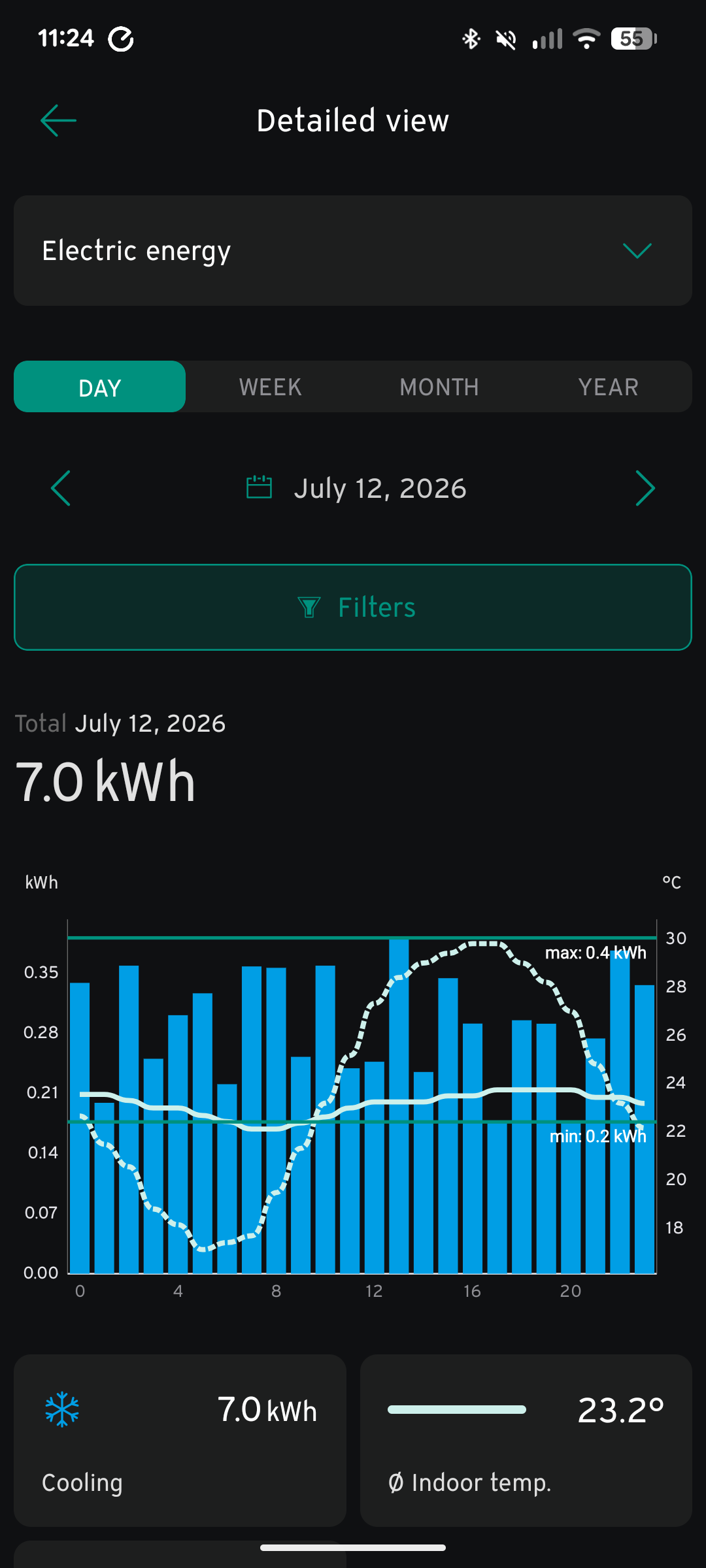
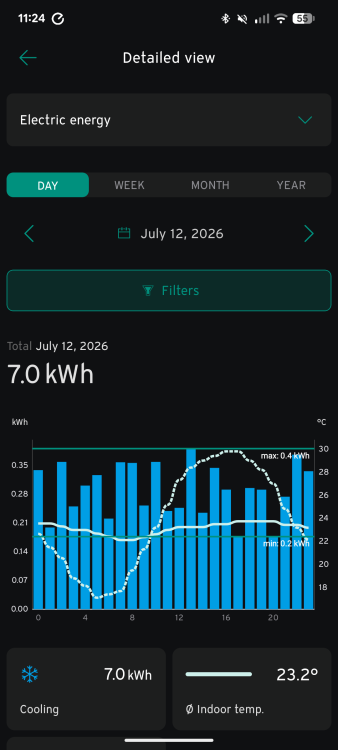
16c - no condensation since we started running (although that might be tested in high humidity) And 7KWH of solar / battery for 24 hours of cooling which we would otherwise export at 10p / KWH (in other words it cost us 70p for 24 hours). The solid line is the temperature of the hall thermostat - not the bedroom thermostat alas.
-
We knew our new house would be very well insulated and air tight so the heating demand would be low. Our rational response to that was to only put UFH on the ground floor because bedrooms should always be cooler and heat rises. Now we are thanking our lucky stars that our ASHP can cool, I wish I had put UFH in the bedrooms. During the current heatwave our ground floor is lovely and cool: 22c / max 24c, that coolness doesn't reach upstairs except via the MVHR mixing. I think if I had my time again I would put UFH (or rather Under Floor Cooling) in the bedrooms to aid sleep during heatwaves.
-
Yes - we are lucky to have no shading to the east, a bungalow as our neighbour to the south, and mature oak trees about 100m away to the west. I think even partial shading impacts solar performance. I've since thought (that we should have had) vertical panels for the winter. But too late now and I don't want to mess up a clean installation. Prioritising winter solar over summer solar sounds like a fair deal.
-
I'm such an idiot - duplicate posts. I shouldn't be left alone with a keyboard. Anyway, here is the (duplicate) graphic.

-
For those who like data
-
12 May - net zero day
RedRhino replied to RedRhino's topic in Energy Efficient & Sustainable Design Concepts
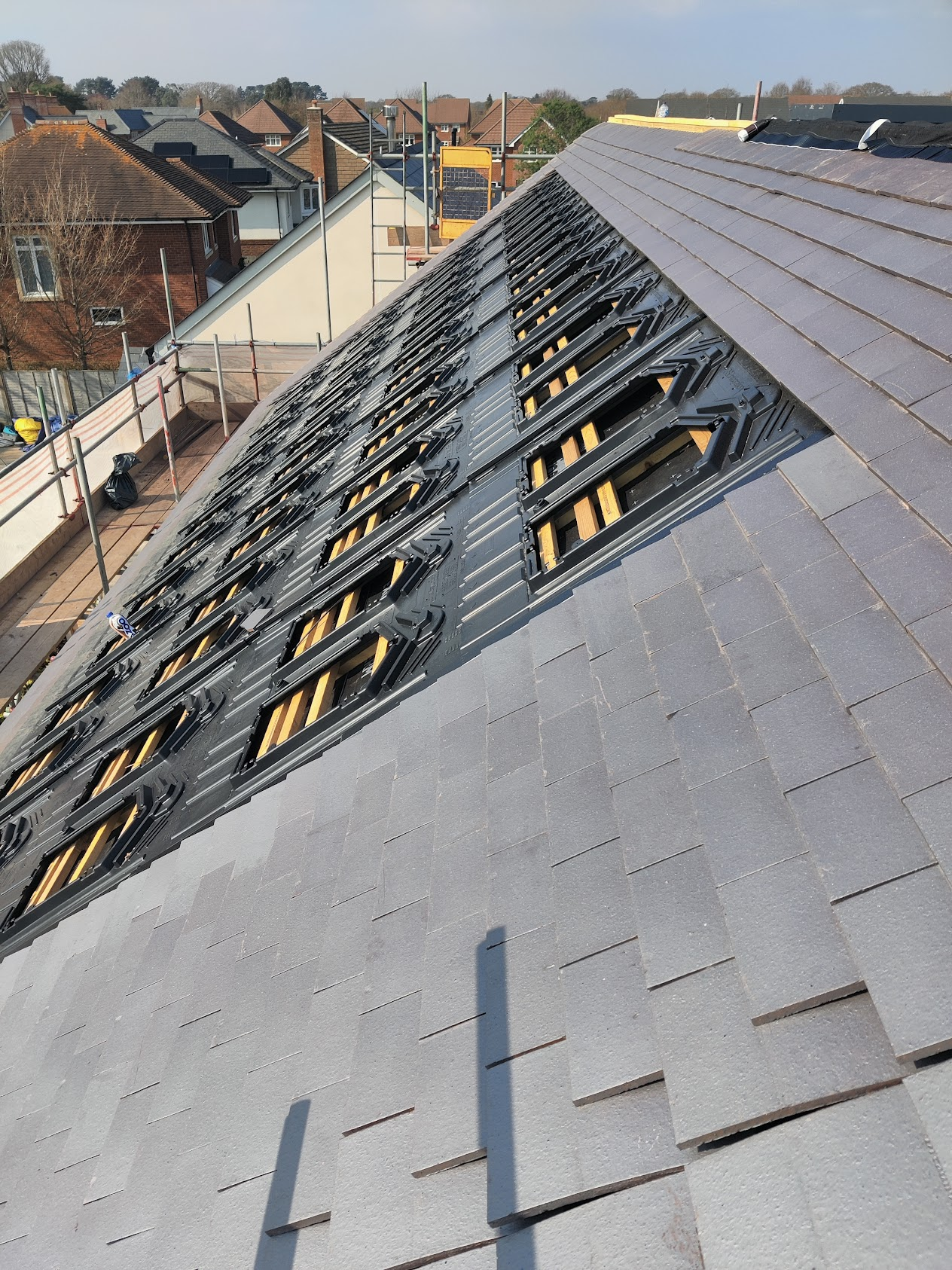
Yes - you have to cover the roof in something, why not solar panels? Only retro-fitters fit solar panels on top of roof tiles.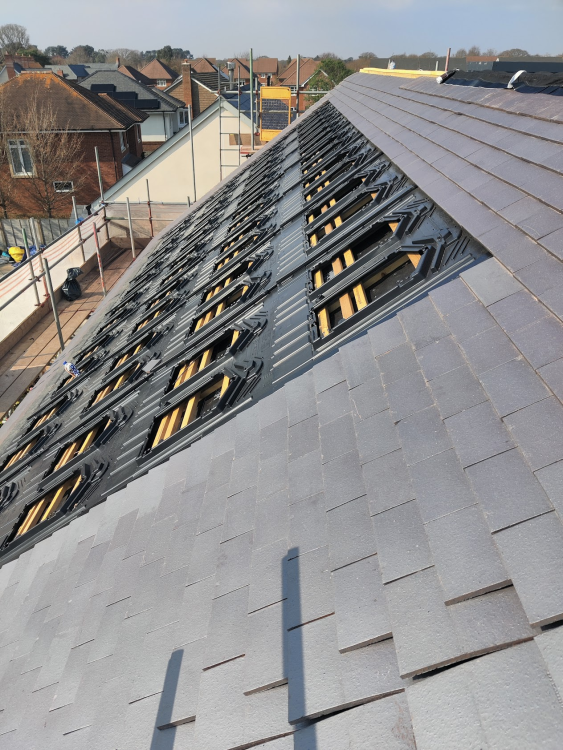
-
12 May - net zero day
RedRhino replied to RedRhino's topic in Energy Efficient & Sustainable Design Concepts
Exactly that - just balanced decisions and good execution with the freedom that only new-build gives which is to consider everything in the round. For instance, we knew we were having a large solar array from the very beginning, so we told the architect we wanted a rectangular roof to best fit rectangular panels. -
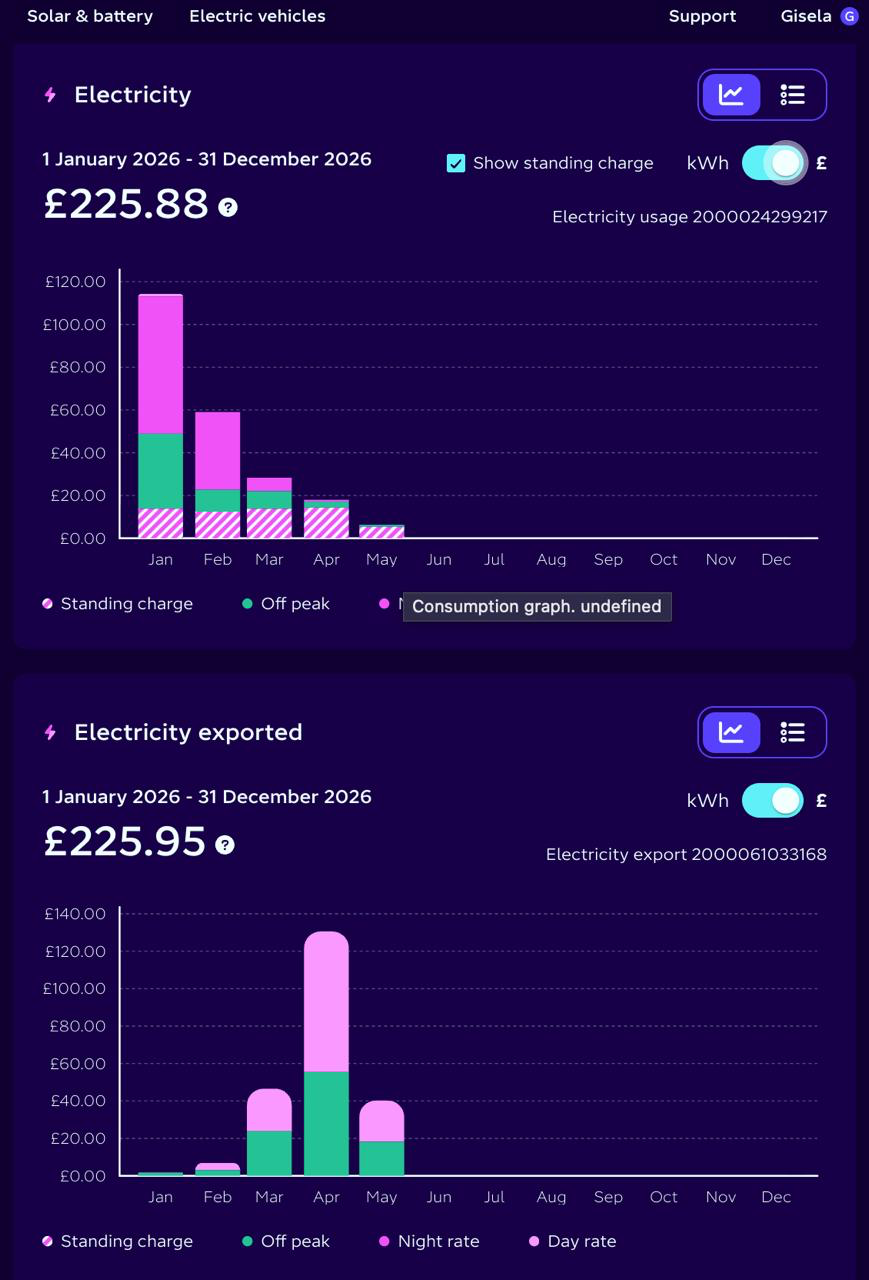
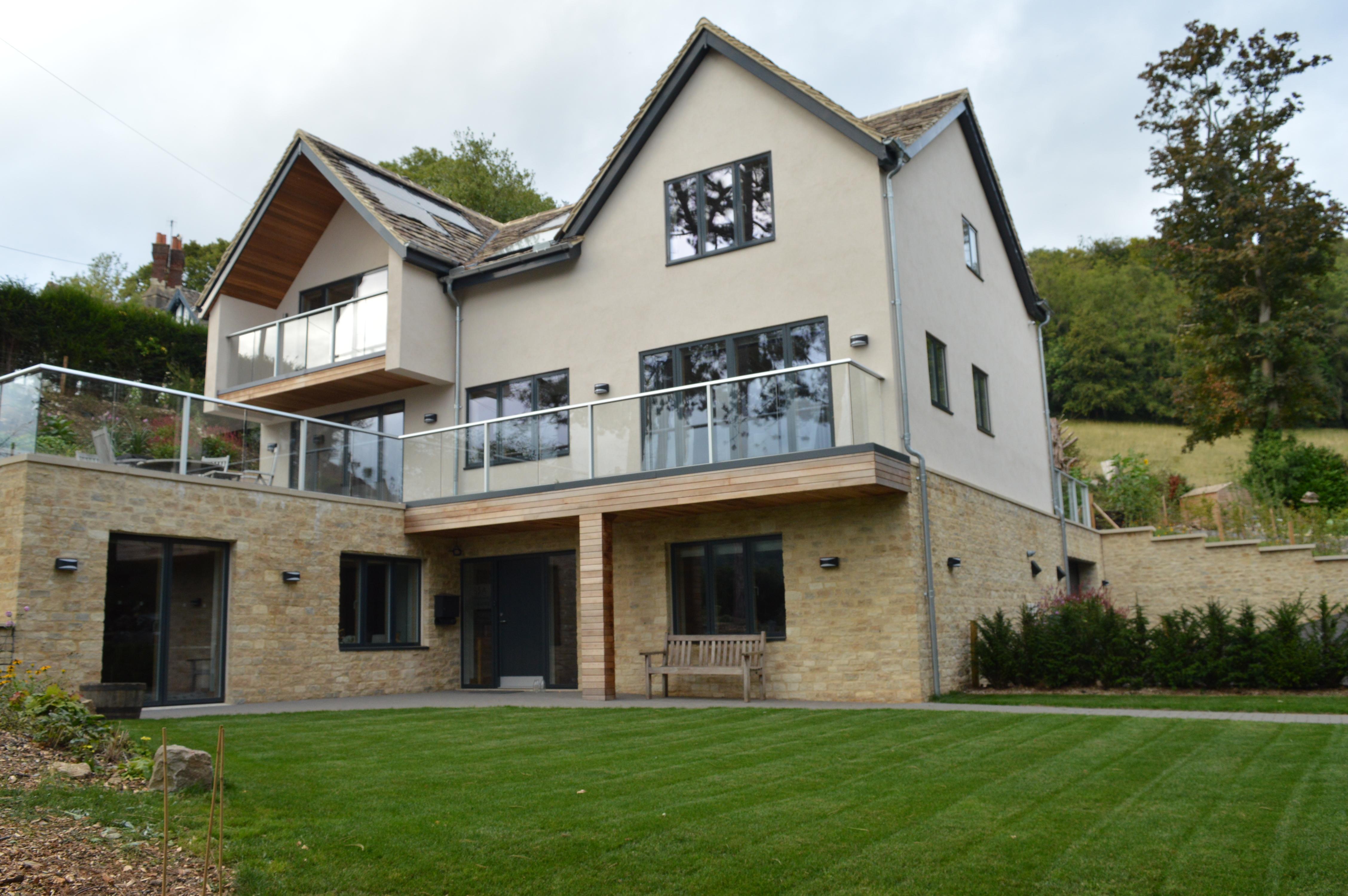
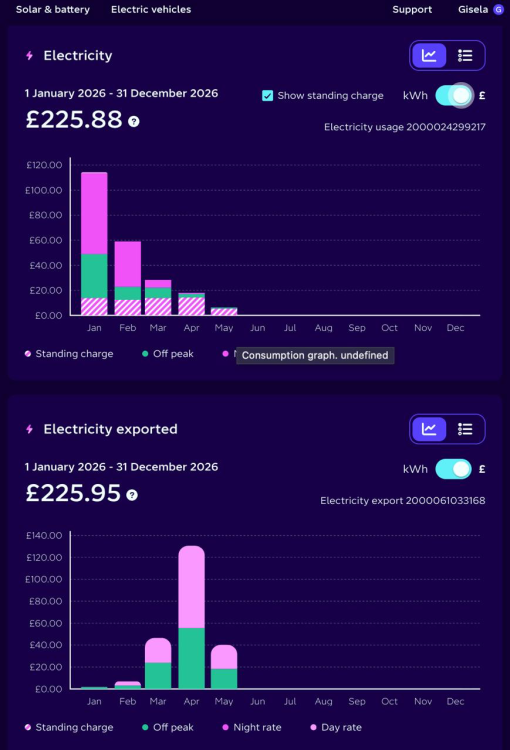
Well I'm chuffed to bits with the performance of our new self-build house. With another 6 weeks to go before mid-year our 2026 electric bill has balanced out. By mid-year we should be in credit by about £150, so maybe £300 for the whole year. That is for DHW, heating and domestic load. 2 people in permanent residence, with guests, 200m^2, thermostat set at 21.5c throughout. We run a sauna but not an EV. Contributing factors in approximate order of importance: High levels of insulation in floor, walls, and roof (MBC high performance timber frame) Very good air tightness (0.8) Large solar array 3kw facing SE and 6kw facing SW with no overshading from trees / chimneys etc Octopus Flux tariff Tesla Powerwall 3 battery 5kW ASHP UFH Triple glazing Each item has value in itself, but they also complement each other e.g. the UFH reduces heating temps which increases the efficiency of the ASHP which reduces demand which . . . I just need to tell Octopus that they need to set up a Direct Debit to pay me : )
-
that’s why we don’t do them! And you don’t pay VAT on new build.
-
Yes, this is our sixth house build (never renovation), three for us and three for other people. Although it doesn't feel like we have any particular knowledge I guess it must count for something. One insight would be: being present and getting involved. We had a neighbour who had a major remodelling of their house. "Tell me when it's over". They couldn't stand the sight of their home ripped apart so the builder was left alone to do as he saw fit. Not good for either party.
-
Unfortunately it wasn't standard - "no flat roofs!" is our mantra and yet we ended up with three (four if you include the porch). And a member of our extended family lives in a house with windows facing only east and west. Does it matter not seeing the sun at midday? Yes! So we have an elaborate H shaped footprint to get midday sun into the centre of the house.
-
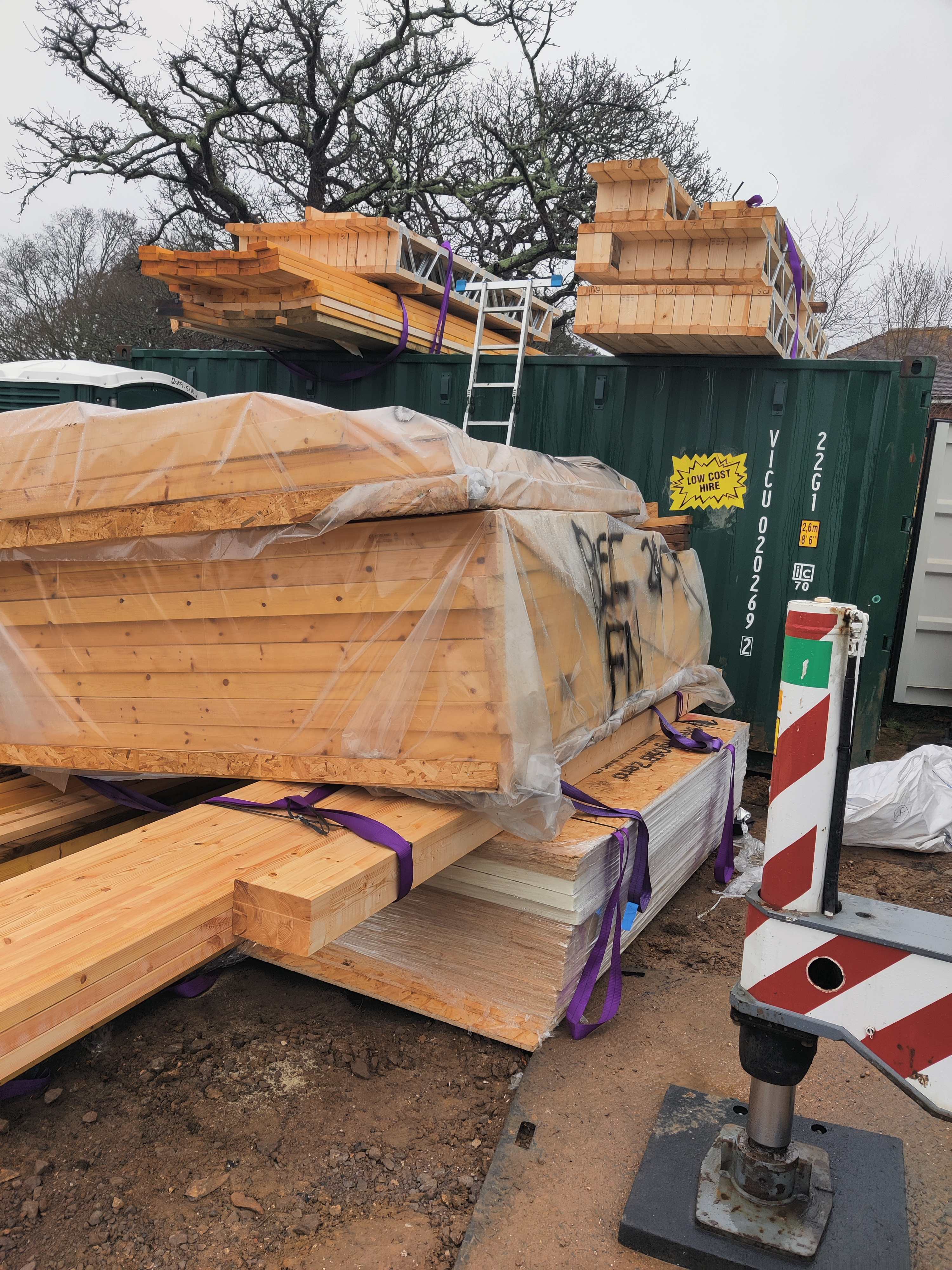
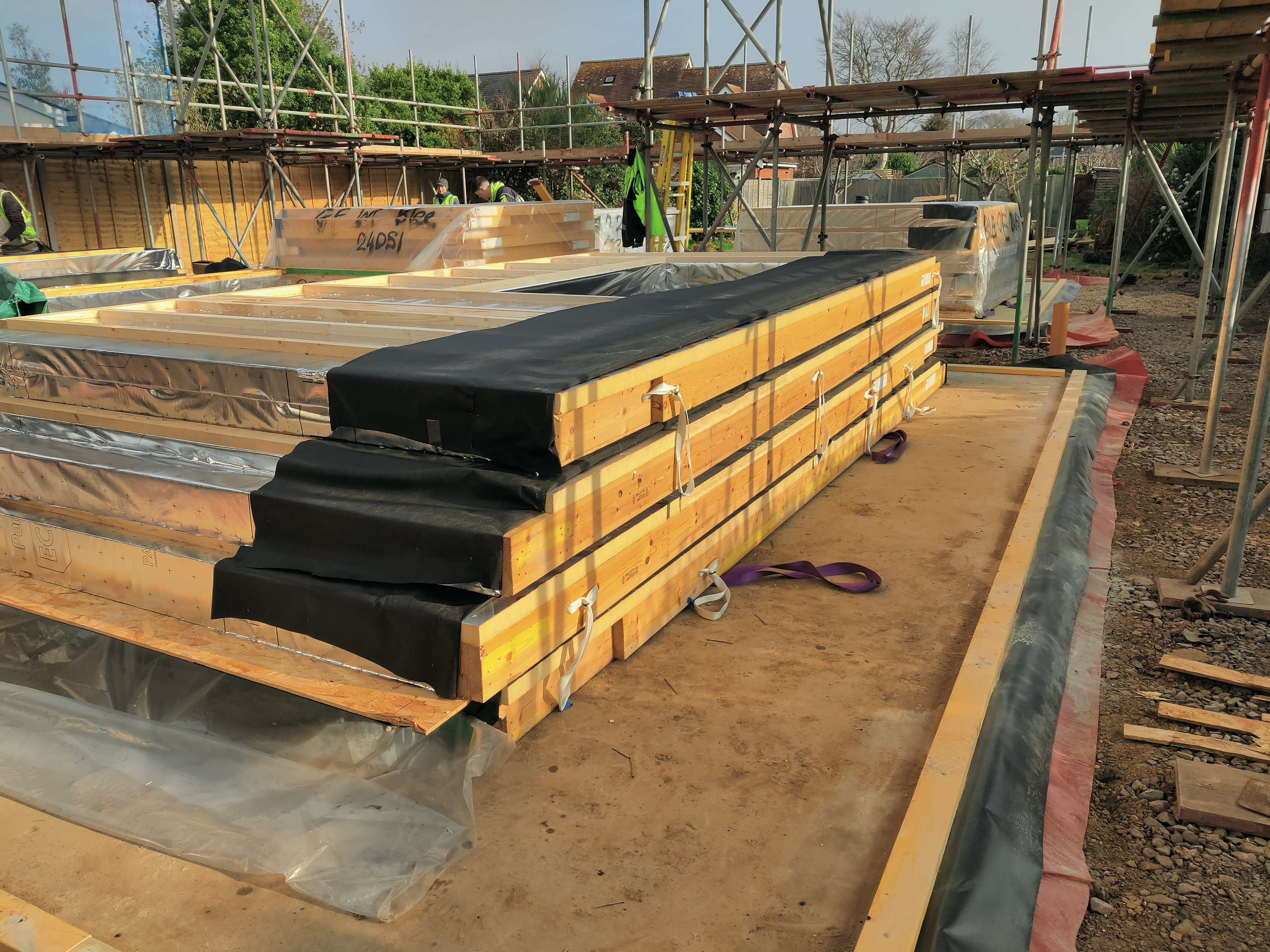
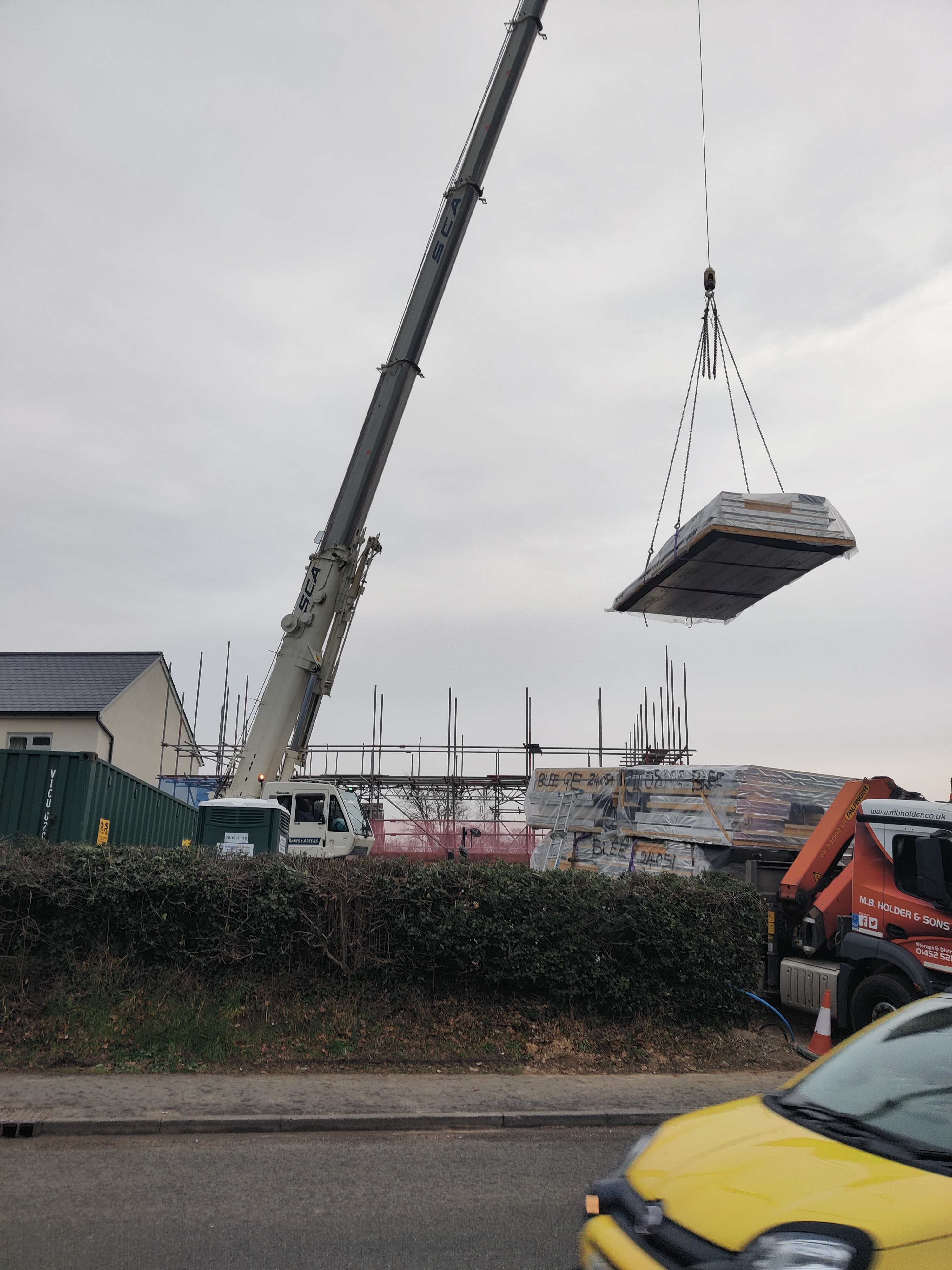
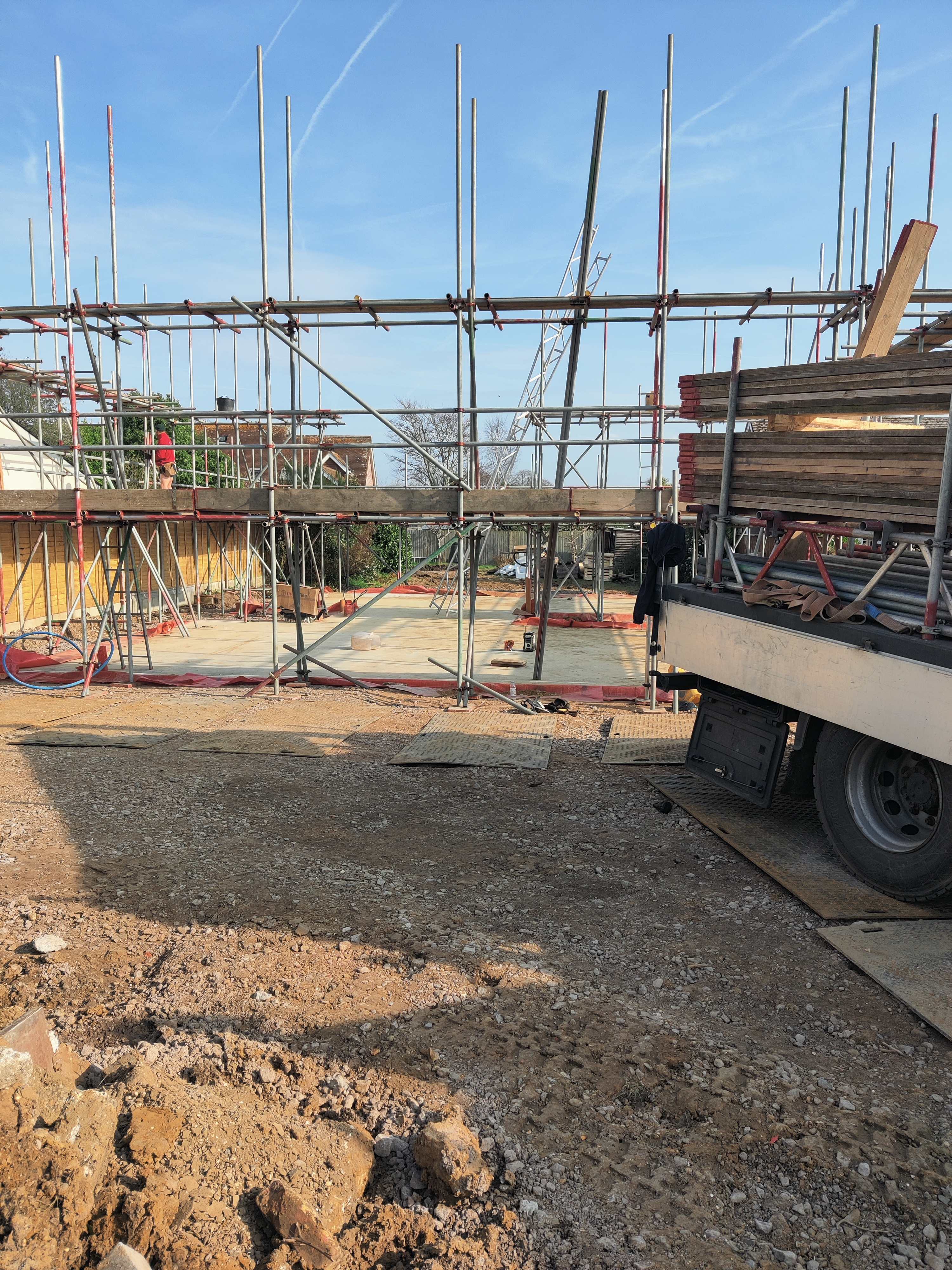
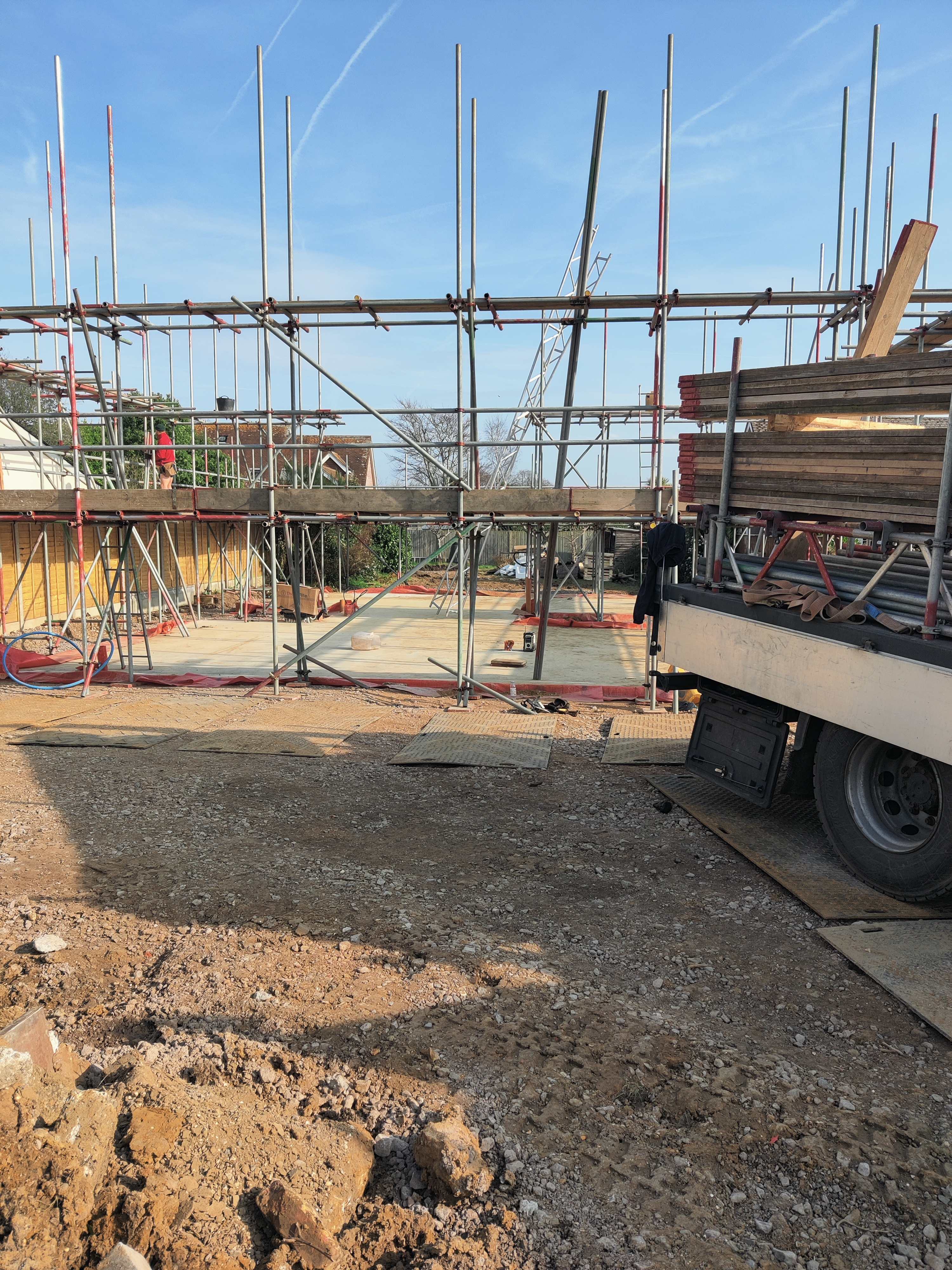
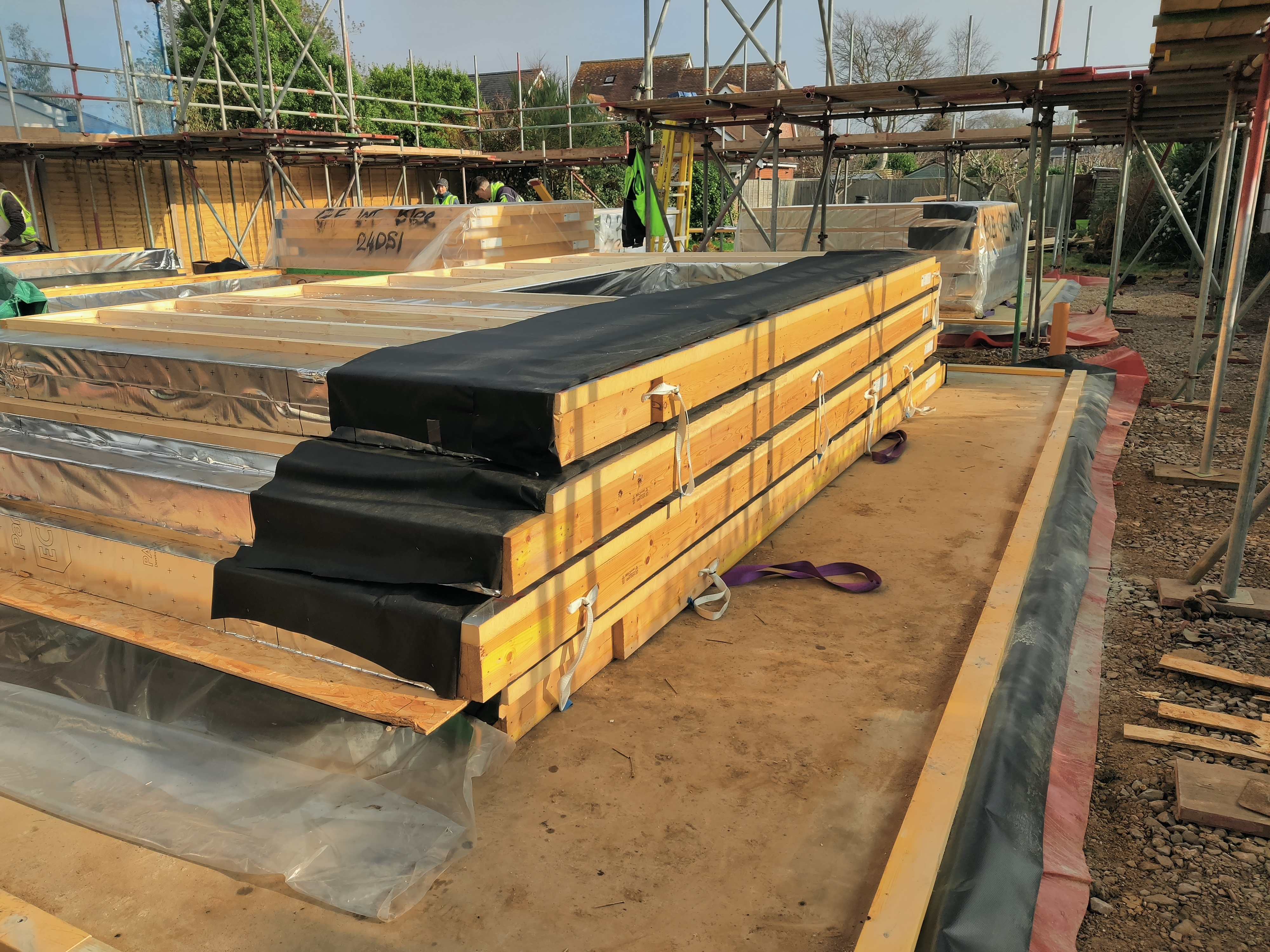
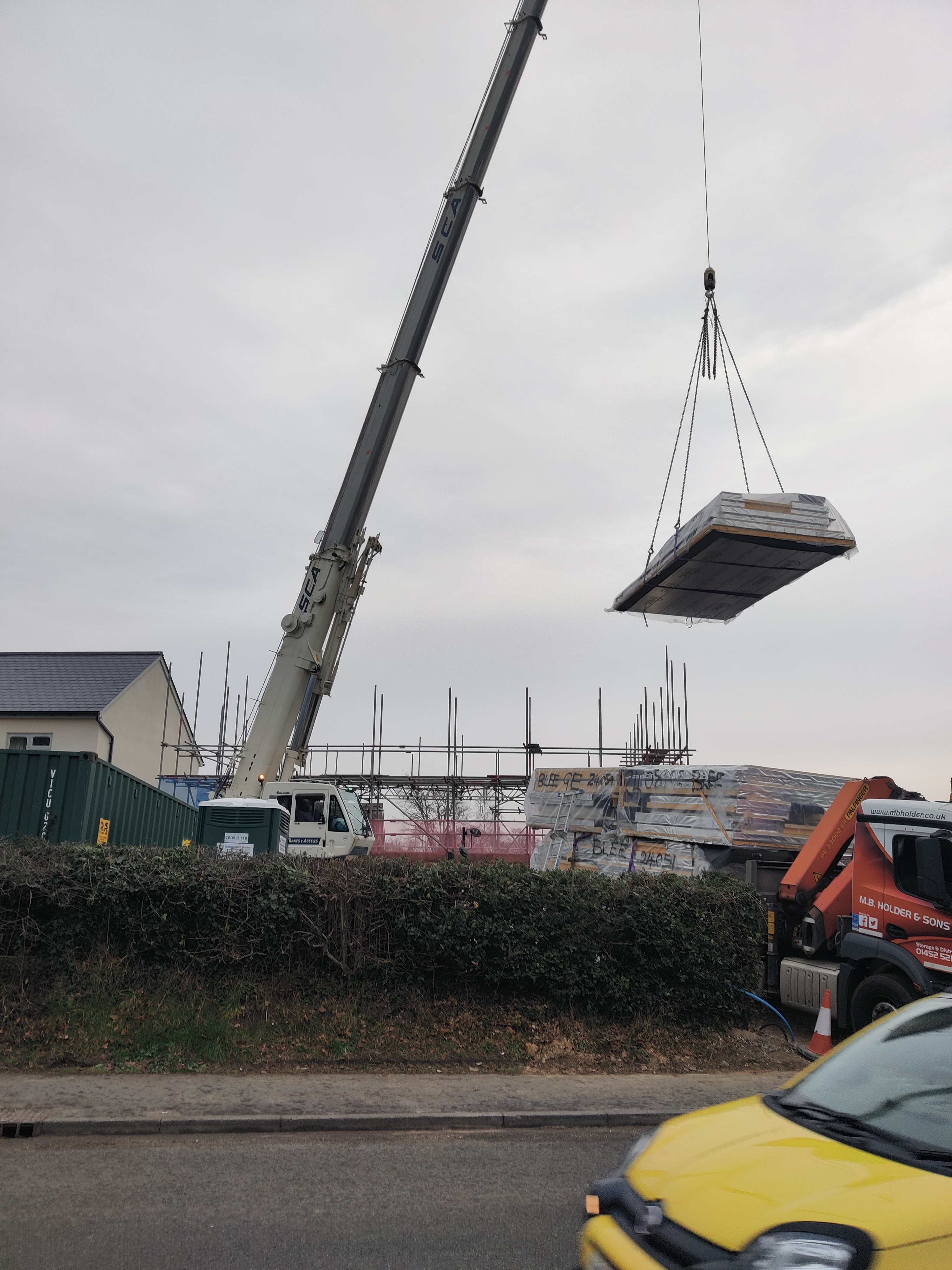
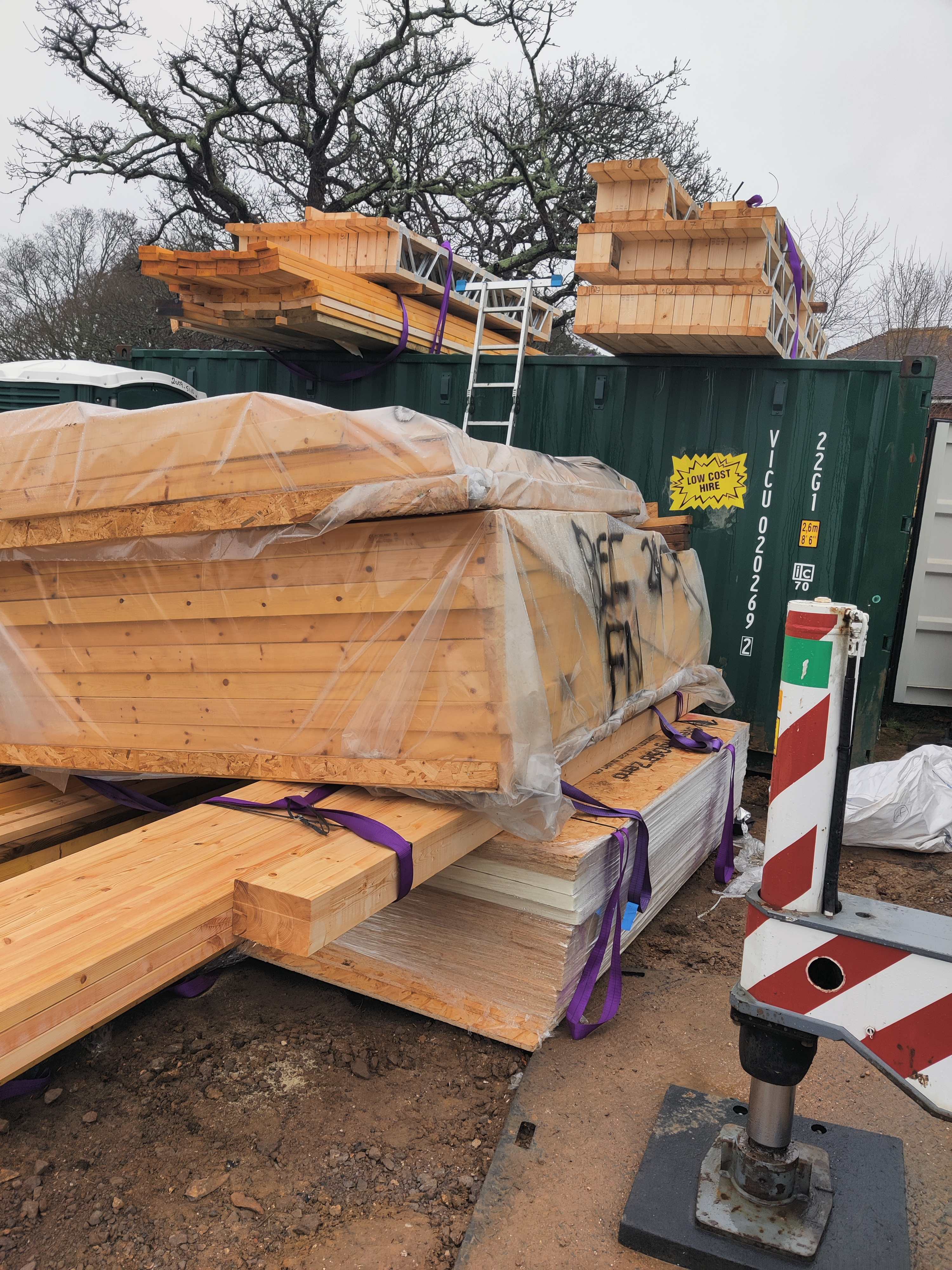
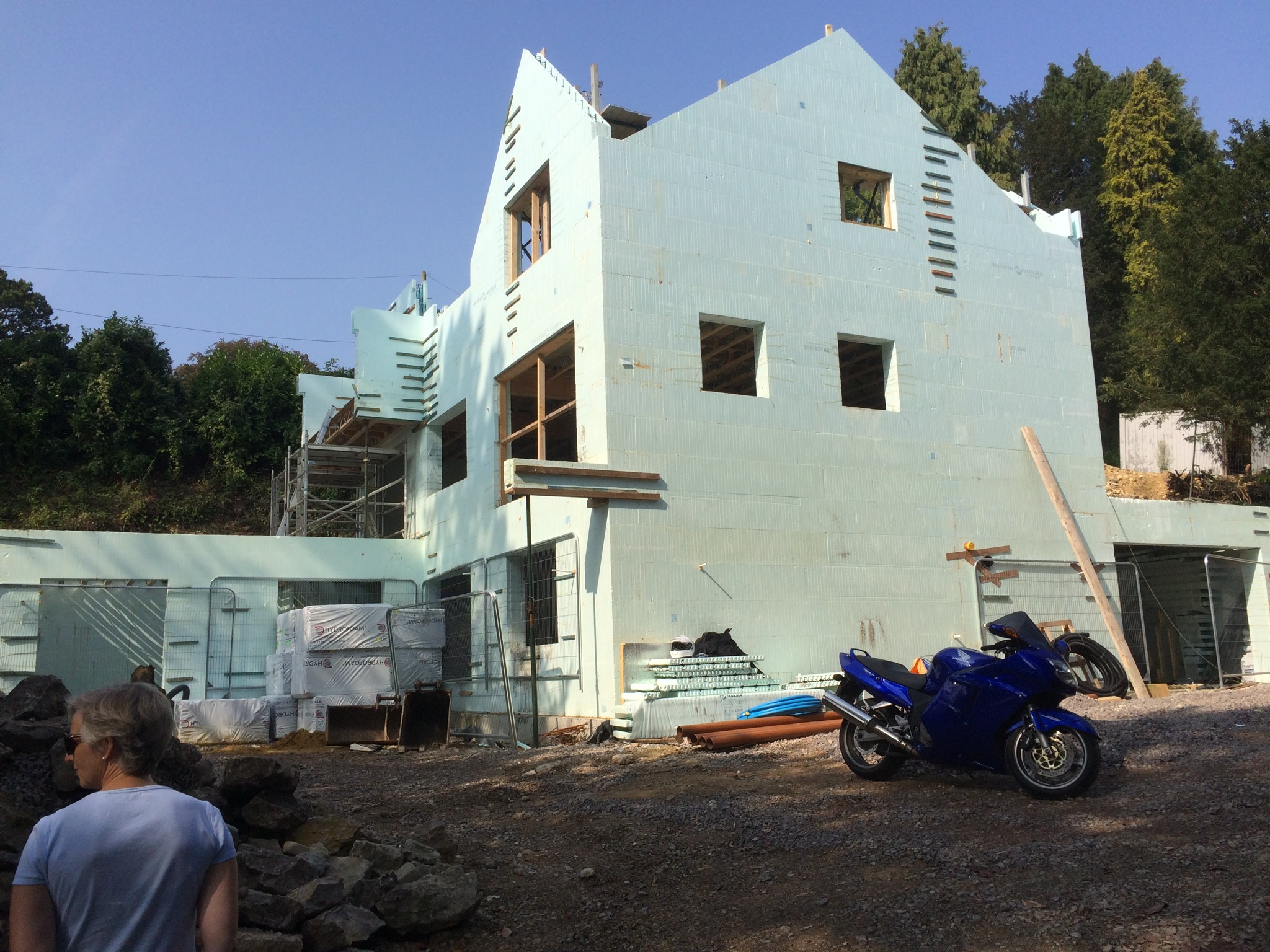
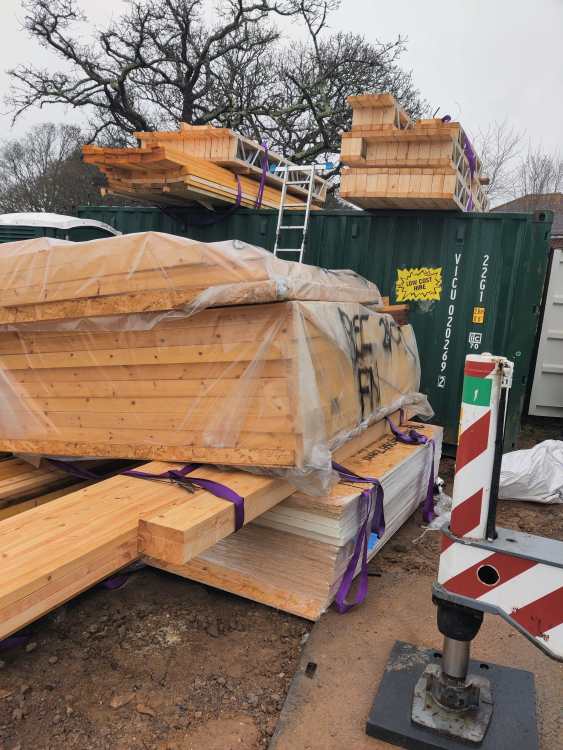
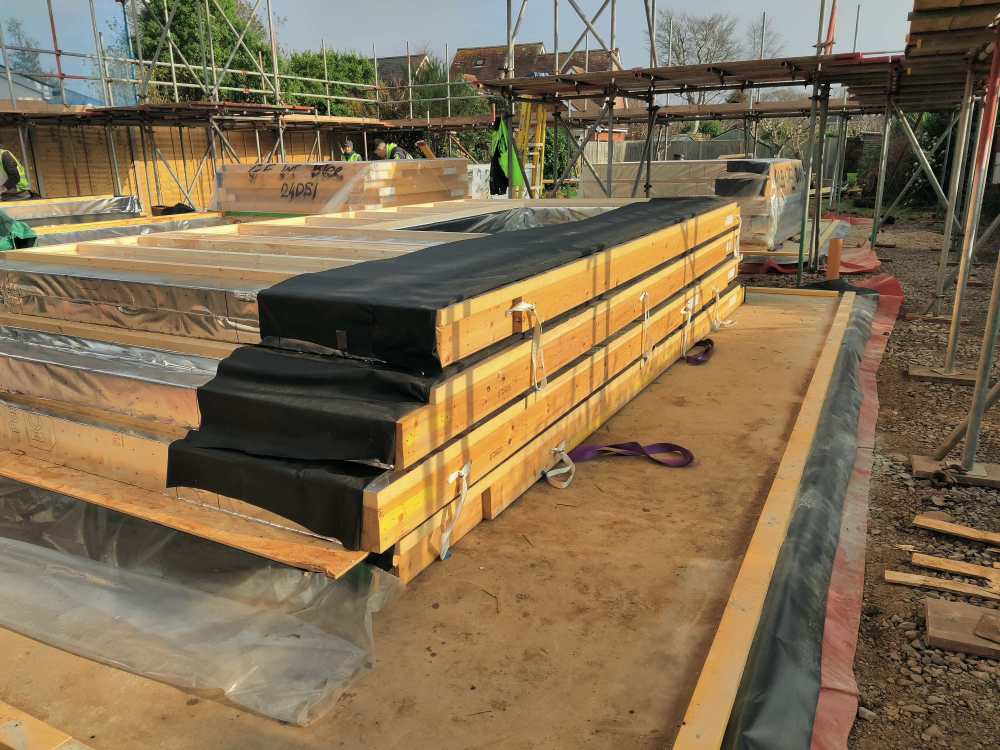
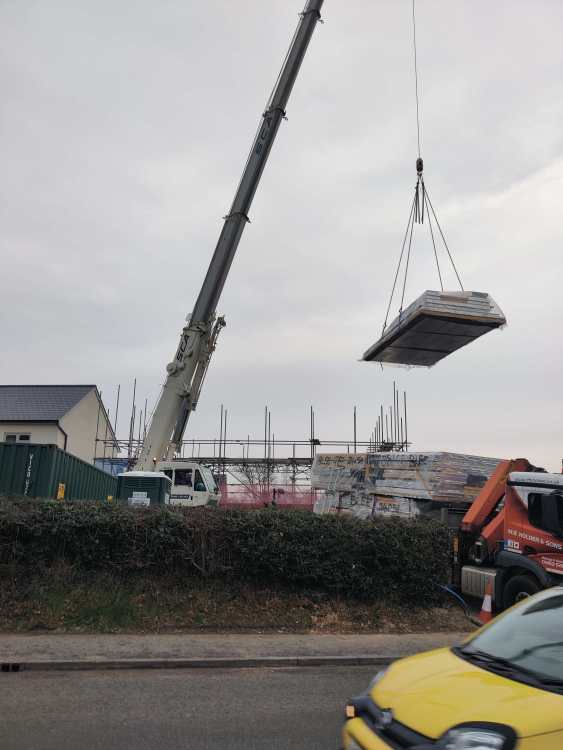
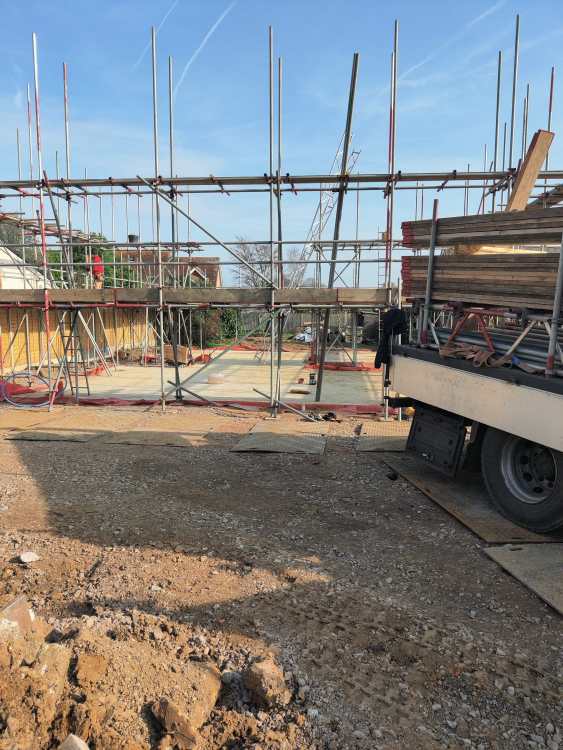
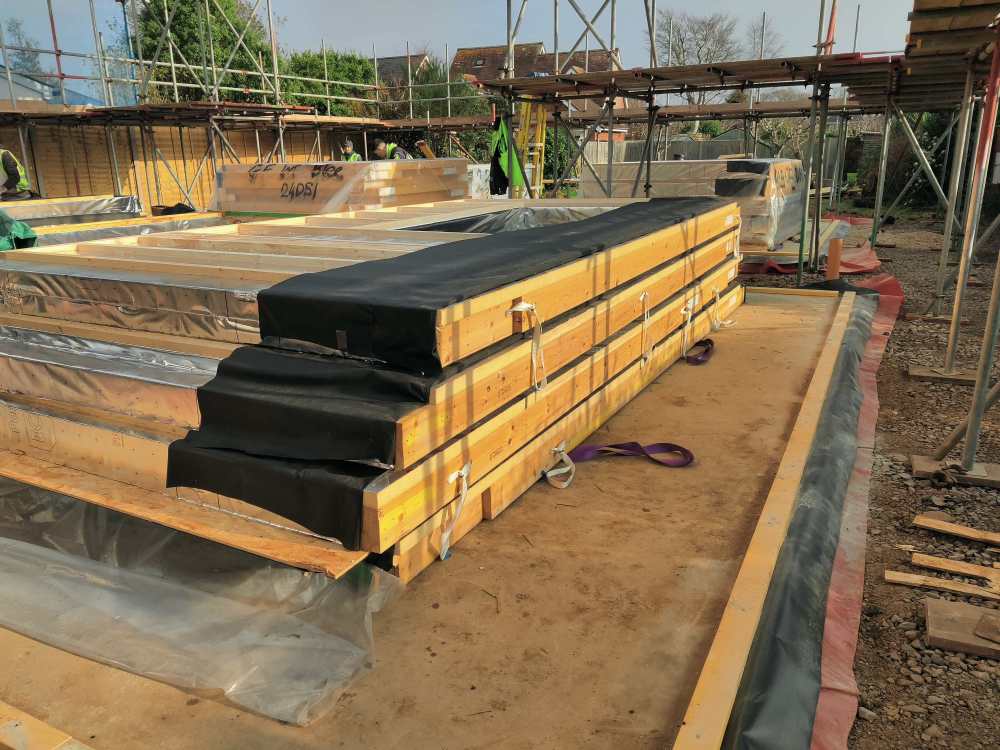
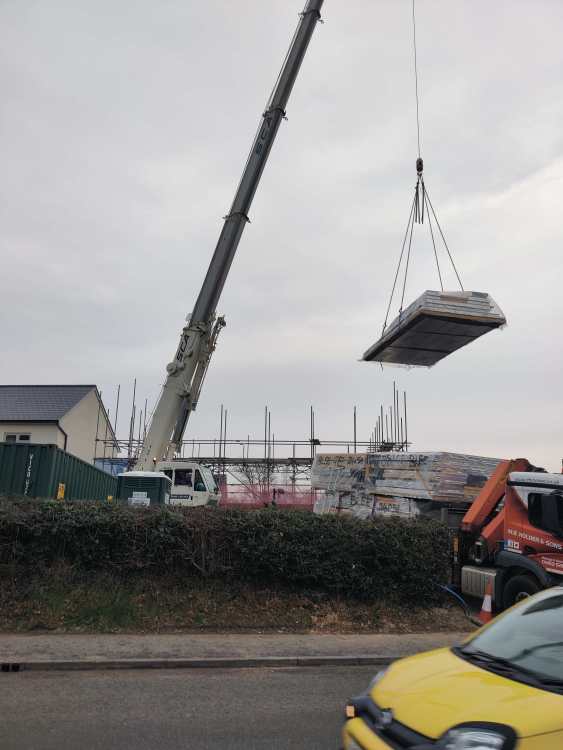
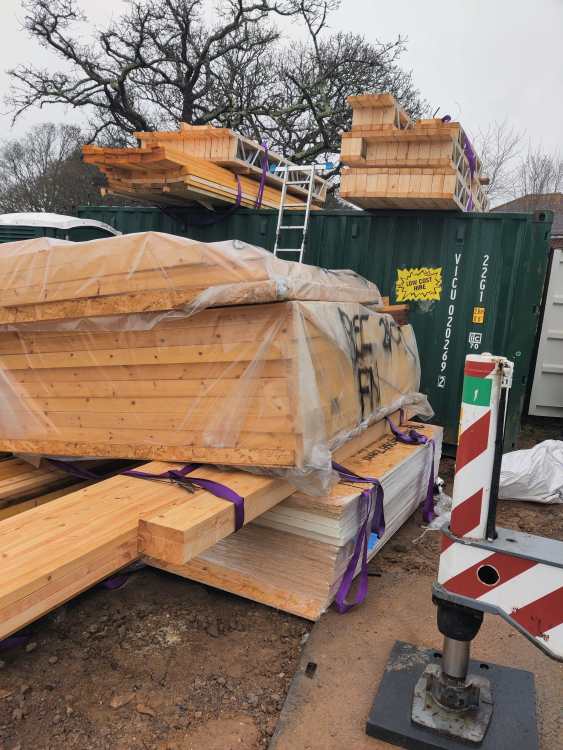
It was one year ago that we started our house build, and we moved in 4.5 months later on July 3rd. Well, that's the headline to catch attention, but there needs to be some qualification. A year ago we started building above ground. Before that, we had 3 months of asbestos removal, demolition, site clearance, excavation, concrete slab, drains and scaffold. But still, 19 weeks to build everything above ground is good. Our method: MBC completed the timber frame in 8 working days - that was a great head start. We had a fixed price contract with a general builder for all the external finishes. This meant we could leave him to manage that whilst we concentrated on the interior. We had plumbing, electrical and carpentry trades working on site in parallel. The house was big enough to have separate working areas. We (the client) were always present to create the culture of collaboration and courtesy. Me and the Mrs worked full time on the build without employment to distract us. One of us would be on site before 8am to open up whilst the other was doing desk work: chasing quotes / delivery / documentation etc. We had very few times when the site was unsupervised by one or other of us. We were disciplined in making decisions in the right order and not changing our minds. We lived a 5 min cycle away in a rented house. Cycling is ideal because you don't take up parking space on site, and you can come and go without asking trade vans to move. Our builder saw the advantage and started cycling too. We had Travis Perkins, Screwfix and the electrical wholesaler all within a 10 minute drive. I could collect ad hoc materials before 8am with an estate car + roof rack so the trades weren't waiting for materials. Our builders merchants is a favoured supplier for kitchens / bathrooms etc based 100 miles away. We worked closely with them to keep their supply of materials ahead of the trades. I did three months of carpentry assisting the proper carpenter. If I wasn't supervising deliveries, doing a site induction for new workers, cleaning up, moving materials then I was doing carpentry. The site was always clean and tidy with waste promptly taken off site. The site was working 5 days a week, every week but typically not weekends. And when we moved in, there was another 6 weeks to completion and then the landscaping after that. Photographs attached from one year ago Build photos here: https://forum.buildhub.org.uk/topic/45435-project-finished-mbc-timber-frame-self-build-220m2-over-three-floors/#comment-634389
-
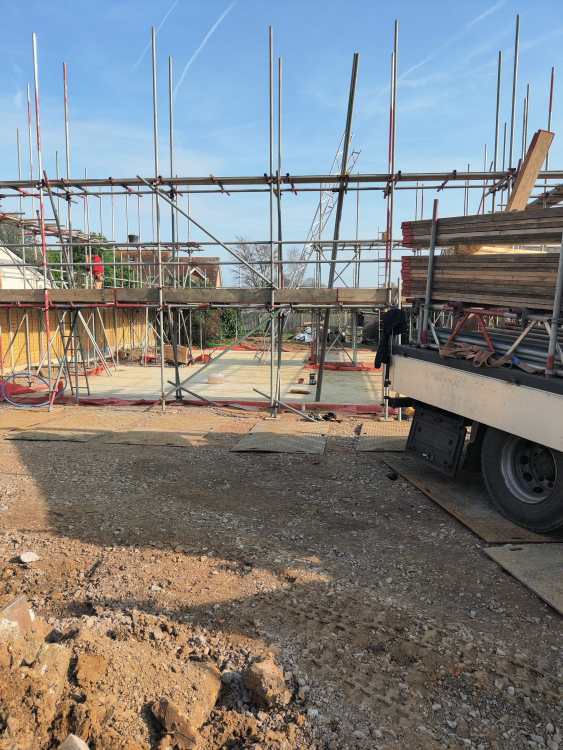
It was one year ago that we started our house build, and we moved in 4.5 months later on July 3rd. Well, that's the headline to catch attention, but there needs to be some qualification. A year ago we started building above ground. Before that, we had 3 months of asbestos removal, demolition, site clearance, excavation, concrete slab, drains and scaffold. But still, 19 weeks to build everything above ground is good. Our method: MBC completed the timber frame in 8 working days - that was a great head start. We had a fixed price contract with a general builder for all the external finishes. This meant we could leave him to manage that whilst we concentrated on the interior. We had plumbing, electrical and carpentry trades working on site in parallel. The house was big enough to have separate working areas. We (the client) were always present to create the culture of collaboration and courtesy. Me and the Mrs worked full time on the build without employment to distract us. One of us would be on site before 8am to open up whilst the other was doing desk work: chasing quotes / delivery / documentation etc. We had very few times when the site was unsupervised by one or other of us. We were disciplined in making decisions in the right order and not changing our minds. We lived a 5 min cycle away in a rented house. Cycling is ideal because you don't take up parking space on site, and you can come and go without asking trade vans to move. Our builder saw the advantage and started cycling too. We had Travis Perkins, Screwfix and the electrical wholesaler all within a 10 minute drive. I could collect ad hoc materials before 8am with an estate car + roof rack so the trades weren't waiting for materials. Our builders merchants is a favoured supplier for kitchens / bathrooms etc based 100 miles away. We worked closely with them to keep their supply of materials ahead of the trades. I did three months of carpentry assisting the proper carpenter. If I wasn't supervising deliveries, doing a site induction for new workers, cleaning up, moving materials then I was doing carpentry. The site was always clean and tidy with waste promptly taken off site. The site was working 5 days a week, every week but typically not weekends. And when we moved in, there was another 6 weeks to completion and then the landscaping after that. Photographs attached from one year ago Build photos here: https://forum.buildhub.org.uk/topic/45435-project-finished-mbc-timber-frame-self-build-220m2-over-three-floors/#comment-634389 VID_20250219_094732.mp4 UBox_20250222_153442_246_019_P.mp4
-
- 3
-

-
Observations on need for heating upstairs
RedRhino replied to Post and beam's topic in Air Source Heat Pumps (ASHP)
Do you have MVHR? That helps mix temperatures. It also indicates that the house was built with airtightness in mind : ) We don't have upstairs on our two upper floors but we do have MVHR. Sleeping in 18c is fine, maybe not sitting at a desk working. -
We demolished a house to get a building plot. As a result there was already a gas supply but we chose to have it disconnected in the street. Our reasons were: Increased insulation means heating loads are small Solar panels can heat DHW for 2/3 of the year meaning the heat demand is zero - the gas standing charge (something for nothing) is galling As fewer people subscribe to gas heating, the cost of the network is going to be carried by fewer and fewer consumers - best get out early In contrast our ASHP + solar + battery performs very well without emissions or fossil fuel dependency
-
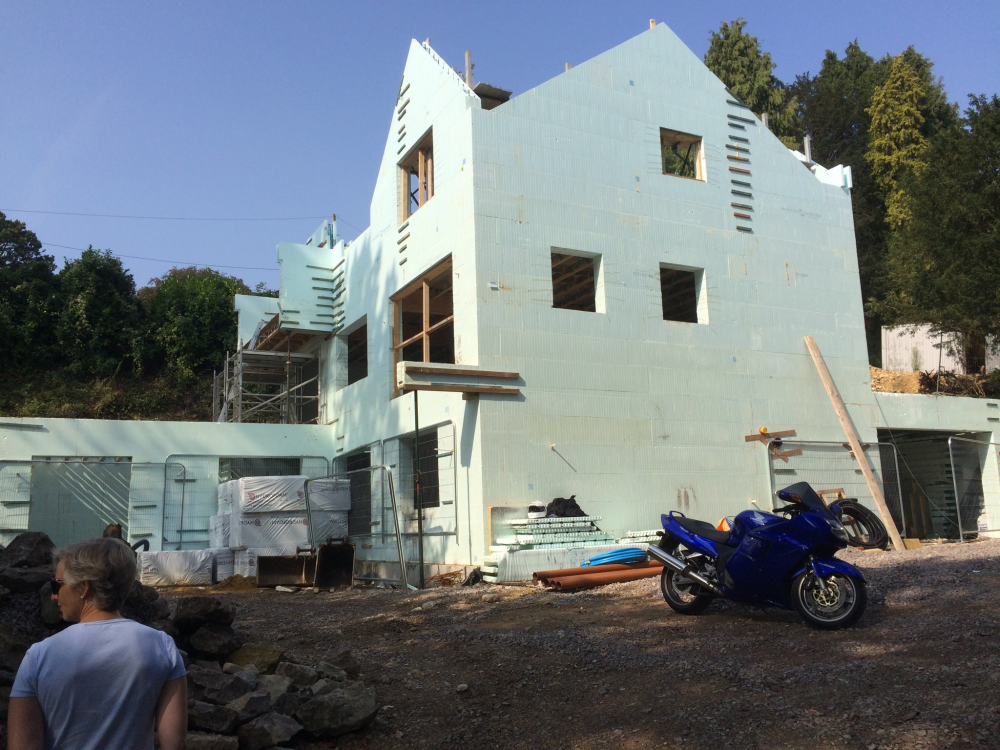
We have built brick and block as well as ICF. We lived in our ICF house for 7 years - when I measured the gas bill it was £365 per year, in other words £1 per day. You start saying it is not worth insulating any more than that. It's a good system and living inside so much thermal mass is beneficial. Our builder had to go on a training course, and with oversight from the supplier all went well.
-
German self-build inspiration - Poing near Munich
RedRhino replied to RedRhino's topic in New House & Self Build Design
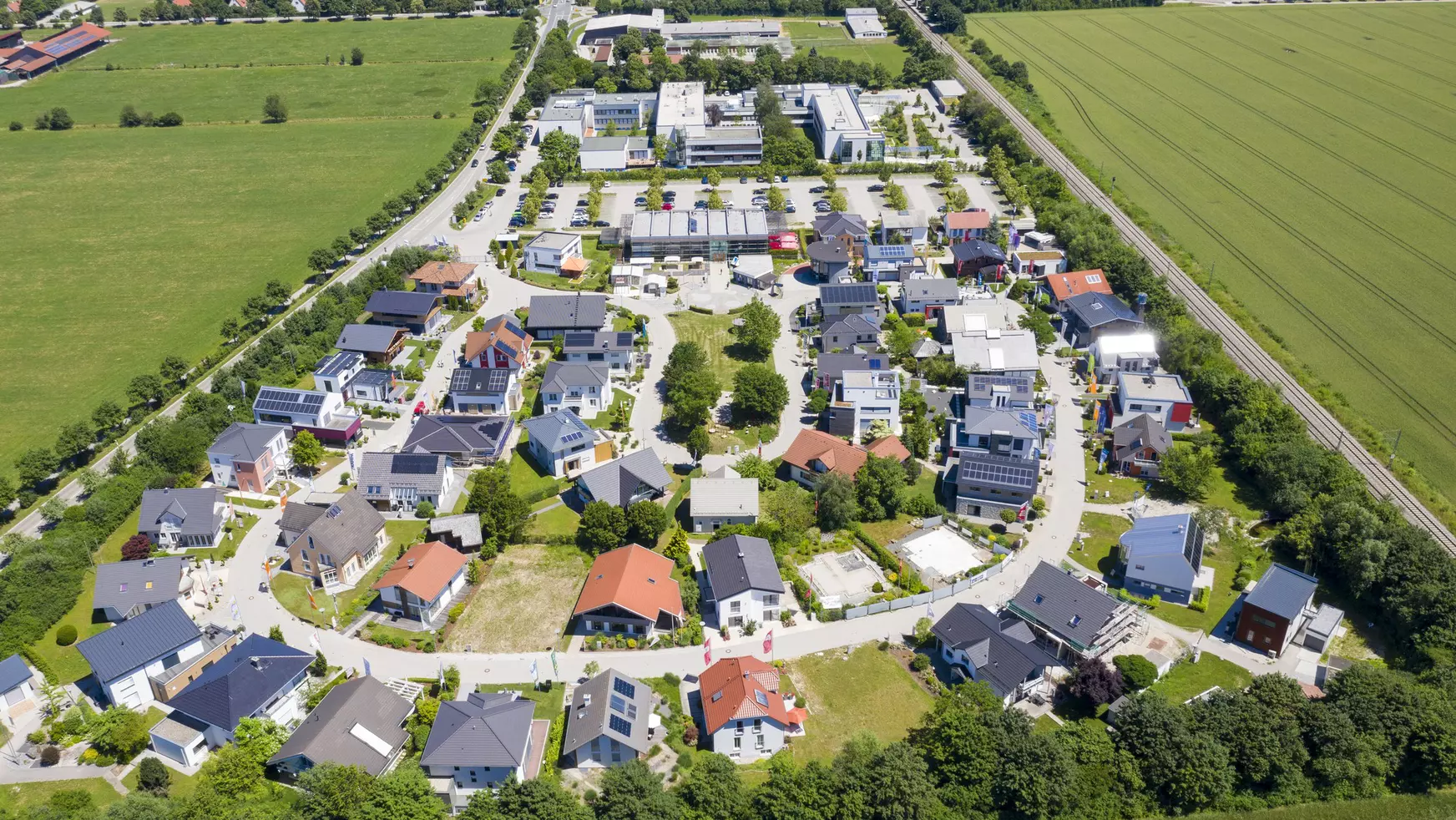
The houses are not owner occupied. Rather, they are built as show homes and typically have a room serving as an office for their sales rep. You can imagine the manufacturers host sales prospects as well as having the house open all site hours for anyone who walks up. -
German self-build inspiration - Poing near Munich
RedRhino replied to RedRhino's topic in New House & Self Build Design
Flats are much more common. But in the context of self build, it seems Bavarian planners want to maintain the look of traditional detached houses. On examination you realize they have two front doors. -
German self-build inspiration - Poing near Munich
RedRhino replied to RedRhino's topic in New House & Self Build Design
Which companies sell into the UK? Dan Wood? Huf haus? Baufritz? Definitely a minority. Also to say, IMHO the German market is ahead of the UK in terms of energy efficiency (no nuclear, no native fossil fuels) and also space utilization. A common model is two dwellings under one roof. No one can afford a whole house. -
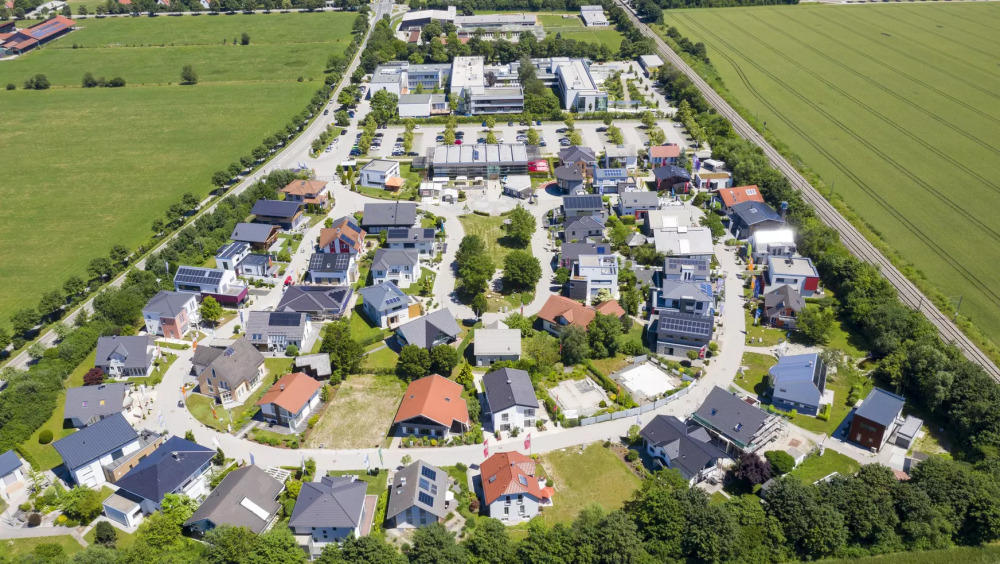
I thought to mention for anyone seeking self-build inspiration this is a great place to visit https://bauzentrum-poing.de/de/ Your browser should be able to translate. I've visited a few times (because I have family living nearby). There are 56 completed houses from different manufacturers. Even if your tastes are very different, there are lots of bits of detail design to give food for thought. Sometimes, it's as useful to agree what you don't like as much as what you do. You can see the houses online but of course so much better to visit in person. Munich airport is close by.
-
I imagine that the vendor would have confirmed your order with the size of the patio door they were installing. That defines the contract - their glazing to match your hole. The patio doors fit the hole and they have fulfilled the contract. IMHO it would take higher level knowledge to think beyond this (e.g. it would be reasonable to expect an architect to anticipate this problem). But I wouldn't be too upset. What's done is done. We all learn through experience.
-
MBC High Performance timber frame energy consumption in November
RedRhino replied to RedRhino's topic in Timber Frame
Haha - good spot! What I meant to say is that all the heated rooms tend to have a common temperature and all the unheated rooms have a common (lower) temperature. I'll investigate the cooling for our model (Valiant Arotherm 5KW) ASHP - thanks -
MBC High Performance timber frame energy consumption in November
RedRhino replied to RedRhino's topic in Timber Frame
Thanks for the comment. I believe the current gov’t ASHP grant is only applicable to heating machines rather than heating / cooling machines. So no, ours doesn’t cool. Our bedroom only has easterly windows to avoid overheating in summer. As mentioned, we have no heating upstairs so the bedrooms are cooler: about 18c. -
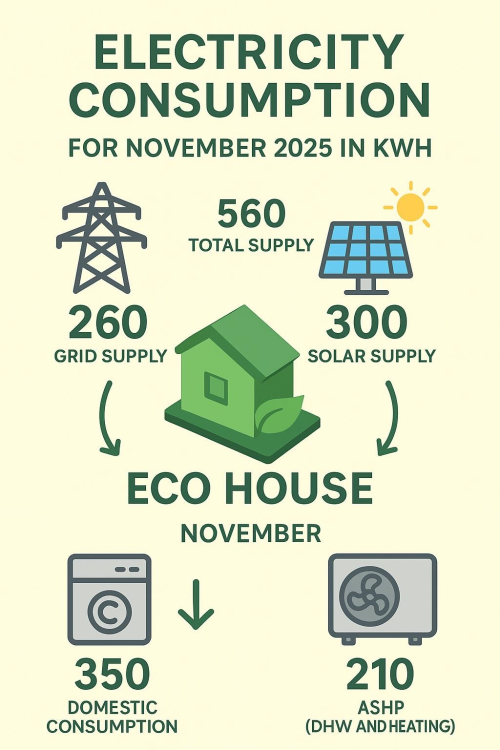
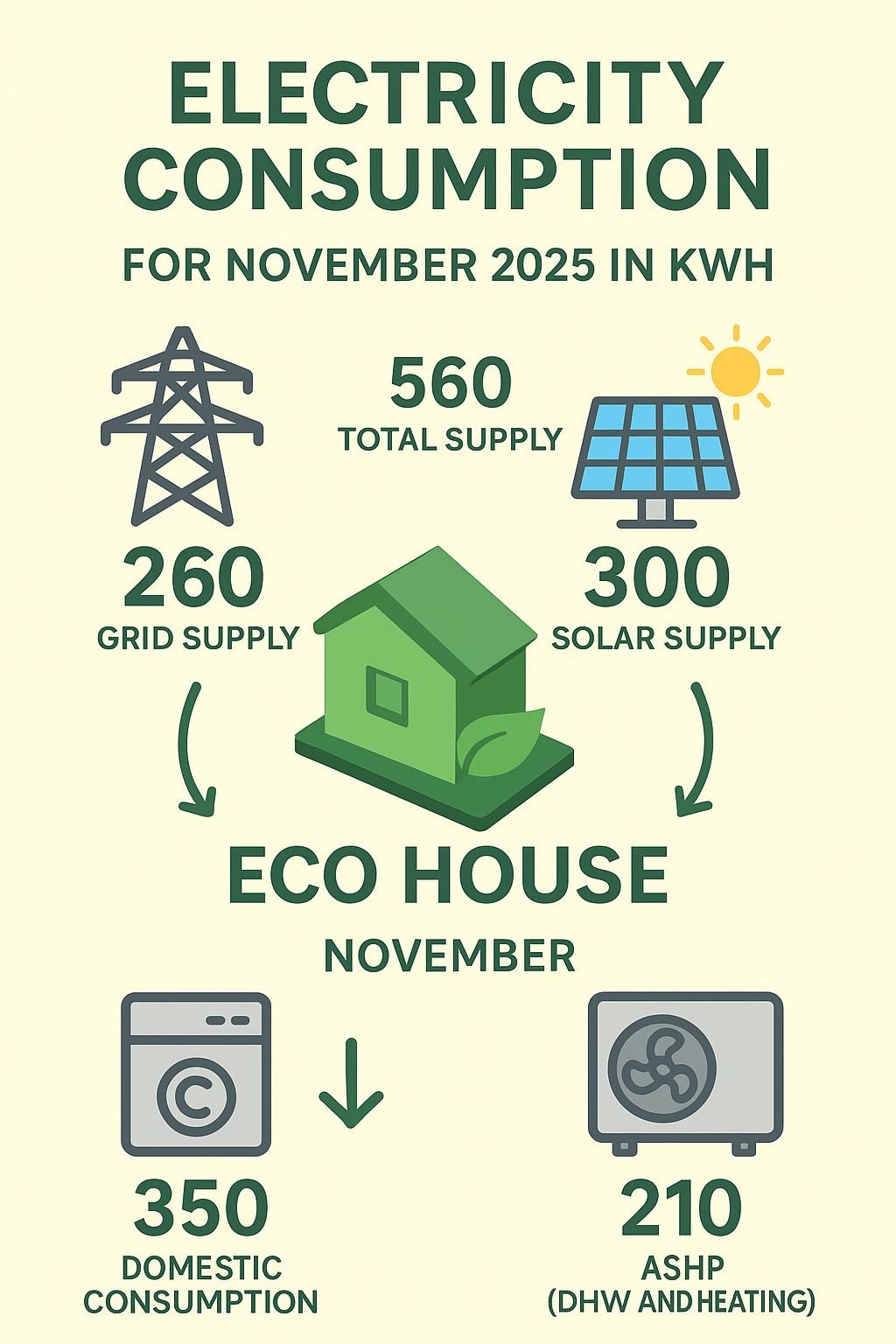
We are entering our first winter in our self-built timber frame house. ChatGPT created a graphic and I thought people might like to see it. With MVHR the good and bad news is that room temperatures tend to equalise; and the rate of cooling is slow so nighttime temps are very similar to daytime temps. On that basis we have just one thermostat on the ground floor which is set to 21c. 220m^2 across three floors. No heating upstairs. Tesla Powerwall 3 to store solar. We only exported about 10kwh in November.