


Snowbeetle
-
Posts
65 -
Joined
-
Last visited
Everything posted by Snowbeetle
-
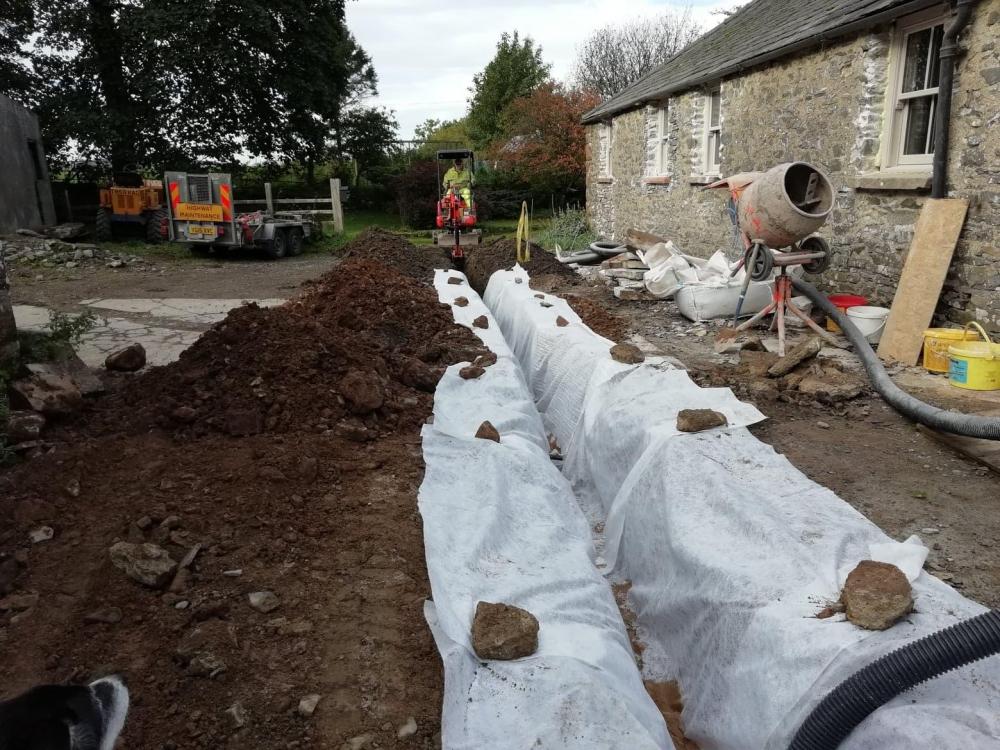
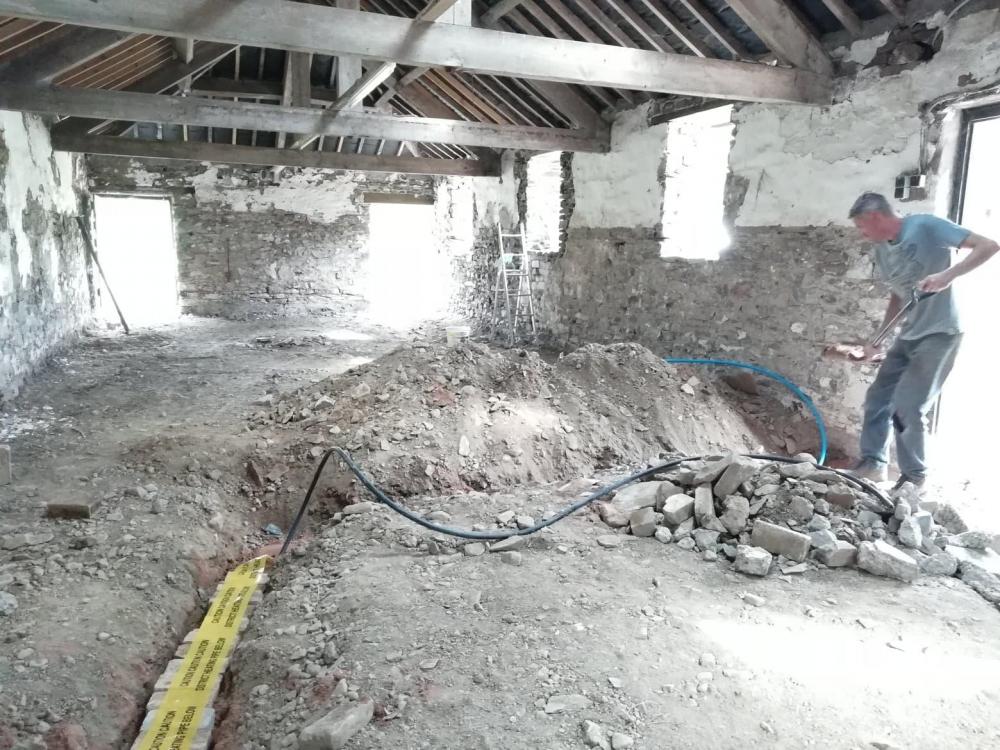
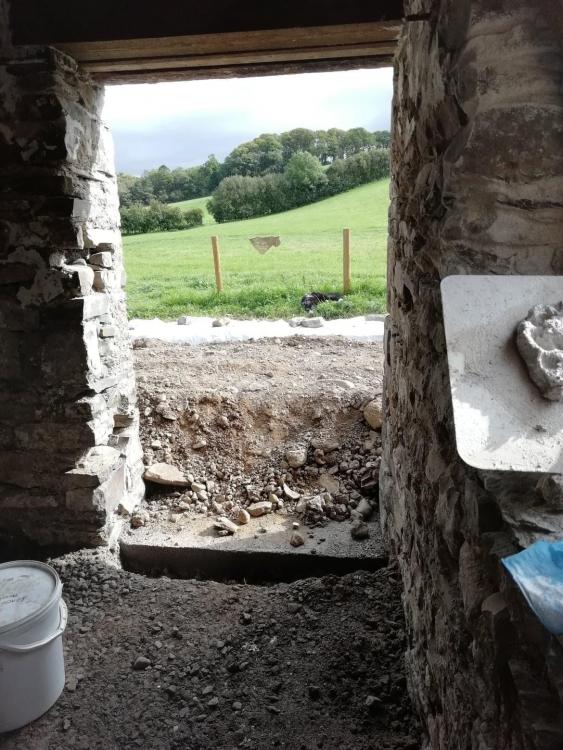
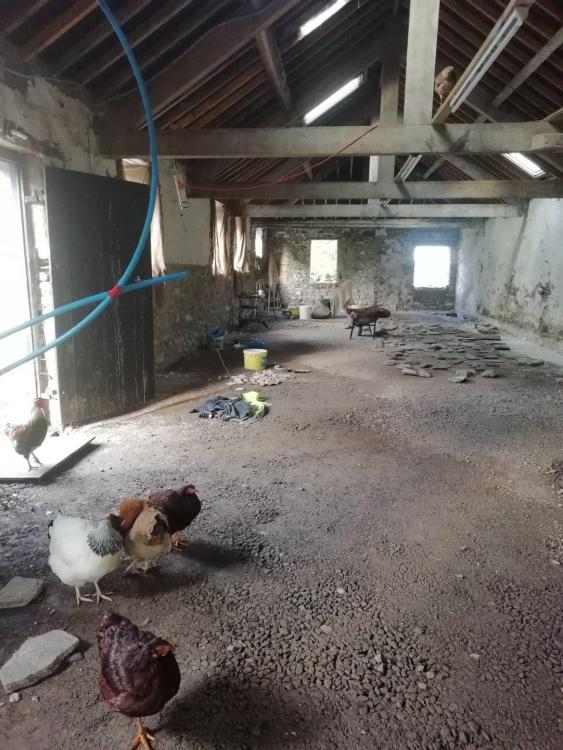
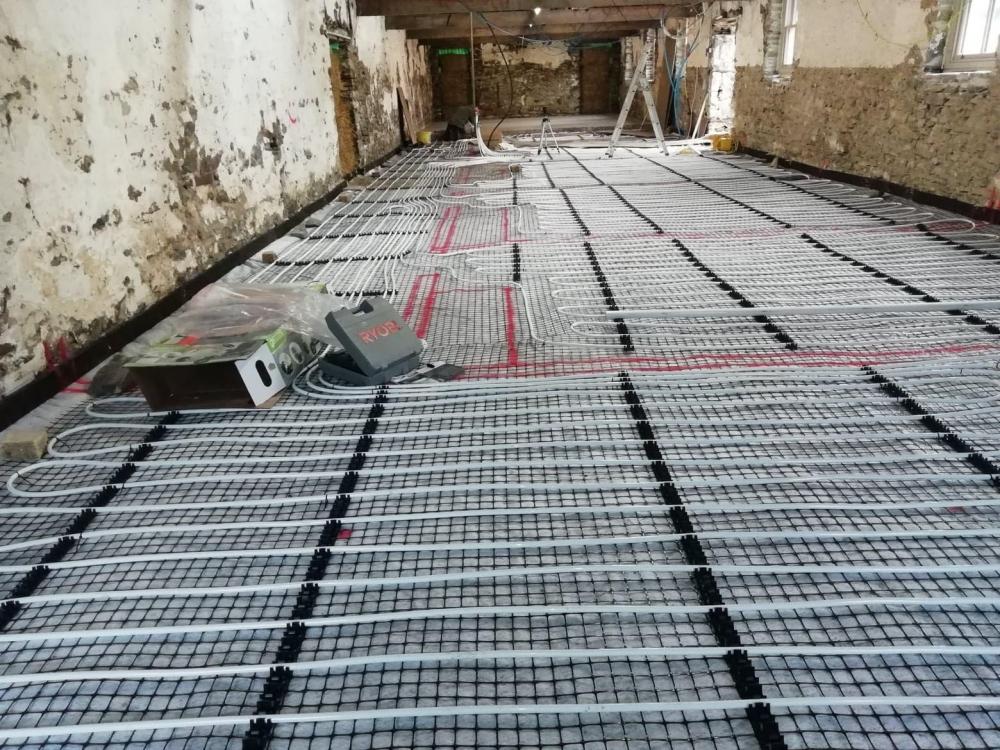
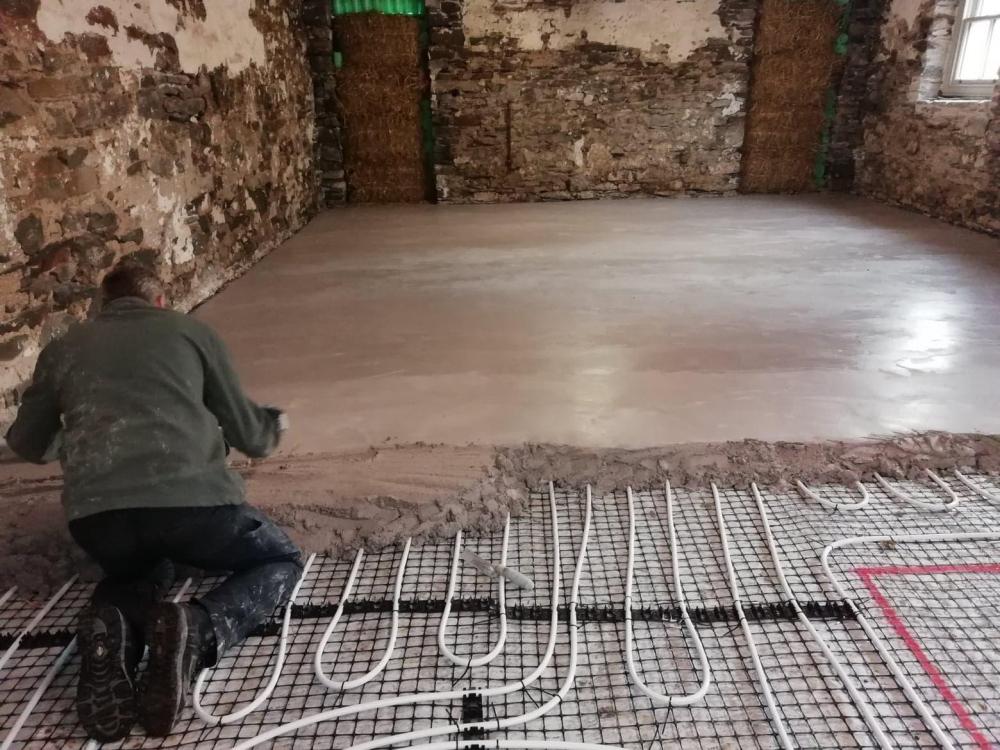
Greetings, Just checking in with a bit of an update. Our four walls and a roof has moved on a bit. We are doing the work ourselves, used only one tradesman (to construct stone wall) and with small two kids to raise, as well as building and various 'interesting' events such as having to replace the roof on our temporary accommodation, I haven't been on here as often as I would have liked. We have: cleared the internal space of animal stalls, rooms and concrete render embedded our water and electricity supply pipes levelled the earth inside the building, put down Geocell foamed glass insulation enveloped in a terram, put in UFH system and lime screeded on top. Lime pointed our window reveals and installed wood framed windows raised the door lintel heights to allow for floor level coming up dug lots of trenches to put in land drain, civil drainage and oil feed pipe scrubbed the roof down ready to spray with woodworm treatment. millions of all the in-between stuff that uses so much time but doesn't make the headlines We did the lime screed ourselves and it has gone fine, it was a big job but we are pleased with the result as no problems with it despite finishing at half an hour to November and lime being temperature sensitive - we were running a risk with that - but the winter has been kind enough. So much has gone on there isn't any point going into technical detail on it all in this post, but I am happy to discuss any aspects anyone might find interesting/relevant to their own project
- 15 replies
-
- 4
-

-
- barn conversion
- breathable
- (and 1 more)
-
Hi PeterW, because it is conversion not new build the regs on U-value I have to meet are not so high (as you no doubt know). I am expecting to get at least 0.29 on the floor (with 150mm insulation) but hopefully better if I can dig deep enough to get a deeper layer of insulation in. Not sure what U-value an exisiting low performing floor would be... I'm a bit new to this.
-
It does, very fair partly because it is very light despite good compression strength so transport costs are lower compared to heavy materials and also it is made from recycled glass so the raw materials are not too high.
-
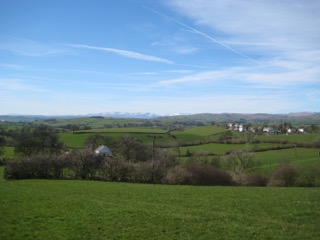
Thanks, I did cheat a bit those views are actually a tiny walk up the hill behind the barn - but hey that's splitting hairs, the view from the windows could be worse for sure - maybe not so panoramic but scenic certainly, and a HUGE difference from our previous home. Funnily enough, you should ask, we did originally do an internet search based cost comparison during the process of costing the project for the mortgage, and concrete came out about 40% cheaper. However, I have got some hard figures today which indicate the difference is far less than that much more on a par. Possibly because the insulation layer material we looked at was different. Which is why I am now leaning much more towards the limecrete, since I'd rather give the breathable materials a proper chance to do their work than half and half it and then not know what to blame if it fails. At the end of the day a building is a dynamic system and while physics tells us how water, heat and air react together, the exact way that plays out in a building depends on so many factors interacting, no-one can say exactly what will happen in your house. So I will just take a belt and braces approach and try to use best technique on everything. .
-
Thanks for the link- some reading for me there. I had a chat with some lime people today (obviously not impartial) but I am leaning towards limecrete floor currently.
-
Hi Simplysimon, if we used lime we would not use a DPM, having an impermeable water barrier rather negates the point of a breathable floor as I understand it (based on reading around, SPAB etc). So instead a glass foam base layer which acts as a capillary break and insulation followed by the lime slab. Would use a DPM with concrete though to help reduce salts uptake which encourages damp. This is based on guidance not direct personal experience. I think you can get away with a concrete floor and lime pointed walls if the prevailing ground and atmosphere conditions mean that the water under the slab seeking to escape is minimal or low enough not to cause a problem. However, we live in Cumbria, where it is wet a lot! So the atmosphere may not lend itself to external evaporation enough. Ultimately only hindsight will tell us for sure whether we've gone down the right road I think, but it seems right to me that waterproof meeting water resistant is a point where problems could well occur.
-
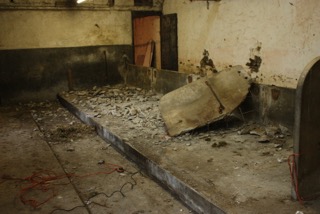
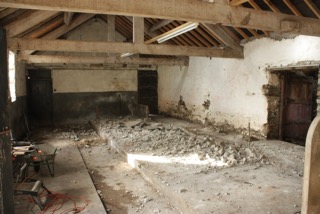
Hello fellow self-builders, We are at the start of our first self-build project. In South Lakes and massively grateful to find ourselves (very unexpected) with this opportunity to create a great place to bring up the kids. So far: We have cleared the site and begun demolition of the unwanted structures such as the animal stalls and partition wall. Installed a waste water treatment unit (currently servicing our on-site temp accommodation) and laid pipes for future connection to house toilets and drains. We are currently wrestling with whether to put in a limecrete floor or ordinary cement floor. Money is a factor. Our risk concern with ordinary cement is the possible rising damp problems it could give us in a lime pointed solid stone wall - but it's cheaper and maybe won't cause those problems. Concerns with the lime floor are the uncertainty of the level of skill required to self-lay it, but it is compatible with a breathable building envelope so preferable if we can afford it and not botch it. Once that decision has been wrangled (any thoughts much appreciated). We will aim to get that installed this summer. I see I am not the only person starting a thread here in barn conversions - nice to have the company Robjones <waves> ttfn
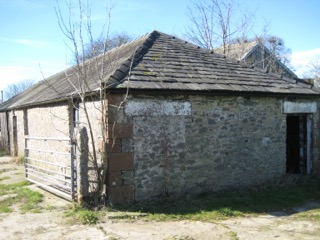
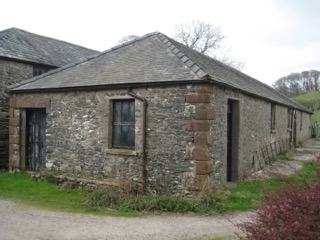
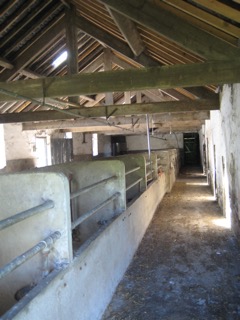
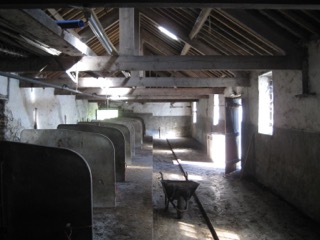
-
Thanks - nice to meet you! I have more pics I will put on asap. A blizzard is whirling outside here so I am online inside - thanks for being my excuse!
-
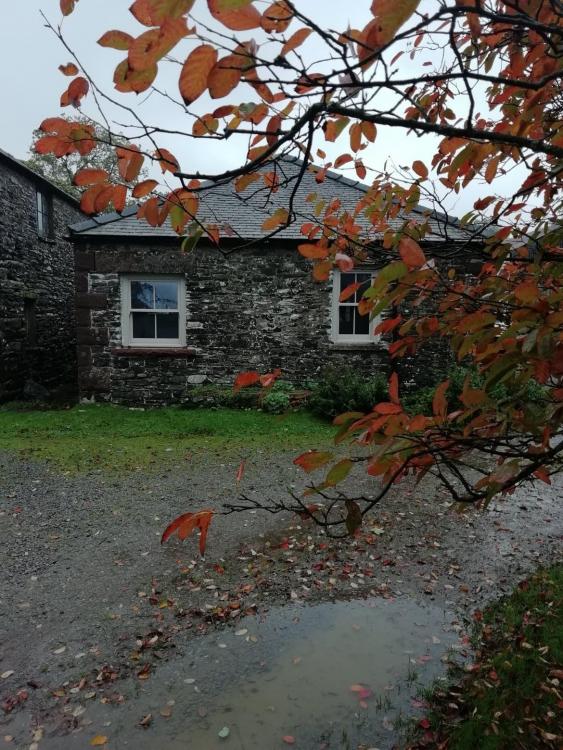
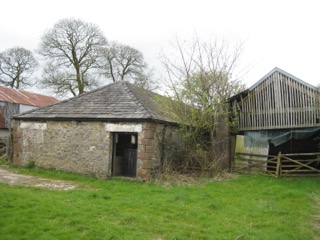
Greetings everyone, Thought I may as well stop lurking and say hello so I can share the adventures, mine and yours. We are living on site of our barn conversion, two kids, a dog and a snake in tow. We are currently in the site prep and demolition-of-unwanted-parts stage and soon to make a start on the floor slab. We are novices and have a silly low budget ( risks high, costs low, off we go) and I am currently trying to research the answer to the million dollar question of where the sweet spot is between best available technique and budget on our floor slab. Part of me feels a little sorry for the barn that it has ended up with us as buyers because someone with more money would be able to make a really stunning home. However, it is our dream home, we've made the leap, and we will do our very best to put all we can into the fabric of the building and skimp on the stuff that can be tackled again in future. I don't have any indoor pics to show at the moment, but the two I've put on show the East and West elevations. The roof is in good shape having been done only 20 years ago. The walls are pretty good too, not being in a state of collapse at least. ;D On closer inspection there are some woodworm-ey lintels to sort out and a a big re-pointing job awaits. We are currently debating back and forth over a limecrete floor or trad concrete - I have been disappearing down various rabbit holes of opposing opinion and am hoping to invite some on here on the basis that it is an interesting discussion, and lots of the online information I find seems to be more relevant to different circumstances. We are doing breathable walls and roof, lime pointing, cork/wool insulation, woodwool board etc and were all set to go down the limecrete floor slab when a self-builder I respect suggested that a standard concrete floor may not in fact cause the rising damp in the walls as we feared/expected so we ought not to rule it out. Food for thought. His point was that if you create a trench around the building to get local surface run-off to flow away from it, thus keeping immediate ground water down, the sheer weight of the slab will keep the ground water level too low to cause a problem in the walls... We are learning as we go, so I will be very cautious about offering 'advice' to anyone, but, happy to encourage and willing to share my tales in the hope it will be useful to someone out there. We have leaped a good few hurdles to have got this far, so I am gradually shedding my utterly-clueless skin and am happy to have found you guys.
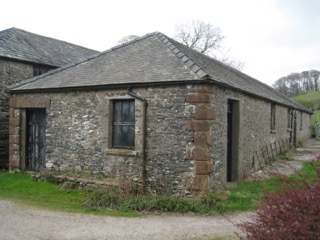
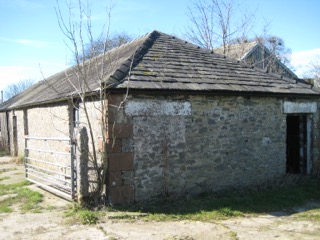
-
Hi Rob, I have also been lurking and am currently doing a mostly self-done barn conversion in Cumbria. I may well be following your project and questions with interest.


