low_and_there
-
Posts
81 -
Joined
-
Last visited
Everything posted by low_and_there
-
We’ve got a lovely original glazed timber door we’d like to improve the thermal efficiency of. I’ve got an idea on insulating it but keen to hear any thoughts/concerns or suggestions: 1) Add a double glazed layer behind the glazing on the inside of the door - sealing as much as poss to reduce risk of interstitial condensation 2) Adding 10mm of Aerogel to the rest of the door, framed around with a timber edging, applying a top layer of 3mm ply (adding beading to mimic the original appearance on the interior) overall increasing the thickness of the door from 44mm to 57mm (will need to adjust door frame too!). I haven’t found any examples of using Aerogel on a timber door so wondering if there may be issues I’m oblivious to. thanks in advance
-
Yes, that’s precisely it. How can the risk of rot and decay be mitigated or avoided entirely in a retrofit context like this? Someone must have solved this…
-
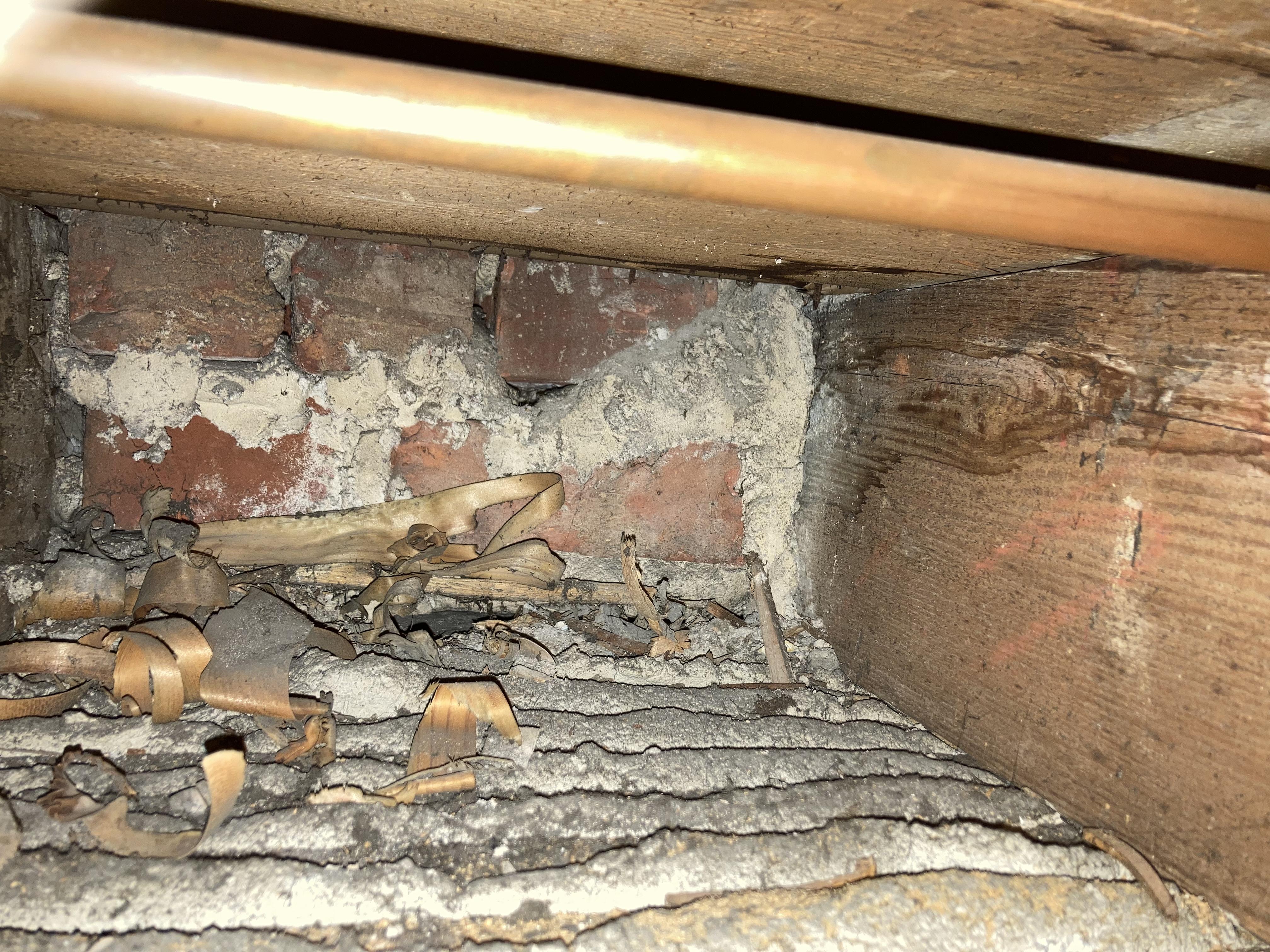
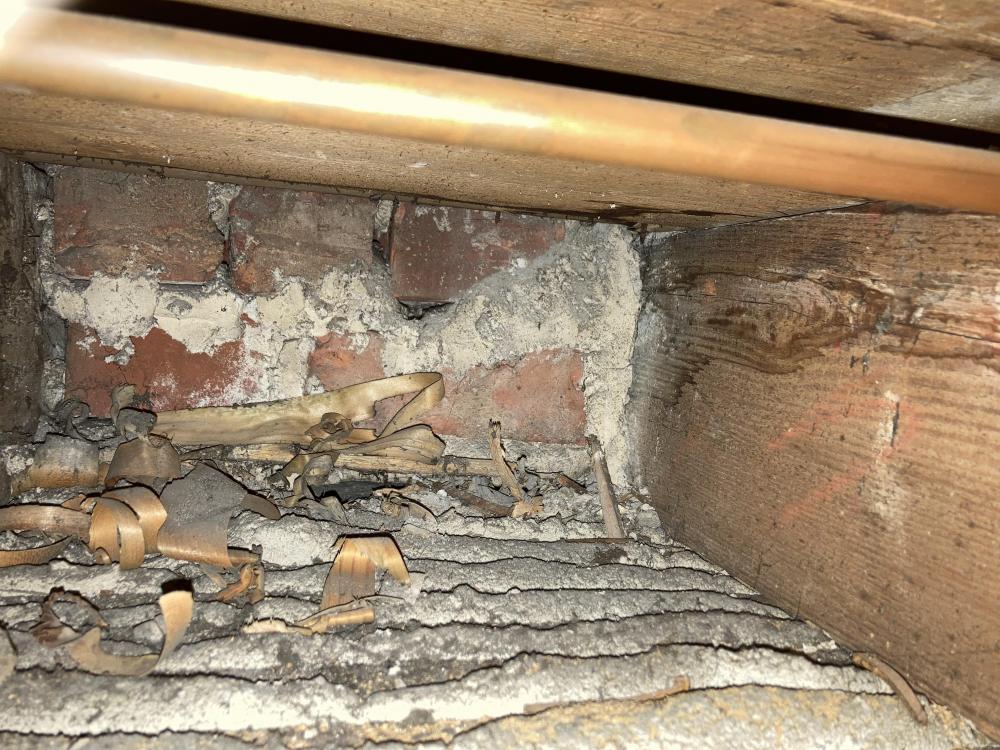
Hi @markc, it's a whole house retrofit we're doing. The ground floor airtight layer is starting above the Joists so nothing to solve there; the connection between the GF and the FF is what I'm looking at in this thread, and my question is how to make it airtight when the Joists are already placed on the masonry (bricks) and can't be easily moved to put the airtight membrane between them...
-
Looking for wisdom from this forum on how to maintain an uninterrupted airtight layer between the ground floor and the first floor in our retrofit (solid brick mid terrace). The joists run front to back and on the front we have to do IWI (On the rear we’ll be doing EWI so my assumption is that we have a thermal bridge issue to solve on the front; but the rear won’t be such a challenge). I have seen a few different solutions proposed for this: i) rehang joists on joist hangers ii) create a new wall plate on which to rest the joists iii) support from below, leaving a complete gap between floor and wall iv) employ the “Tony tray” method Options (ii) and (iii) aren’t really suitable for our small footprint, bay window shape and structure. I don’t much fancy option (i) with a brick wall… so am extremely interested in the Tony tray option but haven’t been able to find an example of how to use it in a retrofit… is it possible? Can the airtight (breathable) membrane be wrapped around a joist in situ? And if so how…? Any pointers to diagrams, photos or videos extra appreciated! I can accept maybe not being able to achieve an airtight layer in it’s entirety, but what worries me is leaving the end of the joist getting damp in the brick area, which is beyond the insulation and airtight layer. I plan to use only natural breathable insulation, tho, so maybe my concern is unwarranted? thoughts extremely welcome!
-
Death of MHRV unit
low_and_there replied to DaveAndAnnaUK's topic in Mechanical Ventilation with Heat Recovery (MVHR)
Thanks @DaveAndAnnaUK for sharing this story so the lessons can be taken on board. I had been told by a friend that has MVHR that the units are designed to be constantly in operation, which I agree seems like a bit of a design fail - perhaps an improvement in future could be made, to allow for times when a place is vacant. Although I’ve just been told the same about gas combi boilers! The combi in our house, which we’ve just got the keys to after a drawn out conveyance where the place has been empty for around six months, is not working and I’ve been warned it may never work again (we only needed it to work for a few months until the heat pump is installed). In terms of getting visibility inside the ducts, I have seen very inexpensive keyhole camera gadgets online that can be plugged into a smart phone, so perhaps an option if you want to inspect inaccessible ducting. In terms of mould, I’ve been a lifetime user of and believer in white vinegar for cleaning it off, and whilst you obviously need to protect your nose and mouth when disturbing mould, it’s usually very easy to get off (where it is accessible at least!). I’ve seen friends buy expensive mould paint to paint over mould in rooms, when a few minutes with a white vinegar/hot water mix does a better and healthier job. best of luck sorting the issue out -
Retrofit solid brick mid terrace near south coast
low_and_there posted a topic in Introduce Yourself
Hi all, new to the forum. We’ve just completed on our new home which needs a complete renovation. Keen to try to incorporate Passive House principles, but also thinking about the total embodied carbon in the materials used. I’ve had a look at the EnerPHit standard and would like to aim for that, over the coming decade. Initial wish list of things is: Chimney breast removal, to make air tightness more achievable Insulation (natural materials, as it’s a solid brick building) - inside on the front and EWI on the back (if possible) Heat Pump, with UFH throughout MVHR I’ve done the odd bit of small scale diy and redecoration in the past, and managed a few kitchen renovations and wall knockouts but nothing on this scale before. Our budget necessitates diy for some of it but I also know my limitations! I’ve been a project manager for 15 years tho, so I know how to plan and managed work packages, which will hopefully help me here. As this is going to be a gradual retrofit, one of the things I’ve already been thinking about is the challenges of planning for things in the future, without knowing exactly what that will look like. We want to do a loft extension in a few years (if we can afford it!) so I want to make sure that the airtightness layer we put in can be joined up to that later without too much rework. More importantly we need space for all the Heat Pump and MVHR plant equipment, and I’d like to think we could do solar and get a battery when we do the loft too, so we need to have space for that but not loose too much of the loft to compromise the future extension… ok, thats probably more than enough for a first post from me. Cheers