thefoxesmaltings
-
Posts
183 -
Joined
-
Last visited
-
Days Won
1
Everything posted by thefoxesmaltings
-
We're featuring on Grand Designs next week 🎥
thefoxesmaltings replied to thefoxesmaltings's topic in Property TV Programmes
Thanks for the kind words. Materials always seem to be divisive. Cor-ten, for example. We've had people call it 'scrap metal', and others love it. At the end of the day we've built it with materials that bring us joy, and don't worry too much about what others think. After all, we're the ones who have to look at it every day! That's the best advice we could give. -
We're featuring on Grand Designs next week 🎥
thefoxesmaltings replied to thefoxesmaltings's topic in Property TV Programmes
Ha! This made me laugh. No experience of building or construction or background in architecture I'm afraid. First timers in all regards. -
We're featuring on Grand Designs next week 🎥
thefoxesmaltings replied to thefoxesmaltings's topic in Property TV Programmes
Ha. I can neither confirm or deny any of the above bullet points. You'll have to tune in to the episode to find out... It's public knowledge that the production crew don't compensate us for being on the show. The only thing that's covered is reimbursement of a few basic expenses, if there is any travel required. As to your question on how some houses run out of money, it's barely habitable, and then it's all perfect at the end? I genuinely don't know. -
We're featuring on Grand Designs next week 🎥
thefoxesmaltings replied to thefoxesmaltings's topic in Property TV Programmes
"Hollywood smiles" 😂 - first time we've heard that. Thanks, I guess. You'll have to tune in next week to find out... -
We're featuring on Grand Designs next week 🎥
thefoxesmaltings replied to thefoxesmaltings's topic in Property TV Programmes
No gossip about Kev I'm afraid. Apart from that he is such a genuine, and lovely chap. If you're looking at photos of the stairs on the Instagram, they are probably unfinished ones, but once completed, were signed off no probs. -
We're featuring on Grand Designs next week 🎥
thefoxesmaltings replied to thefoxesmaltings's topic in Property TV Programmes
To be fair, we mentioned that build forums were extremely helpful for advice. Whether that makes the cut or not, is another question. -
We've had to keep this a big secret. About 2 years ago, we were approached by Channel 4, asking us if we wanted to feature on Grand Designs. Like many of us on here, having watched the show a lot, and seeing how they typically go, we immediately said 'no' 😂 . After a fair bit of discussion, we came round to the idea, as we thought it would be a nice professionally produced story of our self-build, and so here we are. You can catch our full story and how it all went, on Wednesday 2nd October, Channel 4, 9pm. And for a sneak peak, you can see what we've been building on our Instagram: @thefoxesmaltings

-
Ah got you. It's a bit too late for that now unfortunately. Are there any other solutions?
-
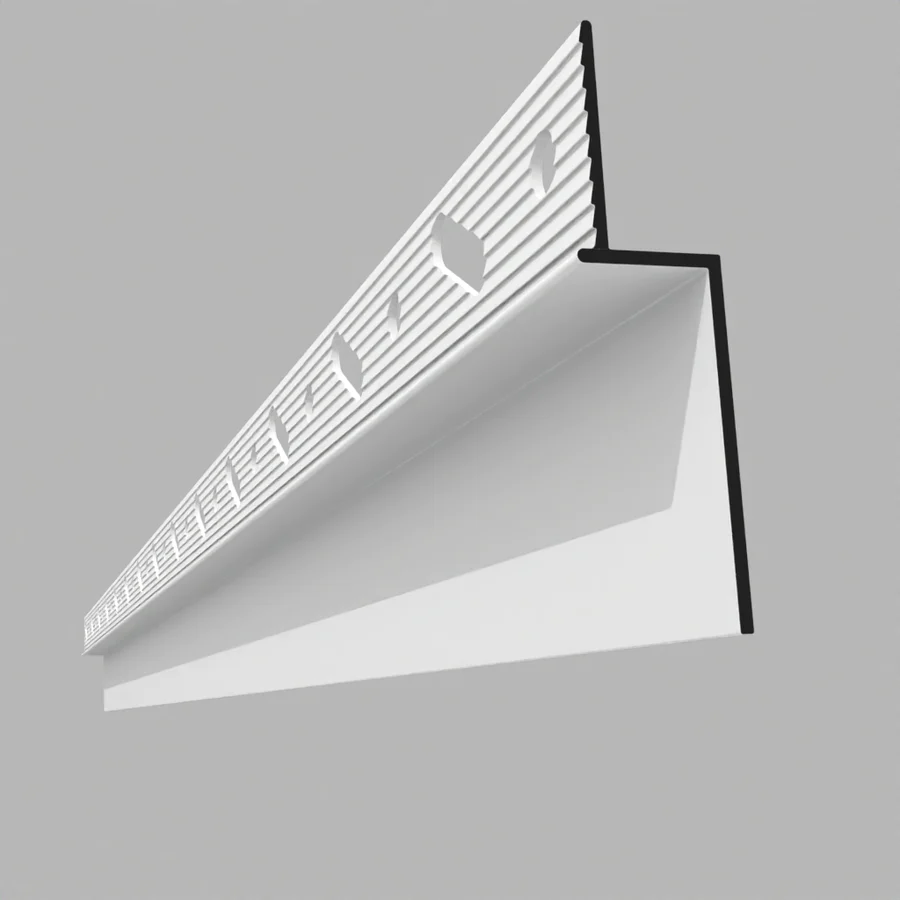
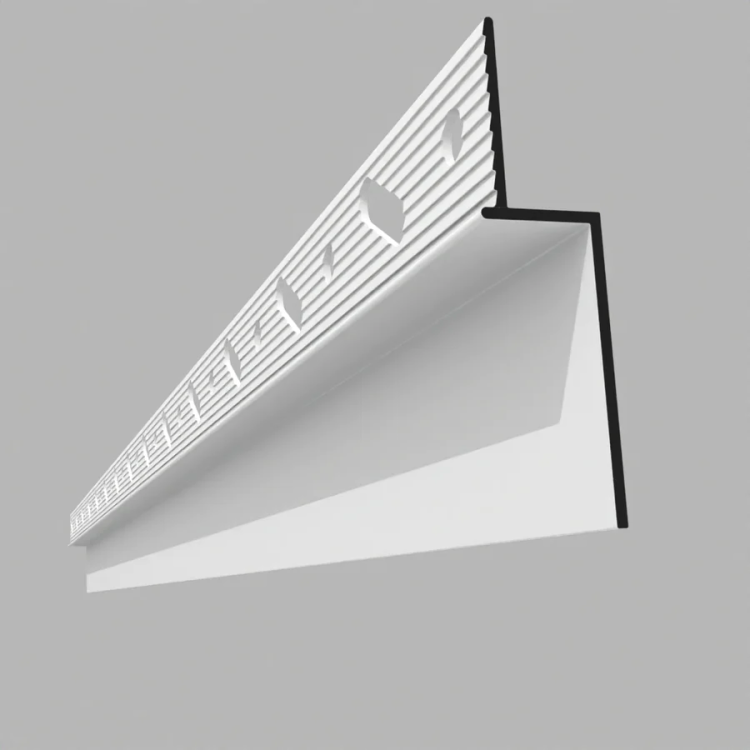
We are laying an engineered wood floor in conjunction with a shadow gap trim. The shadow gap trim screws directly onto the plasterboard, lips back in and then down to form the detail. I understand that a expansion gap is needed around the entire perimeter of the engineered wood floor at approx 10mm. How would this typically work with a shadow gap detail like this? We have no skirting board to cover the expansion gap and the shadow gap trim is only a few mm thick. Certainly not 10mm, so if leave a 10mm expansion gap, we'd see a gap and raw edge of the engineered wood panel? Any advice or guidance on how to go about making this work? Shadow Gap Trim:
-
There's no potential for it to be any other water apart from ground or rain water as the mains water is off. i.e. eliminating the chance that it is a leak. The whole site has puddles around it. It's almost as if the water is seeping in, but can't get out. We haven't got any drainage in yet I should add, that's going to happen in a few weeks.
-
Pumped the water out and it hasn't risen again overnight. There is a ditch/watercourse which we are going to be discharging the surface water (attenuated) and foul water to. We are actually installing a pond, funnily enough. Are you suggesting to run the perforated pipes to act as the land drain to the pond instead of the ditch/watercourse? Our architect and structural engineer have come back also advising the perforated pipes and land drains
-
Yes it is.
-
Floor level is higher than ground level, so a combination of heavy rainfall and forcing it's way out of the ground. We don't have surface water drainage in yet.
-
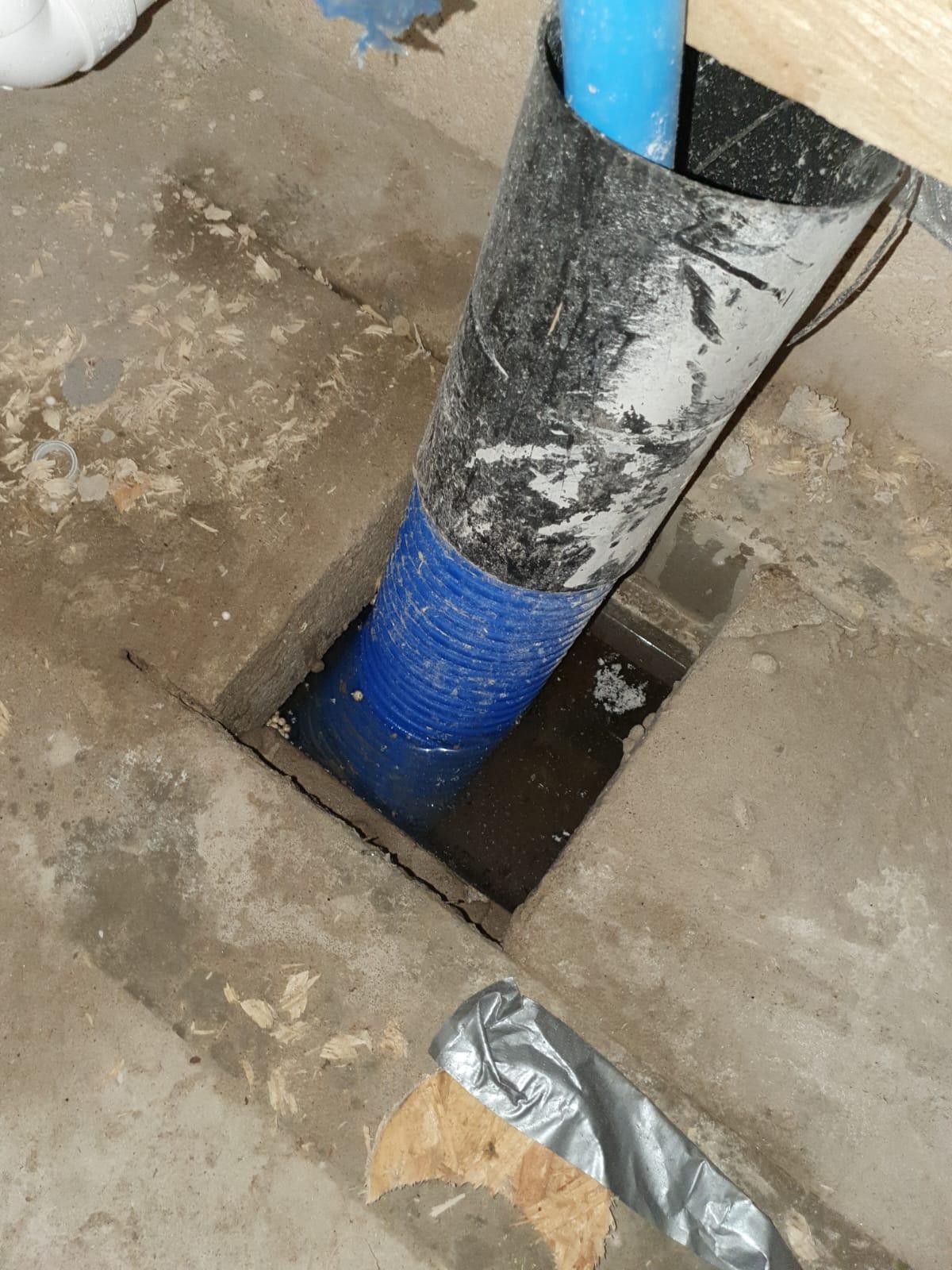
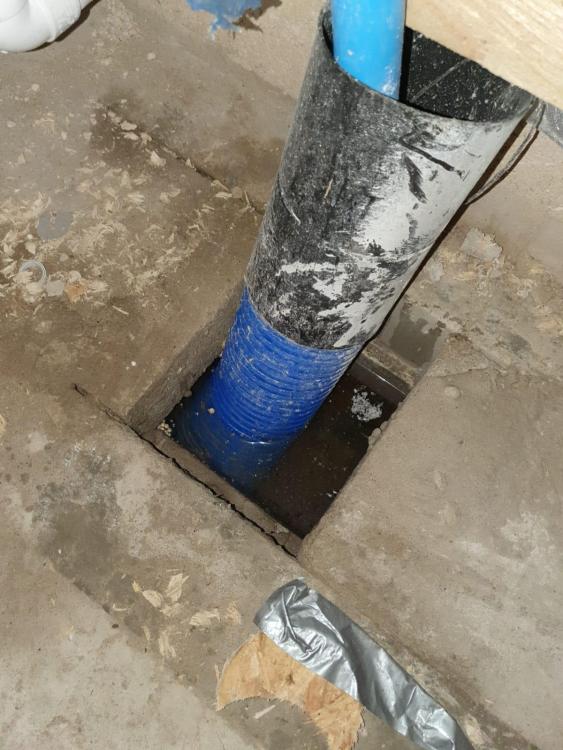
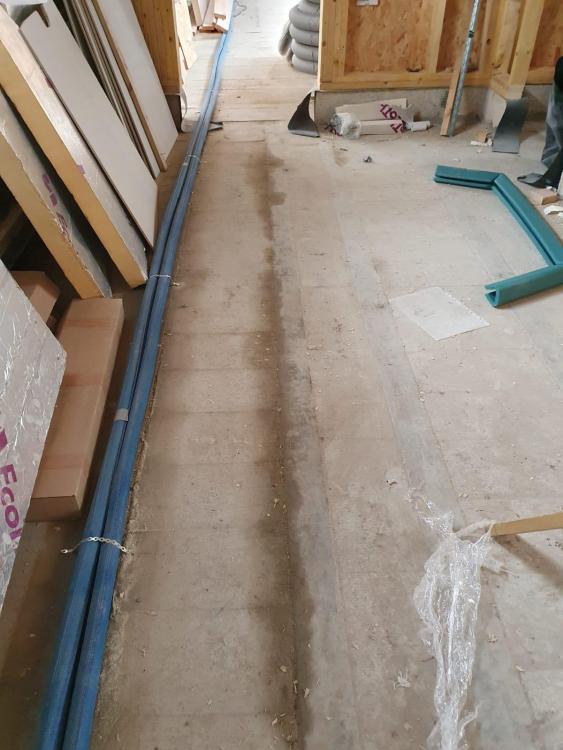
We had a lot of rain recently. Something like 1 months worth in a weekend and it looks like it's filled the sub floor void. We have a high water table area and the soil is firm clay, so of course that doesn't help. The beams are almost completely submerged and the damp is coming through now. In the outbuilding footings, the water is right up to block level which are wet through. We have telescopic vents spaced to building regs and min 150mm gap to the soil. Of course the DPM isn't down yet, and won't be for a couple of weeks. Is this okay to leave as is? I'm concerned if we get more rain, it's going to flood and come right through. Should I knock out a block and pump the water out?
-
If you're curious we managed to solve it. The issue (for us at least) was caused by using cuts of slates there instead of full ones. That's why they were lifting when the PV panels were placed down. Solved it by taking the lead flashing off, stripping the bottom row of slates and refitting full ones. Was only 40 slates and took less than an hour, but all sorted now and the panels and trays site nicely. Appreciate the prompt reply! Glad you're enjoying our Instagram updates.
-
Mechanical fixings. Black Torque screws. Wasn't worth the gamble relying on tape/adhesives.
-
We're having this same issue. How did you solve it @Thorfun?
-
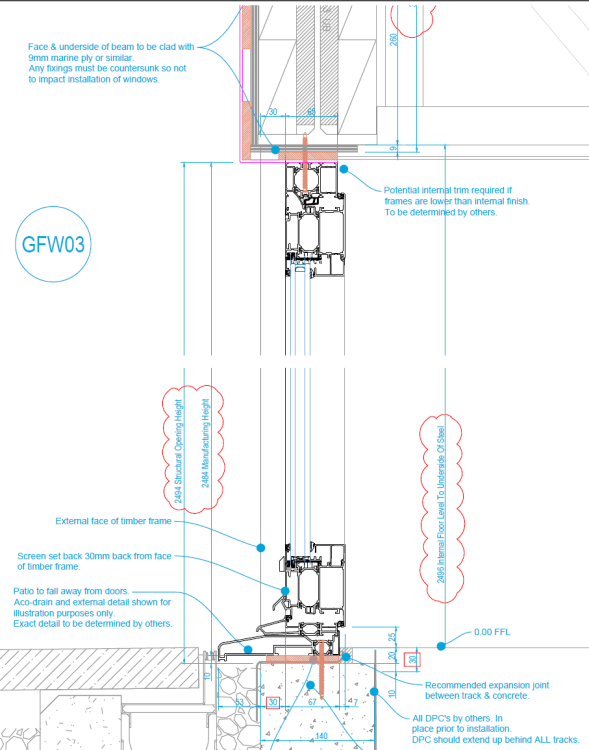
We have a structural steel beam which sits in-between a aluminium ground floor screen and a aluminium first floor screen. From the exterior we are aiming to clad this steel beam with a aluminium flashing to create a seamless 'frame' in-between the ground floor and first floor screens. Otherwise we'd see a exposed steel beam there. Glazing company has stated: We would normally ask/recommend that any steel is first clad with a minimum 15mm marine plywood, prior to the flashing. This helps prevent a cold bridge and provides a good foundation to fix and bond to. We can clad this junction as it is but wanted to ask for input. My concern is, that by cladding this steel beam with ply, they are then stating that a ‘potential trim’ is needed inside, as the frame finish could be lower than where the plasterboard will meet at the ceiling. I’d rather the glazed frame be sitting flush, or completely within tolerance so that any plasterboard or floor covering can come up to it and achieve a nice detail. Are there any issues not cladding the steel beam with marine ply? Sectional detail produced by Glazing company below.
-
Good point on the moveable tower, guessing you kept this for the other trades (plastering etc.)? Will of course check with the TF Co.
-
I have asked them, but they're "not sure and are checking on what's exactly required". No they're not installing the rooflights, our glazing company will be doing that. I thought I could get some answers over the weekend and come back to them with a bit of knowledge.
-
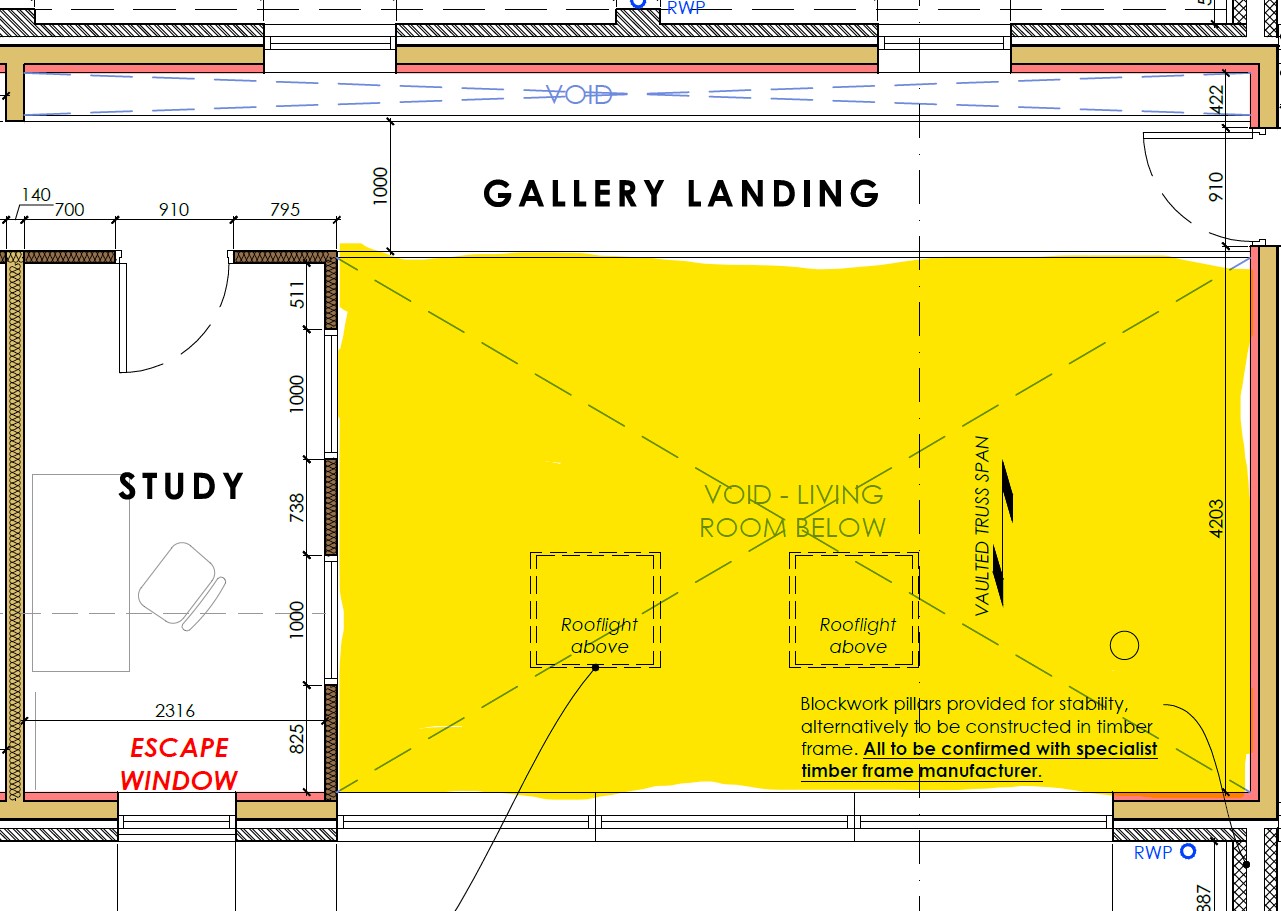
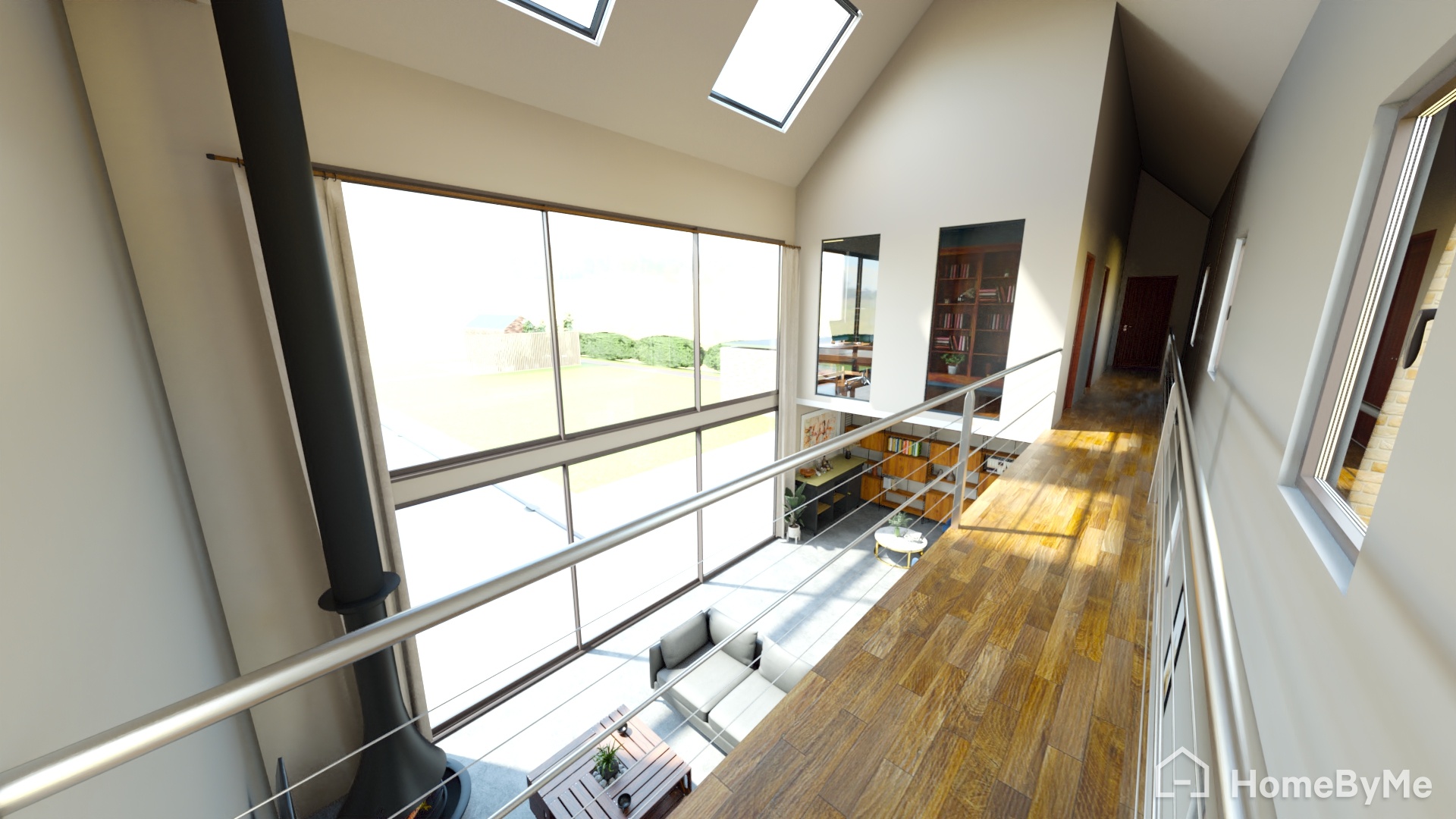
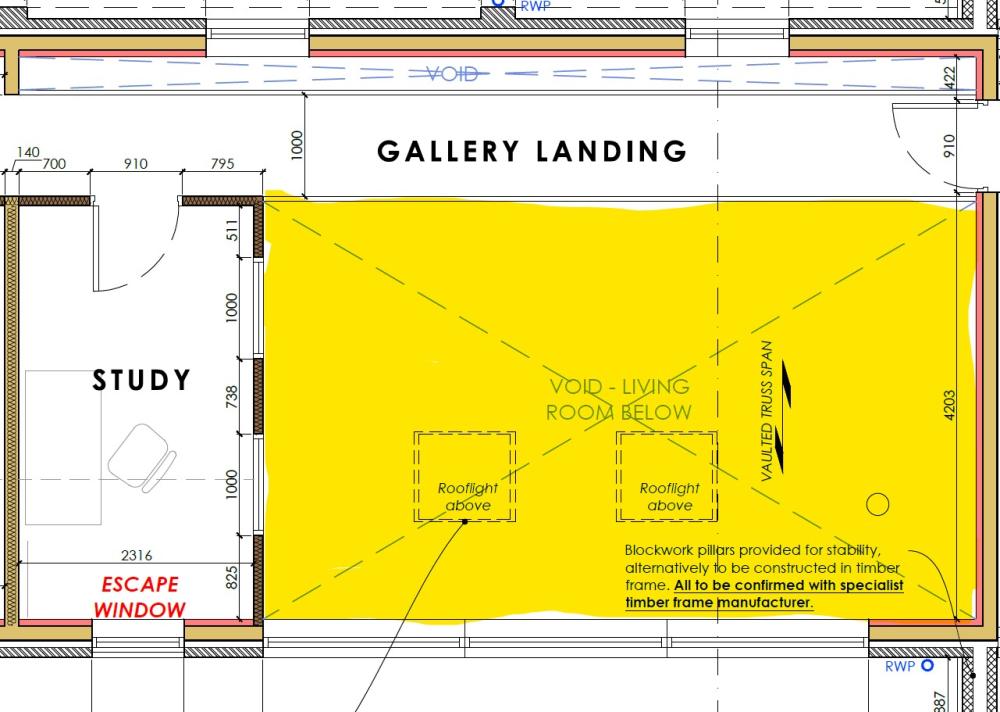
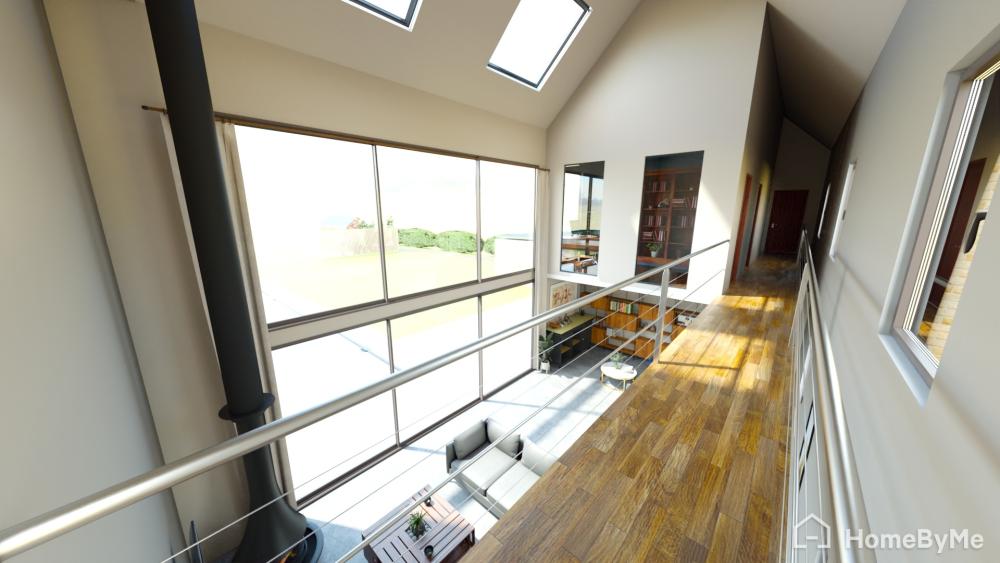
Our Timber Frame company has asked for a birdcage scaffold in the internal double height area of our living room, to be used during erection. I've heard of scaffolding being used internally for decorating, plastering etc, but not for the erection of a timber frame. Has anyone got experience here? Will be a semi-open panel system, pre-fabricated in factory and craned/put together on-site. 3D render of space for context and highlighted yellow on floorplan.
-
Does Ofgem pay the £5k to the installer and then they pay it to you, or is it just settled with Ofgem and the installer?
-
Anyone got experience of successfully applying for the £5k goverment grant under the Boiler Upgrade Scheme, for a self-build, through their installer? Have you been able to secure the voucher in advance of the installation? I've been told from my installer that: "The Ofgem submission can only be applied for once the installation is complete." However, the official Ofgem guidance states that the voucher can be applied for in advance, on behalf of the property owner by the installer. Once the voucher is issued, 3 months are given to allow for the completion of the installation. (6 months for a GSHP). Conflicting messaging, so I'm curious as to how people have approached this...
-
For some reason the datasheet on Daikin's website didn't have that information in the datasheet. Great find @PhilT - thank you.
-
As in you don't think it can run at variable speeds? i.e. It can only run at full power "On", and "Off"