Ewan
-
Posts
57 -
Joined
-
Last visited
Everything posted by Ewan
-
I think that's what the installers aiming to do, I'm just concerned about cycling as we have a big amount of area for UFH compared to our heat loss, and also our ventilation heat loss is the biggest unknown variable. Could be very good or just pretty good.. giving 1kW plus on our heat demand, so if we design to the less good values we may end up with oversized UFH, is that a problem for systems with no buffer? Perhaps I'm better not jumping the gun with barely half an idea and see what our installer comes up with. These look useful, especially the UFH one. Thanks!
-
Thanks all, lots of helpful input there! I think this will come down to buffer and -10 headroom (plus better DHW reheat power) with 5kW or no buffer 3kW and less headroom (& slower DHW), we don't have a lot of space next to the UVC (210 or 250l) for a buffer that could be 75l plus (is that about right?). Heat Punk (.co.uk) is saying our UFH rooms need 29w/m2 at -2.2º (Manchester), I can't find any UFH tables that include 35º flow, but at 40º 150mm centre I've seen suggested 55w/m2, so 35º could be ~45w/m2.. Should be fine modulated down a bit for -2.2 and cope with -10, I think, but I'm concerned it will end up cycling too much at higher outside temps. I guess the buffer addresses this, but having watched the Heat Geek vids they sound like something you should avoid unless you really need one (plus we don't have much space), and our installer (who's not done the calcs yet, admittedly)'s first thought was we wouldn't need one, just a volumiser. I don't have all the tools to understand this, Vaillant 5kW can go below 35ºC flow I assume, but what's the lowest it'll do before cycling kicks in? 1/3rd of it's rated output power I've read, but what's that in ºC flow? How big a buffer might we need? 75l? Things are pretty tight in our utility.
-
We're undertaking a fairly thorough home retrofit on our 1920s 155m2 detached brick narrow cavity house: Whole house floor out, replaced with insulated concrete 200mm EPS New windows & doors all round, u = 1 Air tightness work on all penetrations, joists, window installs, loft space, eaves & slab EWI 150mm EPS Attic insulation 400mm fibre MVHR so it should be reasonably high performance. I've used a few heat loss calcs can we get 3500w - 4200w (23-27 w/m2) for 20 degrees all round at -2.2, depending on how optimistic I am with the infiltration values. It looks like a Vailant 5kW unit for us (family of 4). BPC & Robbens have specced an UFH system that puts out about 4kw at 45ºc over a 78m2 heating area downstairs with 150mm pipe centres. Now we'll be aiming to run it lower, 35º or less , but I'm a bit concerned our UFH is too much for the heat loss to the building and the ASHP will cycle a lot, or we'll be too hot! Then I see most people saying get as much emitter power in there as you can, am I being overcautious and is this level of potential power good for the cold snaps?
-
I’ve read all the posts here but not really sure if there’s now any ecodans to avoid. The 5/8kw ones? would anyone be kind enough to summarise?
-
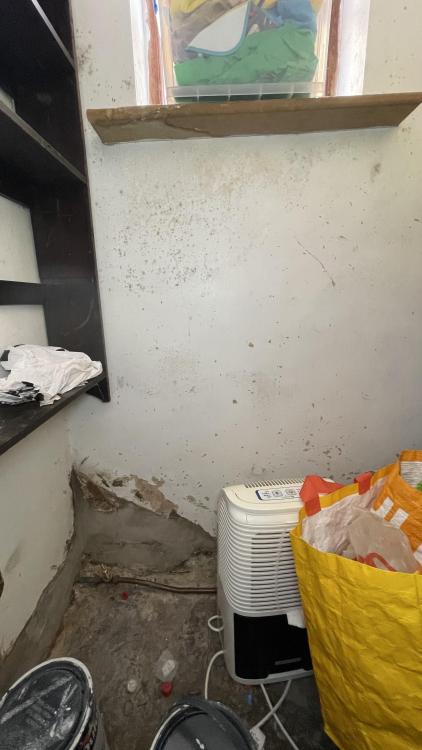
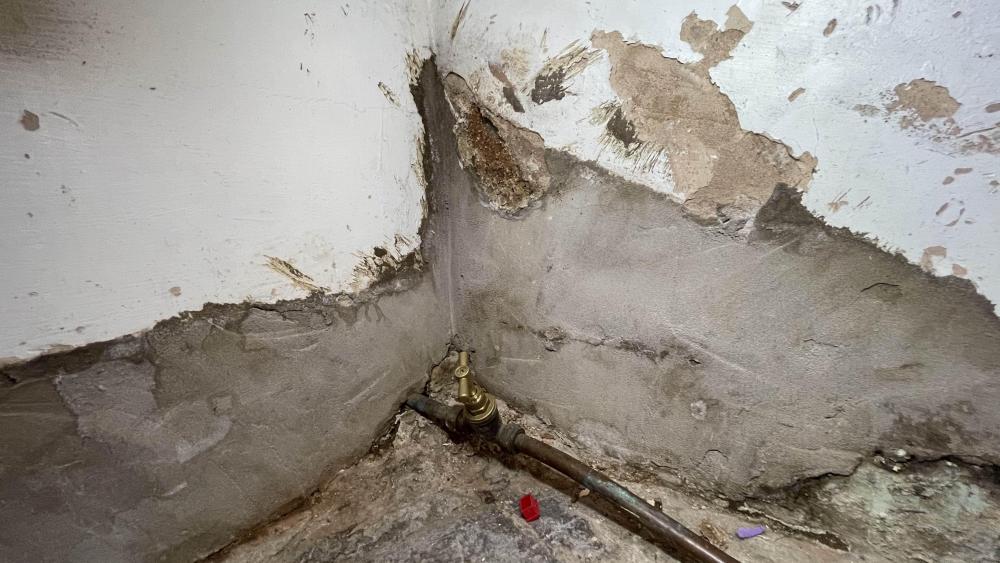
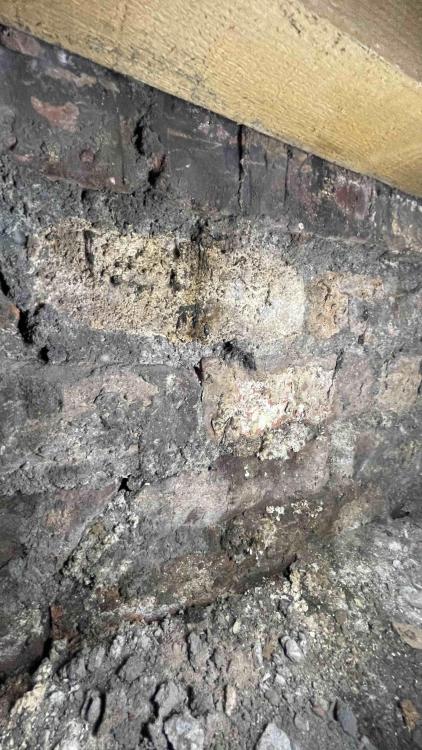
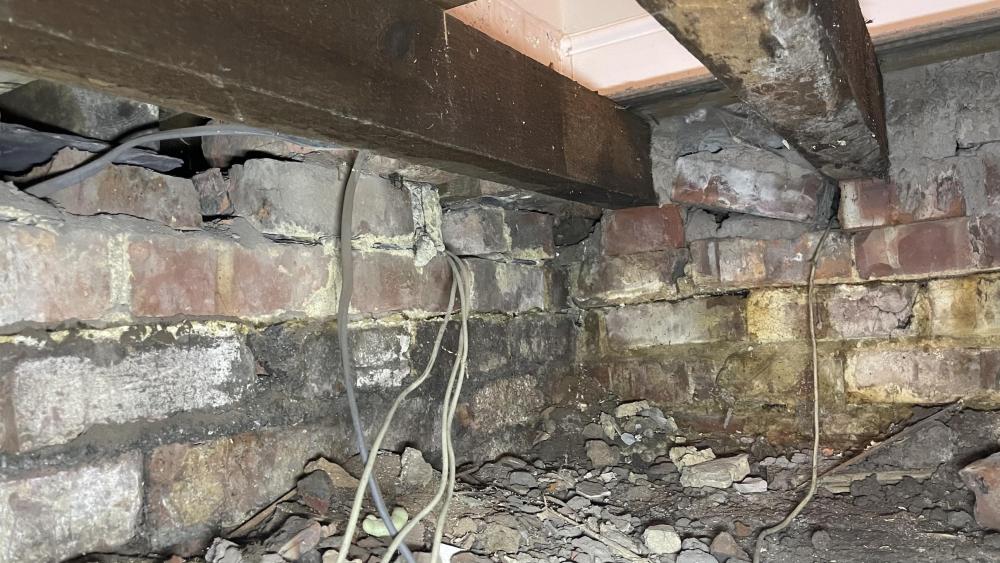
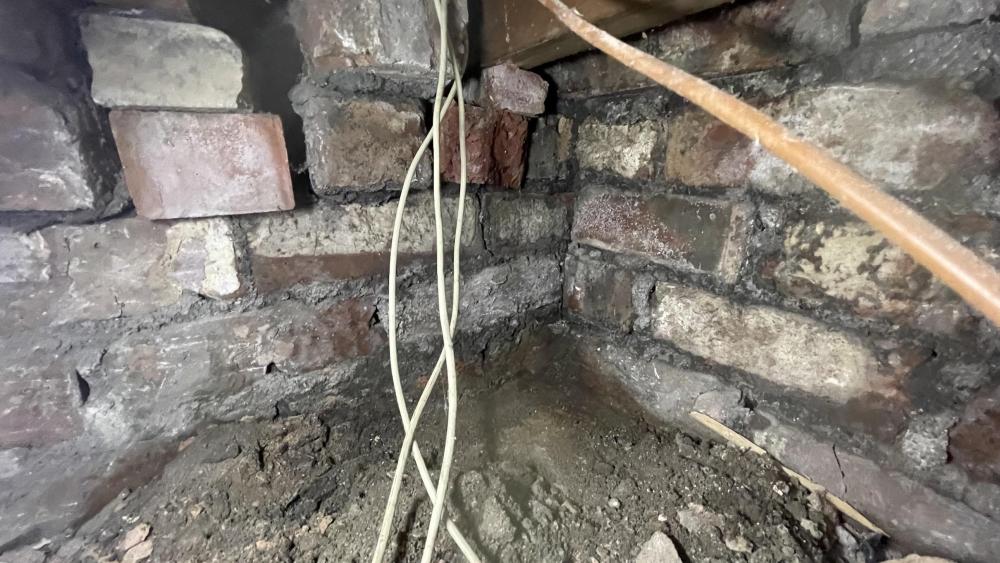
Hi folks, I'd love to hear some thoughts on a few different damp symptoms our house has. It's a 1920-1930 (unsure) detached with narrow cavities (I estimate 35-45mm on front and sides, but rear wall is thicker), suspended timber floor, what looks like a painted white pebbledash "render", some painted brickwork, and some other different render, all looks a bit crappy. I'm quite new at this, never been under a house before until this. Quite suprised at how messy it was, and no idea what I'm looking at when it comes to damp issues. Background: It's had two chimneys and a side facing bay window removed. the house had been empty for a year before we moved in in Feb. I've made some access to the sub floor and found that 3/4ers of the air bricks are blocked up, and the ones at the rear have been removed as the solid floor rear extension went in (90s). While in the void, I could see what I think is the DPC in the rear of the original house, but I can't see it at the front! Symptoms: On moving in there was some damp marks a few inches above the skirting boards in a couple of places near where chimneys used to be and in a corner next to the bay. Some of this has receded, some remains. In the void there is also some kind of growth on a few meter sections of bricks, mostly along the one side wall. Found a tiny slug in the mortar. damp looking floor in the corner (front of house & same side wall as above) in the void, no sign of DPC. Mushy plaster low down on a wall under the stairs (no floorboards, cold area, other side of house), with what looks like a cement plaster patch job. Water pipe travels through this. I suspect a combination of crappy render, substandard ventialation in the floor void and chimney removal, but how is it best to find out for sure and correct? We're planning on a realtively comphensive retrofit, CWI, EWI, attic & floor insulation, air tightness work & MVHR but I'd like to get to the bottom of this damp first. Concerned about CWI with the damp. Who's best to come investigate this sort of thing, I'd like to avoid the PCA approved CSRT chemical sales people, so would I be best finding a RICS person? Any tips for Manchester? The syptoms in pics, any glaring issues here? the damp front corner, I moved some of the darker soil stuff around. No visible DPC. Middle room, on the right is the external side wall, and left is an internal divider wall. what looks like the DPC runs along the centre, 1 blocked up wall vent visible just below floor level between the joists. Yellowy growth on bricks to the right is where the tiny slug was in the mortar. Front room, growth on brick. New joist, v v close to the wall, probably done when fireplace removed. Problem? No visible DPC. Under stairs area, step down from hallway to bare earth (well, coated with something). Mushy plaster, cement plaster patch job? water pipe. Under stairs stood back. Spotty mould, condensation damp?