ashthekid
-
Posts
356 -
Joined
-
Last visited
Everything posted by ashthekid
-
sound bloc on top of insulated plasterboard?
ashthekid replied to ashthekid's topic in Sound Insulation
That is true, we could just do 75mm of rigid insulation(without the plasterboard), battening, then the 15mm soundbloc on top of that. It is for both thermal and extra sound reduction. The original spec'd plan was 25mm insulation, battening and 15mm soundbloc which I didn't feel was enough in a pitched roof. -
Hi, this may sound like a silly question but is it ok to have on a new roof structure to have 150mm rafters with 100mm rigid insulation in between, then 72.5mm Kooltherm insulated plasterboard, then battening, then followed finally by 15mm soundbloc?
-
Large Vaulted Ceiling Insulation Thickness?
ashthekid replied to ashthekid's topic in Heat Insulation
Ok I'll avoid sunken lights then. So going back to the insulation, what would a Passivhaus standard be for roof insulation thickness? -
Large Vaulted Ceiling Insulation Thickness?
ashthekid replied to ashthekid's topic in Heat Insulation
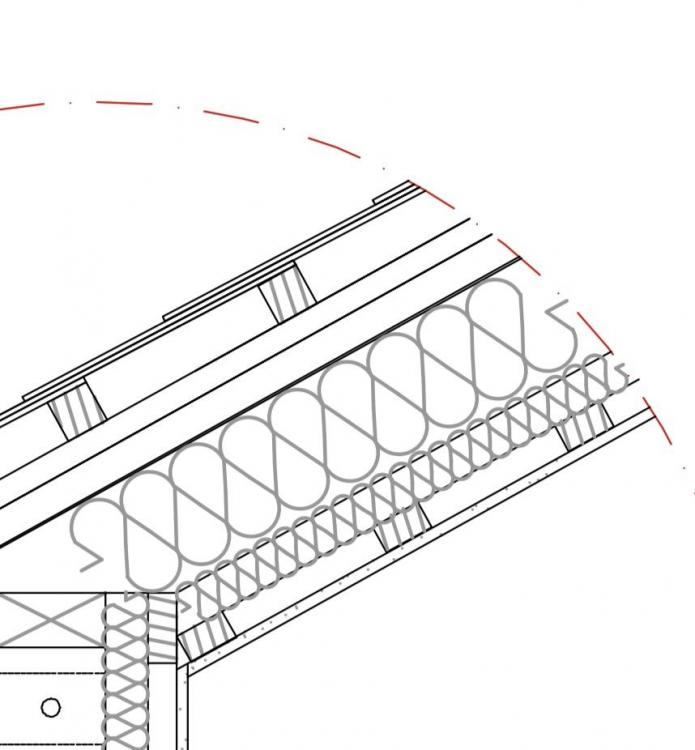
There is a breathable felt membrane going directly into the rafters from the outside with the battening and slate tiles going on top of that. Rafter size is 150mm and architect spec is to put 100mm insulation celotex in between there. Is there any benefit in having a large ventilation gap of 50mm? Would adding another vapour barrier be suitable on the inside of the rafters but another ventilation gap then be required? From what I’ve gathered, putting 25mm layer straight under the rafters and then another 25-50mm layer directly over that in the other direction, both taped and sealed of course create a nice airtight 50-75mm total on top of the 100mm between the rafters so essentially a max of 150-175mm. With a 150mm rafter I’m assuming we could get 125mm in there so we’re almost at 200mm insulation total now. Can I do more easily? I’m planning on having 4 or 6 sunken spotlights within this ceiling, I’m assuming that’s a bad idea and I should avoid that for thermal leakages? -
Large Vaulted Ceiling Insulation Thickness?
ashthekid replied to ashthekid's topic in Heat Insulation
-
Large Vaulted Ceiling Insulation Thickness?
ashthekid replied to ashthekid's topic in Heat Insulation
260? Is that even possible? Architect has planned for 125-140mm total in the roof(100+25 or 40). -
ASHP Unit distance from property?
ashthekid replied to ashthekid's topic in Air Source Heat Pumps (ASHP)
So Armaflex if not buried but if I can bury it it’s best to create a duct and then lay another type inside that? -
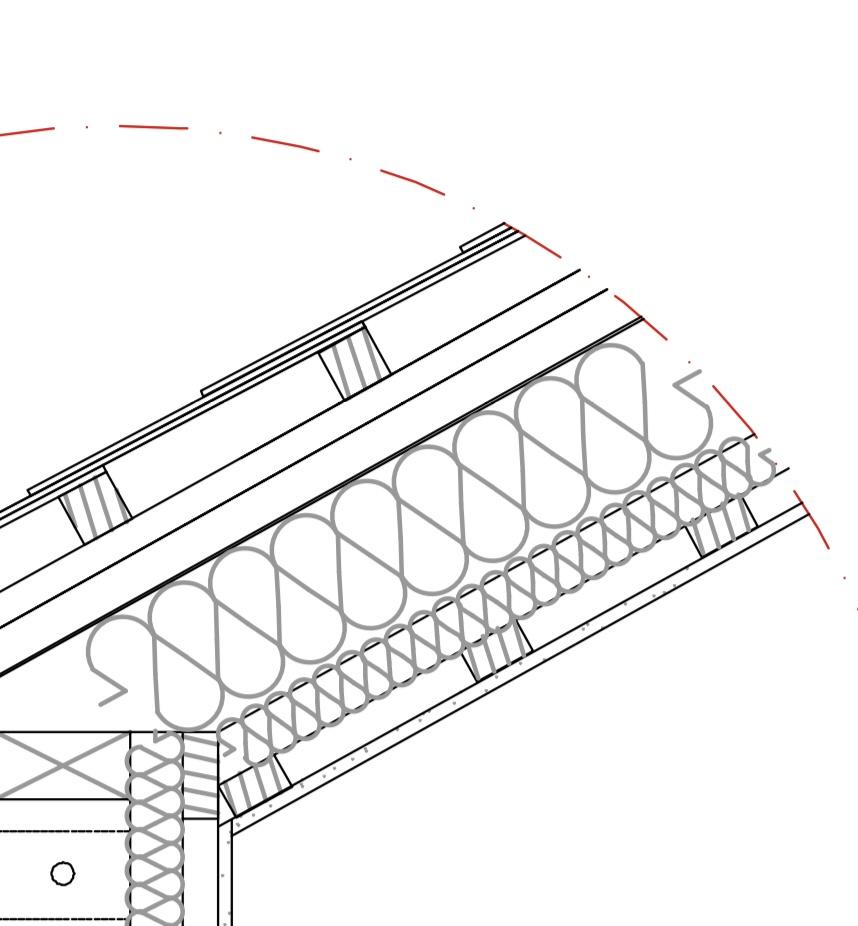
In my conversion project there is going to be a large vaunted ceiling housing an open plan kitchen, dining and living room space approx 8m x 10m that I know will likely be expensive to heat and therefore retaining the heat will be very important. Currently the makeup of the roof will be standard slate tiling, then 100mm celotex between rafters, 25mm on top, then battening before having either a single or double layer of acoustic plasterboard. What I would like to know is if upgrading that 25mm to say 75mm or maybe even 100mm would make a huge difference to the thermal insulation of the room. Would essentially be 200mm in total. Also bare in mind that one whole wall inside this room will be double height full glazing which I intend to do in either an upgraded double glazing setup or triple glazing.
-
ASHP Unit distance from property?
ashthekid replied to ashthekid's topic in Air Source Heat Pumps (ASHP)
Maybe I will insist on the insulated pipework to be buried for safety and additional natural insulation. There maybe a couple of bends when it reaches the property so that it then runs inside the large cavity gap we have had to create for the property. In terms of size, I believe if we do go for the split system we would need the 12-16Kw 950x1380x330. It’s heating underfloor space of 240sqm on the ground floor, then 11 radiators upstairs plus hot water. That system should cover that shouldn’t it? -
Slimline water harvesting unit inside wall cavity?
ashthekid replied to ashthekid's topic in Rainwater, Guttering & SuDS
Yes access for maintenance was always a concern for me and providing some sort of hatch to do that would be vital but all those other points are very good and I hadn’t thought of most of them to be honest. In terms of efficient appliances like WC, are there any that come to mind that are substantially efficient compared to your standard WC? Seeing as that is where the majority of water is wasted in my opinion. Ignoring baths/showering of course. -
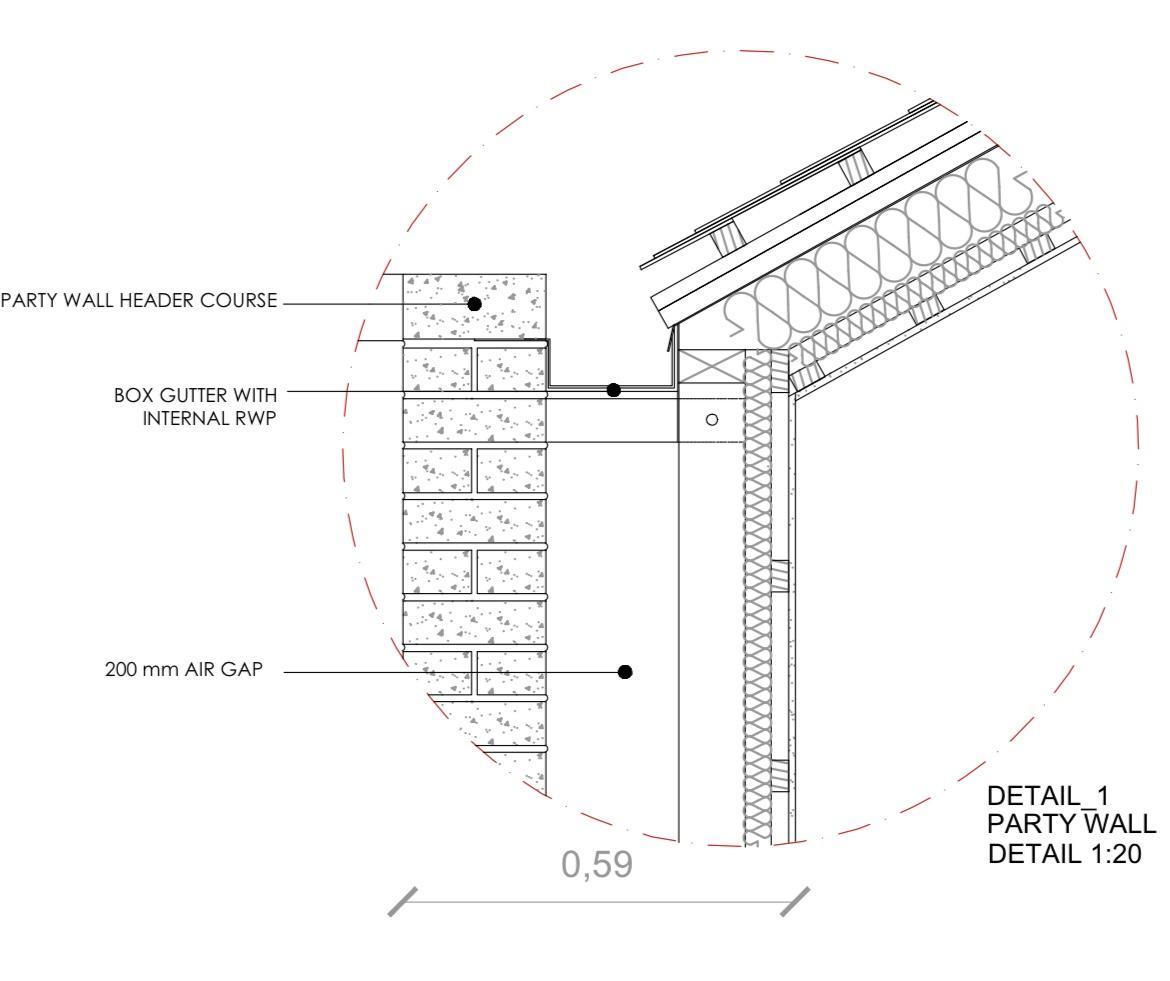
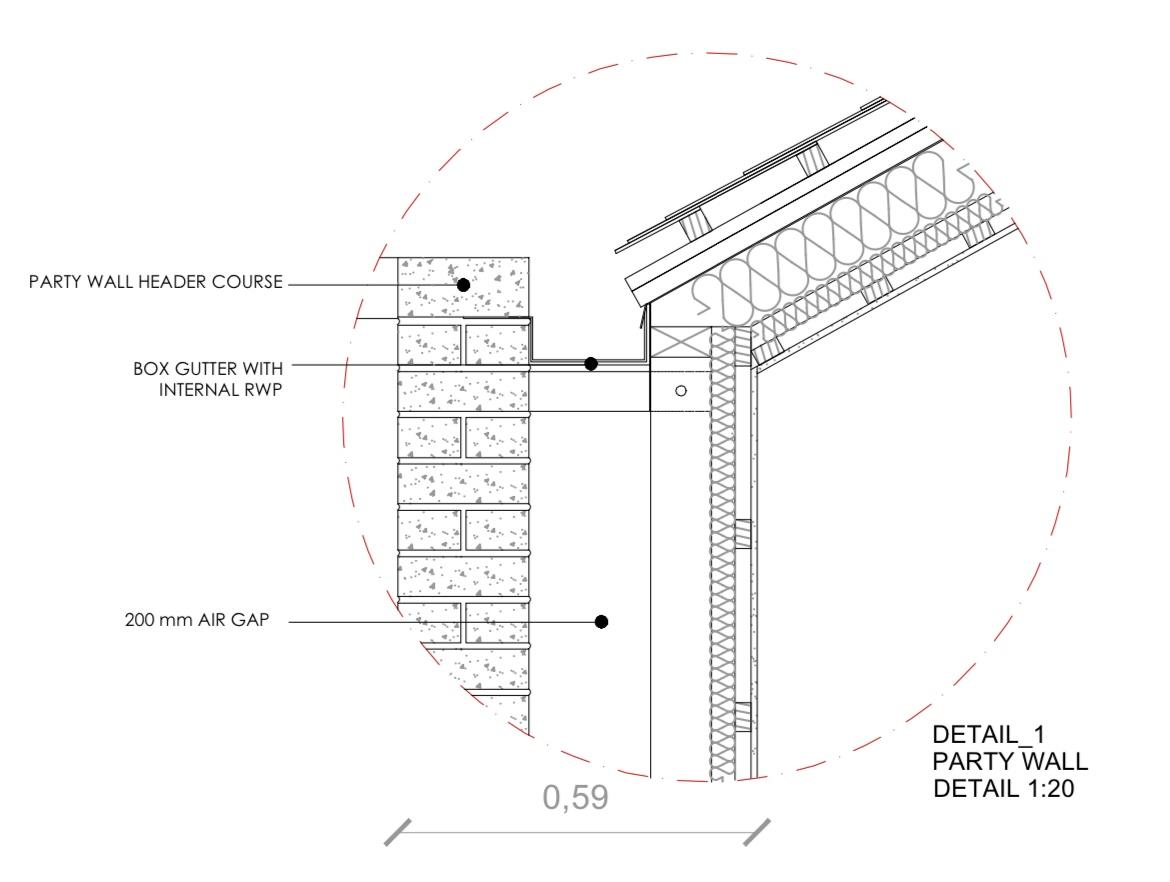
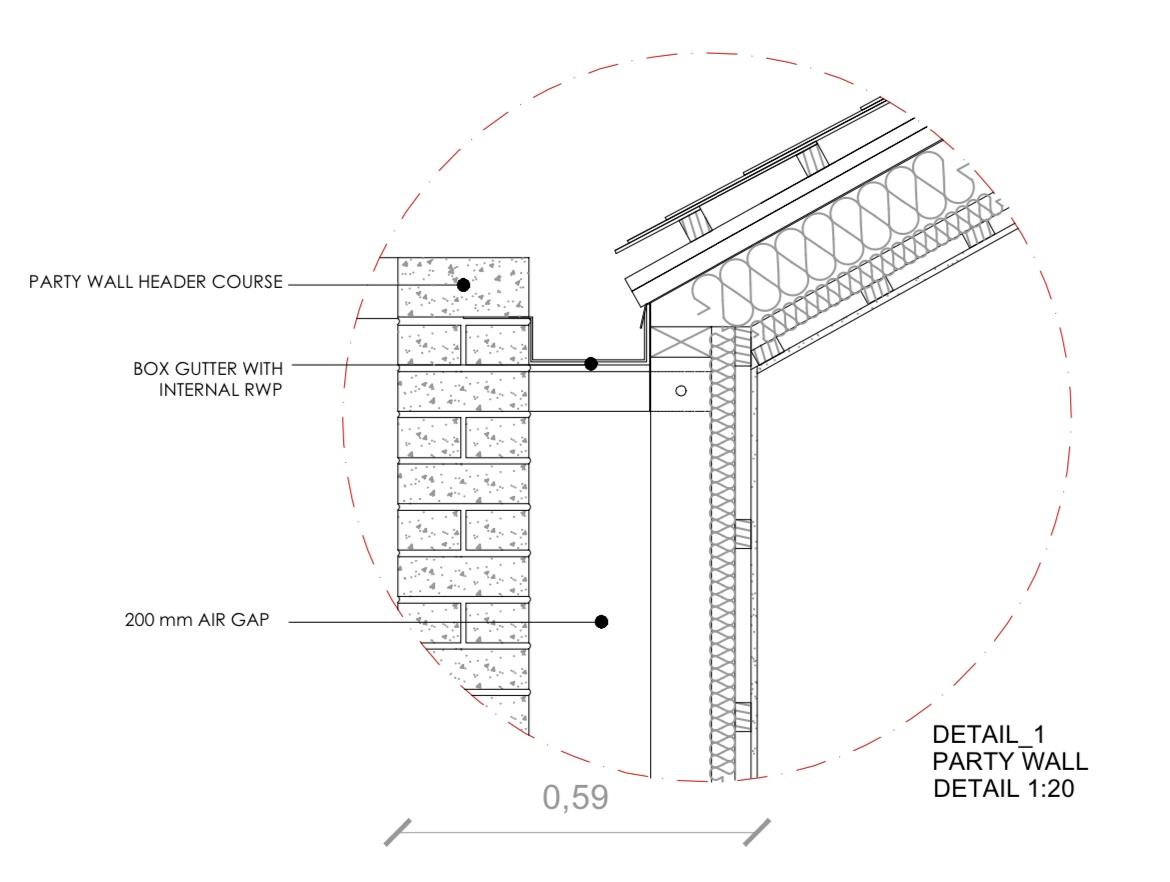
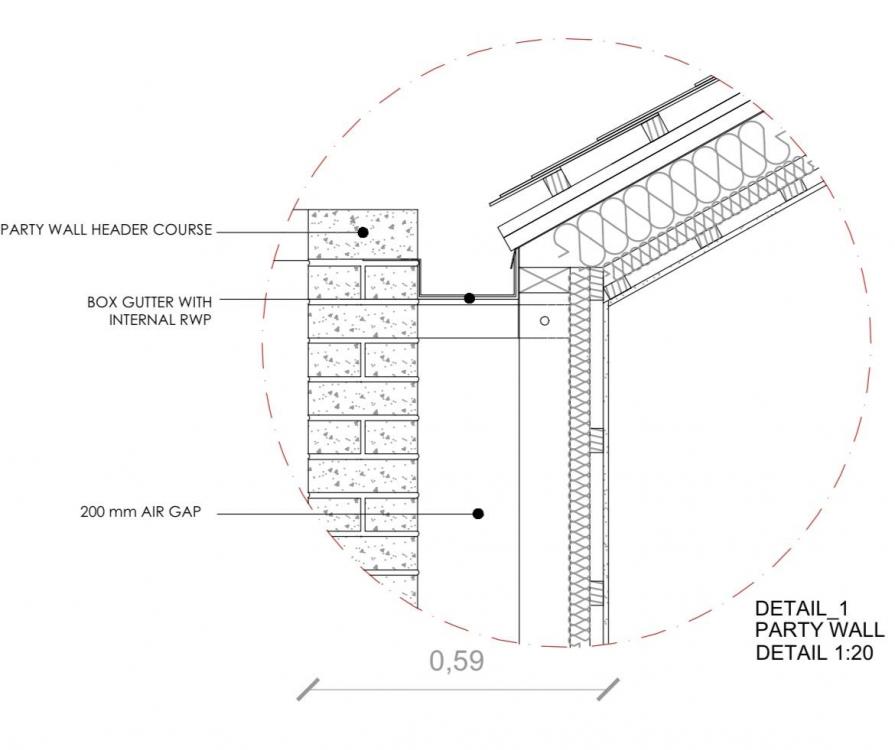
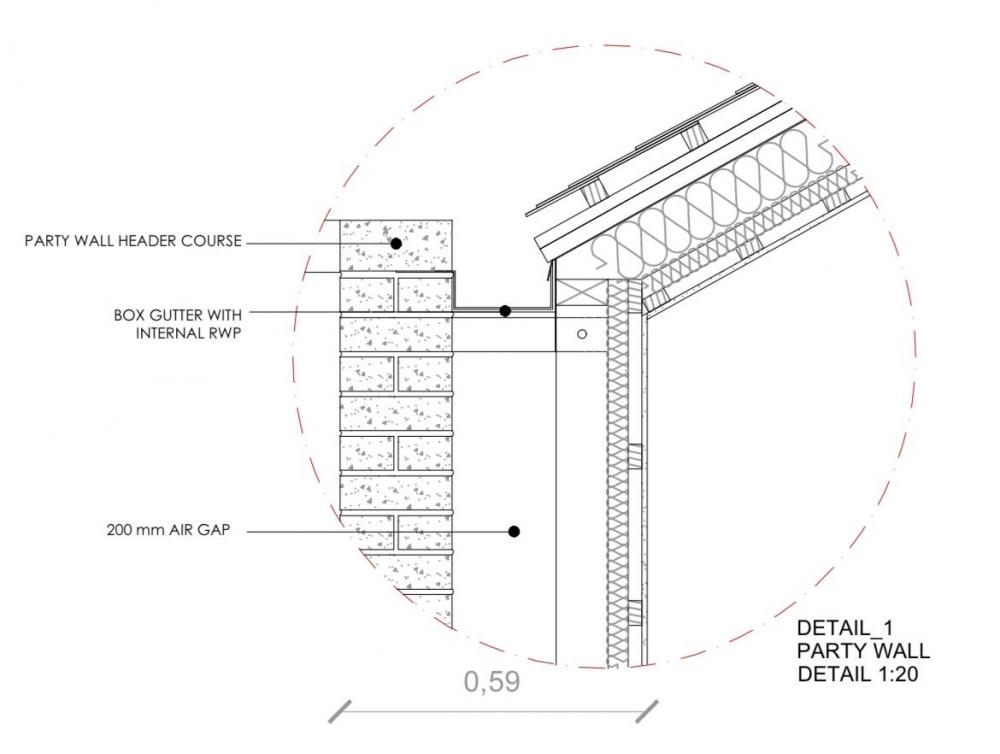
I’m currently in the middle of a conversion project whereby I’m having to create an unusually large cavity between the existing old wall and a newly created inner skin. I’m considering the use of some simple water harvesting systems like the super slim one tank that seems in theory a perfect fit inside that cavity. There are internal rainwater pipes coming down for a box gutter above that cavity as seen in the image below. Does that idea seem like a good idea? my plan to to hook up 3 individual slimline tanks to hook upto 3 toilet cisterns that are directly connected to that newly created inner wall. Seems to make sense in my head. I just wanted to see what other people thought about this idea? I cannot locate any tanks externally because it’s inside the neighbours garden.
-
Box Gutter Construction Options?
ashthekid replied to ashthekid's topic in Roofing, Tiling & Slating
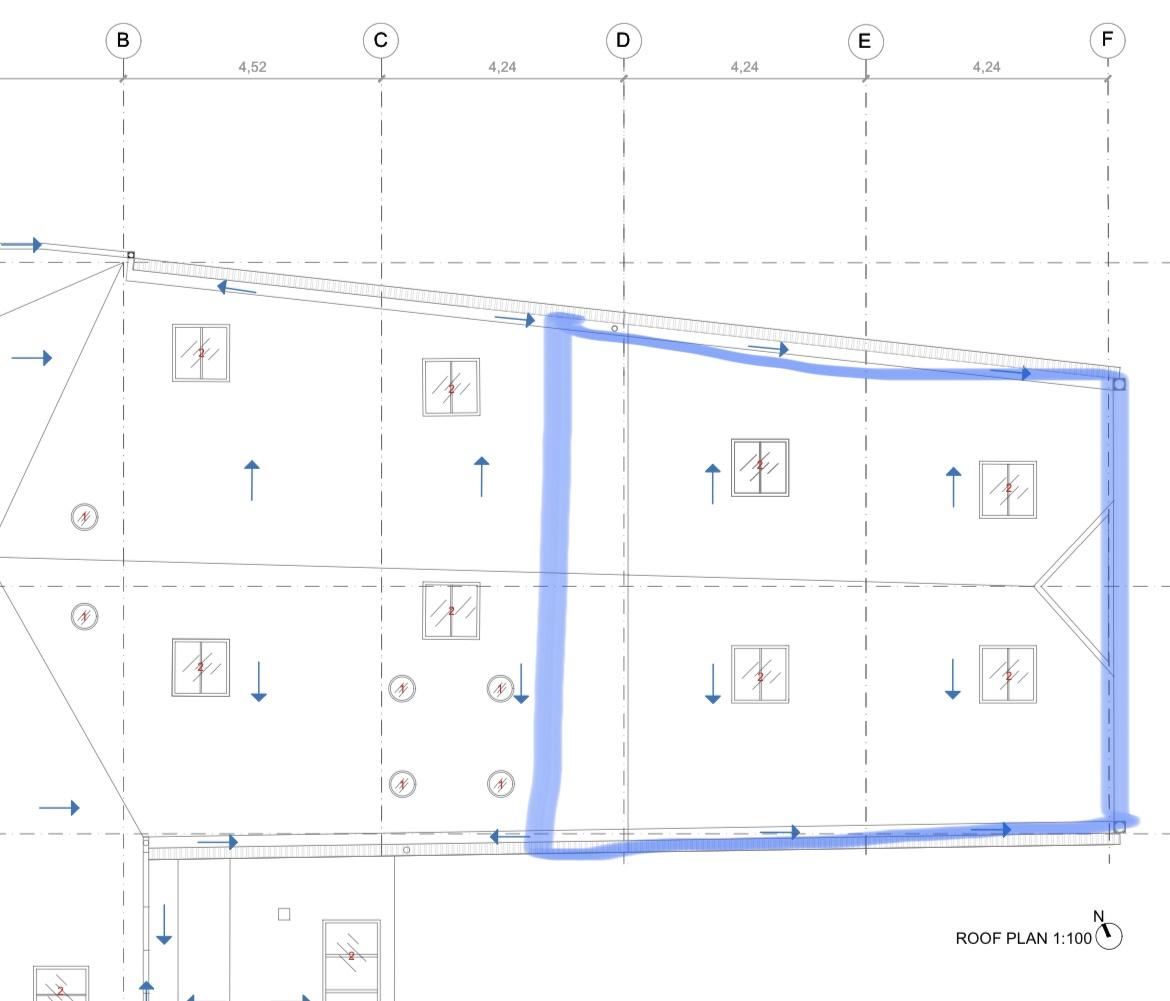
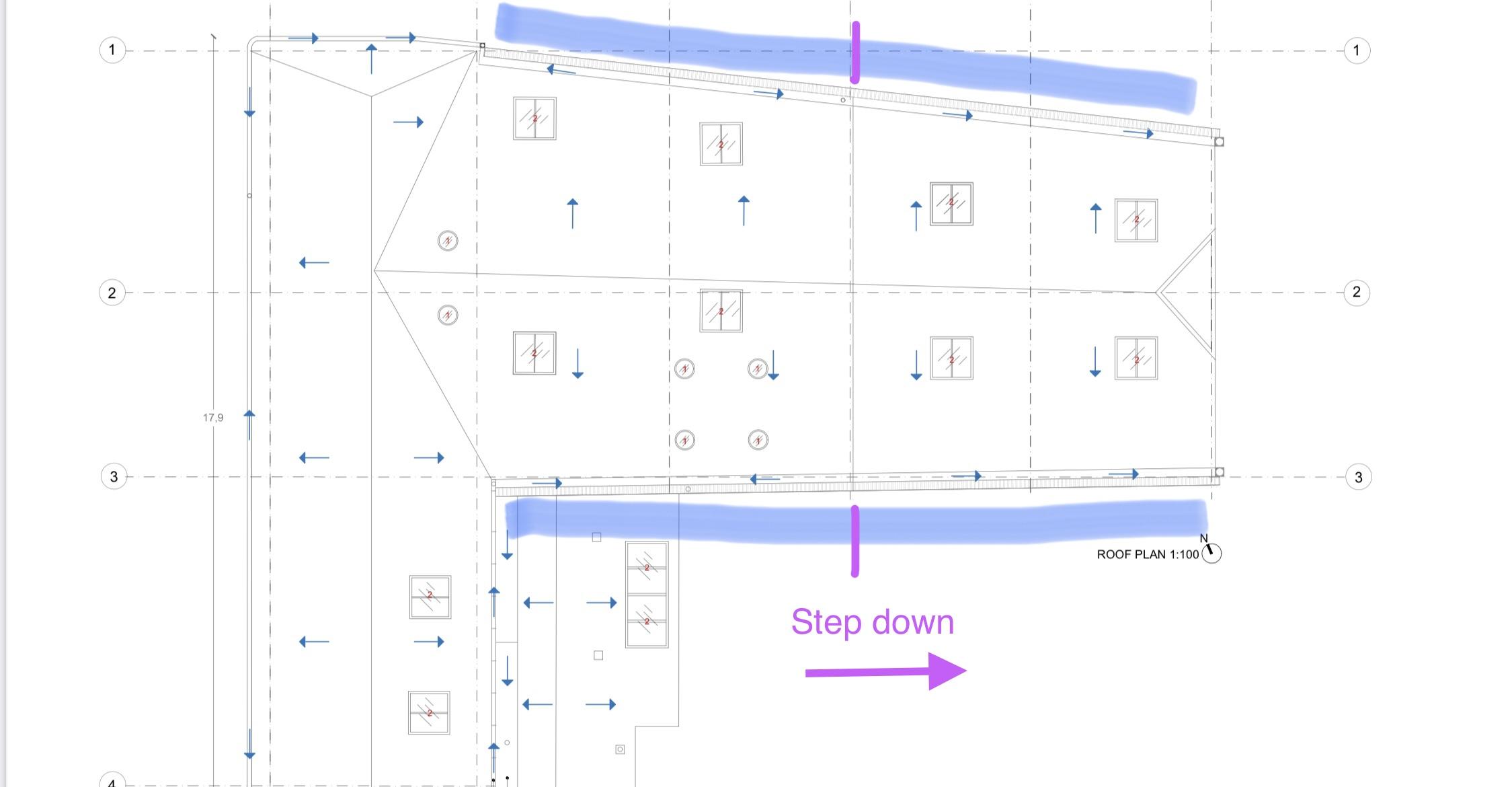
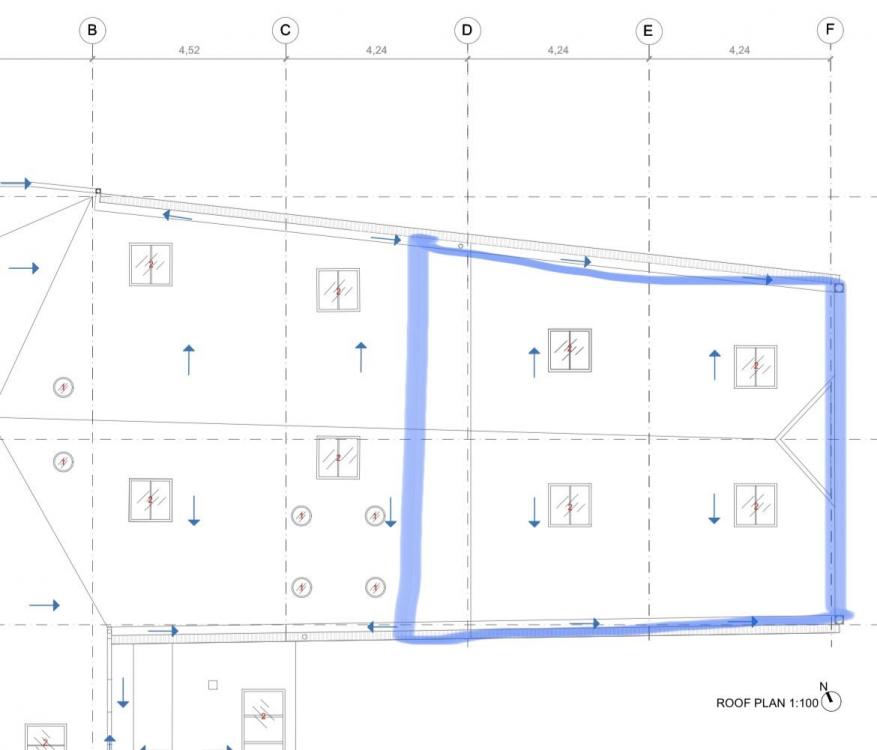
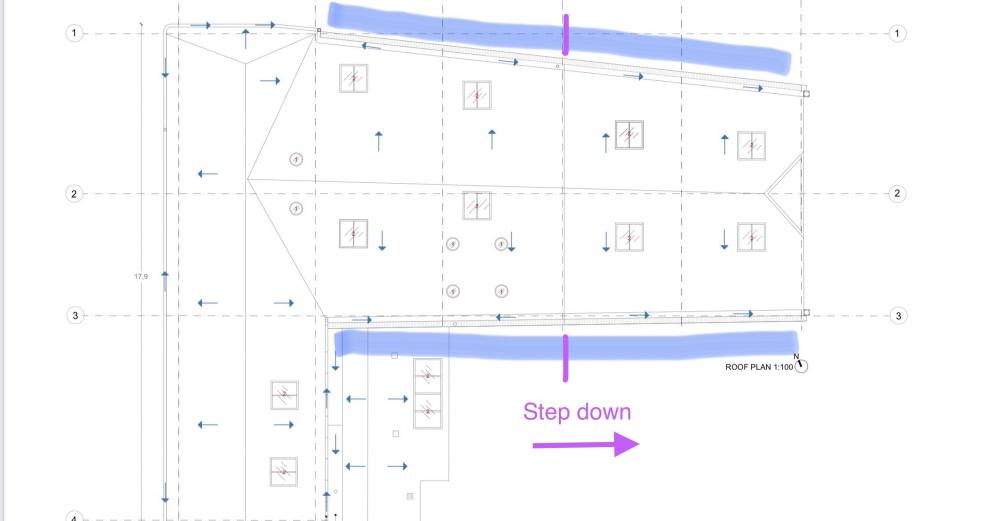
Here is where the box gutter is going(in blue) and where there is substantial step down(in pink) but not joining steps as there is an internal RWP in each length, so 4x RWP’s in total because of party wall issues. As a side topic, I am considering installing a couple of water harvesting units within the large air gap we have that the RWPs are also going down into and directly connecting them to toilets which will be back to back to the air gap side wall.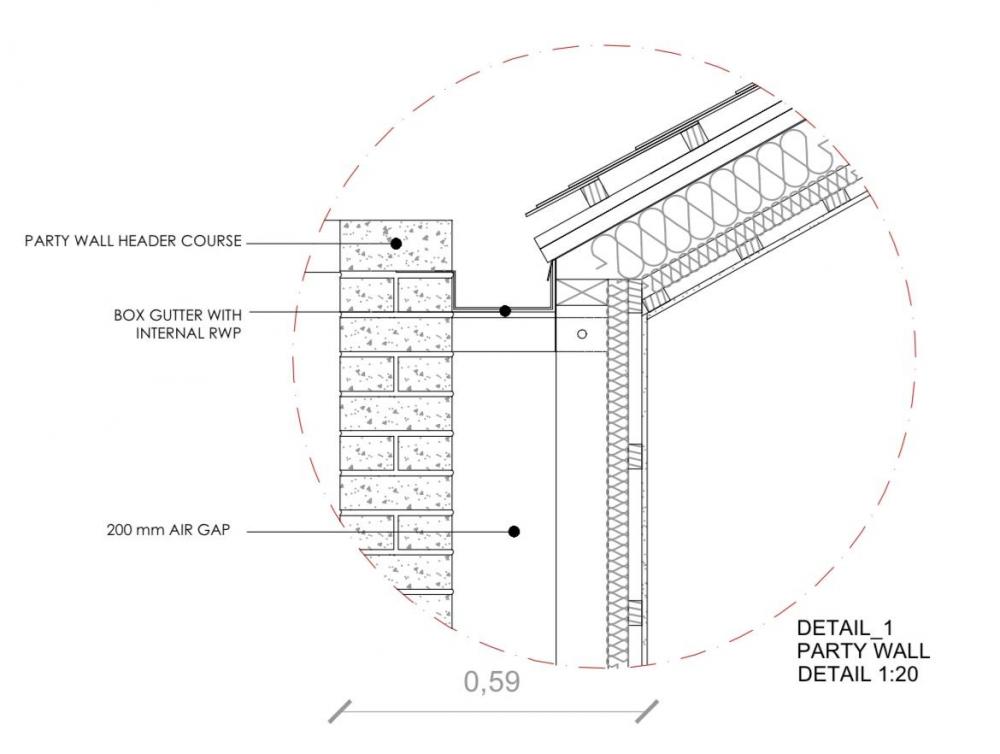
-
Could I not keep the electricity rather than giving it to the grid, save it in a Tesla style Powerwall battery and then use it all myself? That would surely bring the bills down substantially more.
-
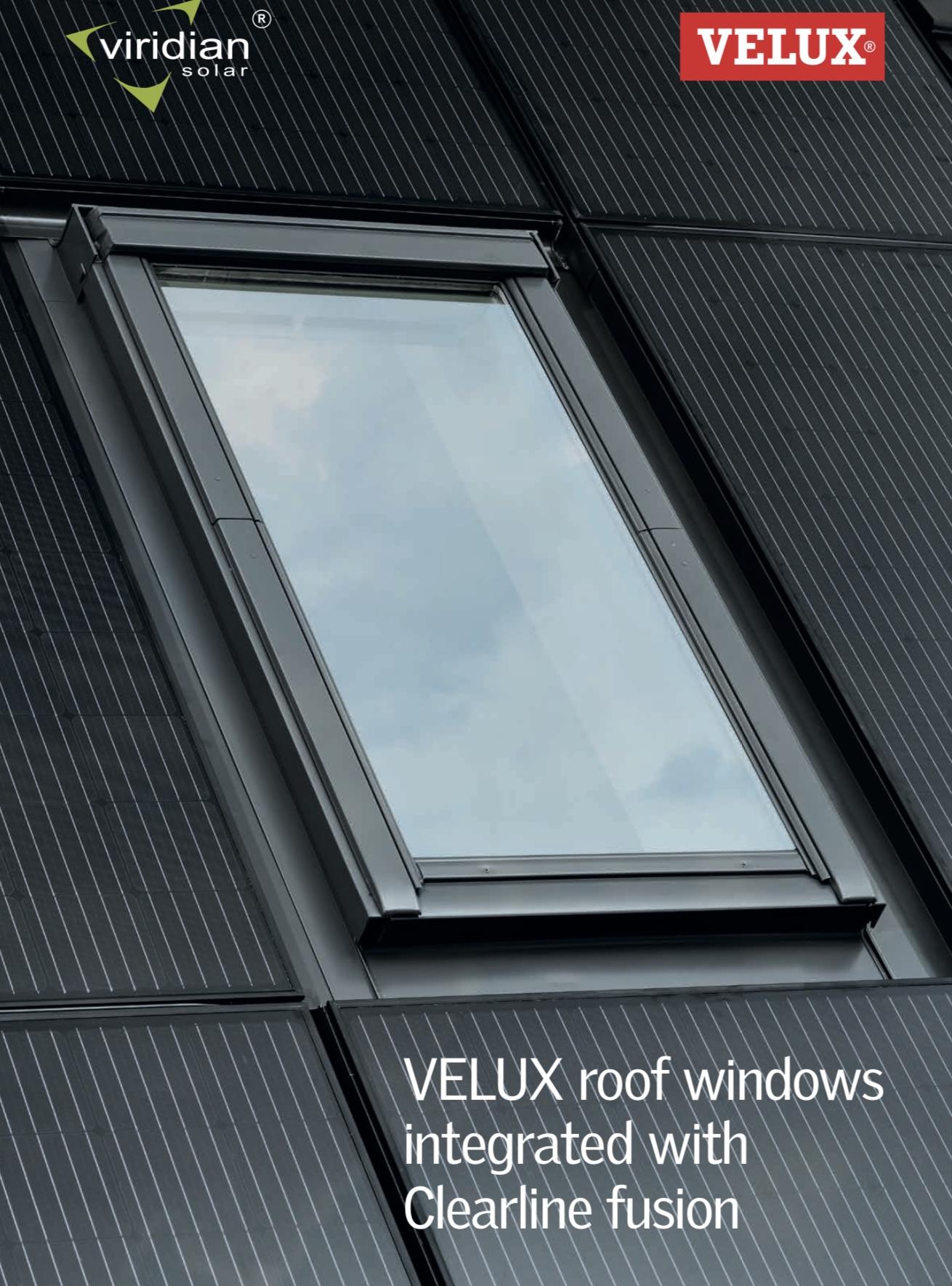
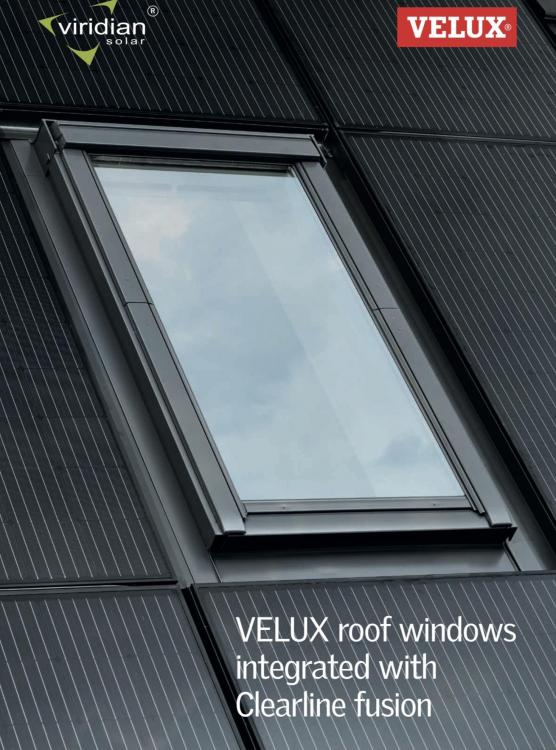
I’ve seen the Viridian Velux Pv panels that are integrated into a slate roof for example and connect very neatly and pretty much flush with the roof tiling. Has anyone any experience with this particular integrated PV panels or any other integrated brands? Good idea or not? I’m in the middle of a conversion project and not got to the roofing and tiling stage yet so could build them integrated which seems to make a lot of sense.
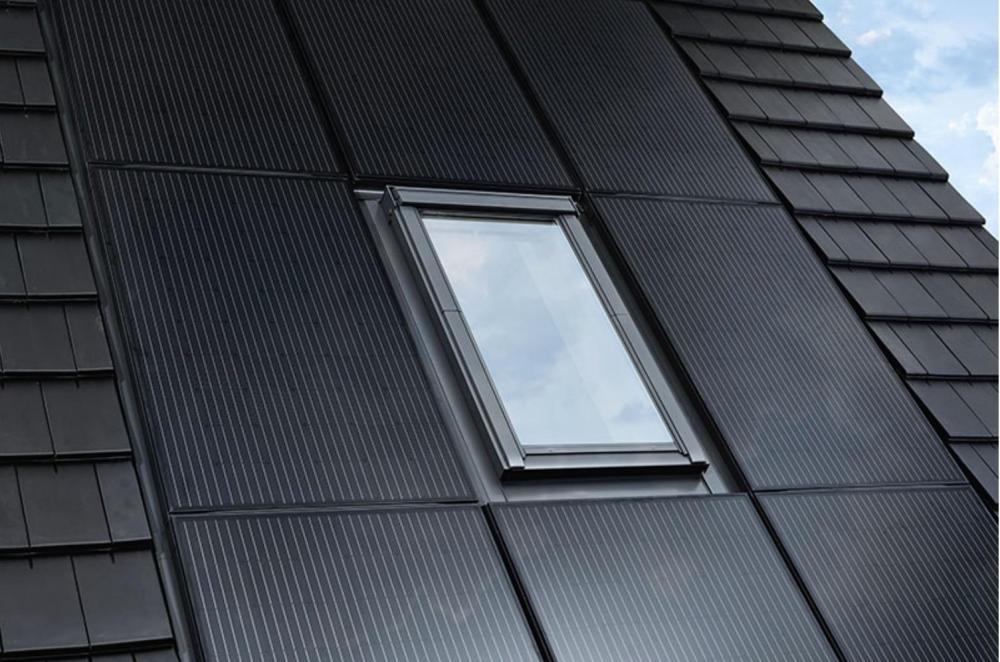
-
Box Gutter Construction Options?
ashthekid replied to ashthekid's topic in Roofing, Tiling & Slating
I know you can get EPDM in very long lengths though so surely no leaks? -
In the middle of a complete conversion project whereby new box gutters are being created on either side due to party wall proximity. What I would like to know, because the intended box gutter lengths are quite substantial - approx 10m then a step down, followed by another 7m. Does it sound right that the box gutter would be constructed in ply and then treated/covered in some sort of rubber EPDM?
-
Solar PV support an Air Source Heat Pump?
ashthekid replied to ashthekid's topic in Photovoltaics (PV)
So going back to my original question of 1 Solar PV not being enough to generate a usable amount for a ASHP, would 2 or 3 be enough or still not worth it? Out of curiosity, would a slate tile PV be of any use if a large enough area could be used to generate electricity? -
ASHP Unit distance from property?
ashthekid replied to ashthekid's topic in Air Source Heat Pumps (ASHP)
The split system seemed appealing given the 50m distance it can go upto, the external box is also smaller in the garden. The internal unit will be in its own boiler room in the house so noise wise it should hopefully be contained. I’ve not heard of people complaining about the noise on split systems to be honest. I hadn’t factored in the pipe work being dramatically different on the split system but if it’s refrigerant type then that is slightly more complicated to run I’m assuming. Achievable for sure but just more technical and delicate to get right so it’s successful and long lasting. It won’t be buried externally, would probably run alongside/on top of whatever we have against the fence side. -
ESP Ecocent Air to Water Heat Pump inside?
ashthekid replied to ashthekid's topic in Air Source Heat Pumps (ASHP)
So there are brands like Joule and ESP that do these Exhaust Source Heat Pumps. Seeing as I was looking into a small MVHR to extract from 4 bathrooms this could be a good option for hot water and perhaps a smaller outdoor standard split system Air Source Heat Pump to provide the underfloor heating. Could an Exhaust Source Heat Pump(ESP or Joule) work efficiently to extract from those 4 bathrooms? And could the results at cool air be reused into a couple of other rooms that have no natural ventilation(e.g. cinema room)? -
Solar PV support an Air Source Heat Pump?
ashthekid replied to ashthekid's topic in Photovoltaics (PV)
So probably still worth the investment on a single PV to simply help reduce your electricity usage? Maybe not substantially but enough to help. -
ESP Ecocent Air to Water Heat Pump inside?
ashthekid replied to ashthekid's topic in Air Source Heat Pumps (ASHP)
ESP (EarthSavingProducts) seem to put up a good show on their website and awards etc. How would this type of system compare to your standard outdoor air source heat pump in terms of running costs and efficiency? (That’s providing hot water and underfloor heating) -
Solar PV support an Air Source Heat Pump?
ashthekid replied to ashthekid's topic in Photovoltaics (PV)
Thank you for that, really useful info that I was unaware of. ???? -
ESP Ecocent Air to Water Heat Pump inside?
ashthekid replied to ashthekid's topic in Air Source Heat Pumps (ASHP)
I can’t find much online in terms of reviews. Only one YouTube video showing issues with corrosion in the tank part at the bottom and then of course sourcing parts as I believe you can only get from China. apparently all close proximity pipework has to be in stainless steel rather than copper to protect against any reaction inside the tank. That was a few years ago now so perhaps they have improved the units since then. -
ASHP Unit distance from property?
ashthekid replied to ashthekid's topic in Air Source Heat Pumps (ASHP)
Sadly we are fenced in from all sides. It’s a narrow L-shaped garden with car access at the very end of the L. I’ve had a few people look at it and say it’s the only option. -
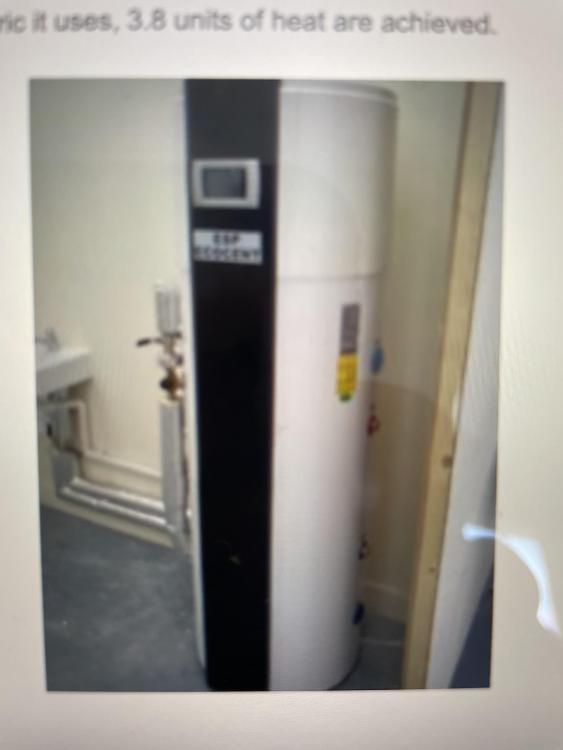
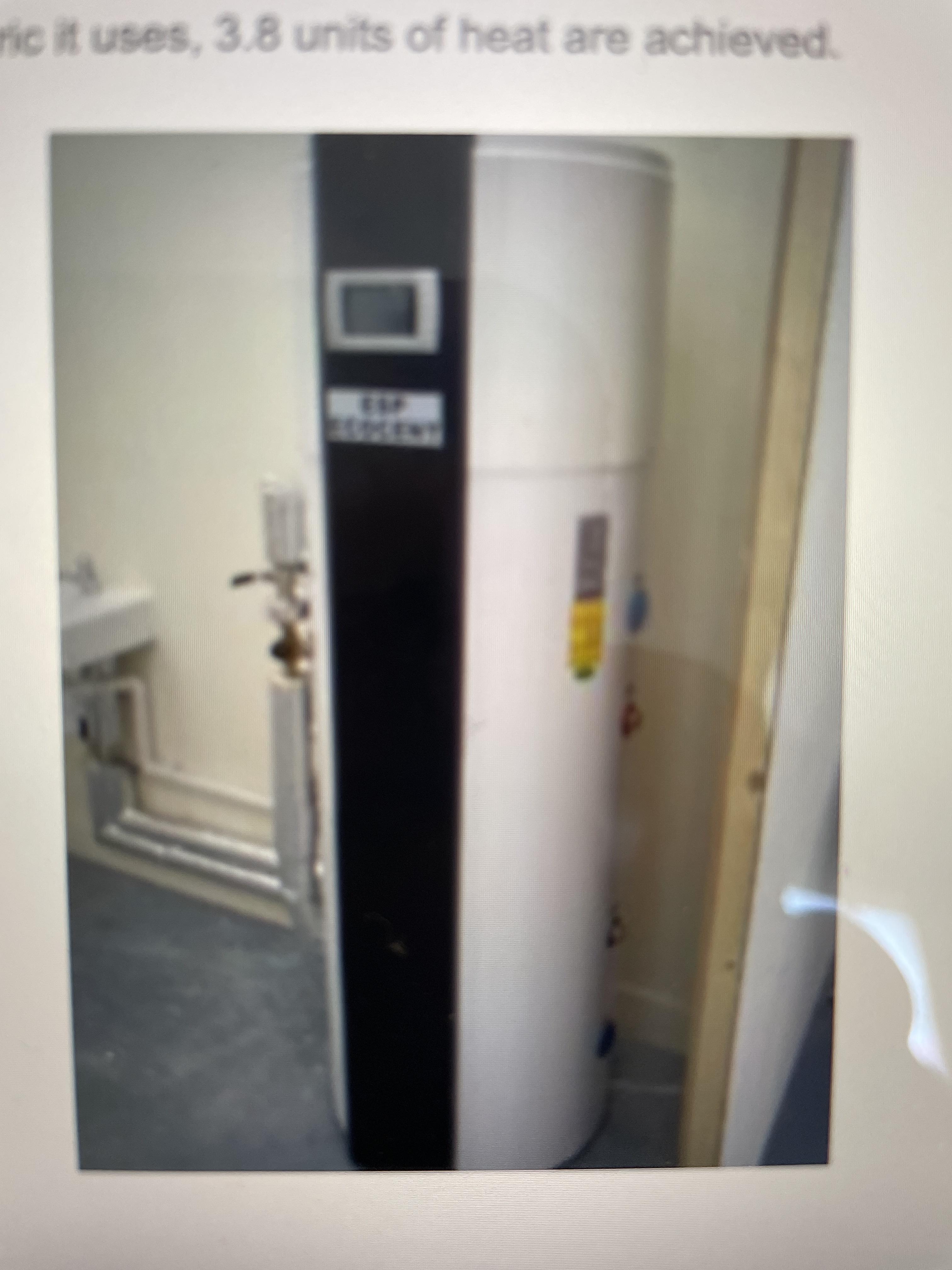
I’ve recently discovered this model of air-to-water heat pump that doesn’t need to be located outside! ESP Ecocent 300l. Has anyone ever used this brand or type of heat pump? I was thinking I had to locate my standard air source heat pump outside and approx 25m away from the property which I have heard a couple of negative reasons why that would be a bad idea so am very interested to hear whether an inside one would work as well and efficiently. What are the comparables to an outside air source heat pump?