ashthekid
-
Posts
356 -
Joined
-
Last visited
Everything posted by ashthekid
-
-
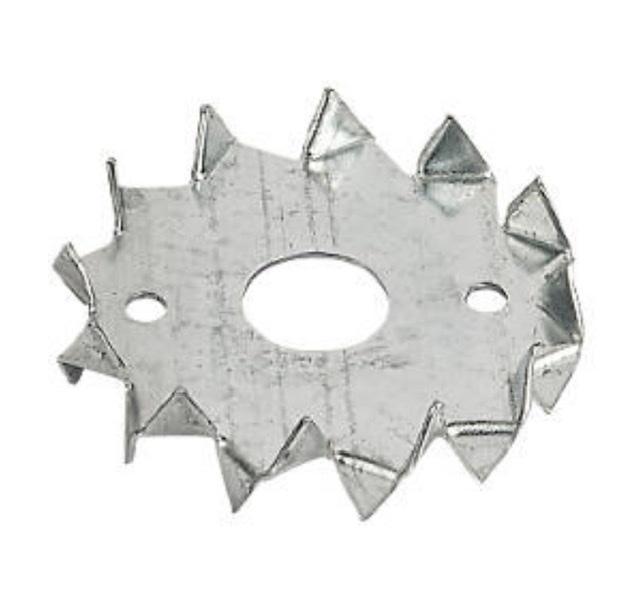
The bolts do that the teeth plates for extra grip.
-
For long lasting quality and superior finish who is the best? I’ve heard Keylite have to be thrown into the mix as well. I’ve researched this a lot online and speaking to various people with very mixed results. From what I gather(not 100% if this is all true or not though) Velux holds the market with approx 60% with Fakro and Keylite taking around 10%. I gather Velux used to have the patent(or exclusivity at least) on various aspects of their design and build but when a few of these expired Fakro and Keylite were created and decided to copy and create their own versions. It sounds like Velux’s handle and catch opening system is one of the last remaining patents they have left and the best one on the market. Both manufacture Conservation rooflights with the vertical glazing bars which is what I was specifically after but only Fakro do them in triple glazing option annoyingly. I’ve read that Fakro are far superior and more expensive but then I’ve read that Velux are now a lot more expensive and the much better luxury end product. Which is it? Both provide pretty decent warranty’s approx 10 years. I’ve read that both have issues with electrics, especially Velux. But they use slightly different technology with Fakro using Z Wave which can be more reliable for multiple windows on one remote etc. I guess my question is, based on your own experience, who is the best one to go with? I need conservation style rooflights with triple glazing and good thermal and acoustic insulation as well as electric opening/closing. Velux do what they call “Best Experience”(67 pane) triple glazing option for optimum thermal and noise reduction which is perfect. This doesn’t come in conservation style so I would have to add the glazing bars. Fakro do a P5 triple glazed conservation window at a slightly lower price. I cannot decide which to go for to be honest but want the one which going to last the longest and not have any issues or problems.
-
Phew! You had me worried.
-
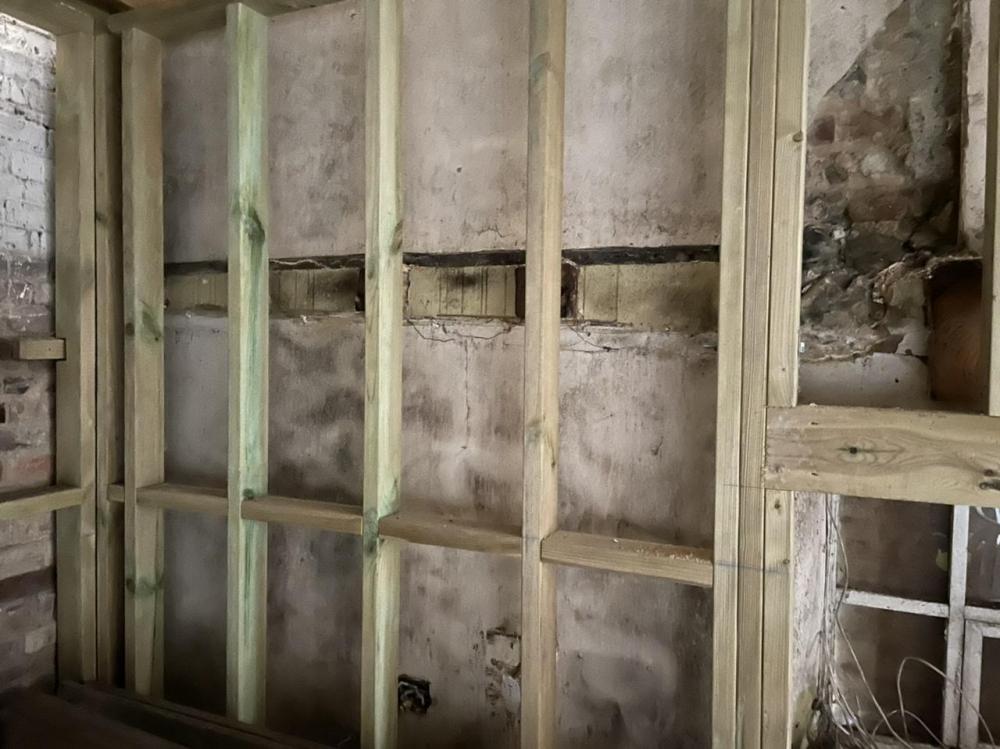
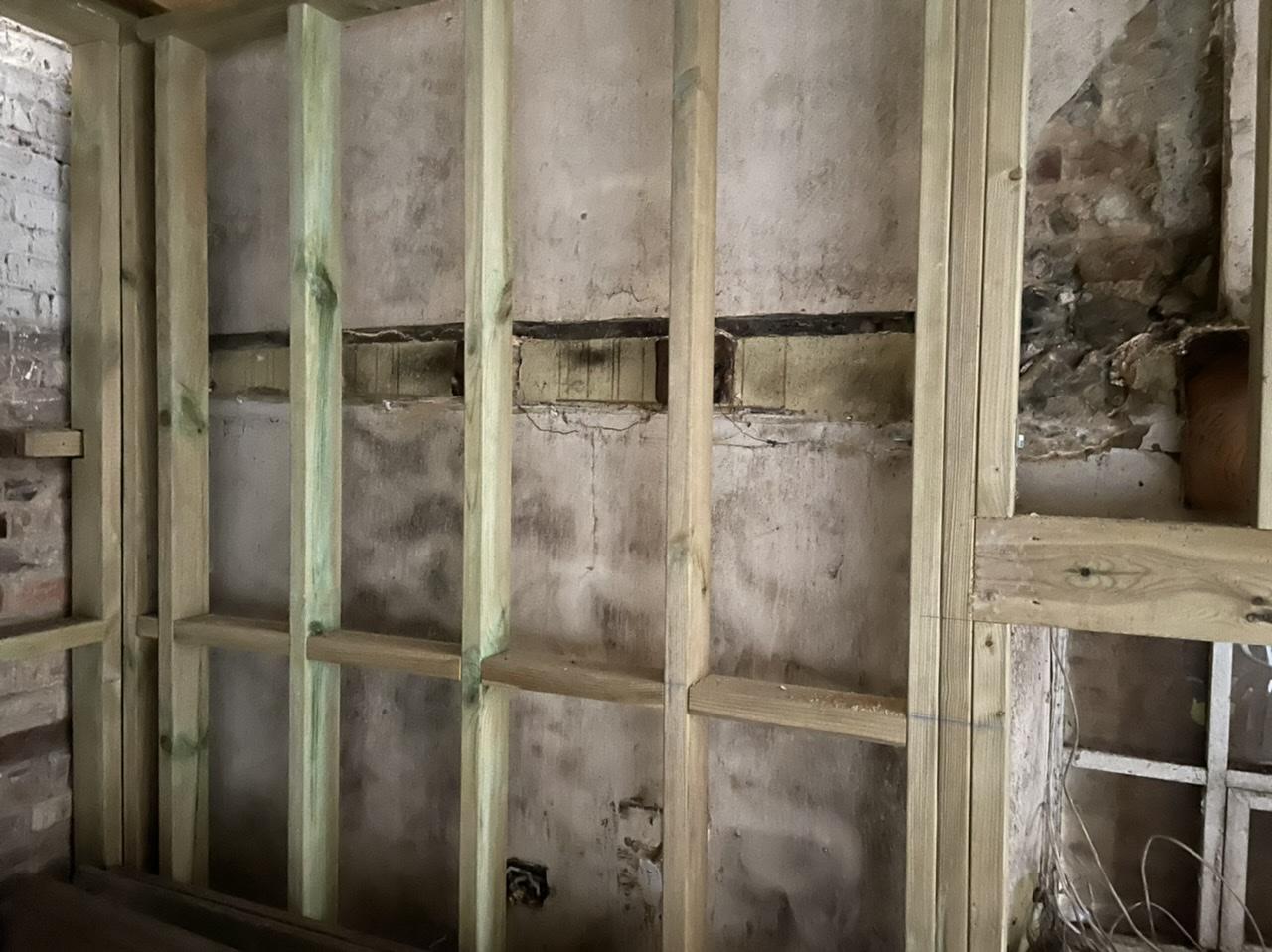
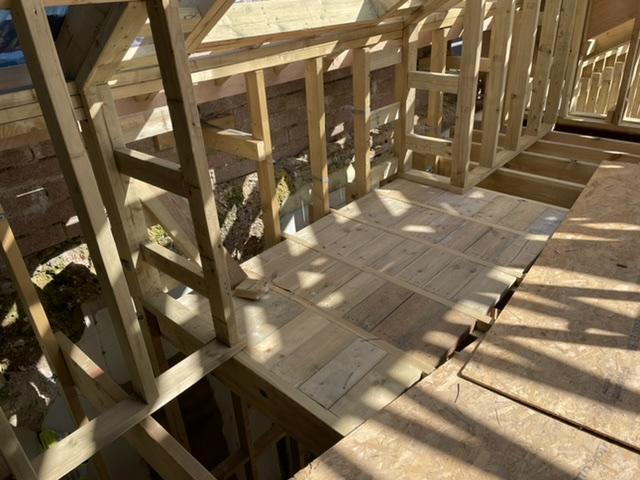
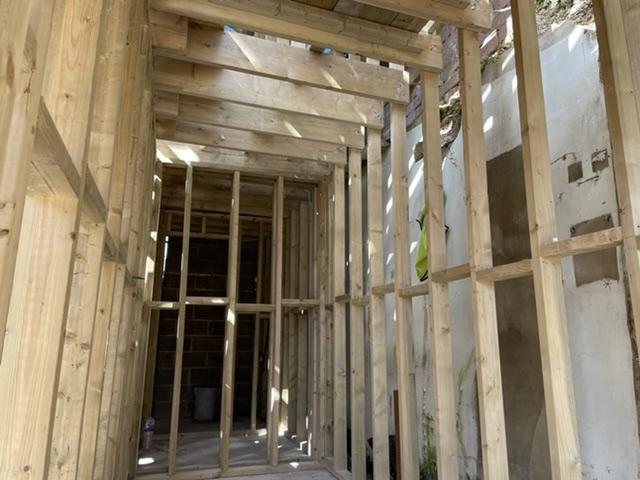
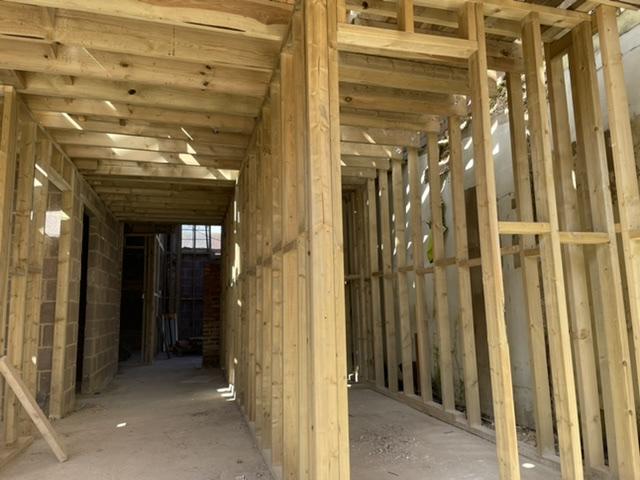
@markc @PeterW @PeterTweeter Any thoughts on my latest photos showing what’s underneath and where the next load bearing stud wall is located for the joists in question?
-
Conservation Area Glazing Bars on Velux Triple Glazed
ashthekid replied to ashthekid's topic in Windows & Glazing
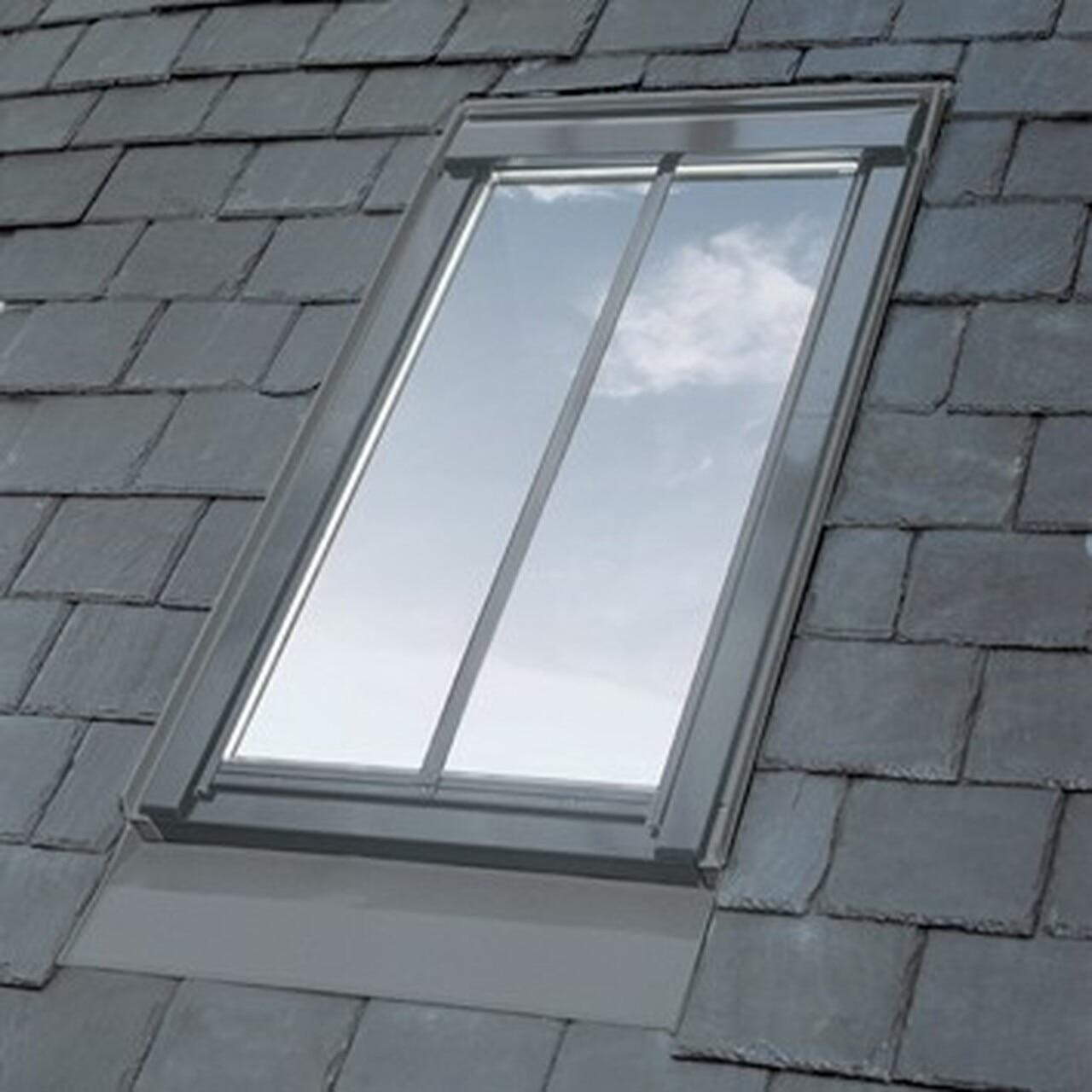
Is there anything obvious to suggest this wouldn't be allowed in a conservation area? It's the new 3 in 1 Velux rooflight that has the necessary glazing bars style setup.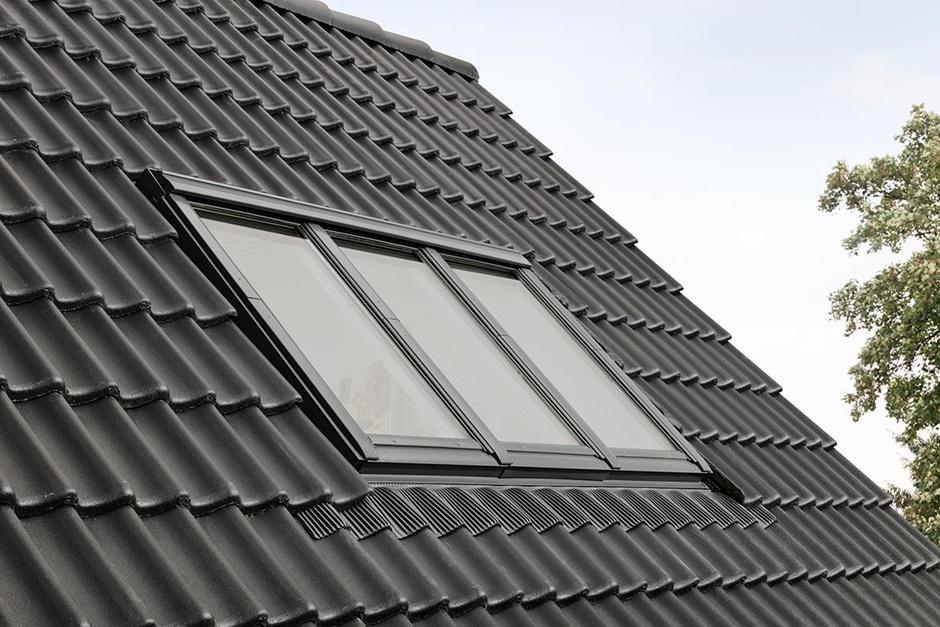
-
Does anyone know what the size limitations are for conservation area rooflights? Or can you have any size as long as they have the glazing bars? My planning permission for my conversion project does not stipulate a specific size and the granting doesn't have any conditions stipulating a certain size either so I'm guessing I have the flexibility but seeing as I want to comply with common conservation area rooflights I wanted to check if there was a law or guideline on the sizes allowed. I was looking at Velux 114cmx118cm SK06 size and adding the glazing bars to it.
-
Conservation Area Glazing Bars on Velux Triple Glazed
ashthekid replied to ashthekid's topic in Windows & Glazing
Conservation glazing bars are only vertical so never a problem with rain running off them.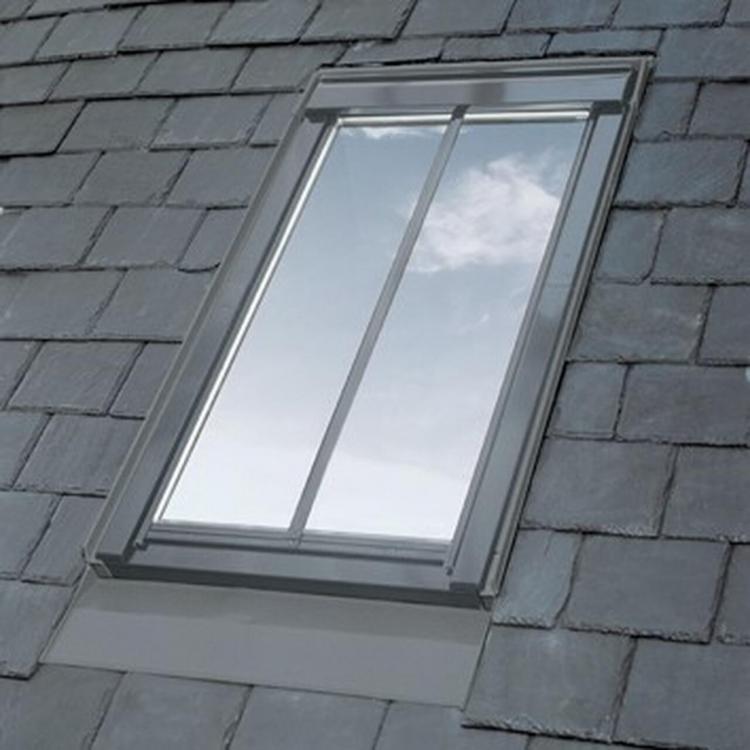
-
Conservation Area Glazing Bars on Velux Triple Glazed
ashthekid replied to ashthekid's topic in Windows & Glazing
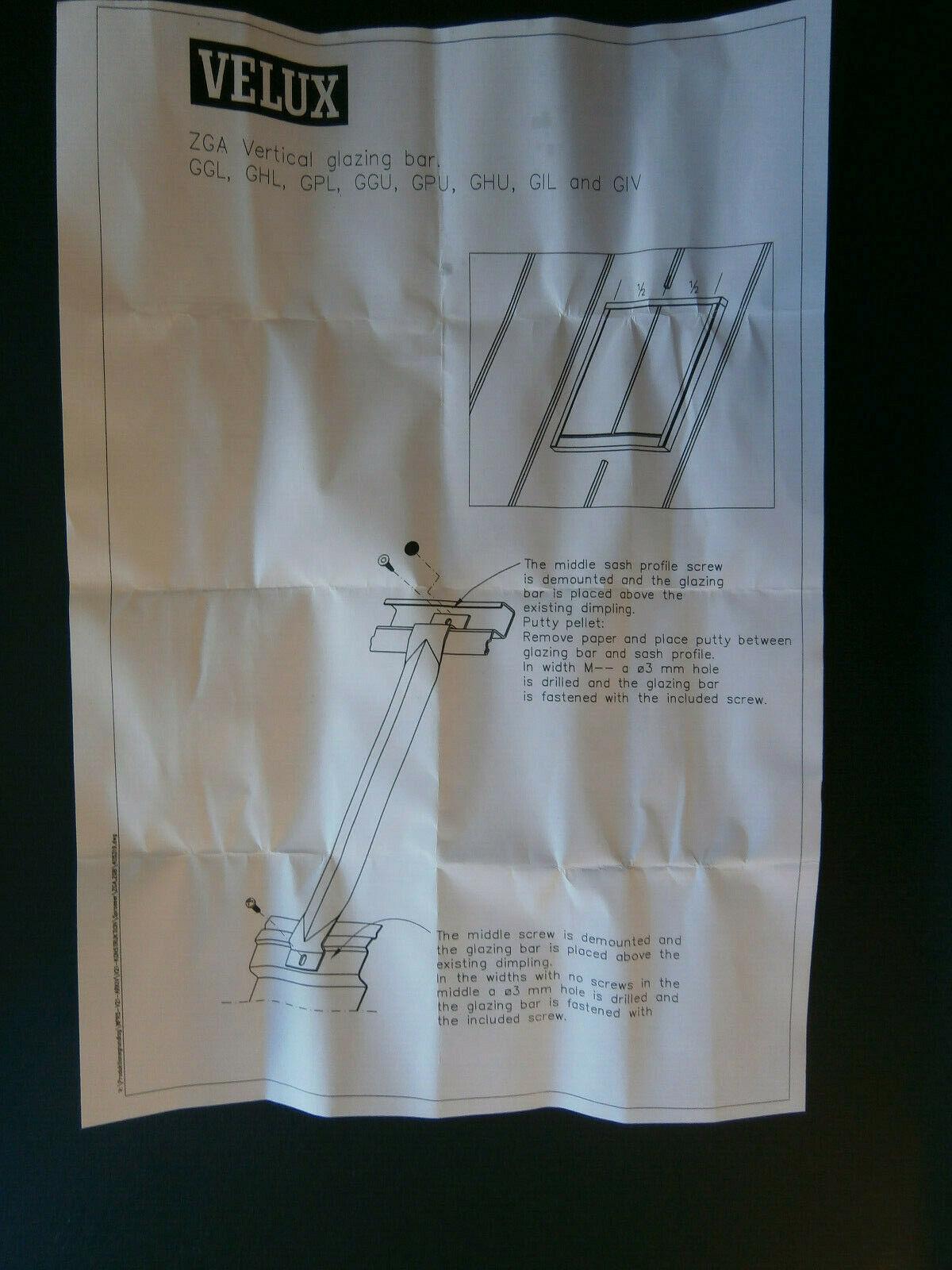
Instructions for fitting one here. Definitely not glued. It refers to dimpling at the edge which I guess is why this won't fit onto a triple glazed version. Surely just adding a little spacer behind this will allow it to fit on and be screwed neatly and easily?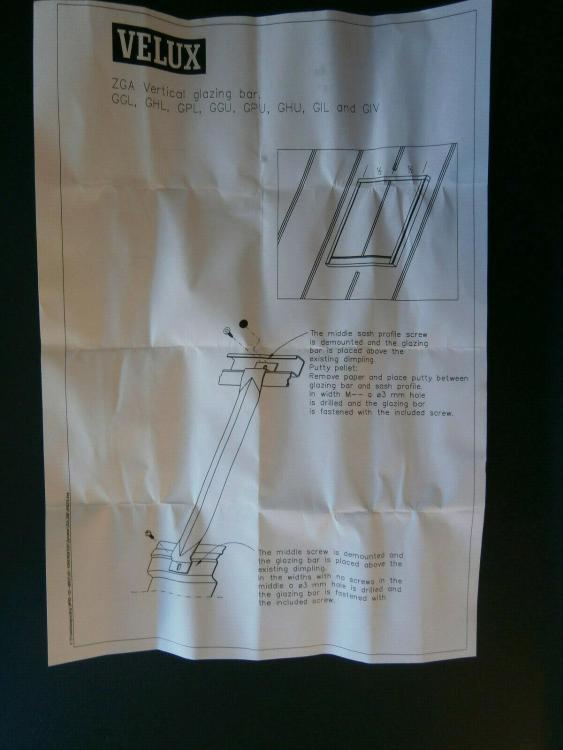
-
Conservation Area Glazing Bars on Velux Triple Glazed
ashthekid replied to ashthekid's topic in Windows & Glazing
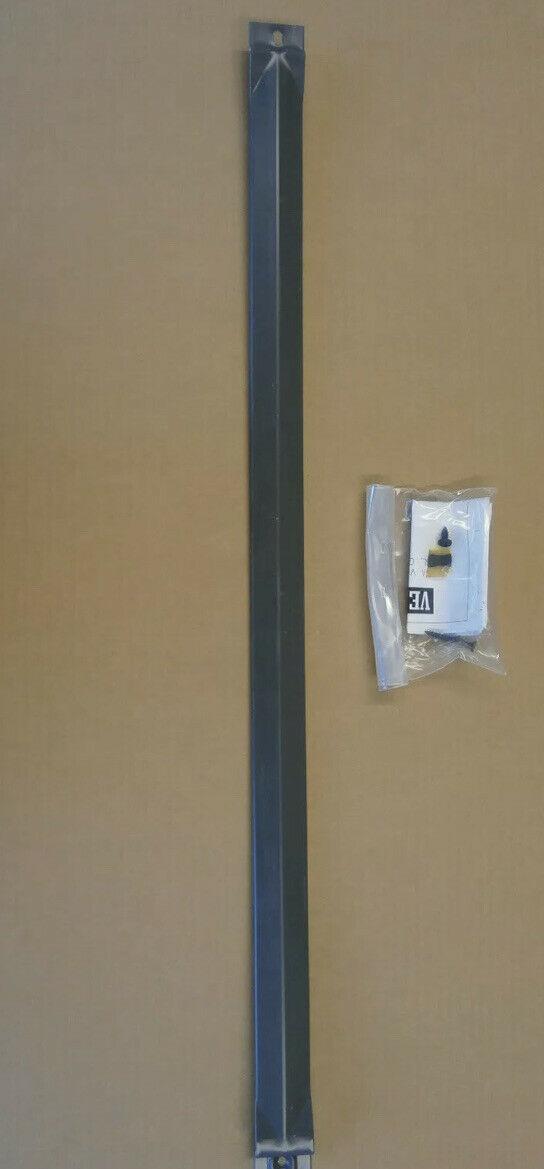
Just found this image that shows it a little closer. Looks like it is triangular shaped.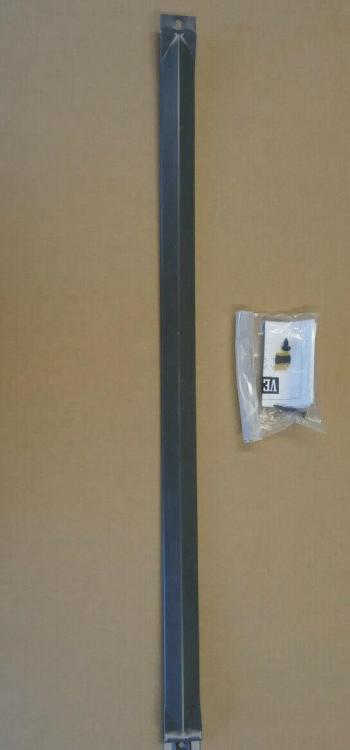
-
Conservation Area Glazing Bars on Velux Triple Glazed
ashthekid replied to ashthekid's topic in Windows & Glazing
It looks like it's screwed at each end. Velux say it will invalidate the warranty if it's put on a window they have stipulated it is not intended for as at it has screws then it would be pretty obvious you've tried to fix with screws. But I must admit, from doing a little more research, I don't see why I can't just glue these on with a special glazing adhesive. It doesn't say what material it is exactly but my guess is it's metal. I could maybe cut the screw parts off each end to make it work. Very frustrating Velux don't just supply a slightly modified version for their triple glazed range. This is the only image I can find of the Velux glazing bar online.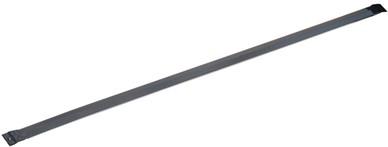
-
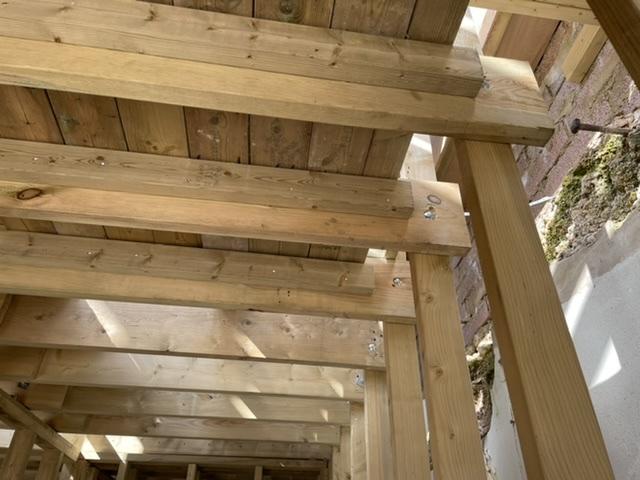
Here are some photos from today, hopefully it’ll answer any questions. It’s over a pantry room with another load bearing stud wall approx 1.5-2m over from the exterior stud wall so yes a kind of corridor if you like. I’m told the single bolt will have additional nails/screws going in once all carpentry is installed. the extra support between the joists is nailed in multiple times and then supported again underneath again as you can see in the photo. There will also be additional stud wall uprights where the bath is going in.
-
Conservation Area Glazing Bars on Velux Triple Glazed
ashthekid replied to ashthekid's topic in Windows & Glazing
I know, you would think so. That's what I would like to do to be honest. -
Hi, I'm looking at fitting SK06 triple glazed Velux roof light windows into my project which is within a conservation area so I'm having to put some glazing bars onto them. However I've just discovered that the glazing bars cannot be attached to any of their triple glazed windows but only the double glazed versions which is really annoying as I'll lose all the thermal and acoustic protection I would have got with the triple glazing. Is that true? It doesn't say that on the Velux window or any other suppliers online. Does anyone know of any other brand glazing bars or methods to create the conservation window style required?
-
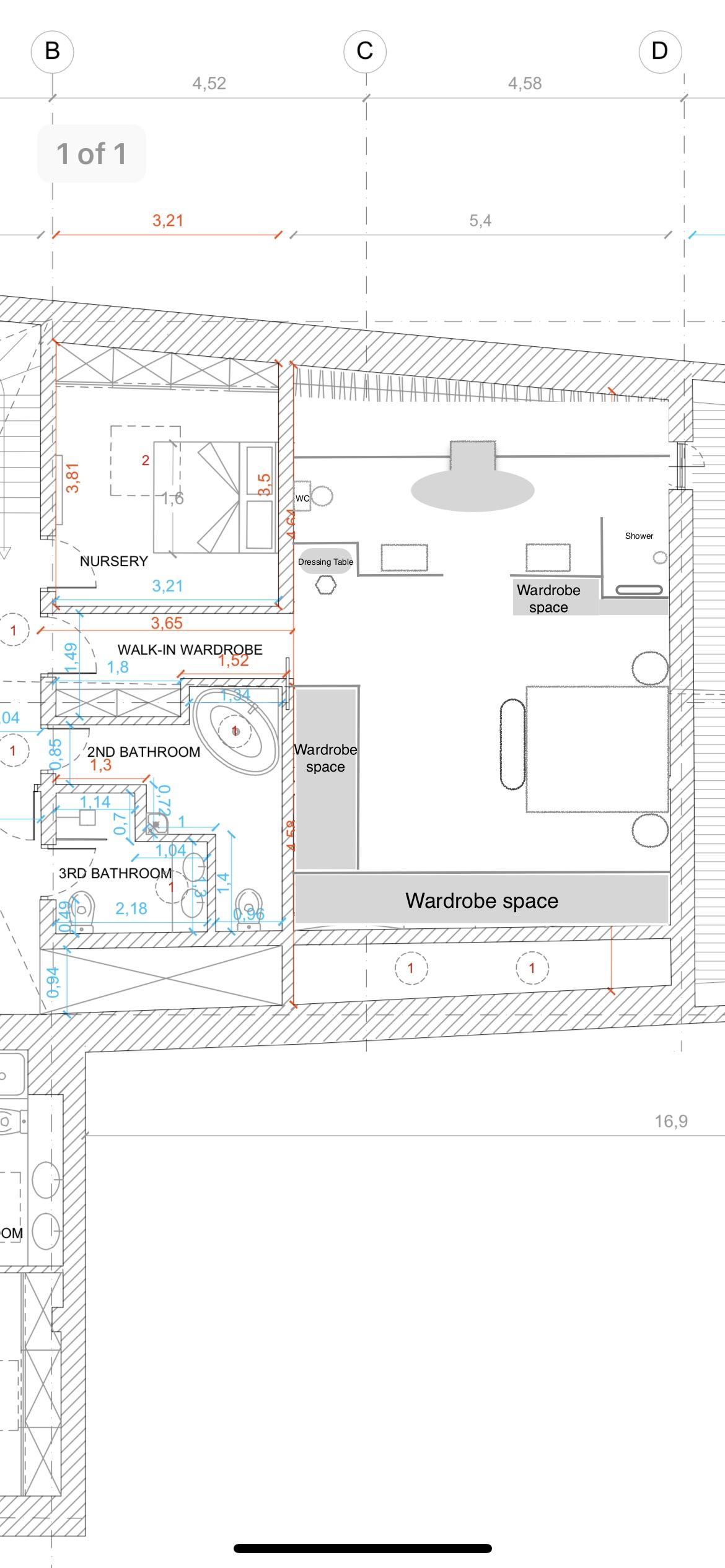
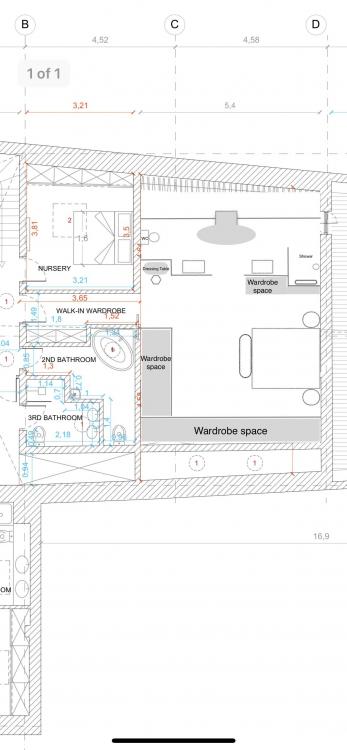
I'm told I definitely need an escape window in the master bathroom which is just off the bedroom in the top right bedroom and the top hung Velux window is directly above a bath. this is required to be no more than 1100mm from FFL. My question is: I'm not quite sure if the Velux window in the nursery bedroom requires an escape window as well because the room is directly accessed from the landing/top of the staircase. Is this correct or do I still need one? I would prefer not to as the vaulted ceiling is quite low and would be annoying to have to put another escape window in so low in there. I just wanted to check what the building regulation was on this? I assumed the master bathroom needed it because it was a room within a room that didn't have direct access to the staircase, whereas this nursery bedroom does.
-
Will my Building control officer ask for one on a conversion project which is an end of terrace commercial property being converted to residential? he hasn't mentioned it yet but I want to be prepared just in case and put in extra sound insulation just in case.
-
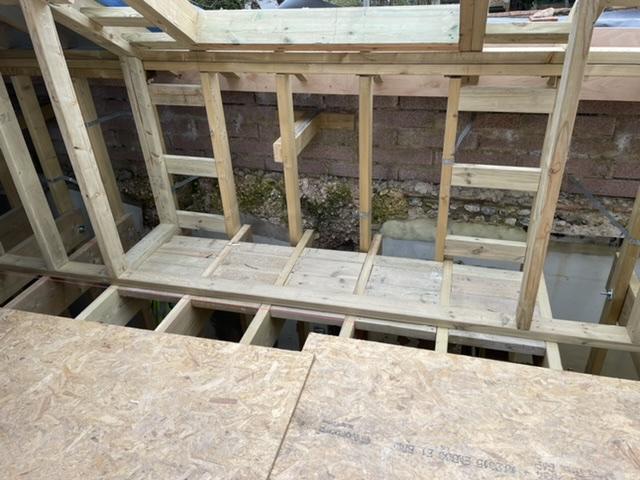
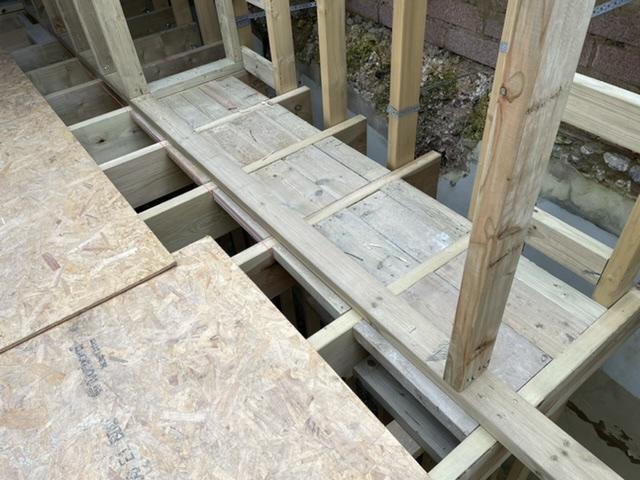
I’m referring to the extra supports between the joists. The joists are bolted with a single bolt through 50x100mm Grade C16 load bearing stud walls as per Structural Engineer specification. The bath itself is directly above a pantry roughly the same size as the bathroom above. In your honest opinion does that sound about right?
-
I am definitely planning to tile it. Do you think this will work in reinforcing the floor joists?
-
There are a lot of companies selling and installing them. They are popular in London where space is limited and listed buildings or conservation areas restrict any outdoor units. I just wasn’t sure if they are any good or not as aI don’t know anyone who has had one before. I’m just trying to find a logical way to cool down the rooms in the summer because they are loft rooms with vaulted ceilings. This seemed a sensible solution.
-
It’s this: 3.5kw (12,000 BTU/h) DC Inverter Water Cooled (Internal Condenser) Air Conditioning System
-
I've heard about these systems that have a cooling element to them as well. It potentially sounds perfect for me as I was considering putting an air con unit in for a couple of bedrooms, seeing as they are loft type rooms with vaulted ceilings. Has anyone had any experience with a MVHCR? Are they any good? If so which would you recommend?
-
Anyone had any experience with using water cooled air con units? Am looking at them for my project in a conservation area so no outside unit will be allowed - everything has to be internal. I've read that these water cooled units can be quite a good option in my situation. Or would having an add-on air-to-air heat pump onto a potential MVHR system be just as efficient? Any ideas for cooling down the rooms, especially the bedrooms and kitchen/dining area that will both have vaulted ceilings so potentially very hot rooms during the summer.
-
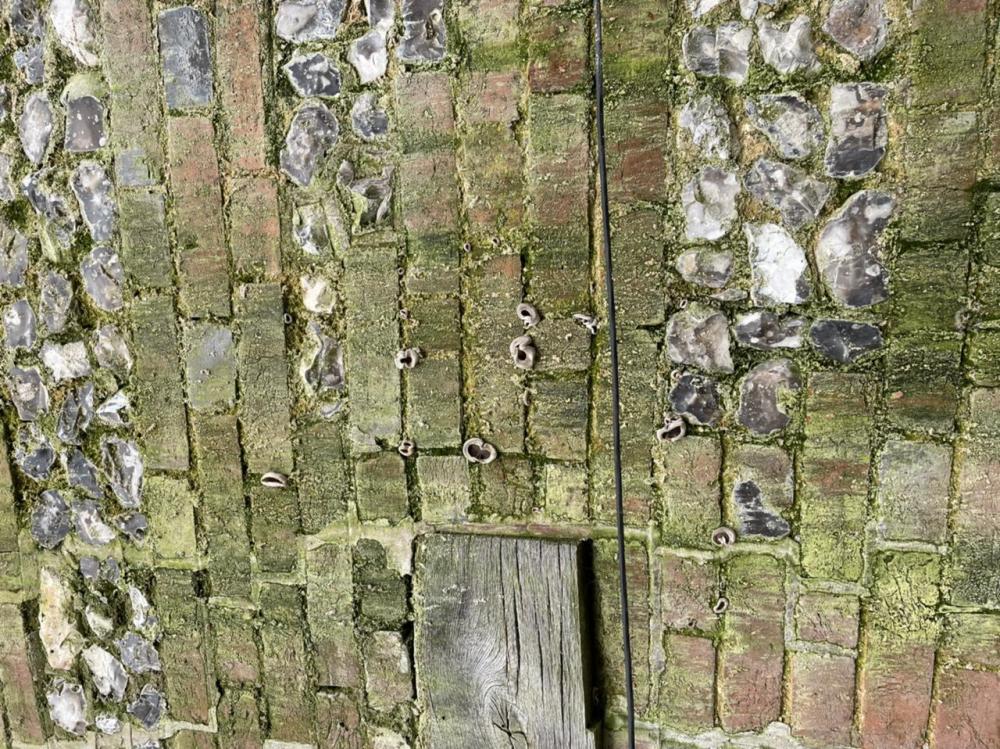
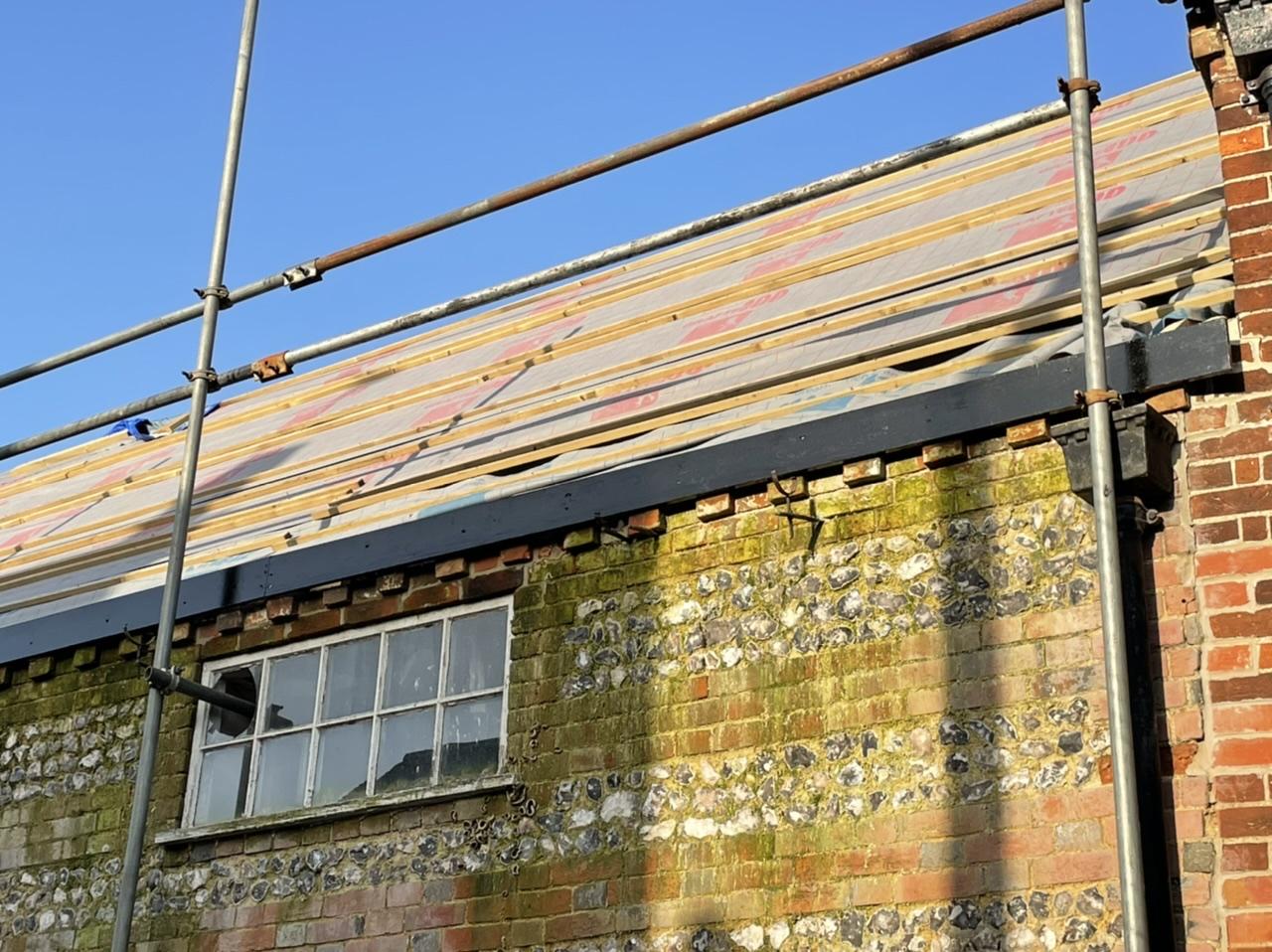
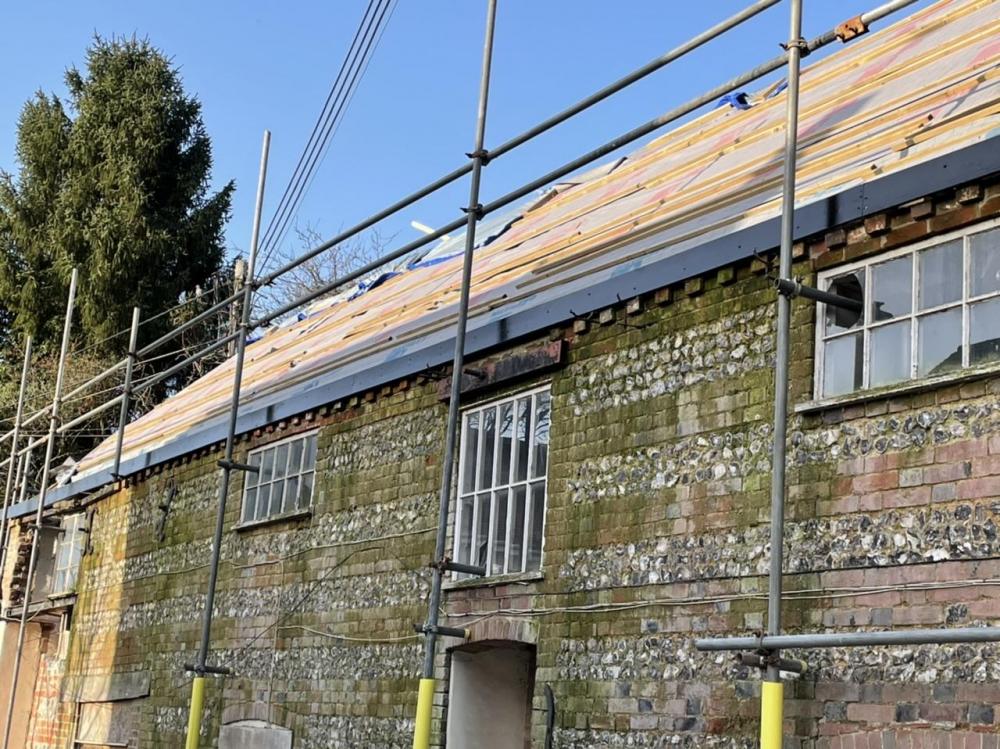
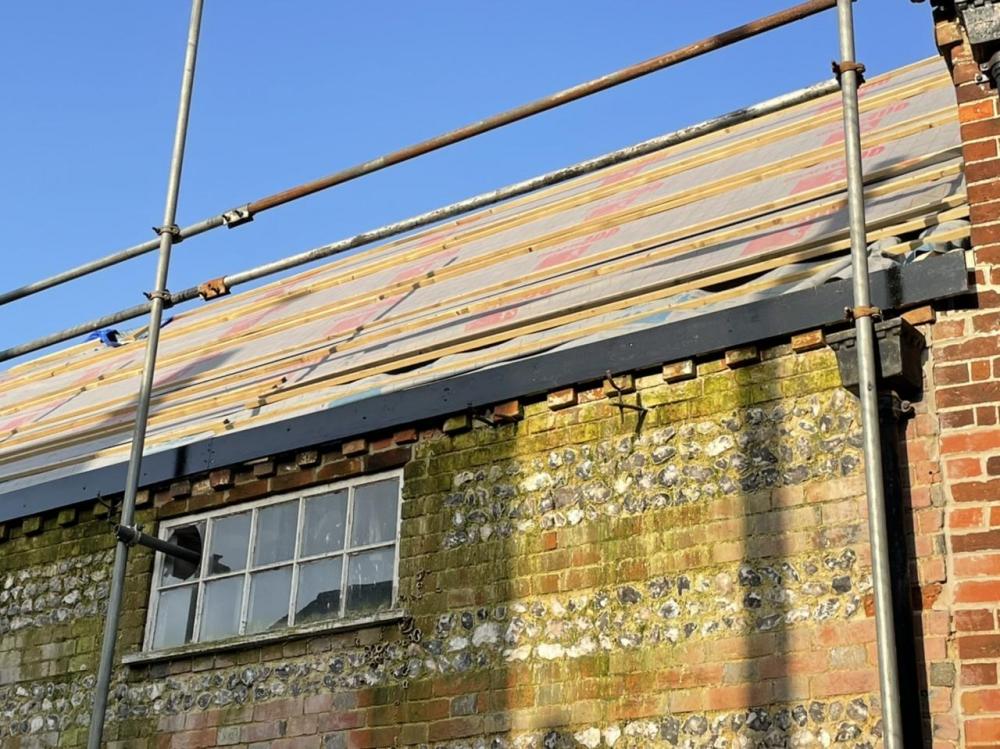
Yes, no guttering at all currently. I’m hoping when the new guttering goes on and new roof slates, it will stop this getting worse. But what can I do about it now? Just wash it off or treat it? It will need re-pointing for sure to replace the soft grouting in between the bricks.
-
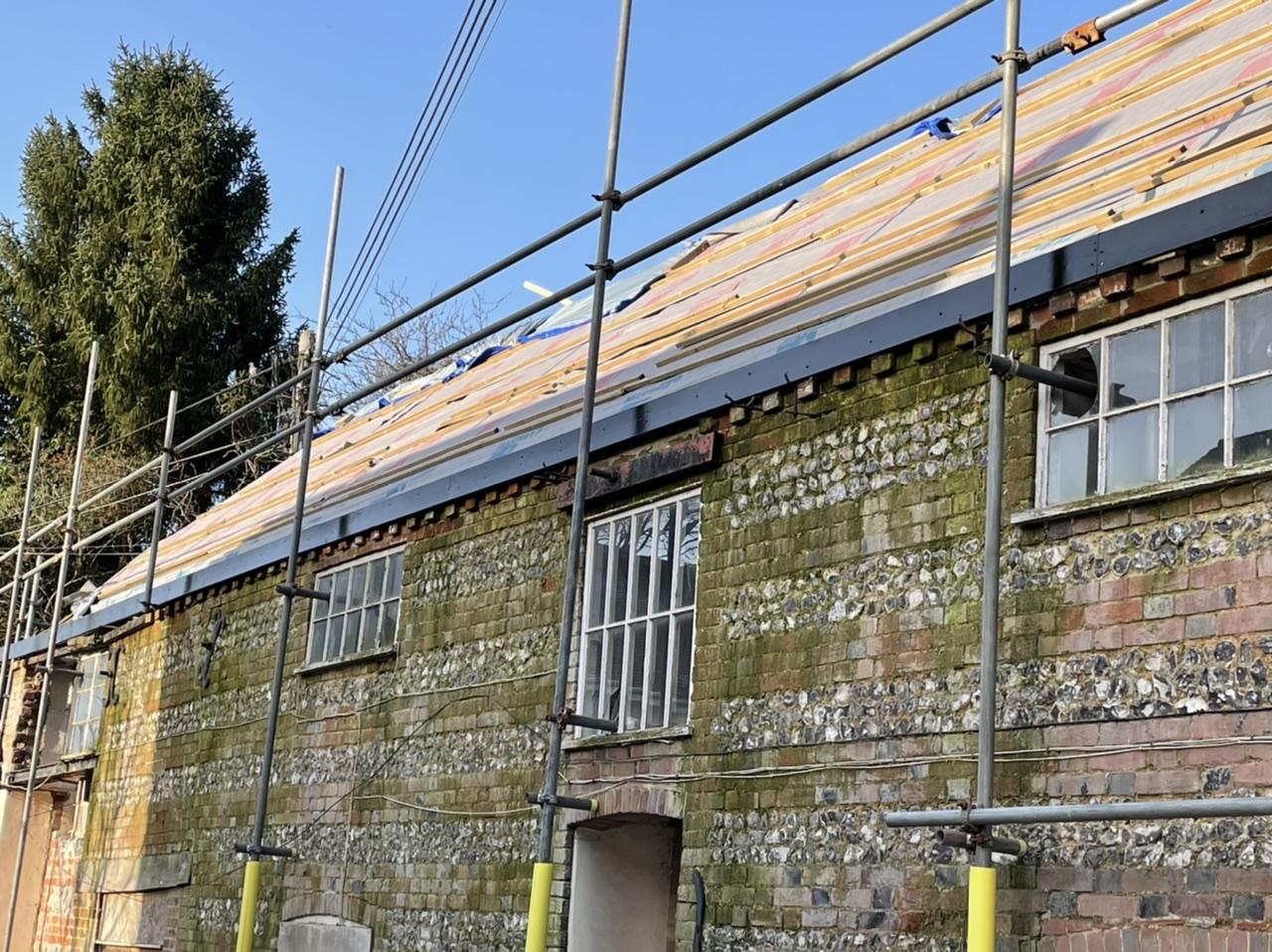
The only change that has happened since the start of the project is the old slate roof was removed and had to be replaced with new because if it’s condition and then a new timber roof structure has been put on but not tiled yet. That has only been temporarily felt and battened with long blanks laid across the front to protect the street from any falling debris. As a result the guttering was hidden so any rain falling on the roof was being directed directly only the brickwork rather than into the gutter. This week we have had a new row of wooden painted suffix which you can see from the photo below. It’s a residential street so no bakery or bonded warehouse nearby. You can just about see the joining terraced neighbouring property on the right and how it’s brickwork is immaculate in comparison. That’s how ours used to look before the project started. I’m just worried what is happening now is causing irreparable damage.
-
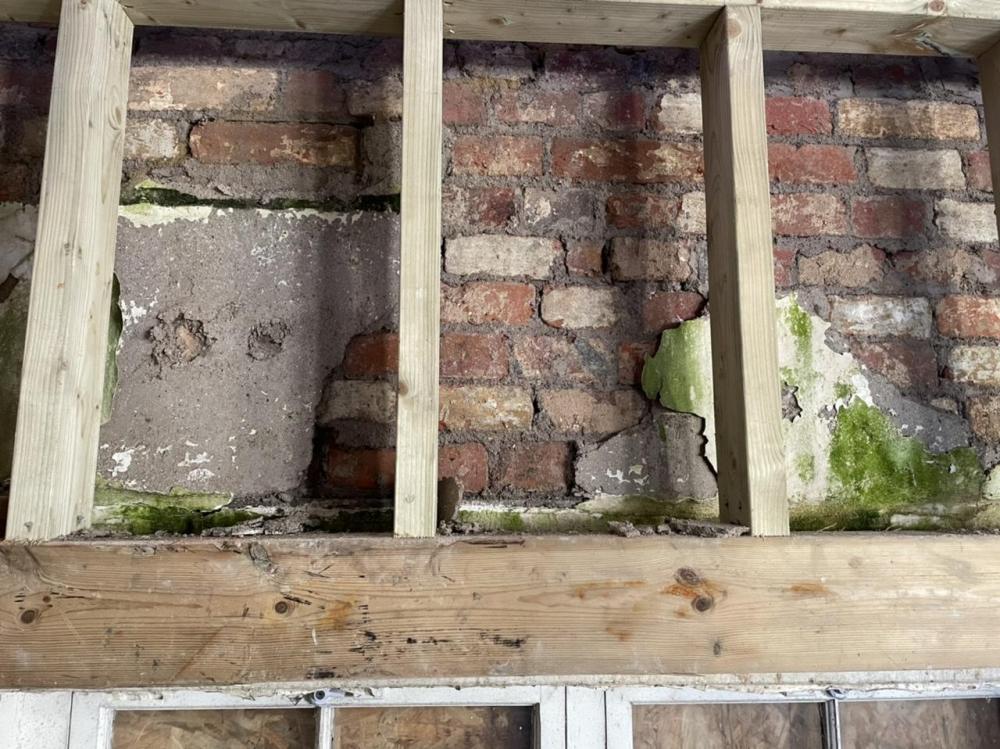
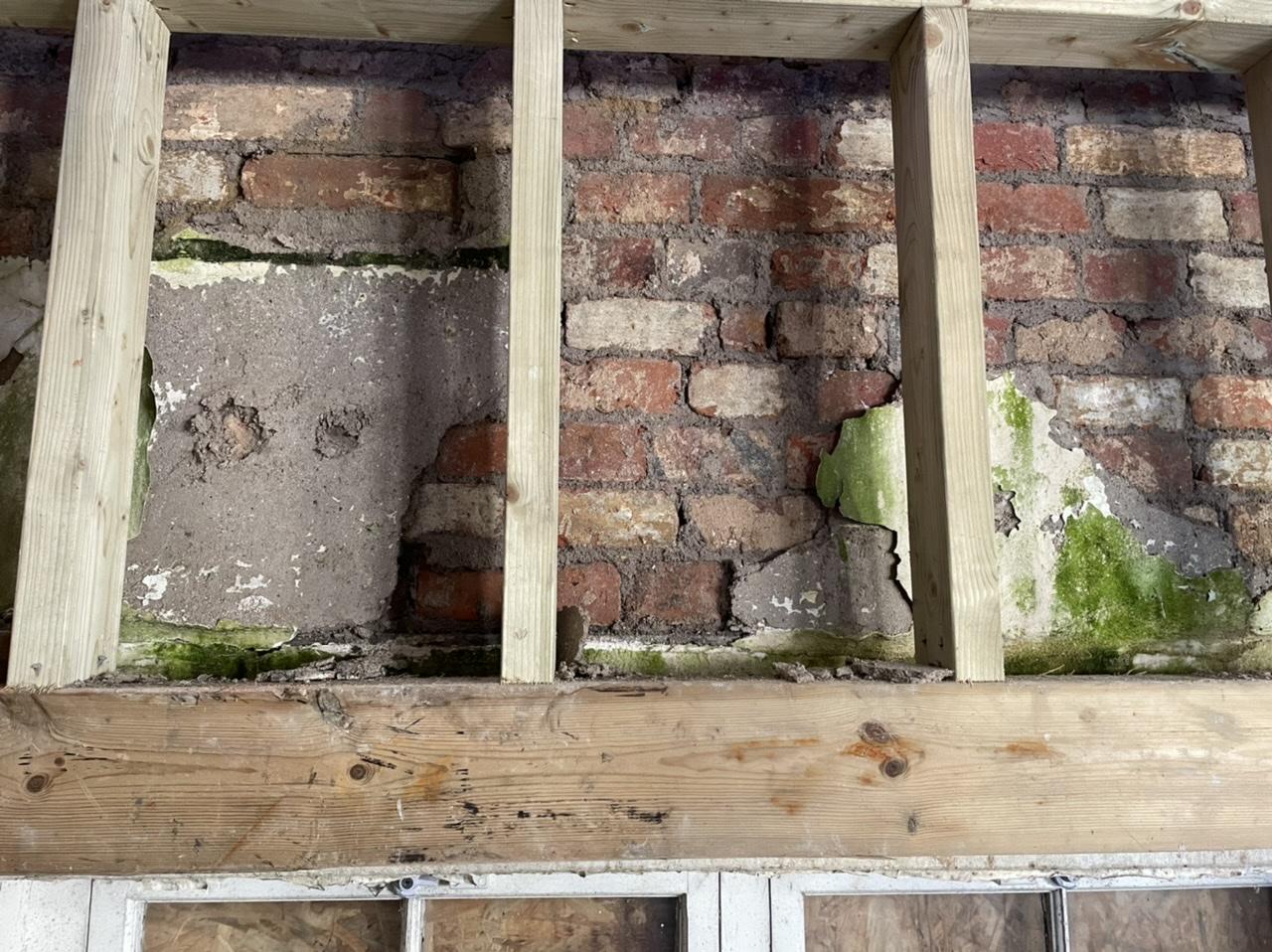
I'm not sure if this is the correct forum for this question but I'm currently in the middle of a conversion project whereby we are building a timber frame property within the single skin of an existing old building that dates back to circa 1800's and used to be listed but is no longer. The old brick wall was covered in what looked like a thick mortar and horse hair mixture on the internal side that has literally fallen off in my hands in huge slices and now the external brick wall that is facing the street very closely is starting to grow mushrooms out of it! Quite clearly there is dampness within the wall and the grout between is a lime mortar by the looks of it that is very soft to touch as well. It was nothing like this before we started the project which is very confusing. I attach photos of both the internal wall which I have now mostly peeled back to the brick surface and the external wall where mushrooms are now growing. What can I do to overcome this issue and stop it from getting worse.