ashthekid
-
Posts
356 -
Joined
-
Last visited
Everything posted by ashthekid
-
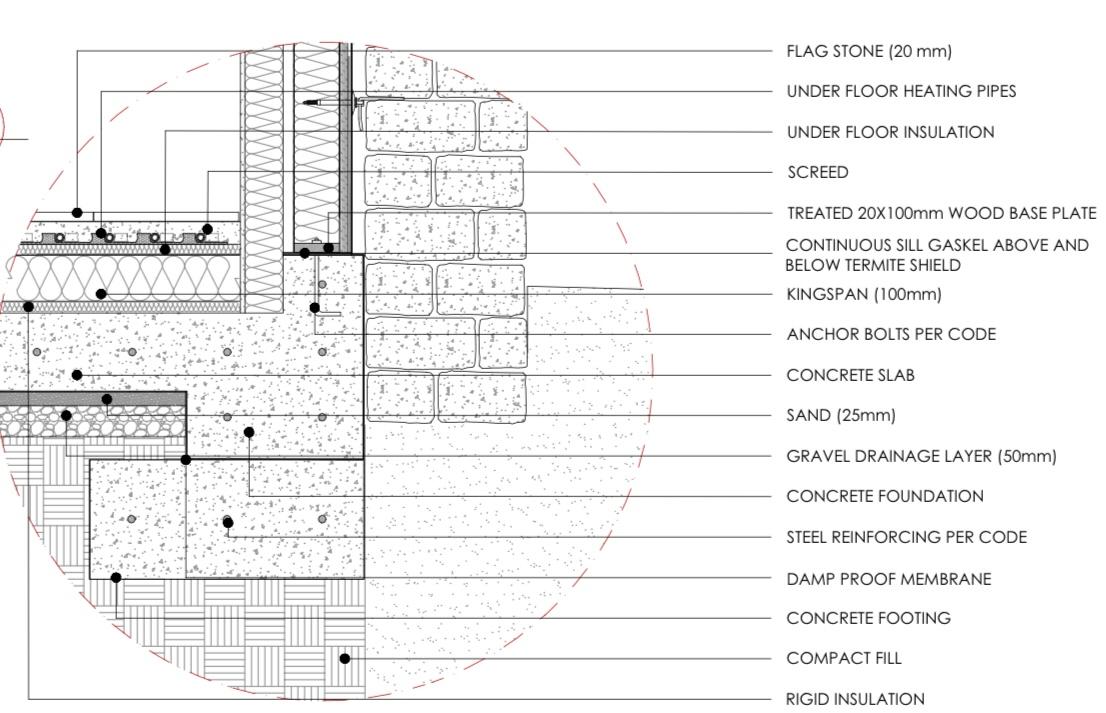
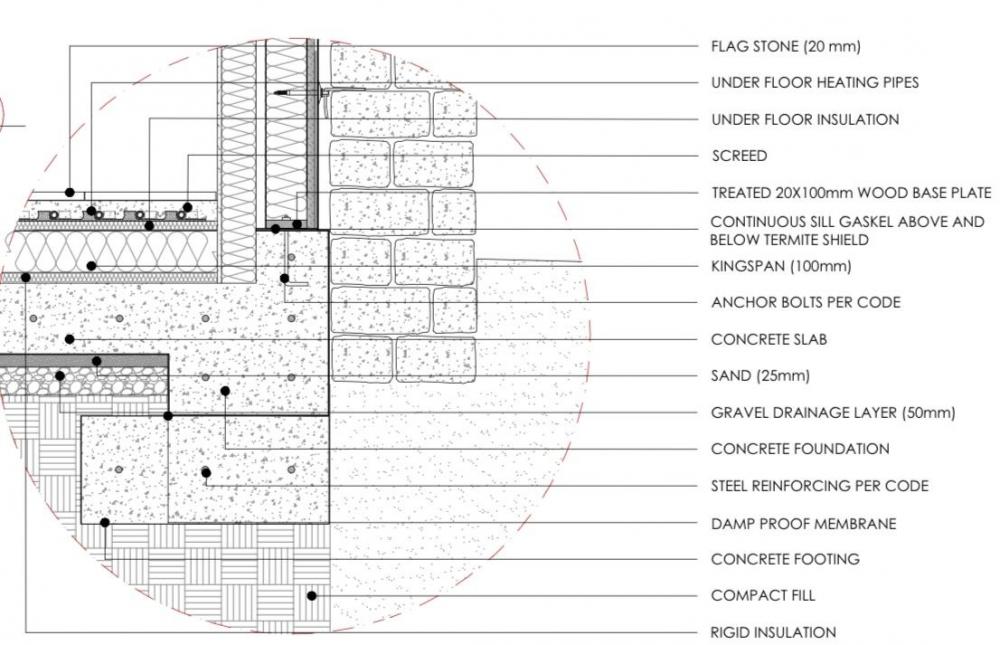
Thank you @A_L That is what I wanted to know. No termite barrier - European architect feature which is not happening. The external wall foundation detail is not needed as it is a wall that already exists. We are only building the new internal wall and slab.
-
Yes in this country ? @Russell griffiths So going back to the question of the 100mm insulation, what do you recommend as the best heat retention option? Or does all PIR have the same level of retention? Just trying my best to be efficient and make the UFH do its job properly.
-
Good question. I should have said that the only change to the layer detail is that only one layer of 100mm insulation is going on top of the concrete slab itself, then UFH, the screed which I believe is approx 25mm, then finished floor tile. No other insulation.
-
I am just wondering what the best floor slab insulation is recommended for maximum heat insulation efficiency with UFH? Current plan is for 100mm Kingspan to go in, we cannot go anymore than 100mm, if anything I would prefer to go lower if possible but then I know we won’t have the most efficient insulation for retaining heat.
-
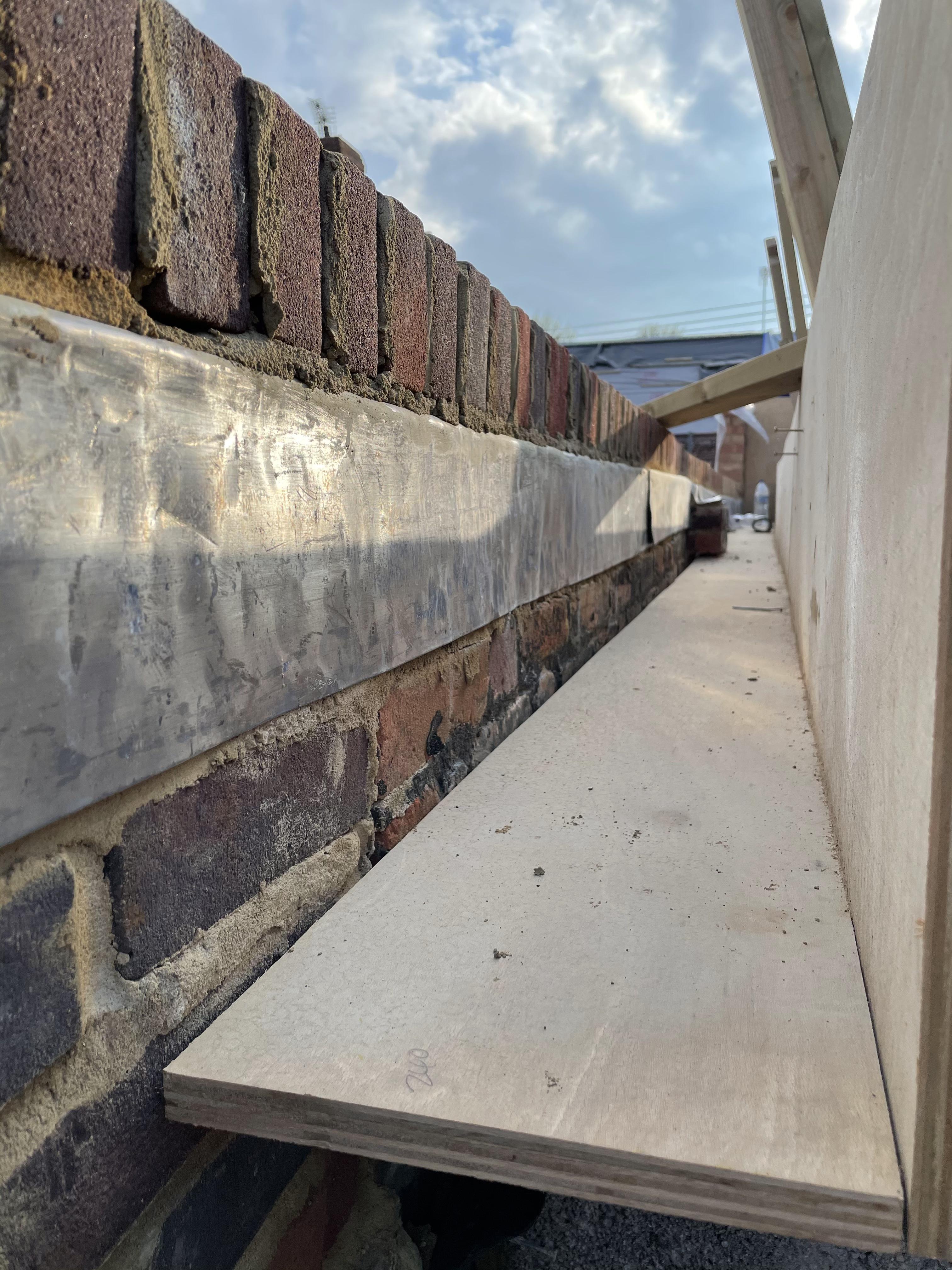
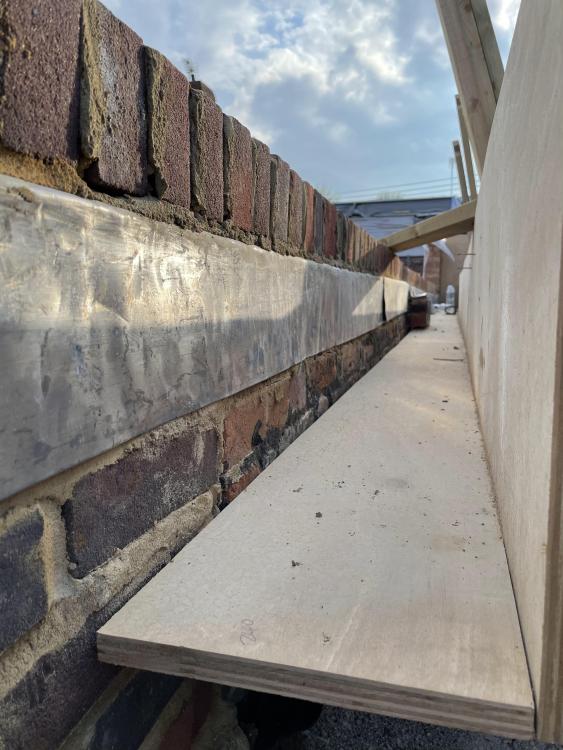
Ok so let’s forget the wood fibre option as those points @SimonD has mentioned are very valid & I totally agree with. Therefore I’m left with the PIR rigid form or perhaps a moisture proof Rockwool option which would be cheaper by the sounds of it. I’m told the box gutter will be lined with a resin with the brick edge header course having lead flashing that will flap over the resin. I have a photo from today in site showing the box gutter being formed.
-
That hasn’t been mentioned or identified as being required by building control assuming it’s them who would request it?
-
Rainwater pipe reline or alternative option?
ashthekid posted a topic in Rainwater, Guttering & SuDS
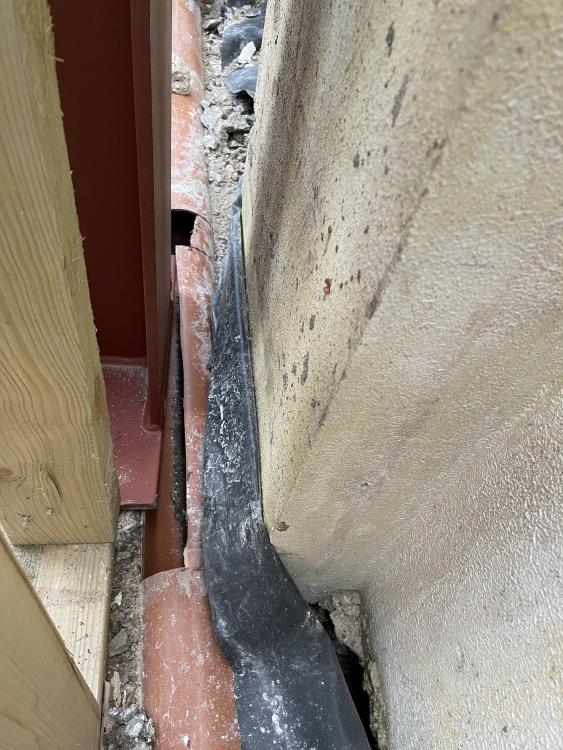
Hi, I have a rainwater pipe that unfortunately needed cutting to make room for a steel base plate to slightly stick into it, only a tiny bit at the top so not necessarily going to touch any water directly but I am thinking of the best way to re-seal the pipe now that it’s a slightly different shape? The section cut out will no longer fit of course and so the option I found when researching online was to have that section of pipe relined with a resin kit where they inflate a tube inside the pipe and then pump resin around the tube to completely reline the whole pipe. This seemed fine until I started getting quotes. A few companies have said it’s impossible to reline because the shape is no longer circular yet others have said it’s fine. I don’t know who to believe or if there is an alternative way of sealing this that I haven’t seen? It’s a tricky area to photograph but I attach two photos from either side which clearly show how little the steel sticks into it now. As this is the ground floor slab where it runs across we run the risk of leaking or worse(smells coming back through as this is directly linked up with mains drain about 3-4m away) into the room that is there and with 100mm insulation layer, screed and UFH yet to go down this could potentially cause a serious problem in the future by leaking underneath that unknowingly. What can I do?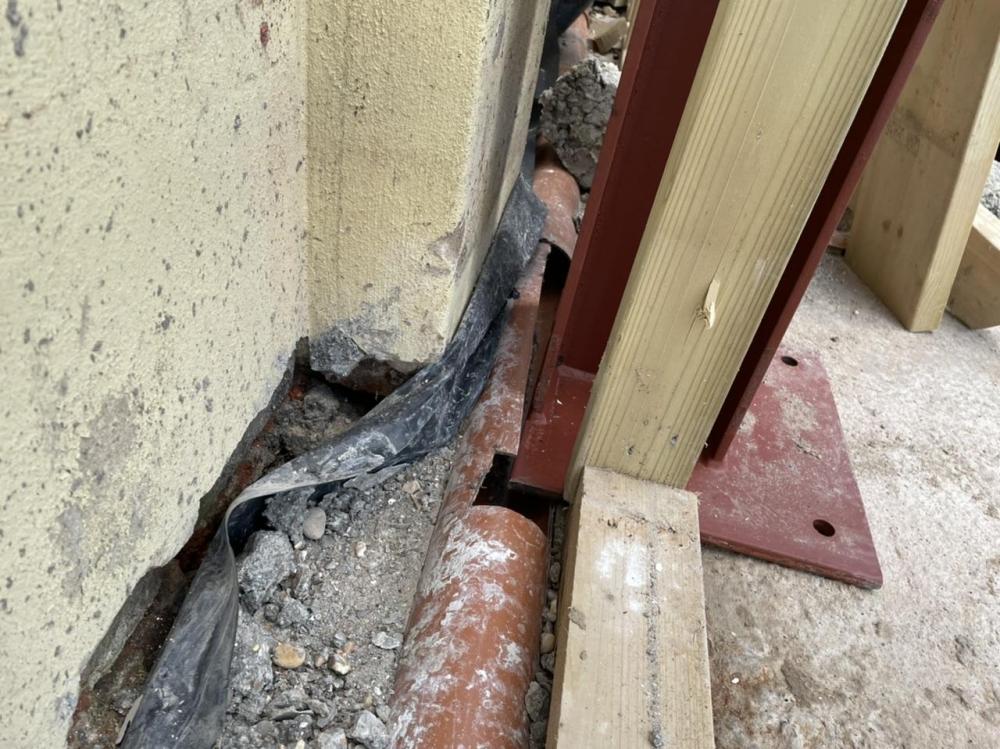
-
Is it regulation to have some sort of membrane layer? I must admit I have seen it before when looking at other similar sketches of wall layers like this. Without a membrane layer am I best to make sure we have one installed? Or can I just get away with putting a fibre layer of insulation in and that will suffice?
-
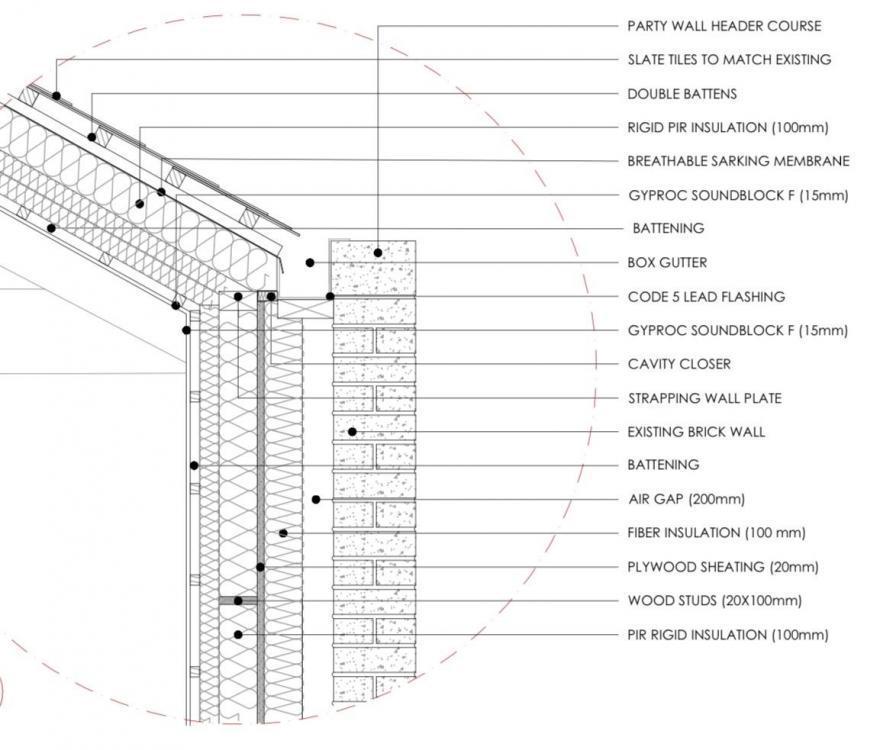
Both side walls are outside walls, only a stretch of about 5m is adjoining the neighbouring property directly. Yes there is 100mm PIR between the studs and then 50mm on the inner side of that stud wall so there is already 150mm total of PIR. Then the battening and soundbloc plasterboard. Anything inside the cavity will be extra and there is a layer of plywood that go in between all of the above and any potential cavity insulation. So in theory I wouldn’t been for massively for more PIR but for the cost I would benefit from 100mm fibre insulation?
-
Thank you Marvin, that’s really useful info. So having any insulation would make enough of a difference by the sounds of it and celotex would be better from a thermal point of view which is what I assumed. Whether that number of extra kW per day would equate to a noticeable sum per year I don’t know. We would be running UFH from an Air Source Heat Pump and everything is on electric as there is no gas in the village. It’s just a shame celotex is a lot more expensive than fibre insulation.
-
I have a wall layer setup planned like the photo below. My question is on the 100mm fibre insulation going inside the unusually large cavity gap which is approx 300mm wide in total. This is an addon that I have to justify cost wise so I’d like to know what your thoughts are on what is the best form of insulation for heat and acoustic protection that is cost effective? The contractor has suggested putting rigid PIR 100mm in instead and that it would be easier to fix to the inside stud frame but this can work out quite expensive. What are my options? What’s the cheapest but most effective heat/acoustic wise? It’s approx 60sqm. Is this 100mm really going to make a big difference to U-values?
-
Any takers on this topic?
-
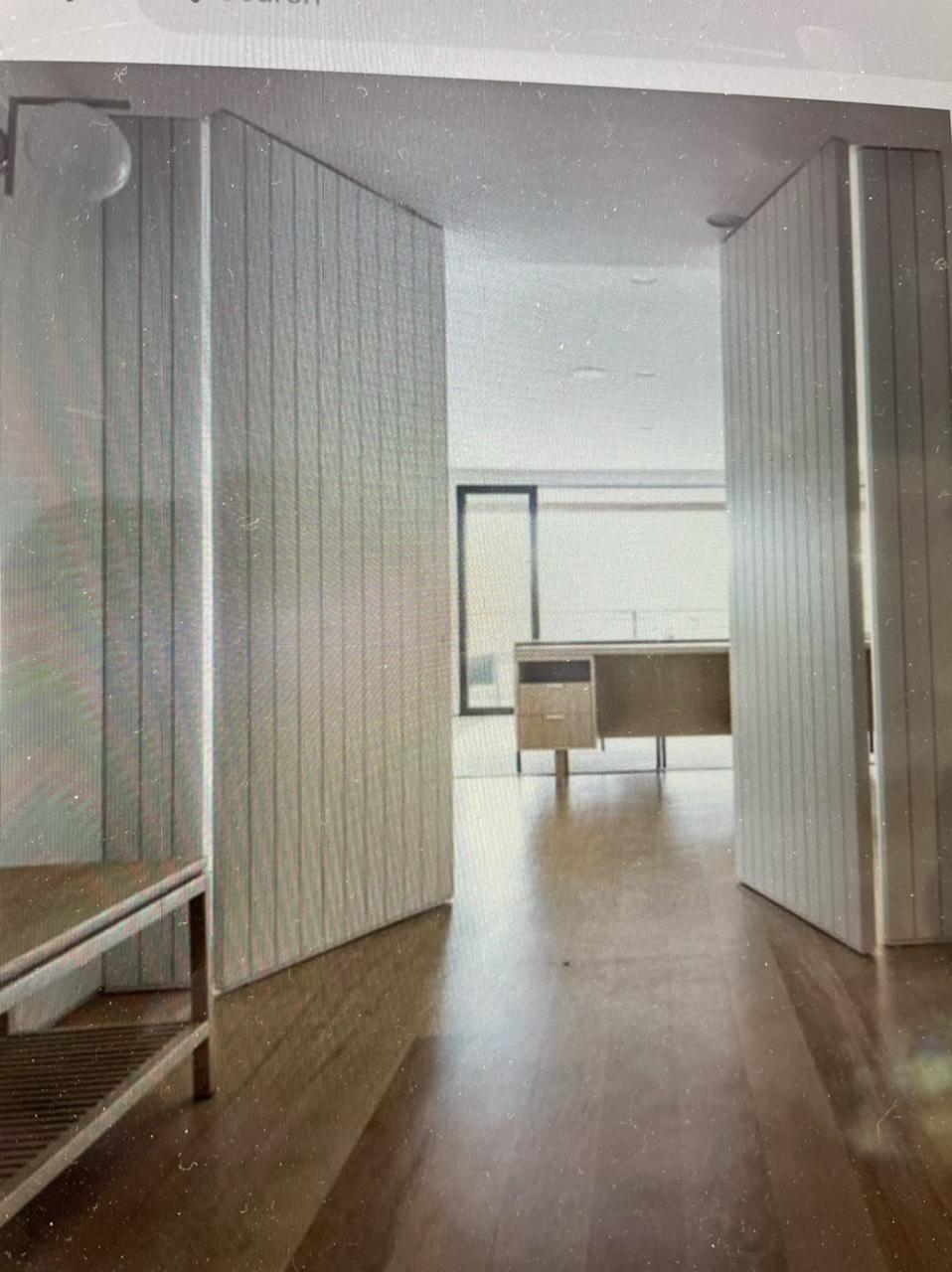
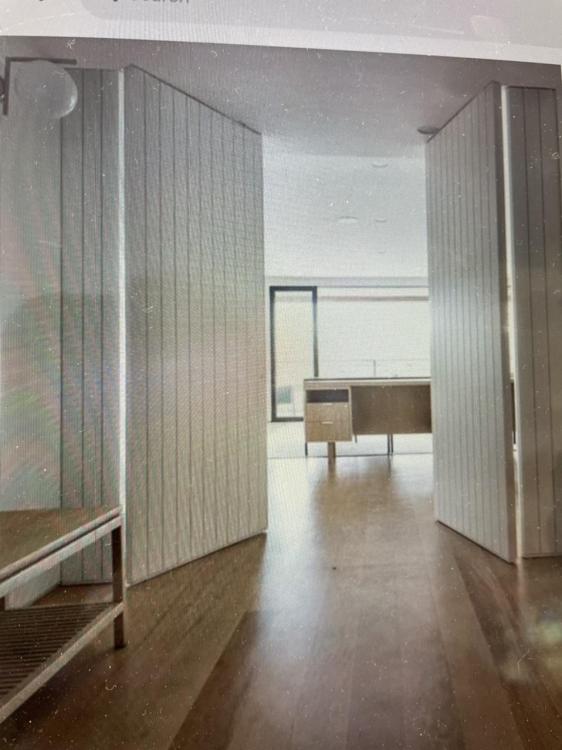
I know this would most likely be bespoke but has anyone created a single door that is 2.5m wide before? Can it be done with normal door hinges? Adding a little support wheel as well? I’m trying to be clever by creating a door that is like a false hidden wall as well. Something a little similar to the door on the left in the photo below.
-
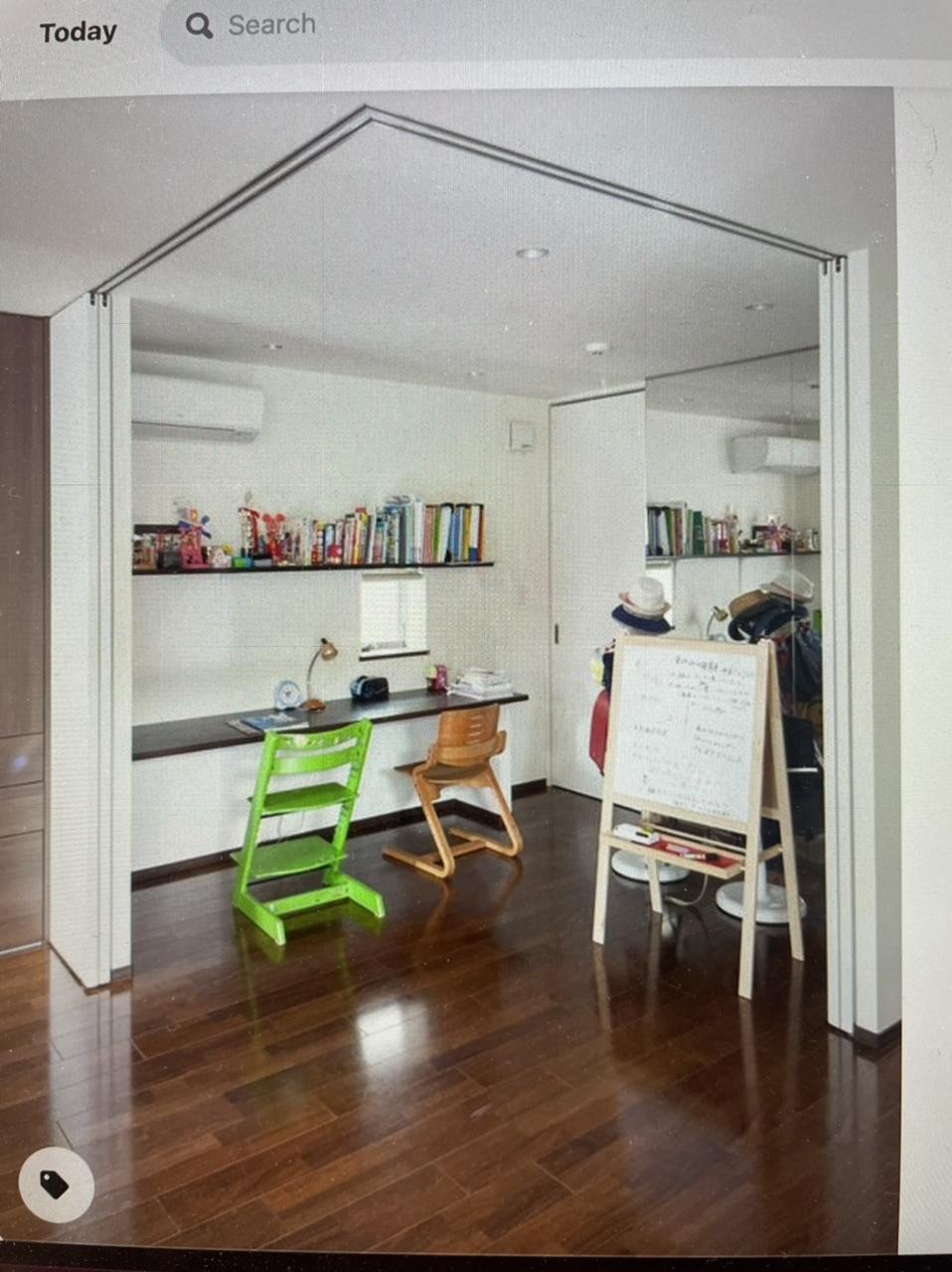
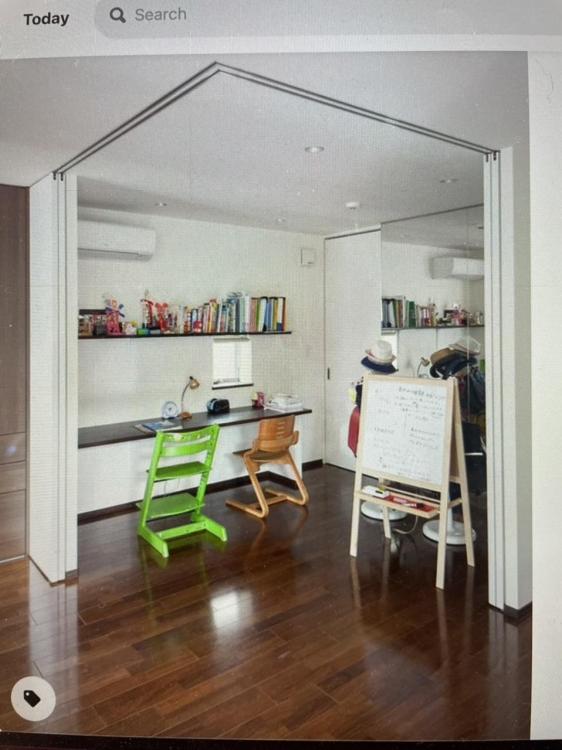
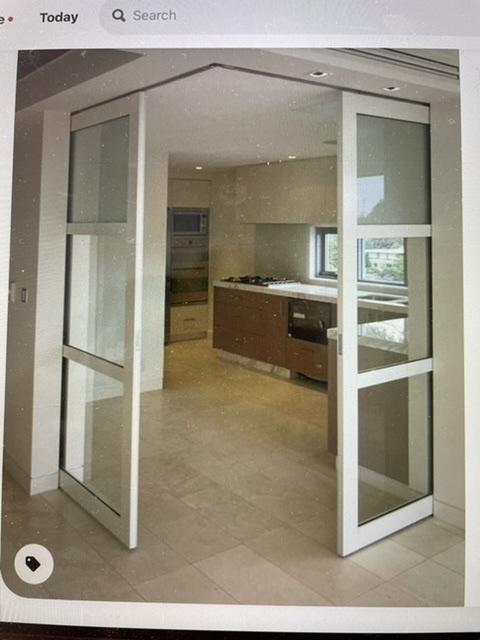
I have an internal room where I am looking to have sliding pocket doors/walls that is also a corner so the two sliding areas will meet. I don't want any track on the floor and would ideally like the top hung track to flush with the ceiling but because we have a steel in place it's going to be virtually impossible for that. Something like the photo below sums it up nicely. My issue is finding a UK manufacturer for something like this. Tye systems that seem to tick all the boxes are either from USA or Japan. Who is the best UK or European manufacturer to use for as thin a track as possible and does anyone know of a hidden magnetic system on the ground floor to keep the doors on a kind of track to stop them just swinging when closed up?
-
I’m not sure the conservation officer would allow a lockable post unfortunately but until I own the land I won’t be able to enforce any private parking/access only on it.
-
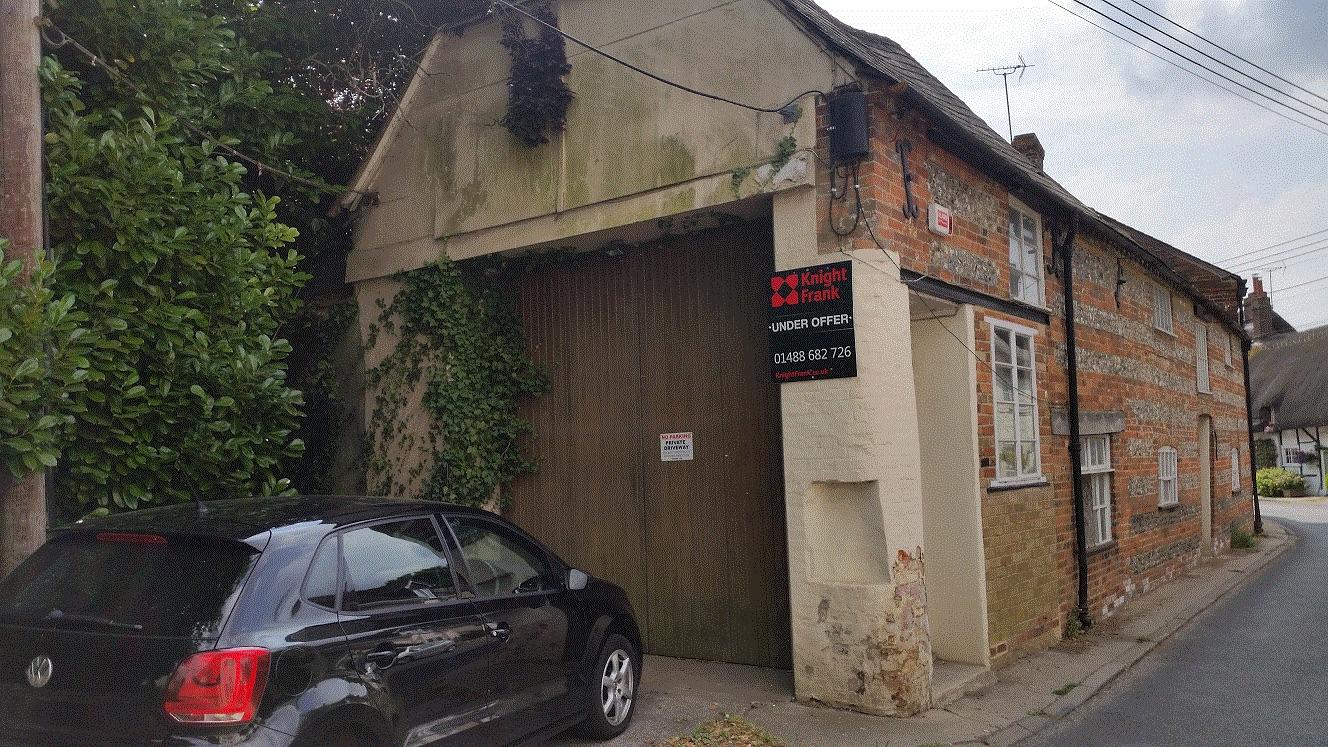
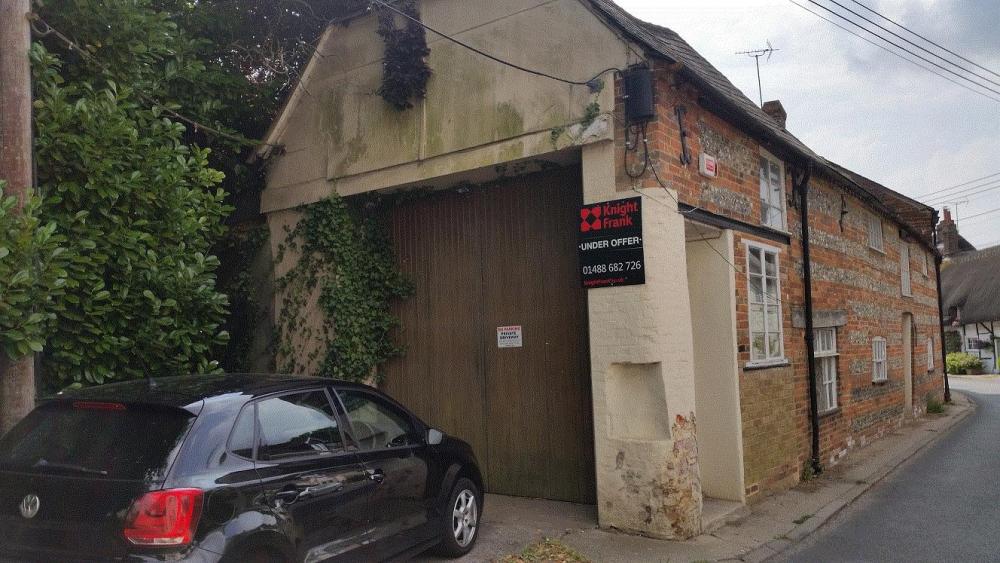
The Under Offer sign was taken off 3 years ago when I bought it but you are right, during the time it was up for sale people took advantage for sure and now still do.
-
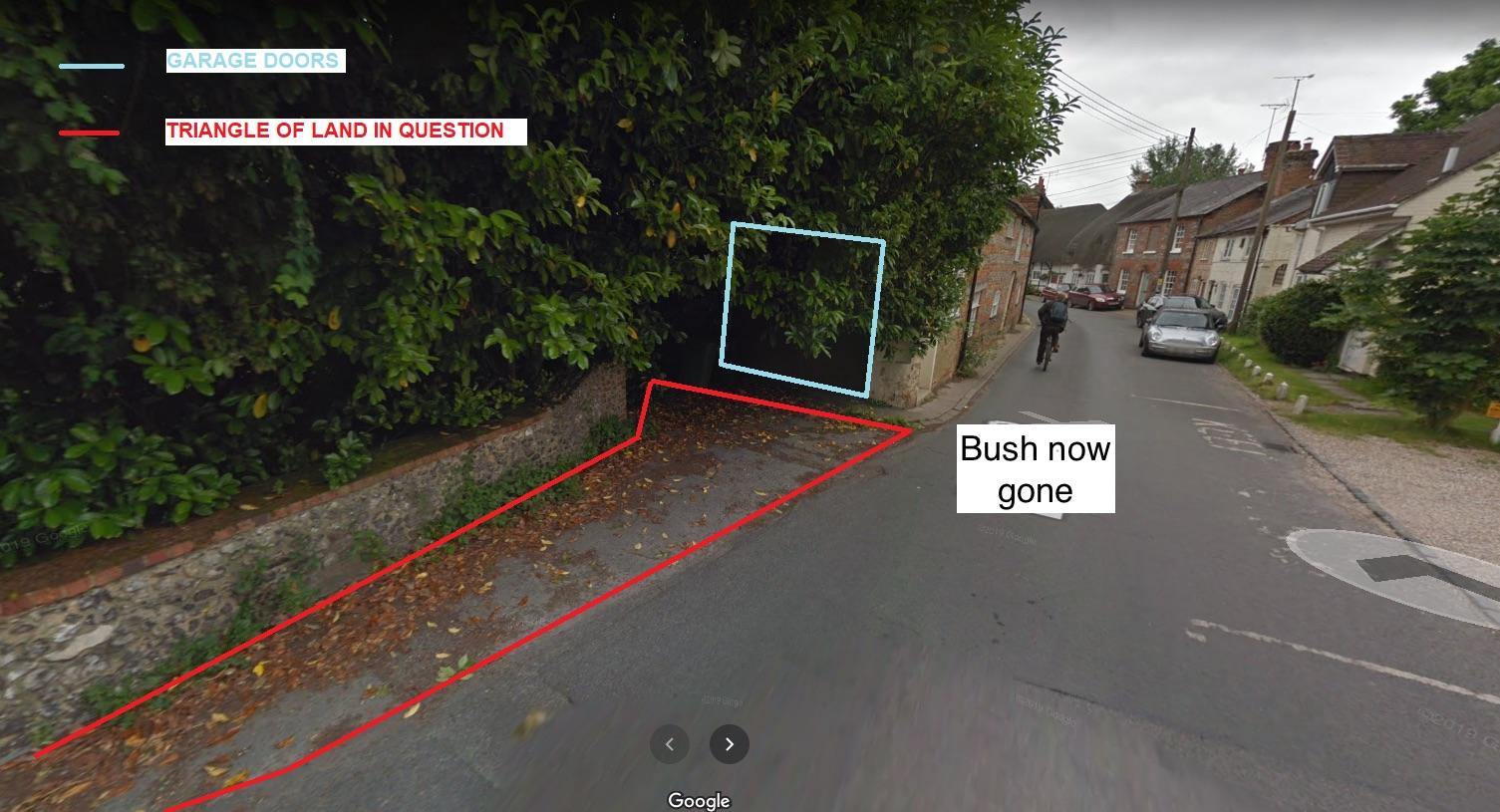
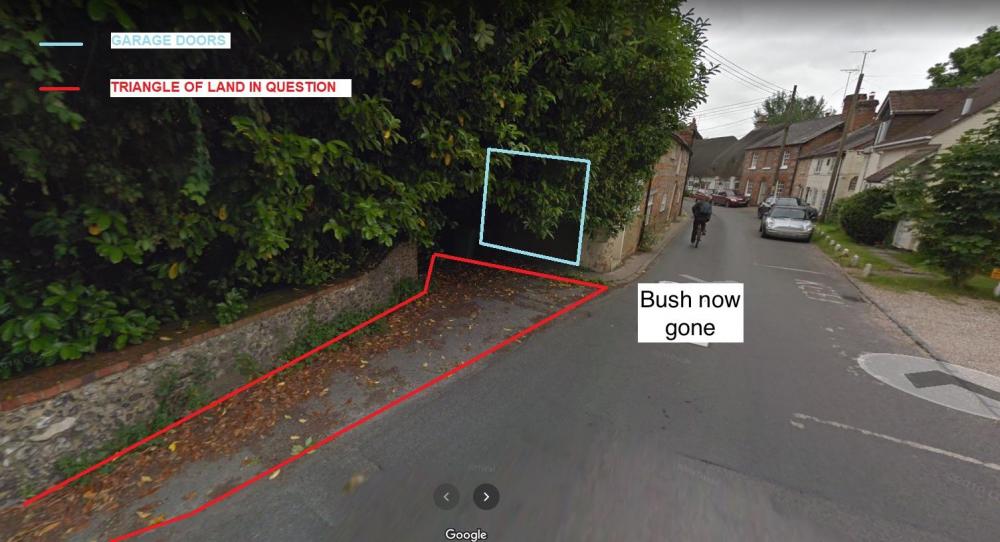
These photos are quite old now but they the best ones to show what I mean. The car parked is just one of many who consistently park there but the current owner of the neighbouring property isn't understandably concerned because it's not affecting them. It does of course affect my access to garage doors and also the pathway that should be allowed as per my right of access to maintain the wall along the side of my property and gain access to my back garden. The outline in red is the land in question. Please ignore the large bush which is gone now. It might be a bit confusing.
-
@Ferdinand I think you are right. It’s just a bit of tarmac with no character or link to the Listed property whatsoever that random people park on without permission(and ignoring the “No Parking - Private” sign) which then blocks my Right of Access to my property. The neighbour isn’t too concerned about it as it’s bizarrely outside their front brick wall boundary and that’s why they are happy to transfer it over to me because it means they don’t have to deal with the hassle of people parking there and also maintaining it. The land is worthless because it’s kind of part of the street with no raised kerb or anything like that. Nothing could ever be built on it. In fact, when highways resurface the road they tend to always resurface this bit as well which is probably why people randomly park there. Ideally when I own it I can put some kind of tasteful white line on the road to clearly mark it out as Private, with only me being able to park there.
-
I am looking at purchasing a tiny bit of land off the neighbouring property which is a Listed property(mine isn’t Listed). It’s only a corner section big enough to park a car directly off the street(no kerb exists and there is already an opening in the wall so no demolition works either). I already have a right of access over the land in question for access to a garage door entrance and access to my garden. I would like to know if anyone has experienced anything like this? Is it a simple procedure? Would Listed Building Consent be required even tho no physical building is involved, just a tiny bit of land on the corner? Am I wrong to assume it is a simple task and Land Registry are contacted to determine the land boundary change and then just update the deeds. With my property not being listed it may mean a separate title deed is drawn up just for the piece of land being transferred into a new name rather than added to my title deed. Assuming the little bit of land in question would no longer need to be listed as it contains no building or structure.
-
That is a valid point although it’s going to be fully carpeted(excluding bathrooms) and I was under the impression UFH isn’t as efficient or good under carpet.
-
Location is north Hampshire. 5 bathrooms consisting of 3 with just showers & 1 with just a bath and one with both a bath and a shower. Two of the bathrooms will be just spare unused room en-suites. All 5 with WC’s. There is also an additional cloakroom WC with just a WC so 6 WC’s in total. Likely usage to be 2/3 showers a day. Rarely use baths at all to be honest so wouldn’t include them in usage. One kitchen and one kitchenette. Including the pantry and utility room there are 4 sinks(excluding bathrooms). I have not done any heat loss calcs, never done that before. Just in the middle of getting SAP calcs tho.
-
I have already decided that we will be having an ASHP installed into my conversion project of an old single skin building dating back to circa 1800’s but with a new timber framed second skin internally and new roof. A good level of insulation in both walls and roof along with triple glazed Velux rooflights and upgraded doubled glazed windows. Total floor space of 385sqm with the ground floor of 240sqm being served by UFH and the 145sqm upstairs being served by radiators. It’s a 5 bedroom, 5 bathroom property housing 4 adults and 1+ children. My question is what size ASHP should I be aiming for and what size hot water cylinder for this kind of property? I was looking at the LG Therma V split system(low temp version) 12-16kW (as the outdoor unit had to be located approx 30m away from the property - apparently it can be located upto 50m away according to LG website). Would this serve this size property and potential demands?
-
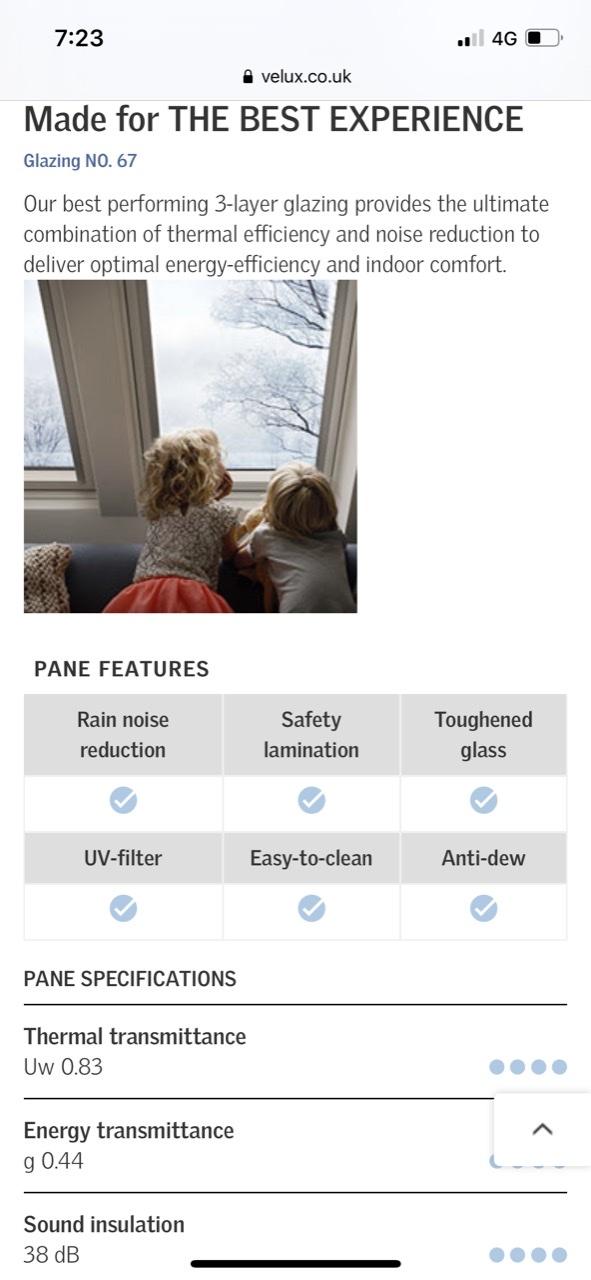
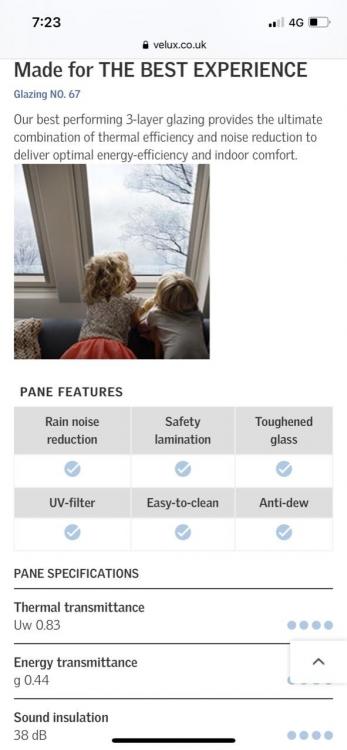
This is the Velux I was looking at. It’s the 3G version with the 67 pane which they call “Best Experience” because of its extra thermal & noise reduction values. I was going to add glazing bars to this.
-
@Dudda Thank you, that’s really useful & interesting info you gave. Definitely food for thought.
-
Are you sure that’s definitely 3G? Keylite work out a lot more whenever I add on 3G, electrics & conservation style but seems a poorer quality product from an aesthetic & U-Value point of view.