Kilt
-
Posts
117 -
Joined
-
Last visited
Everything posted by Kilt
-
double slip wedges and some polyurethane glue has been working a treat. Thanks!
-
Thanks. Makes sense, I’ll give them a go. Access might be bit of a nightmare, which is why I thought something I could inject, fill gap, but sets rock hard. Hence thinking chemfix or some injectable mortar.
-
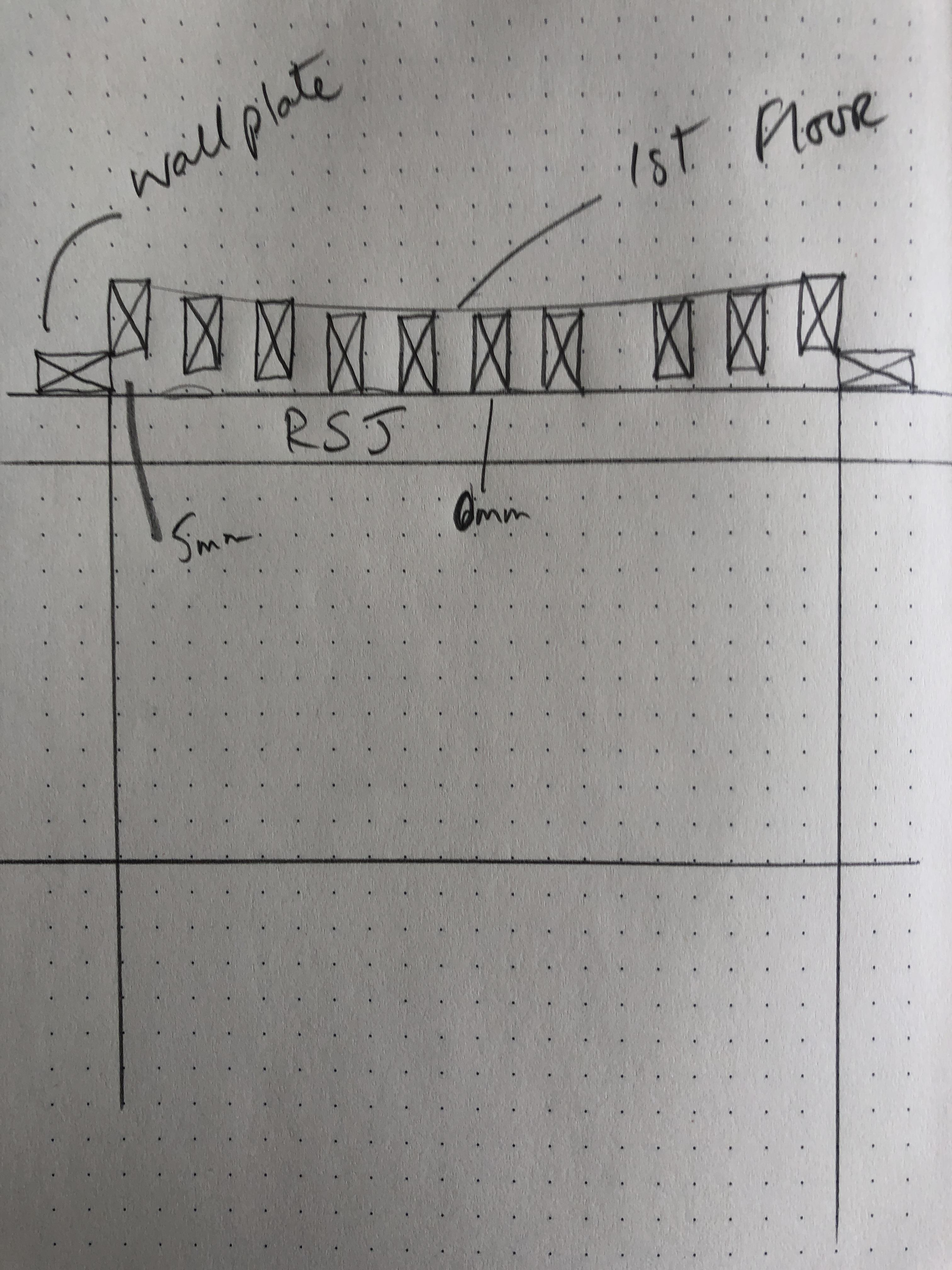
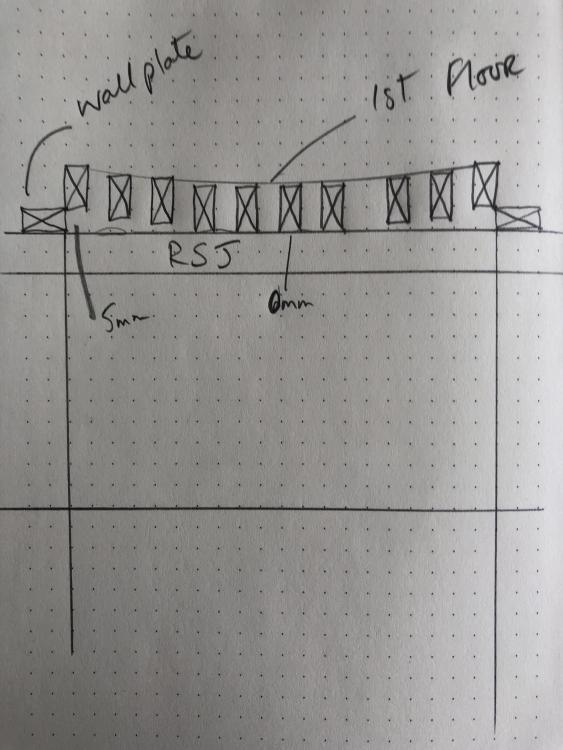
Can’t really get any photos… but Hope drawing makes more sense. Rsj runs across centre of room with joists flying over. it’s clearly been installed after joists became bananas, hence the worst offending ones are resting on the beam.
-
I have a RSJ supporting several joists that clearly suffered from bad deflection (bananas spring to mind). the worst joists are fully supported on the RSJ, but closer to wall plates there’s 1-7mm gaps between joist and rsj. Clearly these joists have less issues, so rsj isn’t needed. But to avoid any future deflection im thinking these gaps should be filled, whilst there’s access. If so… whats best way to fill these gaps? Wooded wedges, glued and whacked in? Kemfix Resin squeezed in?
-
Really long story, partly covered in other topics... but nutshell: original builder overloading spec’d joists, by installing wet UFH in a biscuit mix upstairs. They tried to fix issue with sistering, but did a bad/incomplete job due to 1st fix already occurring and didn’t want to re-do all services including 90% of house wiring. No chance of installing additional a joists as per above, so underslung rsj going in, to take out some of sag and stop further issues/dynamic deflection. No gaps upstairs, so either upstairs was built over the deflection, or the whole house has sagged over time or it’s been previously repaired, prior to our purchase. SE said it’ll be ok to prop joists and have rsj take out some of deflection, but obviously not the whole 30mm. I’m not doing this work myself, but want to ensure nothing’s been overlooked. Still waiting on builder to come and measure steel, so haven’t had full chance to iron out all the details.
-
Having an RSJ installed, SE’s been in and specified beam etc. however no one (SE or builder) seems to have taken into account the acro’s are going to have to sit on a ~70mm scree, UFH/70mm PIR floor. There’s currently around 30mm deflection (in joists above) to make up with the RSJ, with two bathrooms above. Quite a load to jack up. Anyone done this before.. cause for concern, or with decent prep no issue? I cant see how else you could do it.
-
? good to know. cheers.
-
Thanks for your thoughts. how easy did you find it to store the 1T bag, once opened? Did you work through it pretty quick? if I was going to go with pre-mixed, (which I think I’m leaning towards), I was going to take hit, and get smaller bags. I’ll be working on my own, so I was worried about a 1T bag opened for a long duration.
-
I was more interested in the quality of the lime, that comes in the pre-mixed, the fact you don’t have to measure etc, is a Brucey-bonus! Also ability to keep is stored in “stasis” is highly appealing to a self-builder/DIY’er. But as it’s just (just?? ?) a 10x3m garden wall, it’s not mission critical and I’m not under any “listed building” planning/conservations restrictions. However the garden wall is same material as my house, so it’s a bit of an acid test. The house will need doing next. I’m having our Gable-End harled (hot lime) and lime-washed in the Spring, so will try and pick the contractors brains, however they’re (quite rightly) not going to spill beans and do themselves out of a job. But like a lot of us, I don’t have unlimited funds.
-
Thanks. Very helpful for quick guide, will check out the website too.
-
Grand, I’ll check it out thanks.
-
I know this is probably a can or worms.. but hey ho, here goes. I’ve been trying to get my head around the various types and processes of lime, so my understanding is prob going to be a bit wrong. ? I’ve a 19th century rubble wall on my property I need to repair, before it falls down.. I’m a bit torn on which way to go with mortar, most sympathetic v’s ease of use v’s effectiveness . I was going to go with simple NHL 2 or 3.5, but been recommend higher grade (pure) lime using a pre-mixed lime putty mortar mix... I like the simplicity of the pre-mix and easy storage.. There’s also the dry, pre-mixed pure-lime NHL bags, but they seem even more expensive. Anyone managed to get to grips with Hot mixes? Would love to get up to speed with that.. but seems to be a bit of a dark art, even though straight-forward process, (on paper), if not a bit explosive! ?
-
He never even bothered to quote, after coming out for site visit. ?♂️
-
this is my main concern. Upon initial contact with A, he said he’d be able to do job in a couple of weeks. that would have been July ‘20, which became August ‘20, after using his recommended SE. so two weeks has become a year. With lockdowns etc that would be understandable, if communicated.. but just left hanging.. in the unknown. ....and yeah, Builder A is always on instagram showing their work etc.. so if he’s time to pimp for work, he can answer a simple email asking when he AIMS to do job. I personally think he’s just chasing the £££‘a and my job is small fry and it’s regularly being pushed aside. I will be checking B’s availability, prior to him coming out. glad general consensus is I’m not messing people about.
-
Looking for advice on best way to deal with builder, without messing people about. Agreed a job/quote with builder A in November ‘20, work to start in March ‘21. Builder A then ignored all calls and emails.. however with lockdowns, I predicted delays to job. (contacted builder A in June ‘20, took till November to receive quote). eventually given up and contacted another builder B, who is scheduled to quote next week. Builder A spider sense tingled and been into touch (4 months later) to say, looking at August to start job. I don’t want to mess Builder B around, and get him out on a wasted trip.. but I now don’t have much faith in Builder A, no matter how busy you are, in my book, you can’t 100% ignore a future client, for over 4 months. Builder A’s highly recommend, and I know work will be good, it’s just a case of WHEN or IF the work will happen. Better devil you know.. or once a time-waster.. always a time waster?
-
It’d be fab to get rid of it, as during heavy storms we get a wee bit of chatter, with AAV dancing with the wind over the two SVP’s.
-
Interesting, I’ve had a chat with a few people and seems to be split on whether AAV is needed or not, however no-ones mentioned the horizontal air break. Thanks. I was originally just thinking of just going with the one 50mm (2”) AAV.
-
-
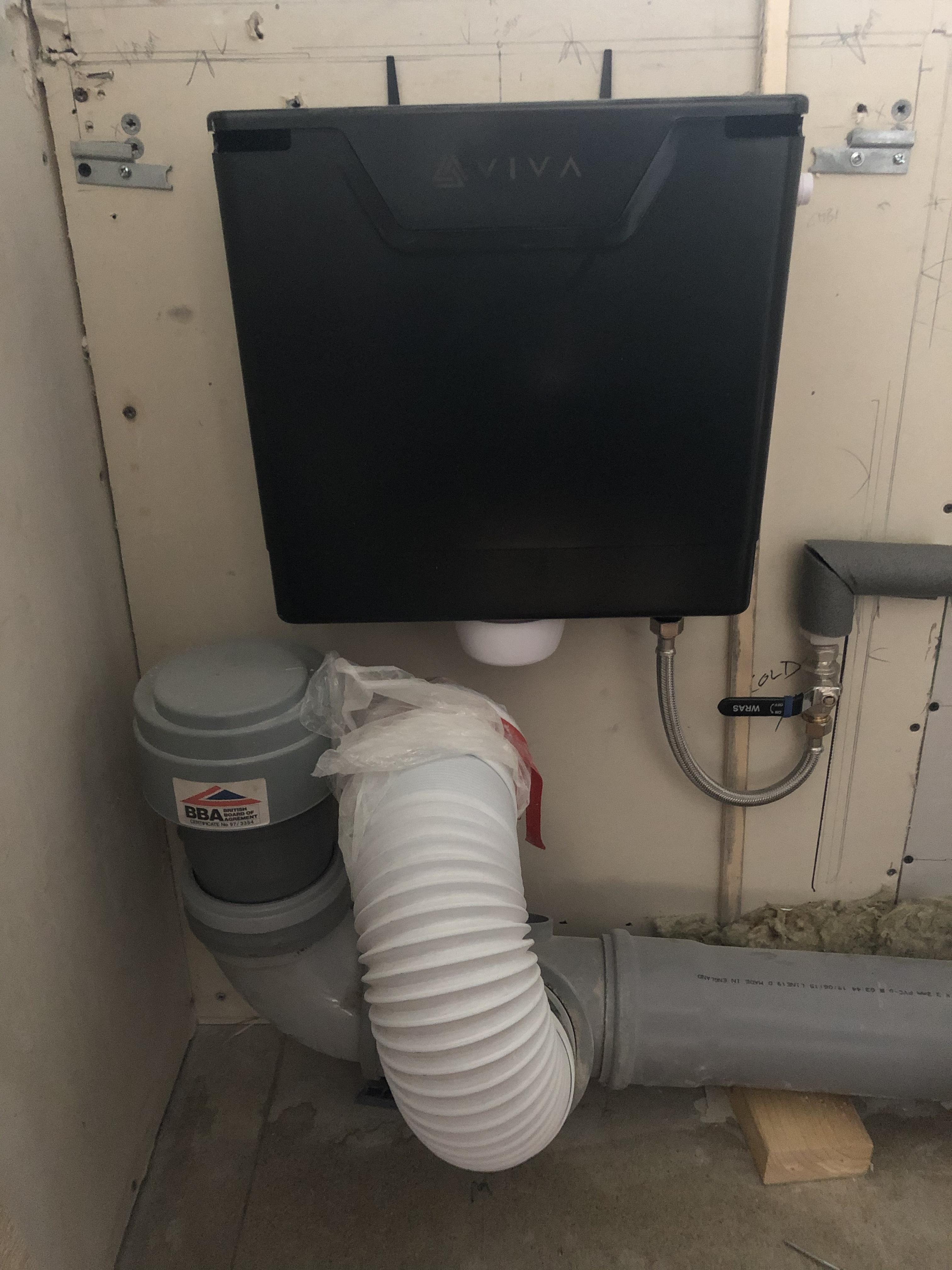
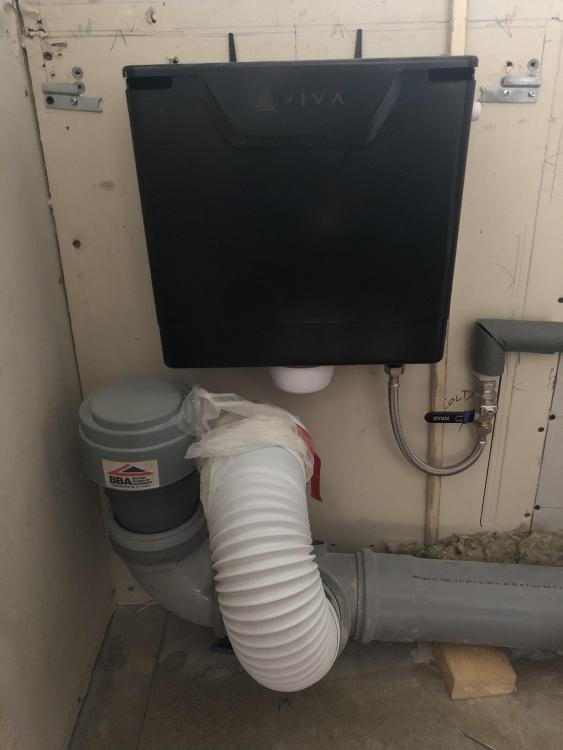
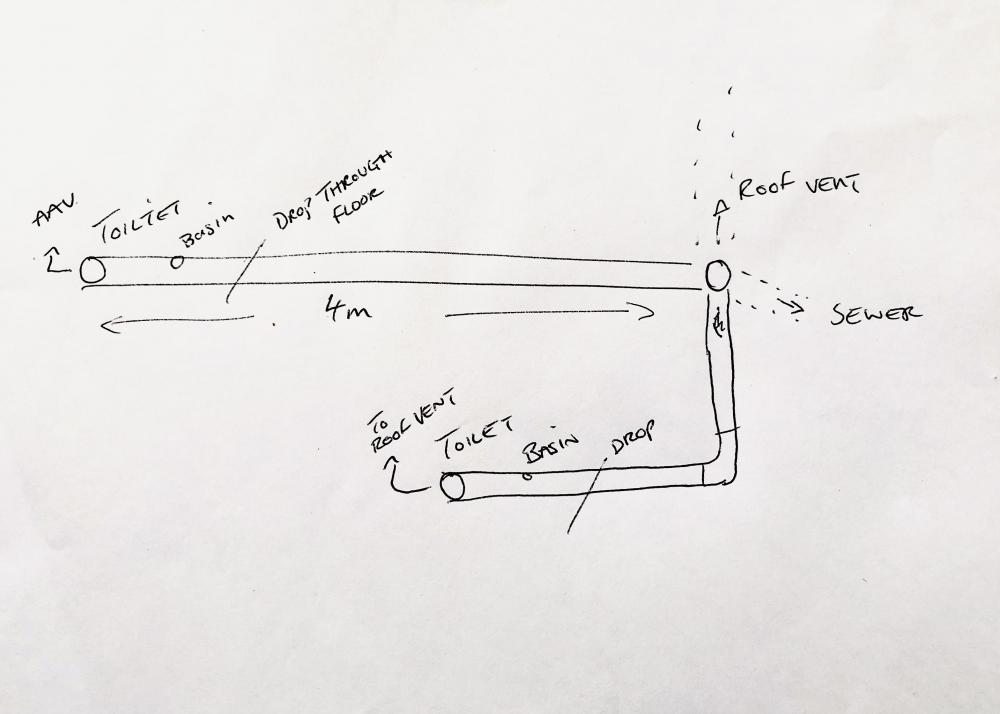
I know there another AAV topic running, but I didn’t want to muddy the waters, by jumping on that topic. renovating a bathroom, and there was a 110mm AAV literally jammed in against concealed cistern. Cistern has been replaced and rather than repeating a shit job and jamming AAV back in, I’ve lowered AAV to sit nicely underneath. However, would it be best to leave a 110 lower, or would a 2”/50mm AAV, up past the cistern height be better? It’s one toilet and basin on this leg/branch, leading to the main stack (vented to roof). Theres another branch/leg feeding main stack, but this branch is also vented to roof. so there’s argument, no AAV is needed at all. My major concern is potential backwash/splash up the bend to the lowered AAV.
-
Our current tank is underground, with pump-house built ontop of it. prob be a price comparison between new tank or new additional supply. Both going to be expensive. Toby’s are on the edge of an A road. No power currently, and we’re not metered either. the other side of village have a separate supply (but same Toby location and elevation), but their supply is even more complicated, with three break tanks and various T’s off similar size pipe to us. They have terrible water pressure, but don’t run out of water, as far as I’m aware.
-
Don’t know about these, will have a look.
-
Good questions. Ram - probably not, only seen them in an agricultural setting. Don’t even know if Water Authorities use them. I just vaguely remember seenu from examples. toby pressure - around 4-5 bar (in winter) pipe size is unknown (predates my occupancy) but imagine only 50-63 MDPE (by size of an AAV, half way along pipe run). float switch is idea, however pumps have good controls, so a dry run only requires a power cycle to bring them back online. No need to prime. no accumulator, pumps just set to provide set bar, and keep water at that bar. As soon as bar pressure falls, one pump kicks in, if demand is higher than one pump can handle, second kicks in. Been really impressed the DAB pumps. Simple to use, and worked flawlessly for last 6 years.
-
We have a bit of an odd water supply. In valley bottom, we have a Toby/stopcock which is supplied by Scottish Water. Water then flows uphill via mains pressure alone, (50m elevation over 1km pipe run.. 1:20), in a single pipe to a private 1000L break tank. We then have 2 Dab pumps (running in tandem) providing mains pressure to 6 houses. In the winter, when mains pressure is high (+4 bar), water flows uphill easily, and meets our demands. But in the summer when demand increases and pressure drops on the Mains, the flow reduces, and we occasional get pump “dry runs”, whilst break tank catches back up. I’m concerned in the future (lower mains pressure, higher demand or more houses on mains) we could have more frequent issued, or worse, lose supply. What solutions would you clever folks suggest, ideally one we can get Scottish Water to install/supply! ? Initial thoughts would be a ram pump, as no electricity needed at stopcock location.. but if memory serves, rams are 1:7, (ram length gives you x7 in height). Another, far more expensive idea, would be to install a new Toby and 1km water pipe line, to effectively double supply and/or another break tank, and to split the 6 houses up. This is purely a discussion topic, thoughts appreciated.
-
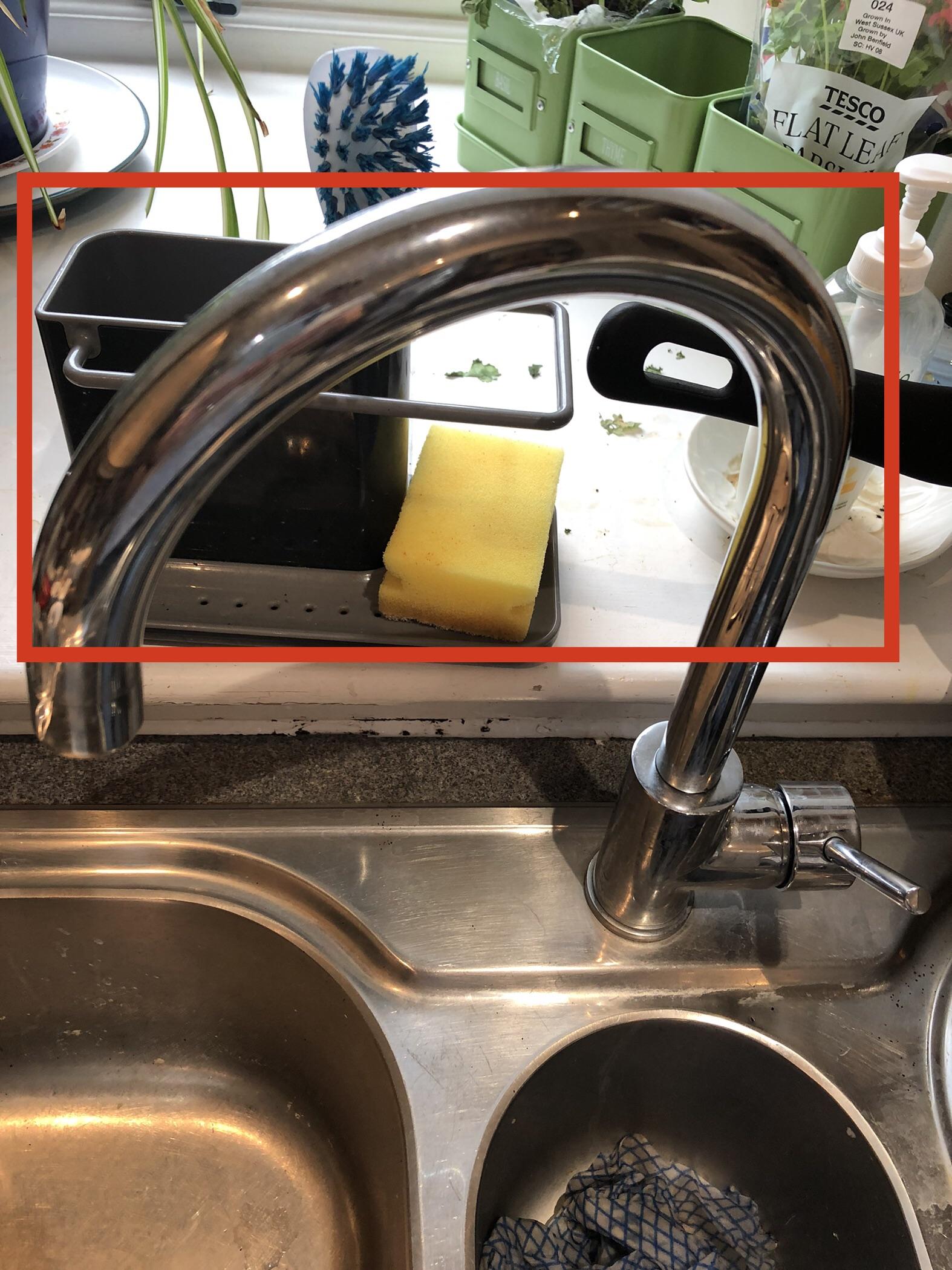
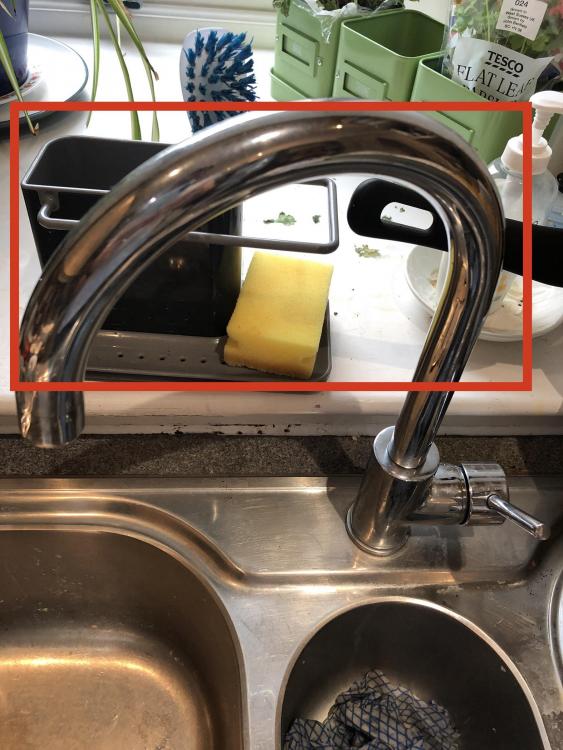
Had to replace our kitchen tap as old one was spurting water vertically, as you turned the curved mixer section. Due to lockdown 3, I had to order online. The new tap plumbed in easy enough, but the new mono, mixer arm wobbles terribly. It’s not the sink, that’s solid, as is base of tap, it’s just the movable arm. it’s almost like it needs a screw/bolt tightened up somewhere internally but there are none visible. faulty or just Chinese tat? It was still £70 tap from Screwfix (Cooke & Lewis Mono Mixer) so easy to get refunded, just wondered if anyone knew of a fix or issue?
-
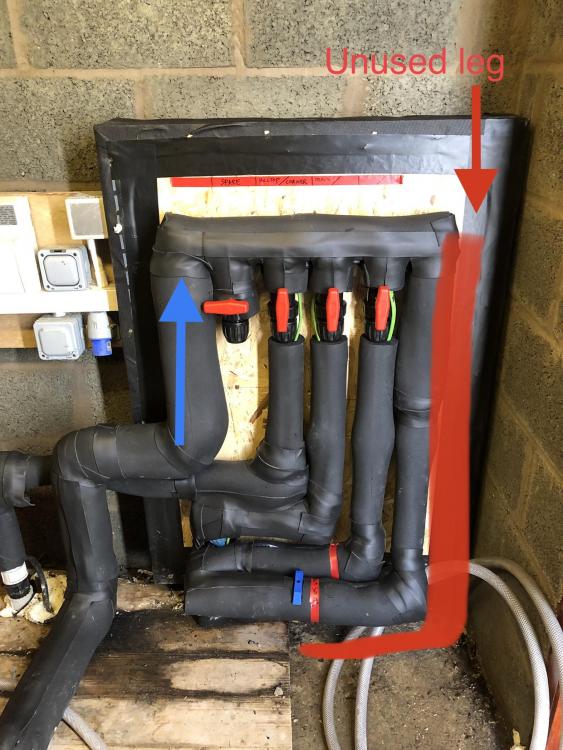
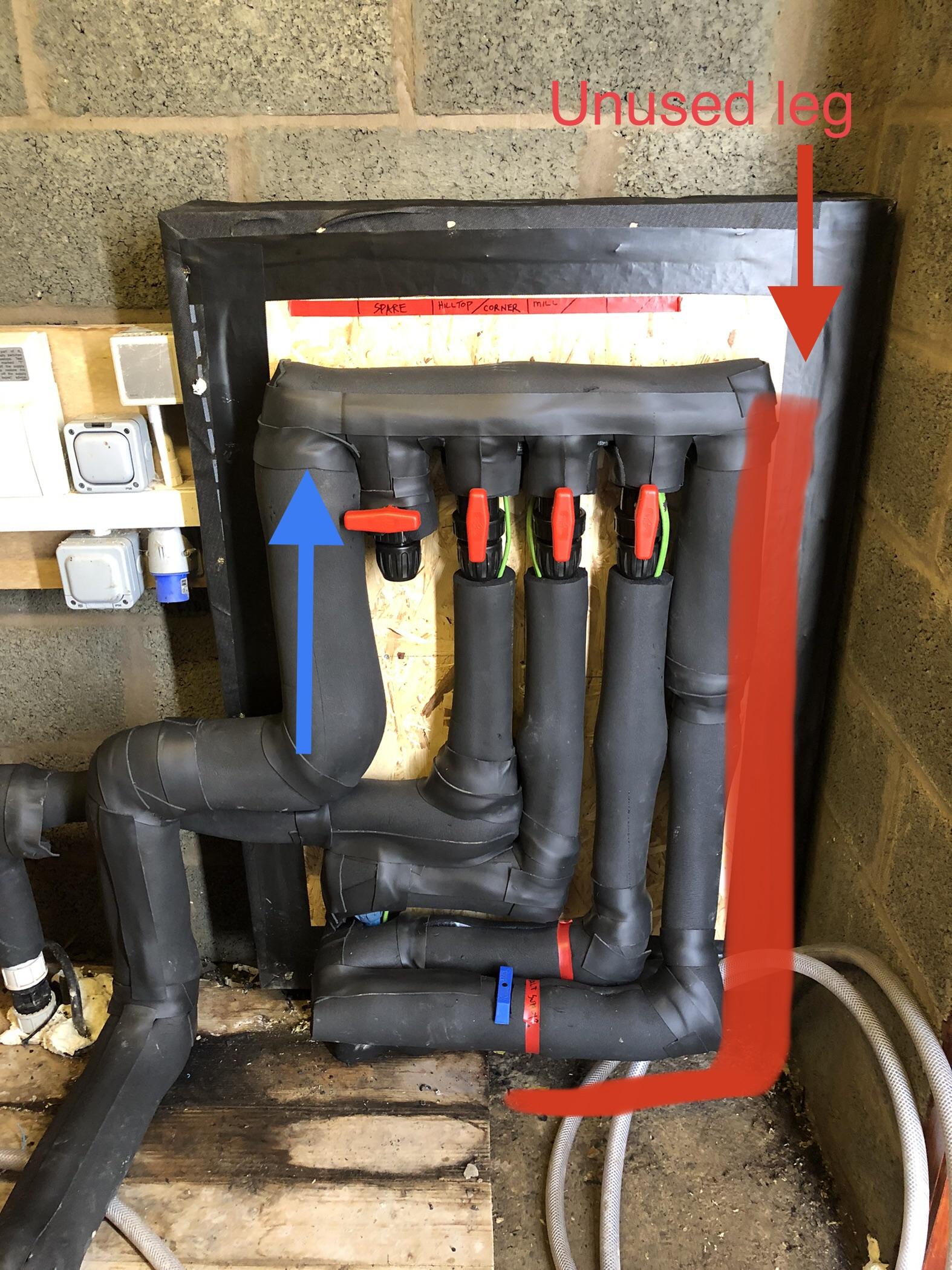
New manifold on a old pre-existing system. I underestimated the length, measured today and it’s just over a meter of pipe that’s unused.