Bart1664
-
Posts
45 -
Joined
-
Last visited
Everything posted by Bart1664
-
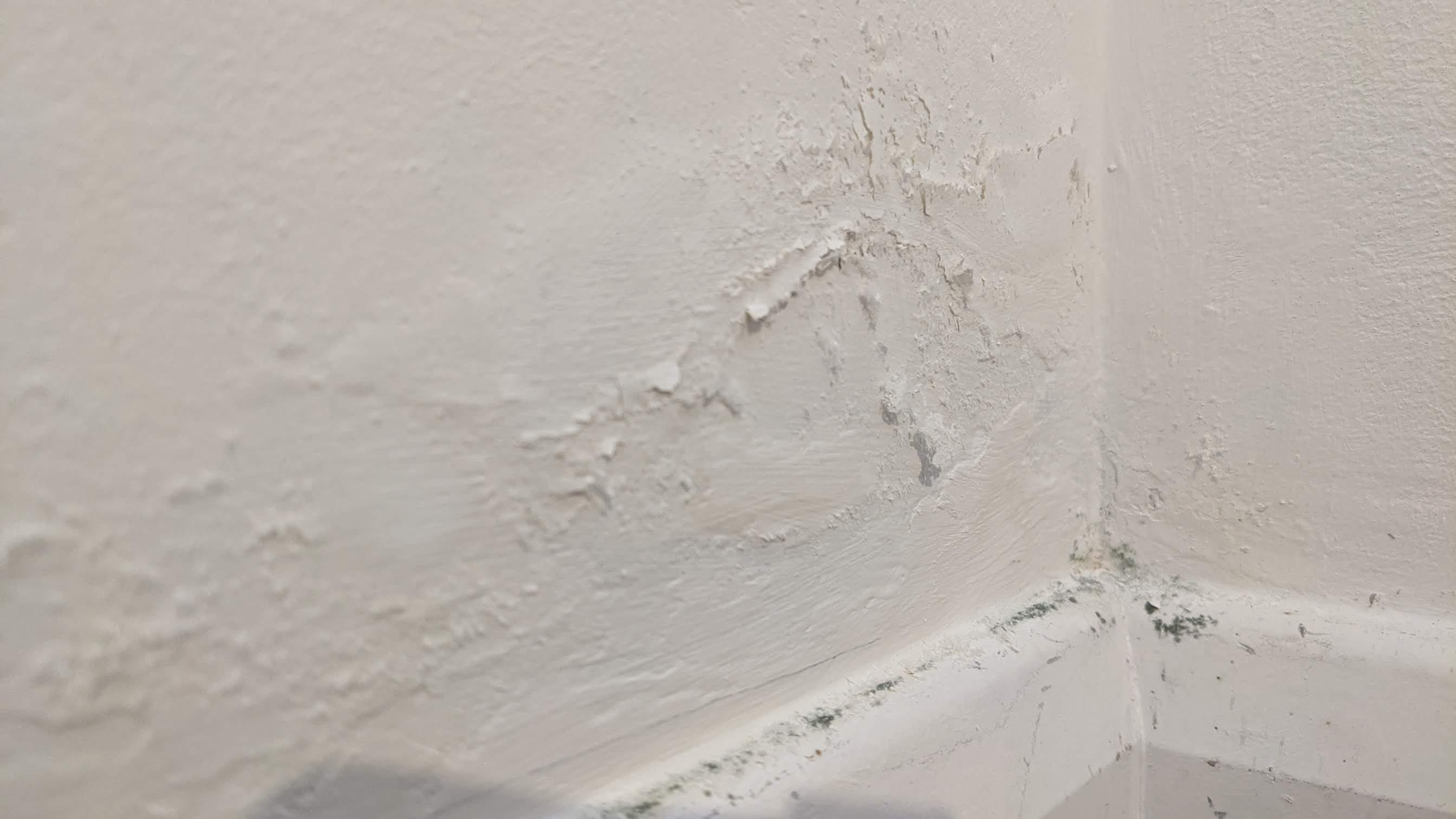
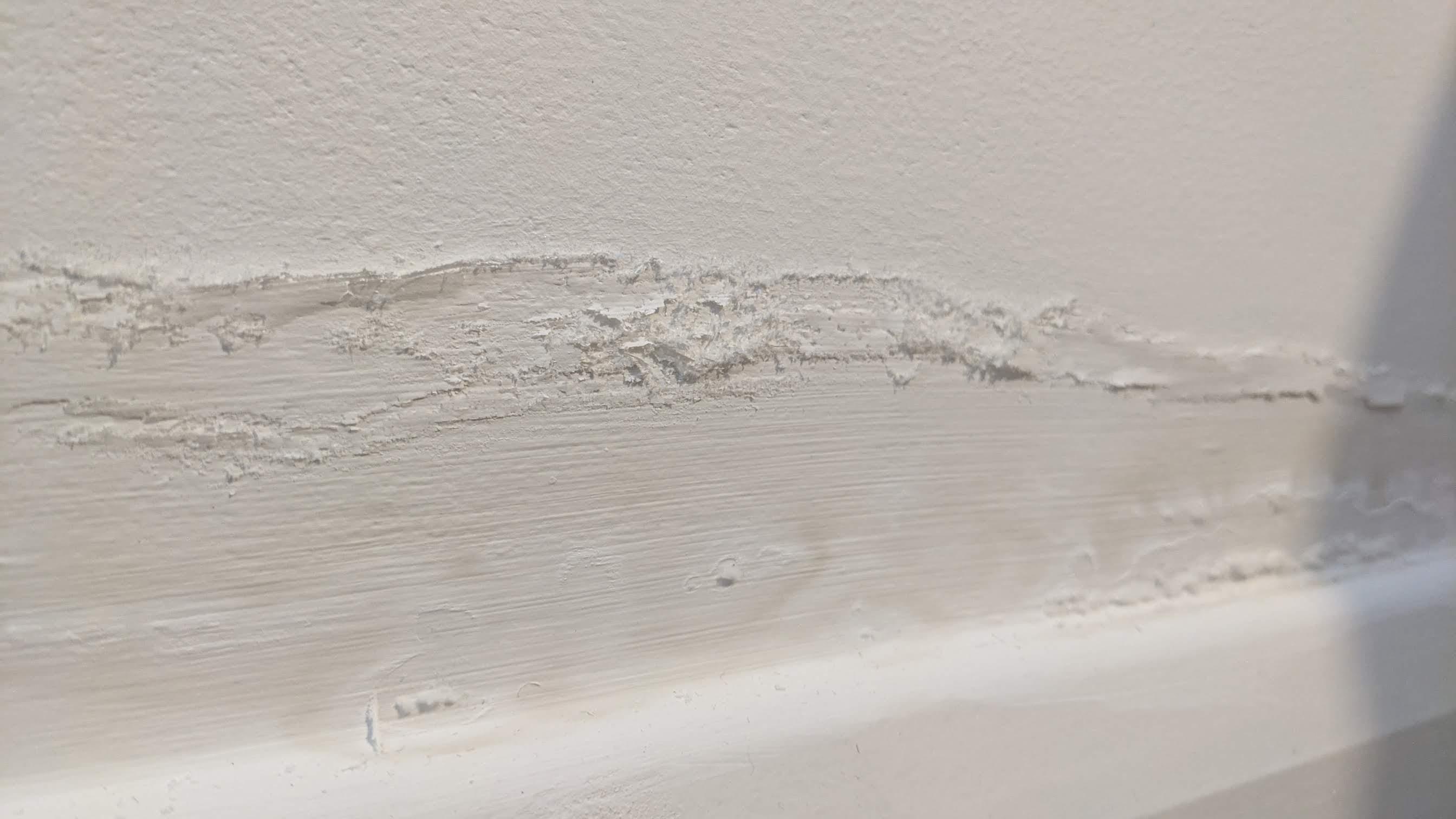
Hi Tony It's an external chimney stack. However the majority of the internal plaster damage is at the internal corner of the two external pictures ?
-
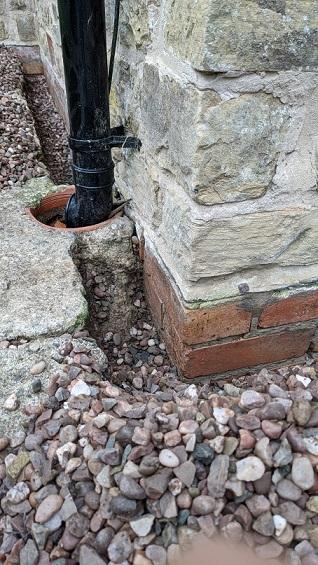
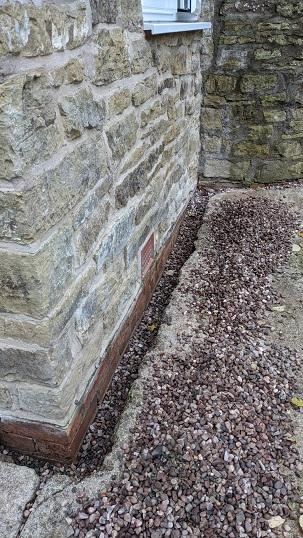
Tony/Mark/Mr Punter Thank you for your replies on the damp. The outside gutters and down pipes are all quite new (put in by previous owners) The outside concrete path that goes all around the house is almost level with dpc although there was a 6" void against the house itself the previous owners had simply filled this with decorative stones that also then came almost to the level of the dpc. I have since removed all the stones and looking to have the concrete path removed and lowered along with the rainwater drains. There isn't any cavity insulation as far as I can tell The damage is does seem to be restricted to outside walls but mainly in the lounge where its visible. The outside mortar does require re-doing in places and particularly at ground level hence my question regarding lime or normal mortar to be used.
-
Been told I had posted this in the wrong section so trying here: We have recently purchased a stone cottage that was built in 1969 on the foot print of a much older cottage (probably dating back 200 years). However, we don't have any detail of the quality of that build and I have three questions we hope someone can offer advice on. The external foundations show a red brick (engineered bricks?) base followed by a visible dpc and air bricks around the property. It is faced in traditional stone as apposed to brick and does appear to be constructed with a cavity wall. We are now unexpectedly experiencing some patches of damp on the internal walls (see pics) mainly in the lounge just along the top of the skirting boards. We have done a great deal of research on damp and we are not swayed by the usual arguments of 'rising damp' and the usual remedies suggested by many of the 'experts'! We have stable moisture readings in the lounge of 49% and 52% and regularly vent the rooms. We have had the room examined by a builder who is also a 'qualified' damp assessor (whatever that is) and he suggests that the plaster used in a recent attempt at renovation by the previous occupants was the 'wrong sort' and was probably in contact with the solid concrete floor. He used a gadget that had about 5 settings on it to probe the floor and walls and said that he was getting high moisture readings at the damp patches and that below one point on the concrete floor showed that the be 'saturated'. His suggested remedy is the take off all the internal plaster and re apply using the correct one (maybe with lime in it) and ensure that there was a sufficient air gap between the floor and plaster. This then brings me on to my second issue - The concrete floor The builder has suggested that 'potentially' this may not have a membrane within it and he suggests once the plaster is off the walls he will grind back the surface and lay a membrane across the whole floor and under the internal walls. Does all this sound correct/reasonable? My final question is that I have had conflicting advice regarding the external pointing of the stone work. Lime mortar or concrete? I'm told that because the cottage has a cavity it does not need to be lime mortar and can be normal mortar. Hoping for some guidance. Many thanks in advance.
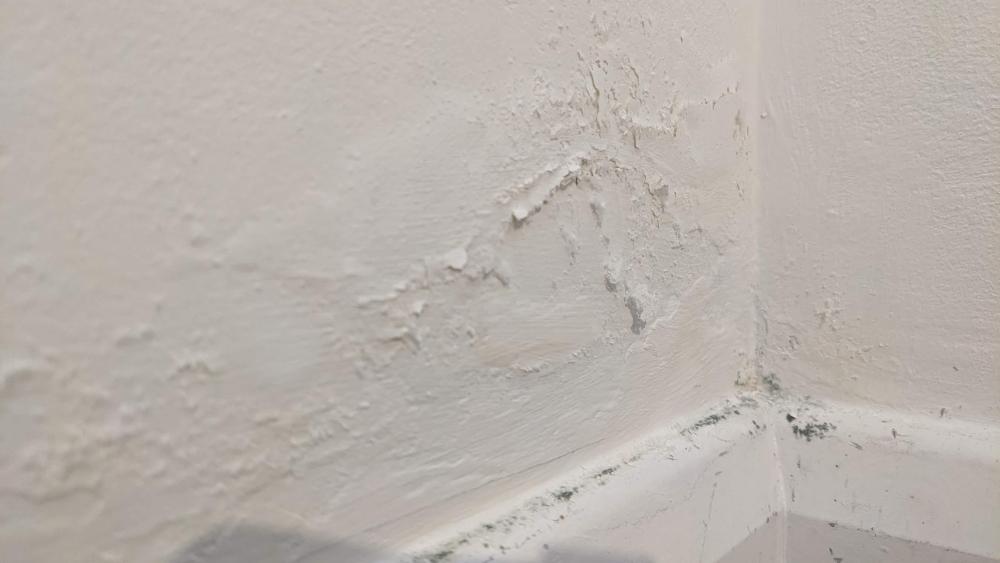
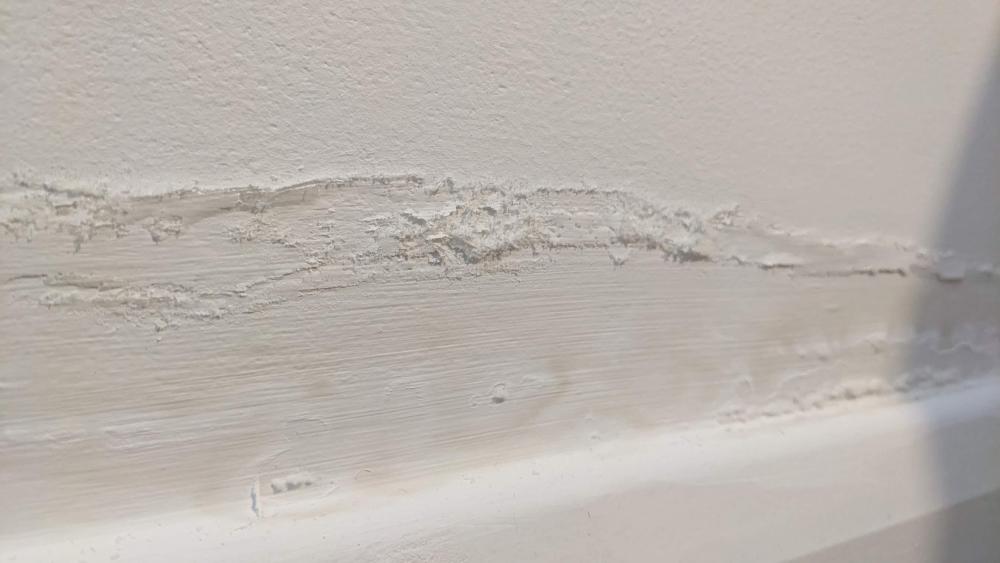
-
Well, we have recently purchased a cottage that was built in 1969 on the foot print of a much older cottage (probably dating back 200 years). However, we don't have any detail of the quality of that build and I have three questions I hope someone can offer advice on. The external foundations show a brick base followed by a visible dpc and air bricks around the property. It is faced in traditional stone as apposed to brick and does appear to be constructed with a cavity wall. We are now unexpectedly experiencing some patches of damp on the internal walls mainly in the lounge just along the top of the skirting boards. We have done a great deal of research on damp and we are not swayed by the usual arguments of 'rising damp' and the usual remedies suggested by many of the 'experts'! We have stable moisture readings in the lounge of 49% and 52% and regularly vent the rooms. We have had the room examined by a builder who is also a 'qualified' damp assessor and he suggests that the plaster used in a recent attempt at renovation by the previous occupants was the 'wrong sort' and was probably in contact with the solid concrete floor. He used a gadget that had about 5 settings on it to probe the floor and walls and said that he was getting high moisture readings at the damp patches and that below one point on the concrete floor showed that the be 'saturated'. His suggested remedy is the take off all the internal plaster and re apply using the correct one (maybe with lime in it) and ensure that there was a sufficient air gap between the floor and plaster. This then brings me on to my second issue - The concrete floor The builder has suggested that 'potentially' this may not have a membrane within it and he suggests once the plaster is off the walls he will grind back the surface and lay a membrane across the whole floor and under the internal walls. Does all this sound correct/reasonable? My final question is that I have had conflicting advice regarding the external pointing of the stone work. Lime mortar or concrete? I'm told that because the cottage has a cavity it does not need to be lime mortar and can be normal concrete. Many thanks in advance.
-
installing sewage treatment plant with discharge to stream
Bart1664 replied to Tom's topic in Waste & Sewerage
@ProDave How much noise does the blower vent thing make? acceptable/barely notice it unless you stand next to it? -
installing sewage treatment plant with discharge to stream
Bart1664 replied to Tom's topic in Waste & Sewerage
Hi Tom I'm just looking at options for replacing my septic tank (domestic property. 3 bed. Discharge to stream) I like the BIOROCK but doesn't seem like many people have chosen it so a bit wary but do like the fact that it's non electric and zero noise from any pump or blower. Can I ask if there were any other reasons you went for Condor brand other than build? -
installing sewage treatment plant with discharge to stream
Bart1664 replied to Tom's topic in Waste & Sewerage
Hi ProDave Which model Condor do you have please? Pro's and con's? Thanks -
I've just had my local Biorock installer round (Herefordshire) to discuss a new Waste Treatment plant to replacing the ageing Septic Tank. He fits all varieties but is my local approved Biorock installer and he says that he's fitted quite a few (I didn't ask for an exact figure) but of those that he has fitted they appear to be working well without issues. He says the issues he does have is going to those that have failed to follow the installation instructions and then putting it right. I won't be doing mine but he did say they can quite easily be fitted! I too like the idea of the Biorock - being just a modern Septic Tank with no electricary and he said that unlike other waster plants the Biorock can be left for up to 6 months without being used whereas the electric/mechanical ones do need to be working on a regular basis.
-
We had the tank surveyed at a cost of £350 where we are and (perhaps because they wanted to sell us a new one) created concern and doubt over the existing one complying with latest regs so we began to look around at our options. Another guy who services septic tanks locally looked at the survey report and he didn't believe it needed replacing. It gets more confusing!
-
Thanks Joe That seems to be what a lot of people are saying and because we have moved away from a place where the neighbours had on one side a 'hot tub' and the other a large air con unit against the fence we really want to avoid 'noise' if at possible. I've been looking at one called Biorock https://biorock.co.uk/ Anyone had one?
-
Thanks for the reply Peter. Clearly showing my naivety on the subject! I did of course mean Sewage Treatment Plants (old septic tank). Yea, I did have a look around the site but was left even more confused (if that we re possible) ?
-
Nearly 100 views and no one has a thought? Really would appreciate some knowledgeable advice. ?
-
Hi all Came here to learn more about the real world knowledge and experience of WTP. We are due to move shortly to a house that has an old septic tank that during survey 'suggested' it is no longer compliant and will need replacement. So, having started the research I am amazed at the amount of choice and inevitably, opinions there are. The criteria we have above all else is (apart from it actually working well) is that it must be as silent as possible (ideally completely) whether that the noise from the blower or the poo bubbles happening down below! We've been recommended to the WPL Diamond DMS2 but have read on here a few alternative such as Solido Smart, BioPure, & Klargetser. We have also looked at Eco variety such as Biorock MONOBLOCK-2 which we like due to no electrics and hence no blower hum (although it can have a pump if necessary) We ran away quickly from some guy called 'Jason' claiming to have a system that worked on worms eating everything ? I'd be interested to hear any advice on real world experience of WTP (6 person) as I have little knowledge and certainly no experience of these private drainage systems. Many thanks