Kuro507
-
Posts
69 -
Joined
-
Last visited
Everything posted by Kuro507
-
I have insisted the Vendor get the survey done, I found a local expert that they have appointed. If something needs doing, of course its part of a negotiation. The obligation is on the seller to ensure its fit for purpose, or negotiate something with the buyer. Worst case we can meet in the middle, idealy not as generous as that. We are getting the house for a sensible price, but it was based on the assumption of no significant issues being found.
-
He's still fitting new septic tanks, rather than waste treatment plants?
-
We are in the process of purchasing a new home, its a relatively new (22 years old) timber frame house, however the septic tank predates it and was originaly for the old bungalow that used to be there. (Could easily be back from the 1950's) The septic tank is due to be emptied early October and then a specialist will survey and asses it the following day. Its located in the corner of the garden and the soakaway/drainage field is into the neighbouring field (nearest house at least 500m away). The title deeds provide rights to maintain the soakaway, as necessary. This is the last significant query on the purchase, so has the potential to hold things up. We are keen to try and get the purchase completed before end of October, to avoid any nasty suprises in the new Labour budget! Whats the likelyhood its going to be deemed unfit to meet the General Binding Regulations? If it doesn't, what sort of cost would we be looking at to have a new waste treatment plant installed instead? (3 bedroom house, 4 of us living there, 2 bathrooms and 1 WC) Any recommendations on type or manufacturer of treatment systems? Is there much maintenance required? How big are these systems and are they in-ground or do we need somewhere to site it? Thanks in advanced for thoughts on this.
-
We are just in the process of buying a new home, the EPC is a high C and I happened to notice a couple of mistakes. I decided to email the Company who issued it and ask if they could review it. In fairness to them, they accepted a couple of my points and that things like double glazing were incorrect and it should have been trippled glazed. I had some additional information on the timerframe construction, which again they took into account when re-doing the EPC. It improved 1 point, and thats it! Then at the end of the report, you get the usual - install floor insulation, install solar hot water (we have a combi, so would need a tank etc), install a wind turbine and it could be a 'A'. I know these SAP calculations are flawed and so much depends on what the assesor selects. But, by now there must be some knowledge out in the community about what main changes can be done to improve the numbers. Somebody must have sat down with one of the SAP programmes and tried different combiantions of options to see what difference it made to the numbers? It would be good to know what realistic improvements we could make to bring it up to a low B, its now at 79 and only needs 2 points to become a B. Some of the mortgage lenders are now offering lower interest rates to properties with A or B, so not only would it be worthwhile improving a few things to reduce our running costs, it could also reduce our mortgage cost. There is also a large possibility of us doing a single storey rear extension, where again insulation and building control 'expectations' are going to have to be considered. As always, I value your thoughts and ideas on this
-
Thanks, that makes sense. I was thinking about UV bulb life (and cost), plus of course the electricity cost. I will scratch it from my thoughts
-
I'm just moving to a house here in the UK with a private water supply, it will need a UV upgrade to meet current recommendations. My understanding is that the UV is permenantly on and typicaly the bulb lasts 12 months (9,000 hours). This particular system has a pressurised vessel to reduce strain on the borehole pump. I did some basic tests and could see that the pump controller worked very well at maintaining pressure (as seen on the gauge). If the presure dropped to 3bar, the pump kicked in and raised it back to 4bar, then went off - hen repeat as required. Would it not be possible to link the UV lamp to the borehole pump controller, so its only on while the pump is pushing more water into the system? Even if the UV stayed on for 30 secs after the pump stops, to take care of any residual flow) I could even install a timer of some kind, to monitor the UV lamp run hours. Thoughts?
-
I will definitely ask my Solicitor whether it needs to be registered, from what I heard it was drilled in 1994, so not recent. I believe it’s around 30m down.
-
Water has been tested, quality is ok, Ph needs slightly adjusting (its 6.8) but I suspect the Ph unit is empty of media. Also recomendation to install filter and UV to meet modern standards. A guick google does show sites talking about it being a requirement to register boreholes in England, will research further. No way we are going to use anything like 20,000 litres a day though, to exceed the limit. We don't use that in a year in our current home 😂
-
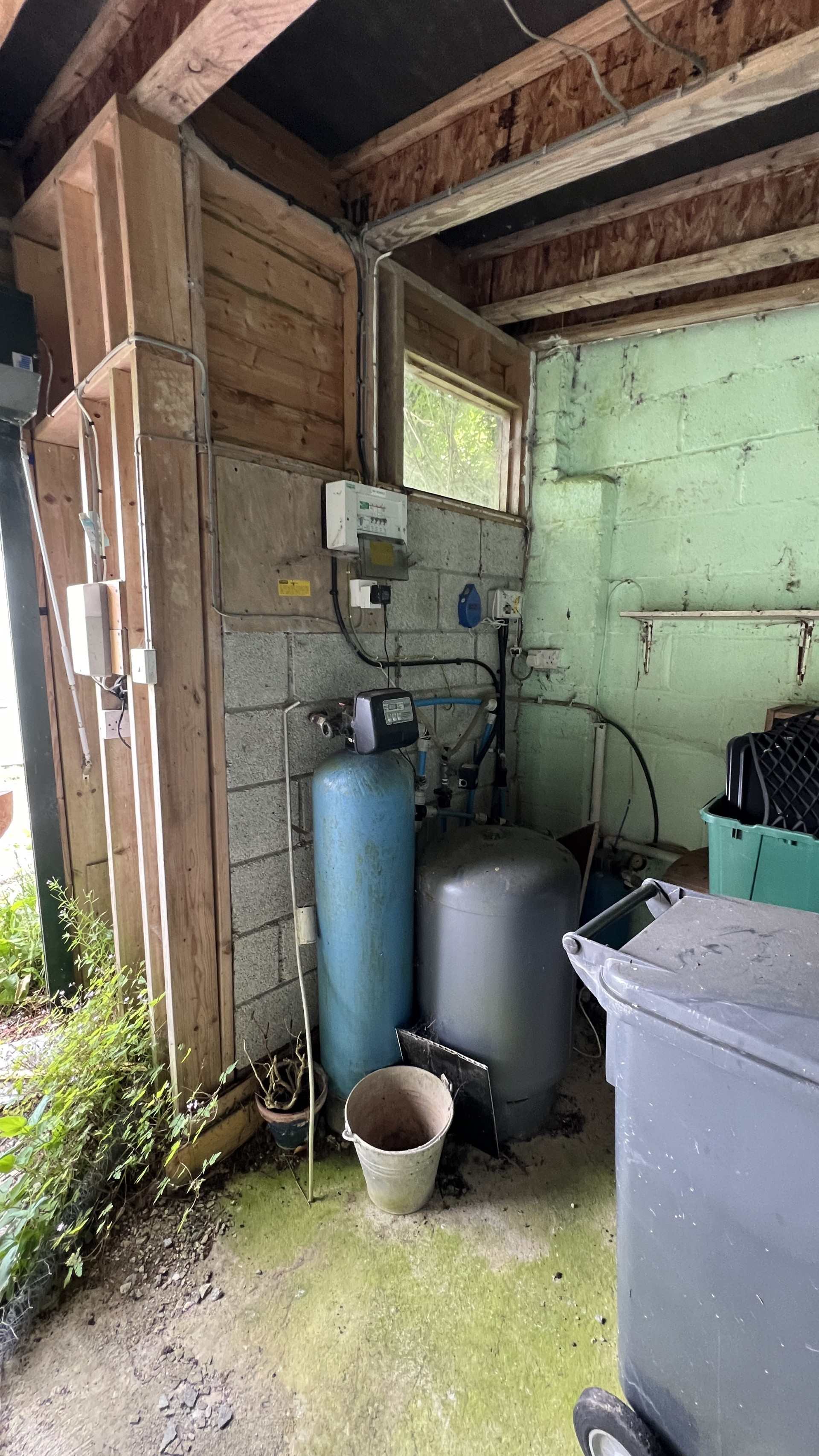
The house we are purchasing has a borehole, which we have finaly located.😀 I will get a local Company to come and survey it, to ensure its still fit for purpose. However, I would like to understand for myself how these systems are supposed to work and how they should be plumbed together. There is a currently a Grundfoss 170lt accumulator, Ph tank with backflow, all supplied by a Lowara 0.75kW pump. A water quality test was done and recommendations were to change the Ph from 6.8 (I suspect the Ph unit needs simply needs recharging), to add a filter unit and UV. What order should these be connected together, starting form the incoming water from the borehole/pump? For things like washing the cars, watering the garden etc. is there any sense in taking a feed to a garden tap from further back in the connected systems? Therefore not wasting money filtering or cleaning water thats not for human consumption? I'm likely to undertake most day to day maintenance myself, so understanding how it all works, getting spare parts ready is going to help. Thanks in advance for advide and guidance, its a steep learning curve!
-
I had looked on their previously, its definately not there. Is it mandatory for all installers of boreholes to register them, if only for private use and less than the daily limit?
-
As it happens, I have been contacting a number of local Businesses who install or manage Private water suplies. Sandra at ML Eden & Son came back to me yesterday witha ton of information, including a couple of photos of the borehole which show its location! Whilst they did not install it, they have maintained it in the past (not for 6 years). Now in discussion about survey and upgrades
-
I haven't done one before, although my Wife's last house already had one. Any guides or tips on making a bathroom, or en-suite, into a wetroom? We will be ripping most of it out anyway, so its the right time to consider it.
-
Are these traps easily maintained from above?
-
No, Who is ML Eden?
-
The house we are just in the proces of buying needs a new main upstairs bathroom and en-suite. (22 years old and not maintained) Downstairs there are clear water marks on the ceiling below the bath and en-suite shower. I should imagine its the usual problem with traps that have compression (hand tightened) fittings that get hot and cold and start to separate. Have any of you come across reliable traps that are easy to maintain, perhaps from above? Maybe solvent fitting, rather than compression. I don't really want to install access hatches in the ceiling downstairs, once the new bathrooms are tiled, maintenance is going to be difficult. I know some people have built the shower trays up off the floor, to provide an access panel on the side, but its a bit unsightly and the en-suit has a height issue due to the sloping roof. Making a wetroom may be an alternative solution, but a reliable and easy to maintain trap is still going to be required. Thanks in advance for ideas and suggestions
-
Thanks, the engineer who did the water quality survey did get sight of a invoice, but I am strugling to get a copy (question is now with my Solicitors). He reckoned the grid coordinates put in 80m away in a field across a road, I have not found it there. Back in 1994 its likely to be handwritten invoice, so I wonder if he made a mistake reading the numbers. Its frustrating just how difficult this is proving to be. Understanding how a borehole is likely to have beem constructed back in 1994, may help me to find it. eg. whether its more likely to be a capped off pipe above ground, or a box above ground containing the pump wiring etc, or whether it was common proactice to build it all into a hole with a manhole cover. Would they have lined them with a plastic pipe back then? PS. We are also in South Devon
-
Thanks, already checked and not on there.
-
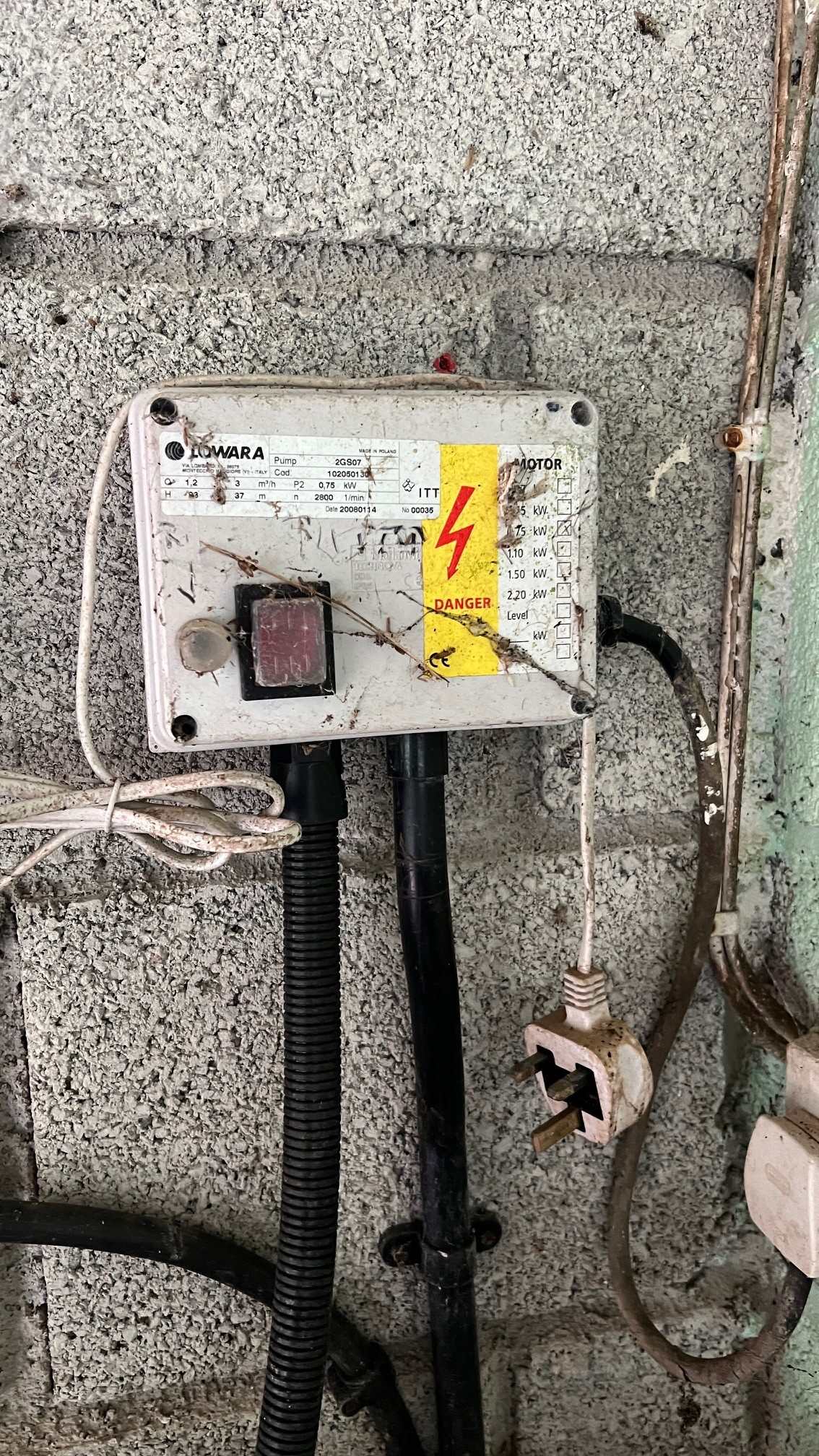
We are in the process of completing on a house that is served by a private borehole. Unfortunately the owner is in a care home and an executor is dealing with the sale, paperwork is somewhat lacking. Nobody knows where the borehole is (Believed to have been installed around 1994) I've looked at the filtration system in the garage and can see the incoming water pipe and outgoing power for the pump, coming from a controller on the wall. It exits underground as it goes through the wall. The controller has a 2008 manufacturer date on it, so somebody is likely to have changed the pump back then. A couple of us have poked around the garden and have not been able to find any signs of a manhole or pipe head. Logically speaking its going to be some distance from the old septic tank that serves the house (It predates the borehole). Do any of you have any ideas about what sort of borehole would have been created back in 1994? Would it typically have something above ground, or perhaps under a manhole cover? (Photos would be great) The only idea I have right now, is for somebody to use one of those cable finders (like they use before digging up the road), to try and trace the pump power cable back to the borehole. Digging the pipe up seems like a lot of work, especialy in a well established, and overgrown, garden. Thanks in advance for ideas and suggestions
-
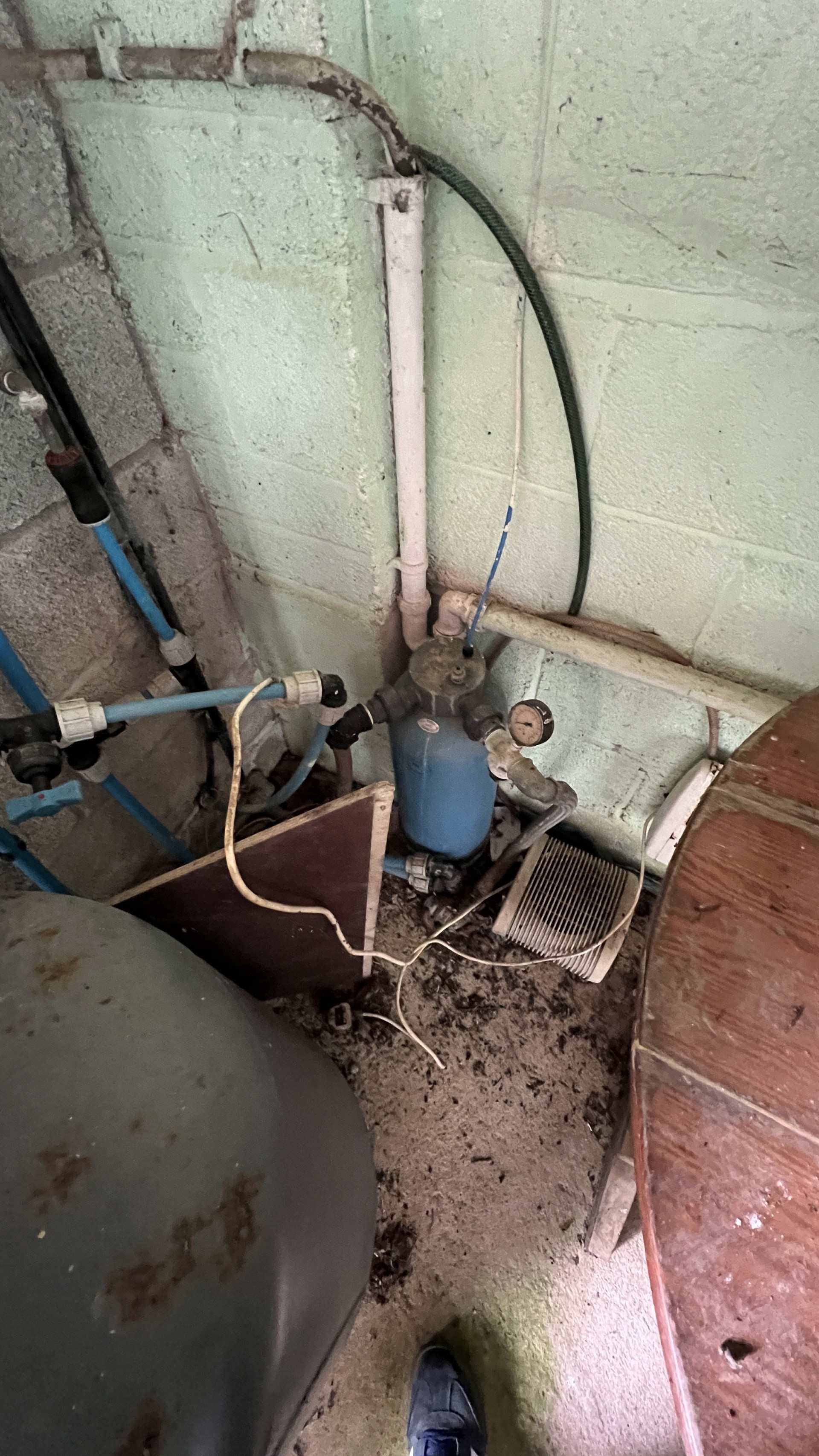
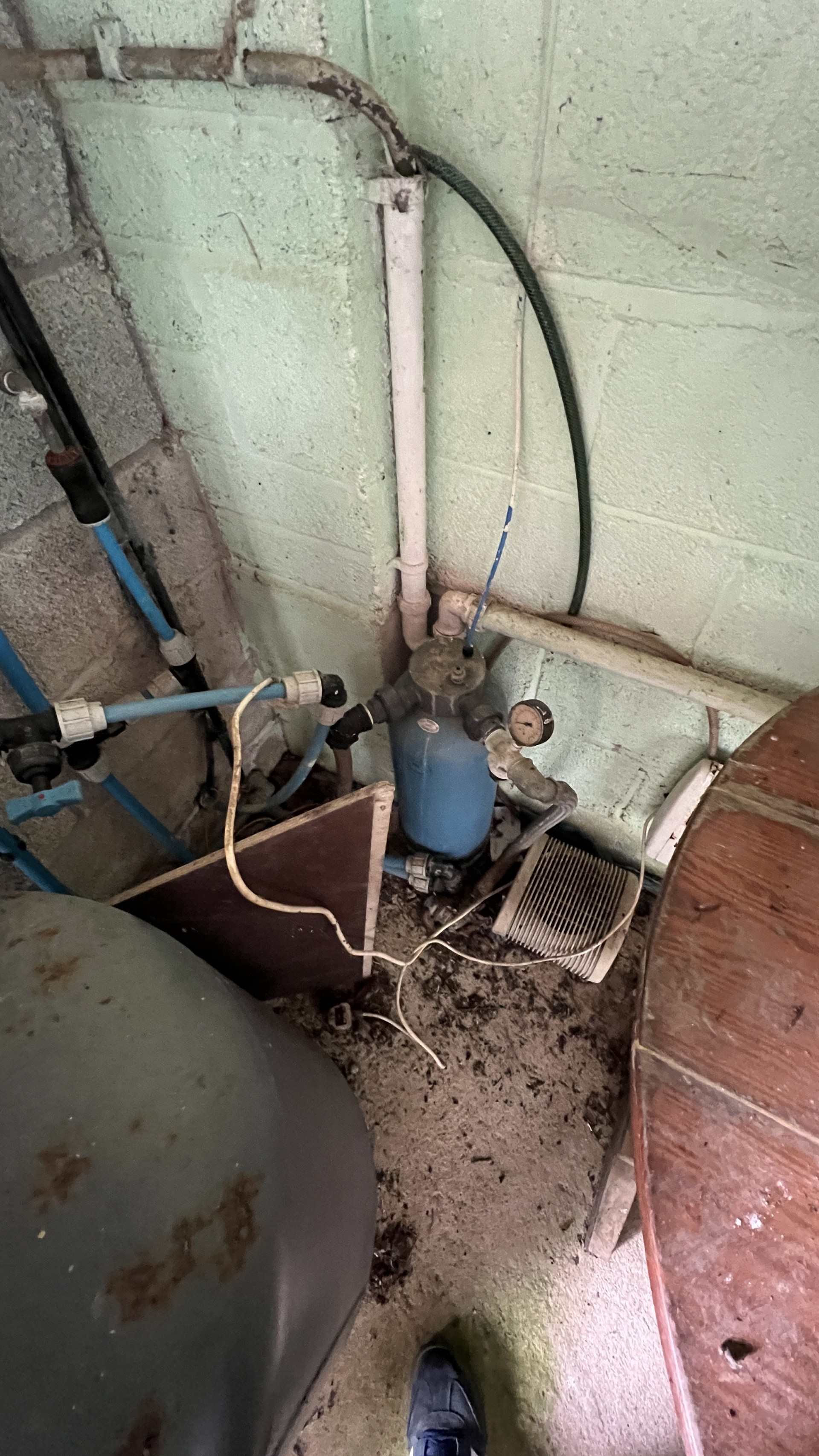
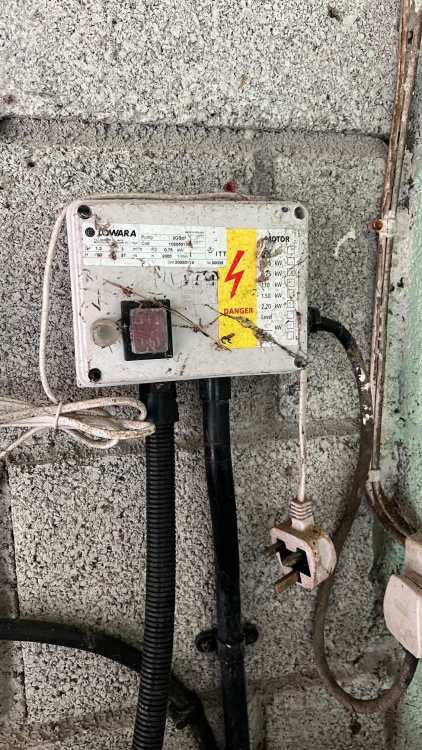
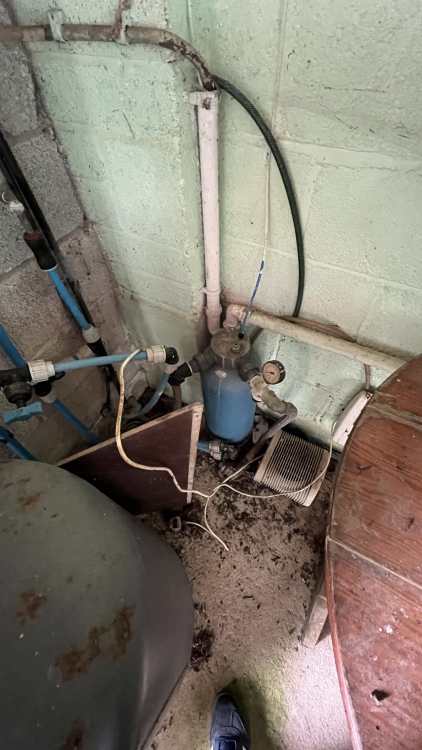
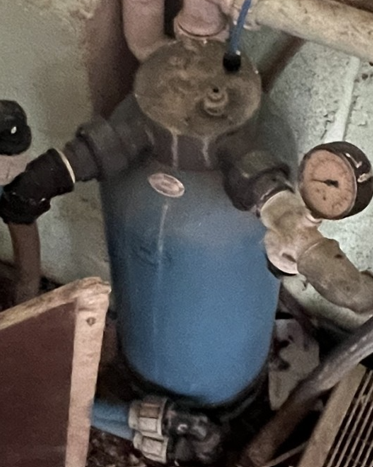
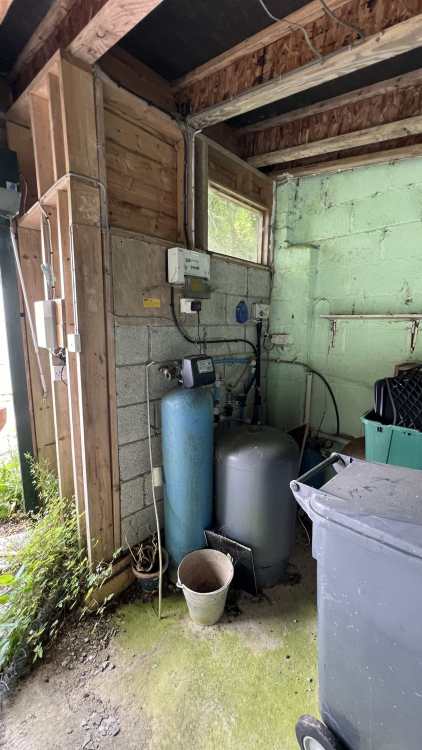
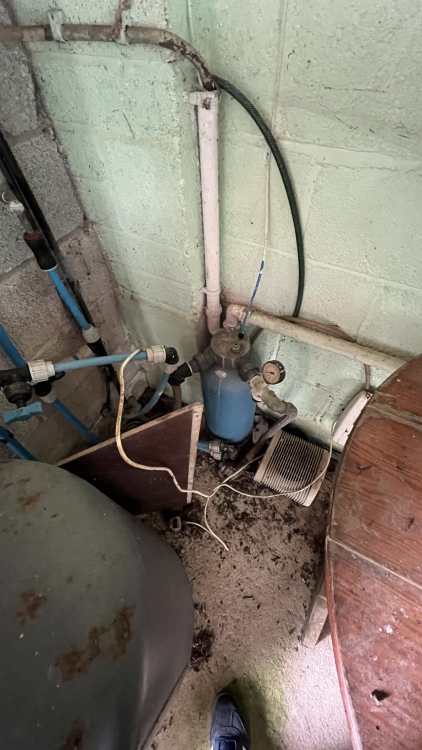
Hi We are just in the proces of buying a new home, it has an existing private water supply but unfortunately the Vendor is in a home and their executor has little paperwork. While I do expect them to do undertake some survey's to provide correct information, the more I can understand for myself the better. They have already arranged a water test which came back ok for quality, PH needs adjusting from 6.8, recommendation for a filter and UV to be installed. The large blue clylinder is likely to be for softening the water, probably just needs a new salt refill to work properly. The grey cylinder is probably a storage vessel. The biggest issue, is that nobody knows where the borehole or well is located! Here are some photos I took on my last visit, they were just general shots. Not sure what this is, could it be the top of the bore hole? I may have to go back for another look myself. This looks to be the control panel for the submersible pump. If anybody can identify the smaller blue cylinder, that would be helpful. I am hoping its the top of the borehole, otherwise we care going to have to trace the wiring from the pump controller and corresponding inlet pipe. Thanks in advance for suggestions and help
-
In summary: FIT is paid based on 50% of generation, I need to work to use or store 100% of generation to maximize the Solar PV benefit. I need to look at insulation options to keep requirement for heat generation down. Would there be a sensible approach to have a larger hot water tank with a 2nd coil for a couple of radiators in the most used rooms? We like our bedrooms cool, but living spaces a more normal temperature.
-
Thanks Roys So definitely a reason to avoid a smart meter if you can use more than 50% of what you generate? Are there any other costs effective forms of energy storage to consider? I seem to recall reading a blog a few years ago where somebody had a more modern heat store, some sort of thermal brick or something.
-
Thanks for your comments. I don't believe economy 7 is there at the moment. There is a tiny little courtyard garden with no external access, no option for Gas or Oil. Not unless it was the portable cylinders which could come through the house. Whats the argument between hot water cylinder heated with immersion vs instant water heaters at each tap? I assume the FIT is based on what you add back to the grid? (Total generated - whats used = excess back to grid) I will certainly see what can be done to further insulate the roof, but the walls are at least 18" thick, so effectively a large thermal mass to heat up. If you have a tank of hot water, can that not be used for some radiators as well? I forgot to mention there is a small enclosed log burner upstairs, so that will generate some welcome heat in winter months. I may well work out a way to duct some heated air downstairs from near that.
-
Morning All I have just had an offer accepted on an old stone house which has Solar (PV) on the roof. I am trying to get my head around how it works and what I could do to minimse my electricity costs to make it as efficient to heat etc as possible. What I know so far:- 3.84 kWh of panels, largely south facing. Solis Inverter in the loft. Installed May 2015 with Feed in Tariff of 14p/kWh. (For 20yrs) Generates around £800 per annum FIT (Based on last 2 years). Solar iBoost box in airing cupboard, I believe wired to 2.3/3kW immersion heater in hot water tank. Digital generation meter next to electricity fuse boards. Heating is via oil filled radiators in all the rooms (3 bedroom over 2 floors). Rointe K series units Hot water is via immersion tank and also a Redring instant water heater. With the big thick stone walls, I am limited as to home much additional insulation I can install without making the rooms small. I will review how much there is in the roof and increase it. Whats the most efficient way to heat the house and water and make use of the FIT? Its all new to me, so any advice, gratefully accepted.
-
Understanding how to get the money needed
Kuro507 replied to Kuro507's topic in Self Build Mortgages
That makes sense, however I have seen recent sales of plots where they want sealed bids and details of how you expect to pay for the land, plus even solicitors details. Personaly, I don't understand how they think they will get the best offers like that, its likely to have taken a year or more to obtain planning permission, just be patient to get the best price. We will, of course, try to find a plot ourselves, approaching local people so that we can get first refusal if they agree to sell (subject to us getting planning permission for it) I know we could even have a contract drawn up to do this. (An option I think its called) -
Understanding how to get the money needed
Kuro507 replied to Kuro507's topic in Self Build Mortgages
I think the bit I am not getting, is the process. We sell my house and release £100k equity (for example) We also have £20k savings. That is not enough to purchase the land, so we look for a self-build mortgage. We have to estimate build costs, hoping that ground conditions are fairly standard. (This is the bit I'm trying to cost up right now) When we speak to mortgage companies or and independant advisor, how do we justify what we need to borrow? and how we get the payments? Its likely that local plots are not on the market long, so we wouldn't have time to discuss lengthy planning changes with the council, we would need to purchase it and sort those out afterwards, accepting that we will have to compromise on what we want. Sorry if I'm sounding dim