Alexx
-
Posts
47 -
Joined
-
Last visited
Everything posted by Alexx
-
I do have, and I must say it is the most annoying job ever. Sticks everywhere, when doing the ceiling it is crap to get in properly, I can't get on with it at all. Cleaning the gun is a pain, you use the acetone spray and then eventually there is a transparent crust covering it, it does not matter how often you clean it just after use. Me and the foam gun do not get along.
-
Yeah, that is a lot of work in progress on my side. I must confess that I should have bought gapotape as the amount of mess and dust I'm making with the insulation boards is ridiculous when you try to friction fit them, and I'm using a festool specific for insulation, great kit, but next time I'm defo going for that damn expensive gapotape...
-
I guess with the de-strat pump should alleviate a lot that hot spot, which would also be applicable even for a vertical cylinder, I guess?
-
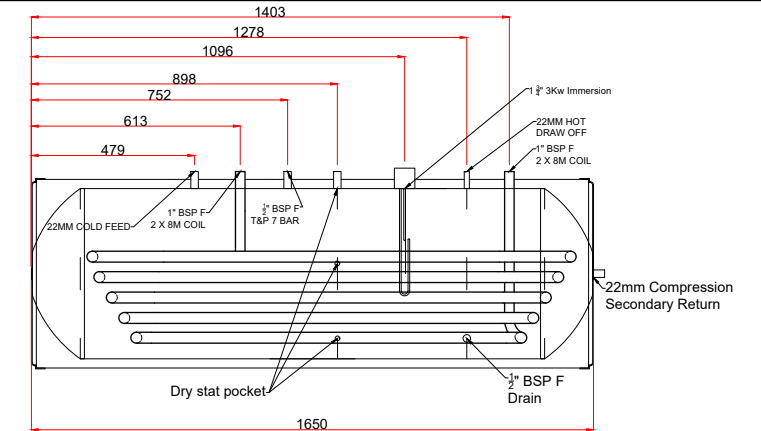
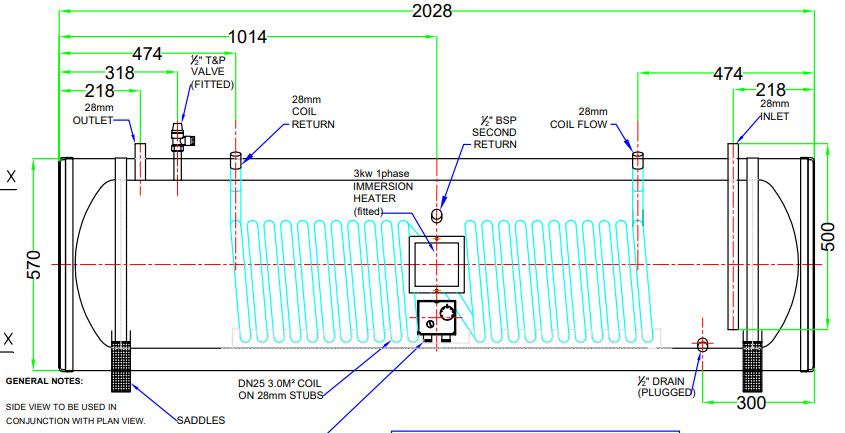
So I've got some additional technical details so far: Telford: Fabdec The guys from Joule so far have been useless, not technical details, all calls I make always end up speaking to someone that has zero knowledge. I get promised the "email" that never comes with all technical details for 3 days already, after 5 phone calls. I'm leaning to Telford so far as the standard horizontal heat pump cylinder is around £820 + VAT, I'm just waiting to confirm the cost to get the immersion heater on the side instead. Fabdec coil design does not seem that large to me, but I could be wrong. I just wish the coil could go further to each end of the cylinder. Joule gave me a cost of £2800+ but I found it for around £1800, but still without any tech details, I can't consider it. I'm now waiting for a few others like UKCylinders, World Heat cylinders, newawk and macdonald, then hopefully I can make a decision and buy it.
-
As an alternative to use 2 smaller diameter cylinders you mean?
-
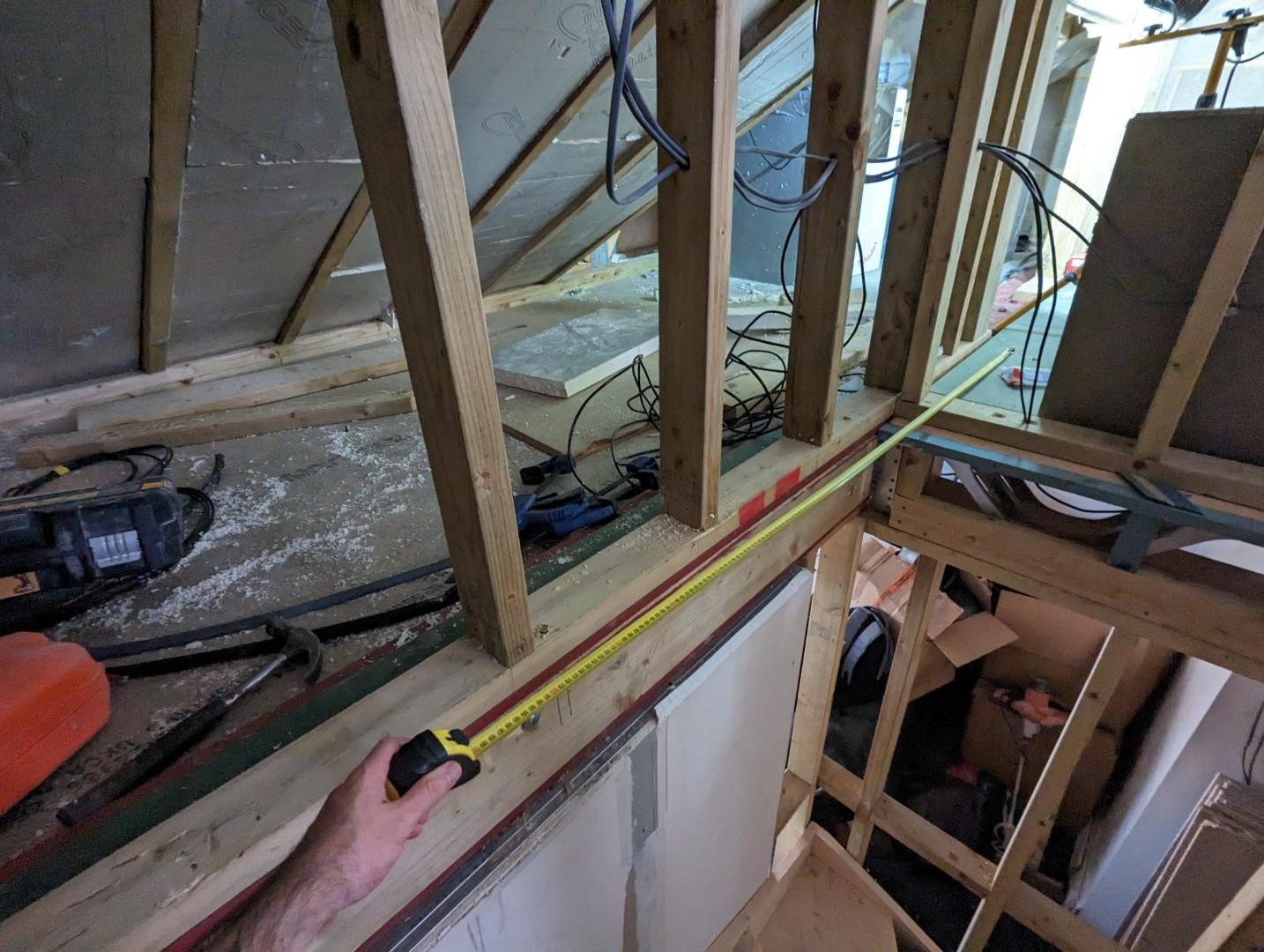
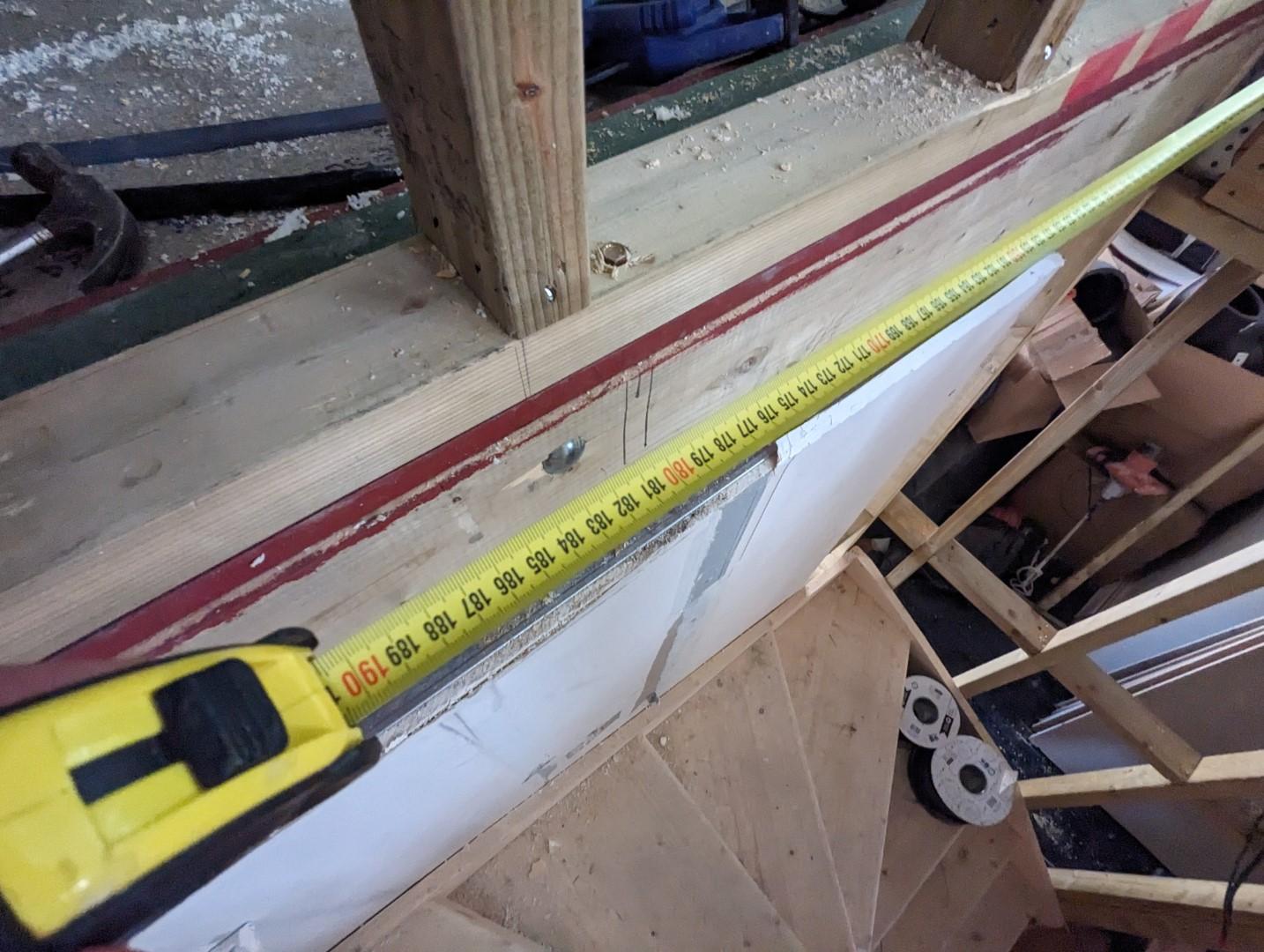
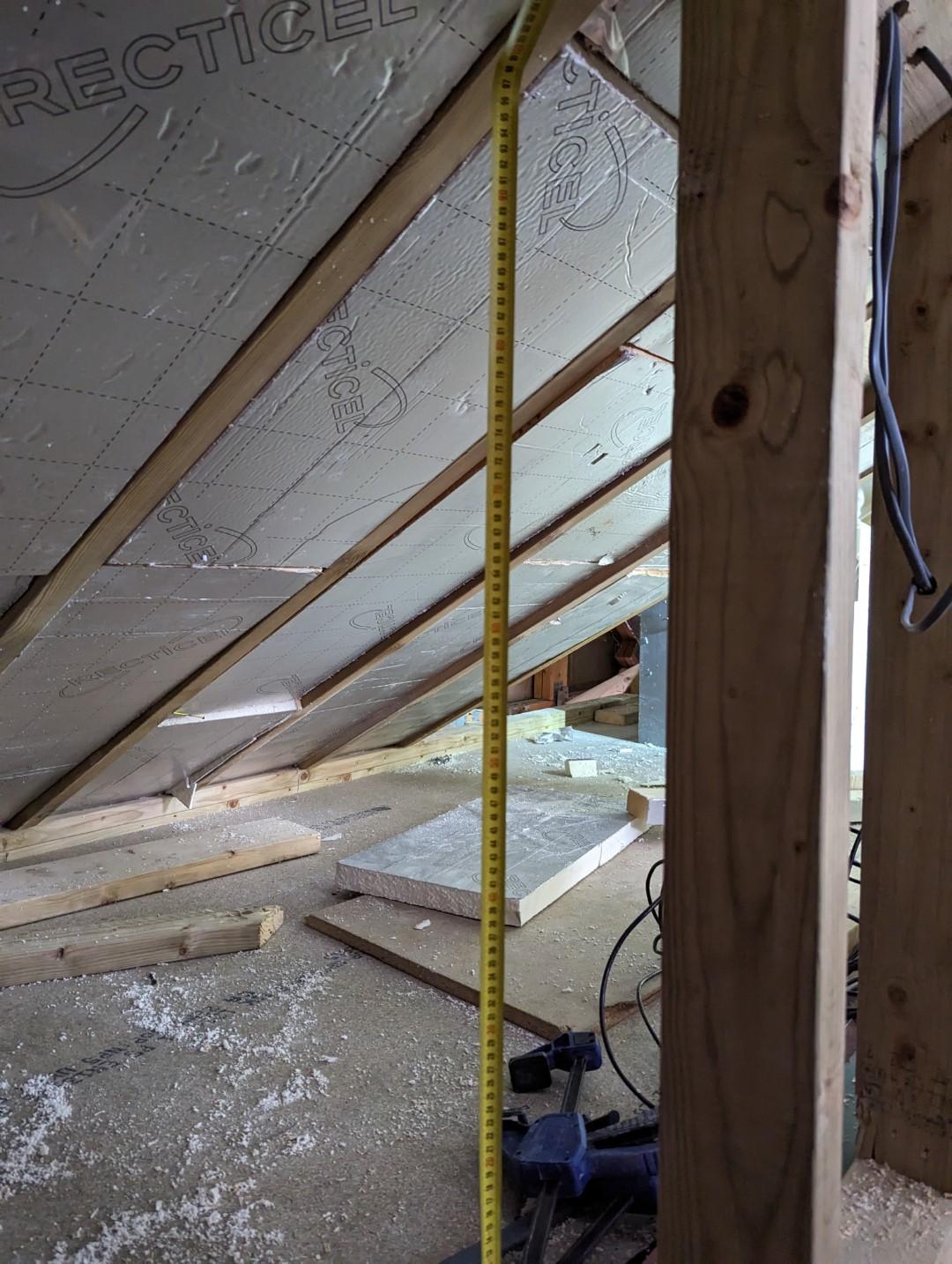
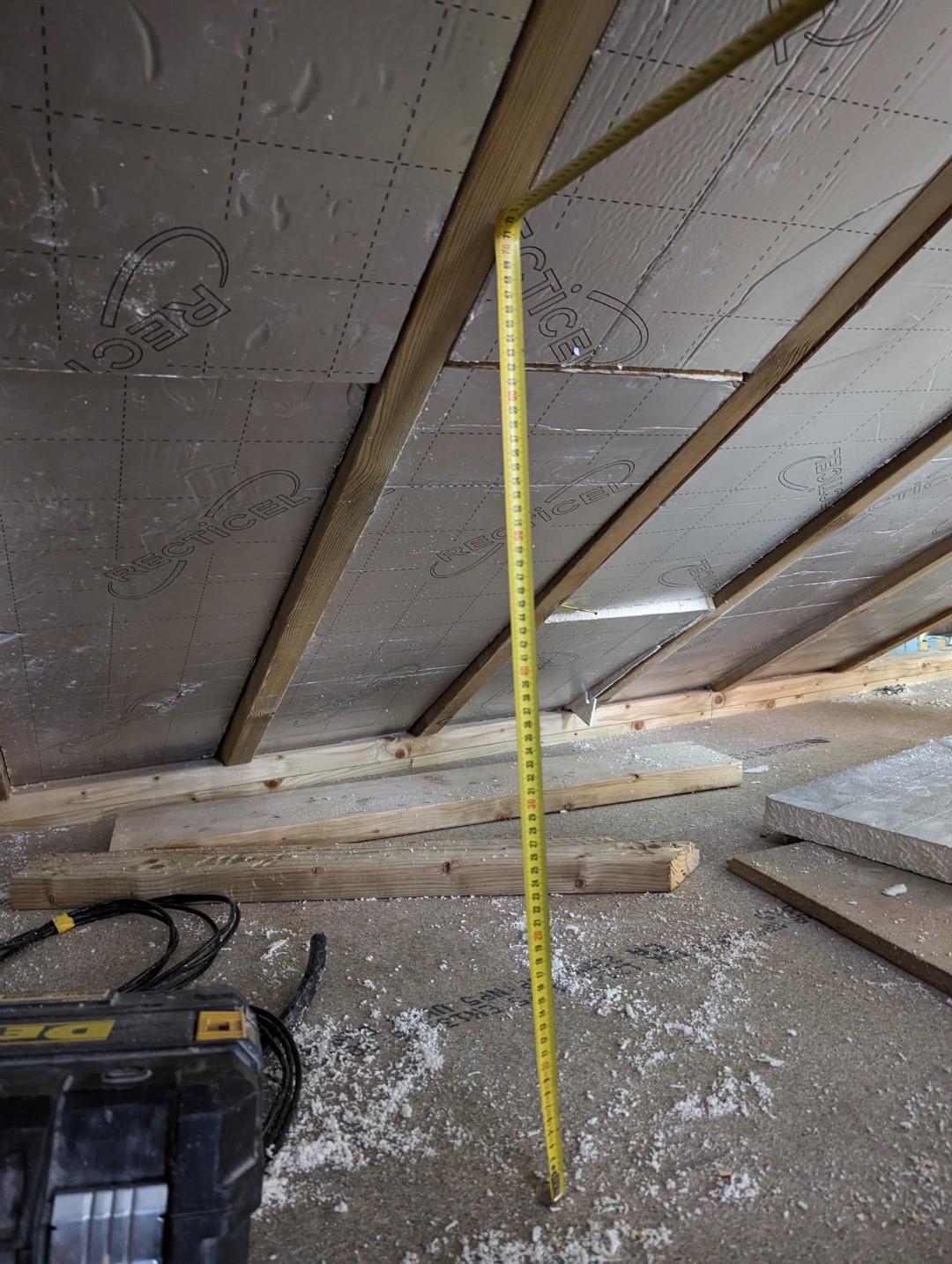
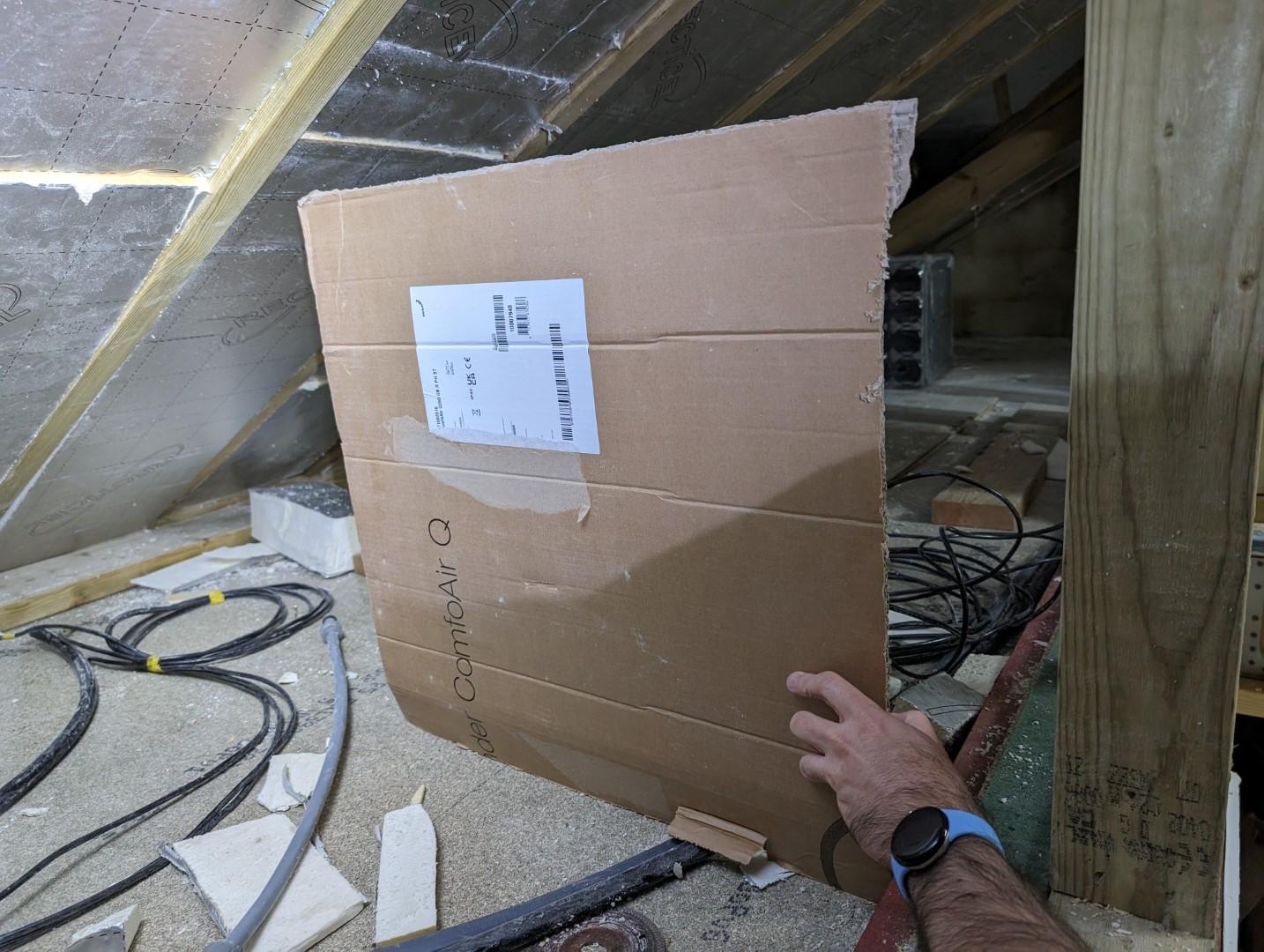
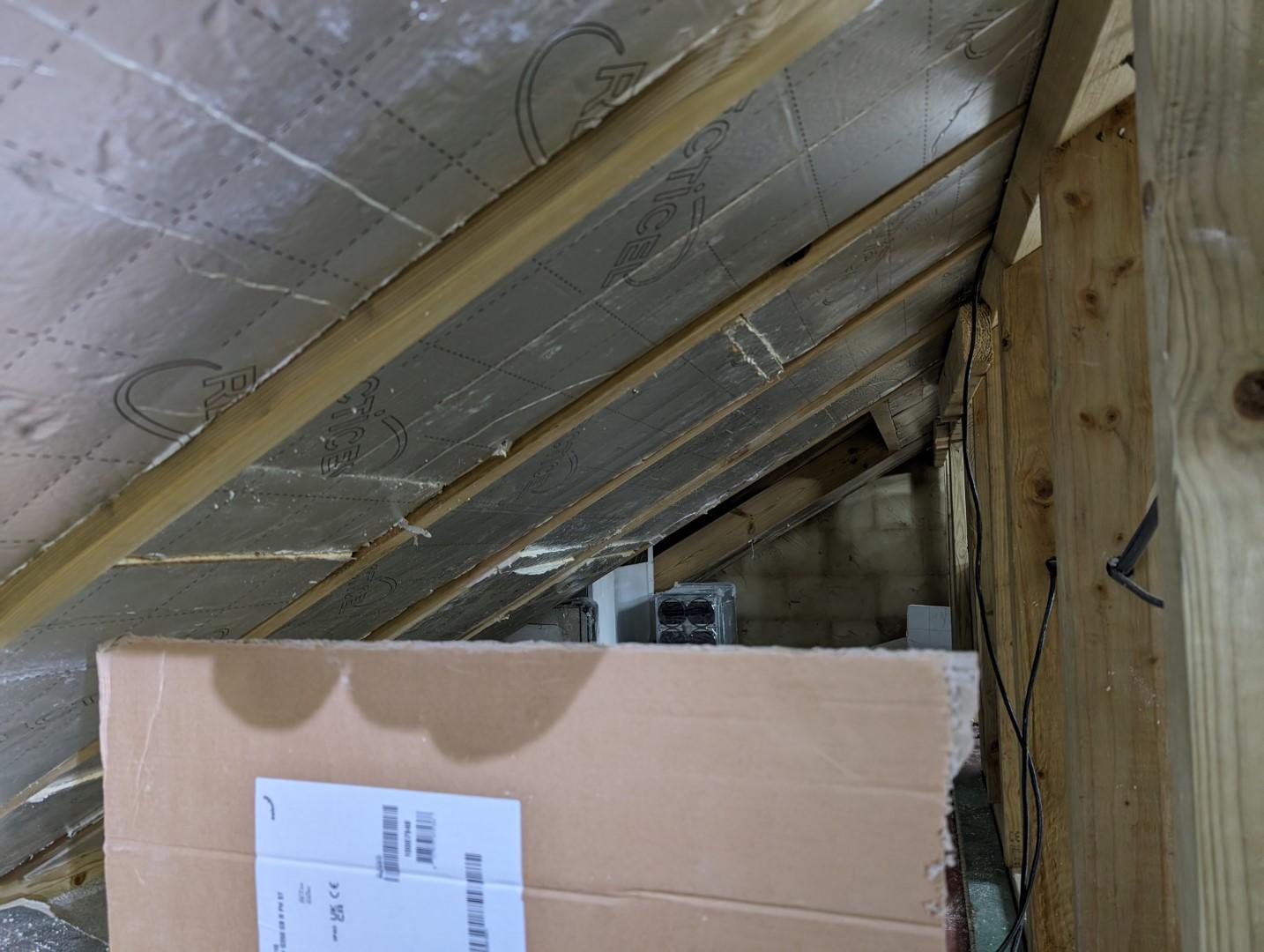
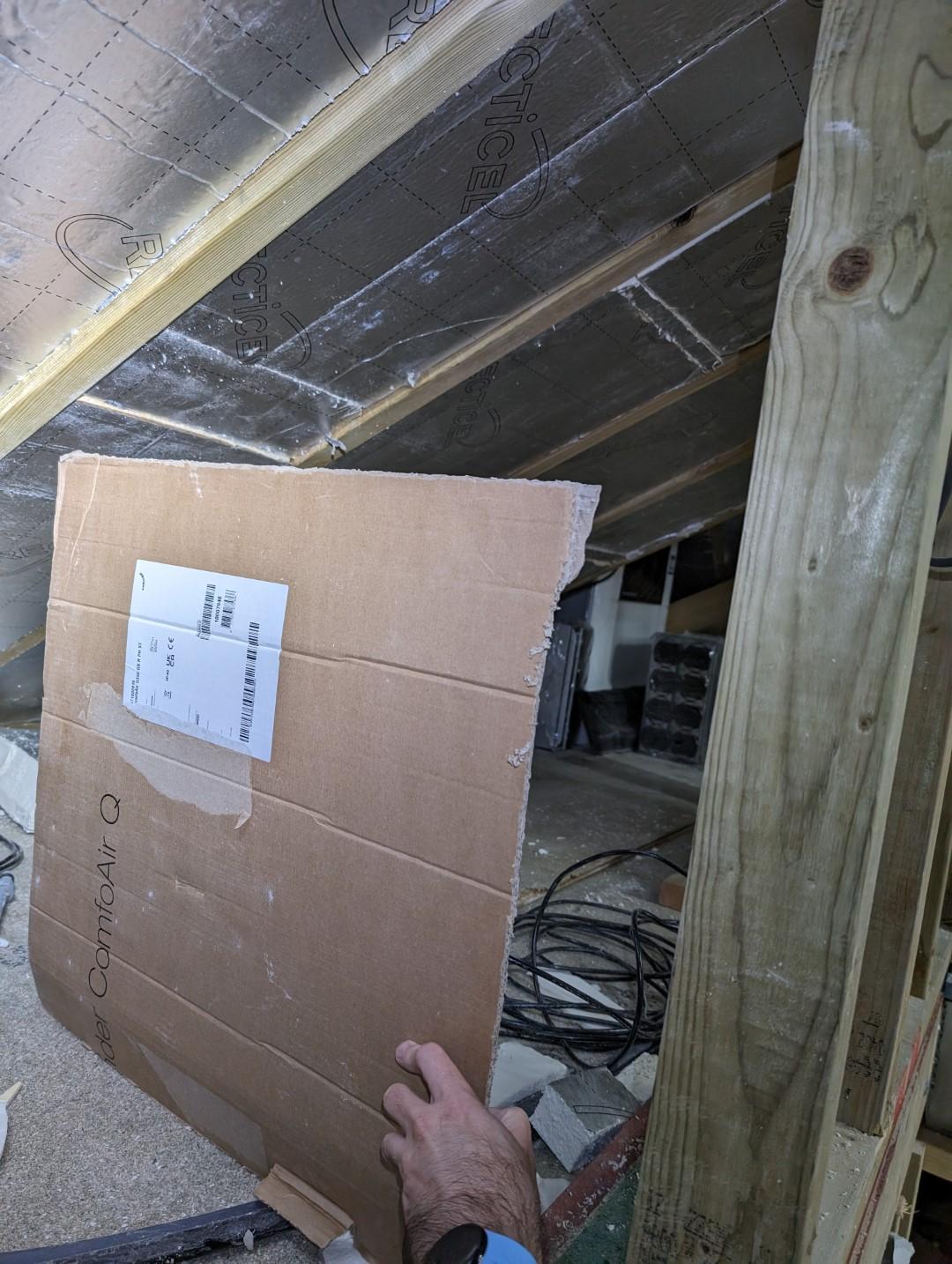
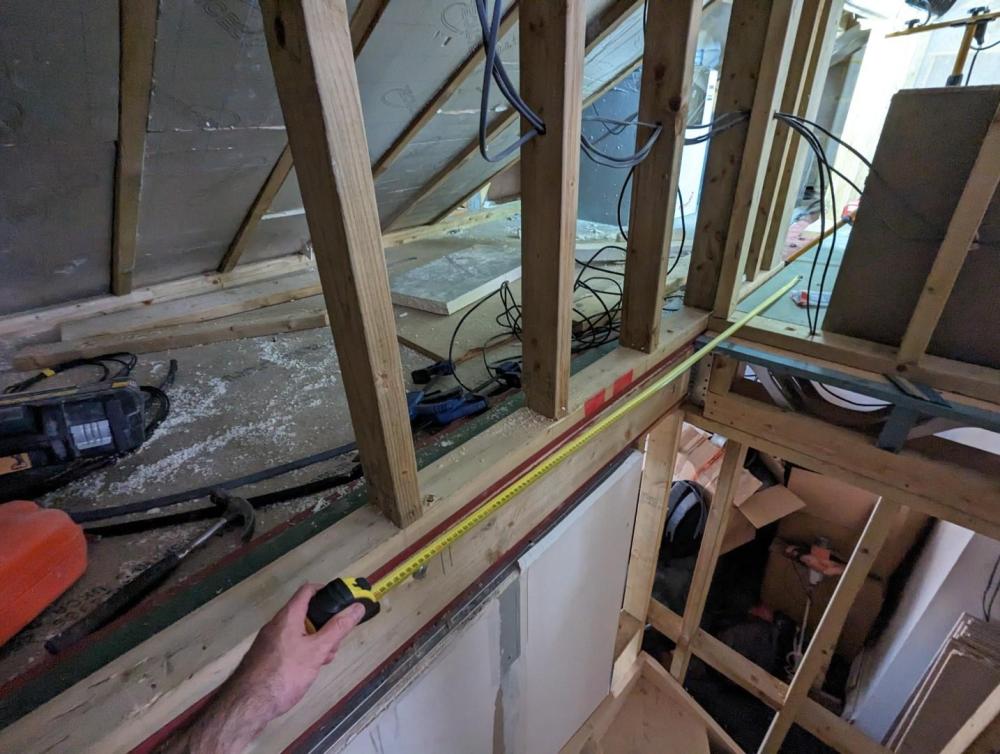
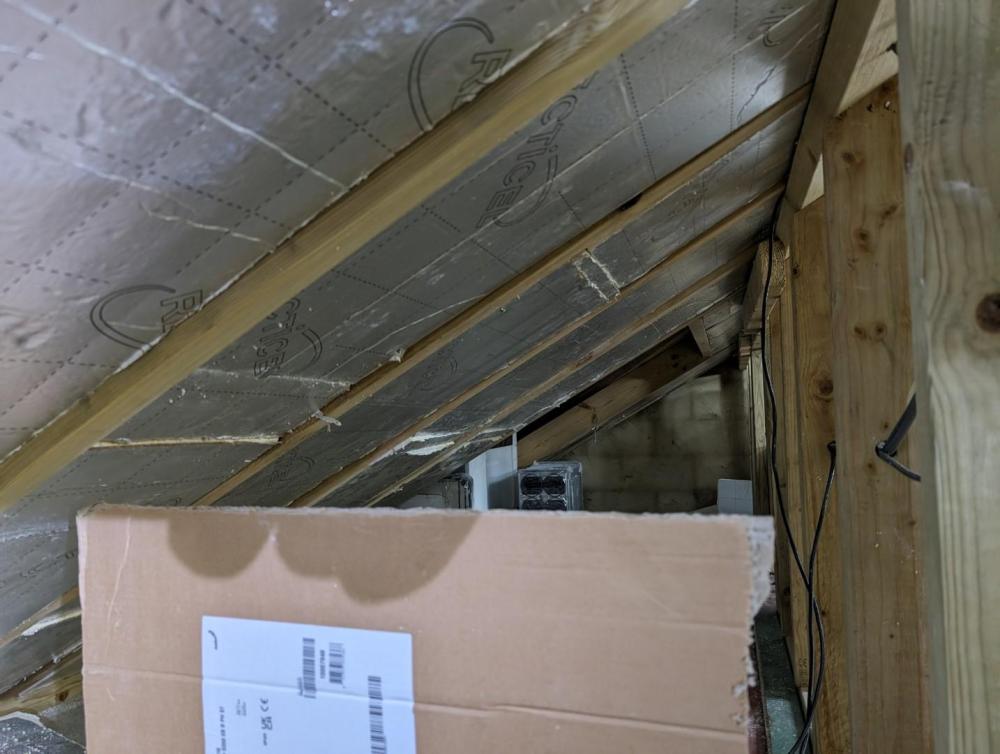
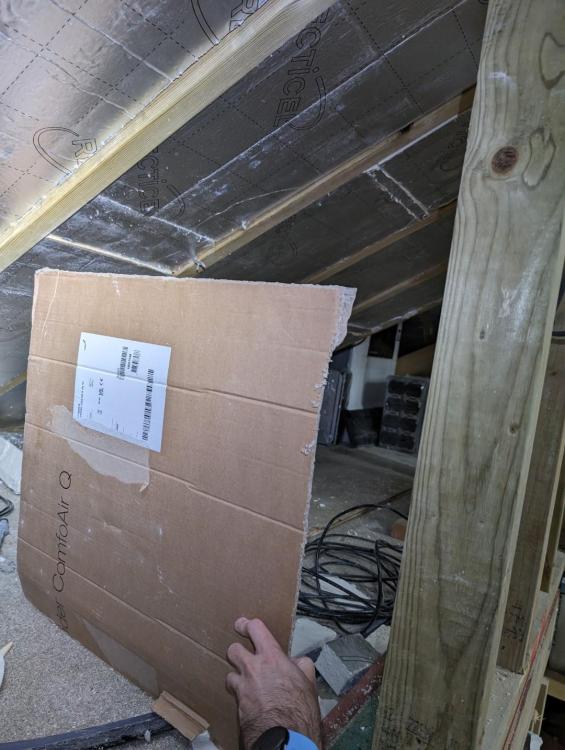
That seems to be the general opinion I've gathered, as long there is a de-strat pump running when the cylinder is being charged, there will be not that much difference. After I've considered all options and the lack of commitment/info from Sunamp, I've decided to stick to a horizontal cylinder. I'm just trying to decide which brand/model I should go for. I have never seen it modelled, so hard to tell. Take a cylinder with a 0.5m diameter ad a 1.2m height. Assuming a U-Value of 0.2 W.m-2.K-1 Volume will be 235 lt. Surface Area will be 2.28 m2 Base of cylinder temperature, once settled, 36°C, top of cylinder temperature 60°C. Ambient Temperature 10°C. If one assume a temperature gradient of 20K.m-1 (about what mine is), then the power losses, when vertical, will be the sum of the top end, plus the area of the diameter (hoop), then the sum of the hoops, and finally the sum of the last band and the base area. Using a course 0.1m down the cylinder, the power losses are 18W, or if the cylinder is unused for a day, 0.44 kWh. Now lets turn the cylinder horizontally. Working out the surface area is not quite so easy here as for every 0.1m loss in height, the end area and the hoop area do not scale in a linear fashion, so I sketched it up in CAD, sliced it, triangulated it, then worked out the dimensions. Accumulative errors was between 1 and 8%, so shall use 4% as the error. The cylinder power losses are now 20W, 0.49 kWh.day-1. A difference of 0.05 kWh. The above is on a static model, but there will be some turbulence. With a mean temperature of 48°C for the vertical temperature, the mean density of the water is 988.7 kg.m-3, at the top of tank temperature, the density is 5.53 kg less, 4.48 kg more at the bottom. A total of 10 kg.m-3 difference The horizontal cylinder only has a 12°C temperature difference (because I used the same temperature gradient of 20K.m-1), so the density difference is only 5.6kg.m-3. Now without getting into Reynold Numbers and tangential surface areas, a simple way to model it would be to look at the difference in stored energy and the difference in mass as energy is the ability to do work, which can be reduced to moving a mass a distance. The vertical cylinder will have 233 kg of water in it, the horizontal one 232.4 kg, so 0.6 kg less. To move 1 kg of water, 1 metre, will take 1 joules of energy. So to move 232.4 kg 1.2 metres will take 279.6 J in the vertical cylinder. There is only 0.5 metres of height in the horizontal cylinder, so 116.2 J, so the turbulence losses will be in thee order of 42% less. So I would not worry about the cylinder orientation. I am going outside to sand some wood now the glue has set. I'm technical, but this definitely goes beyond my understanding I can grasp the idea, thanks for the extensive write up. I'll definitely re-read this many times once I understand the physics a bit better. I've been checking several models, they can customise the cylinder a bit and get the immersion heater on the side of the body, or even the dome. The rafters are 27.5 degrees. This is my space, with a 600x600 cardboard cut to give a better idea:
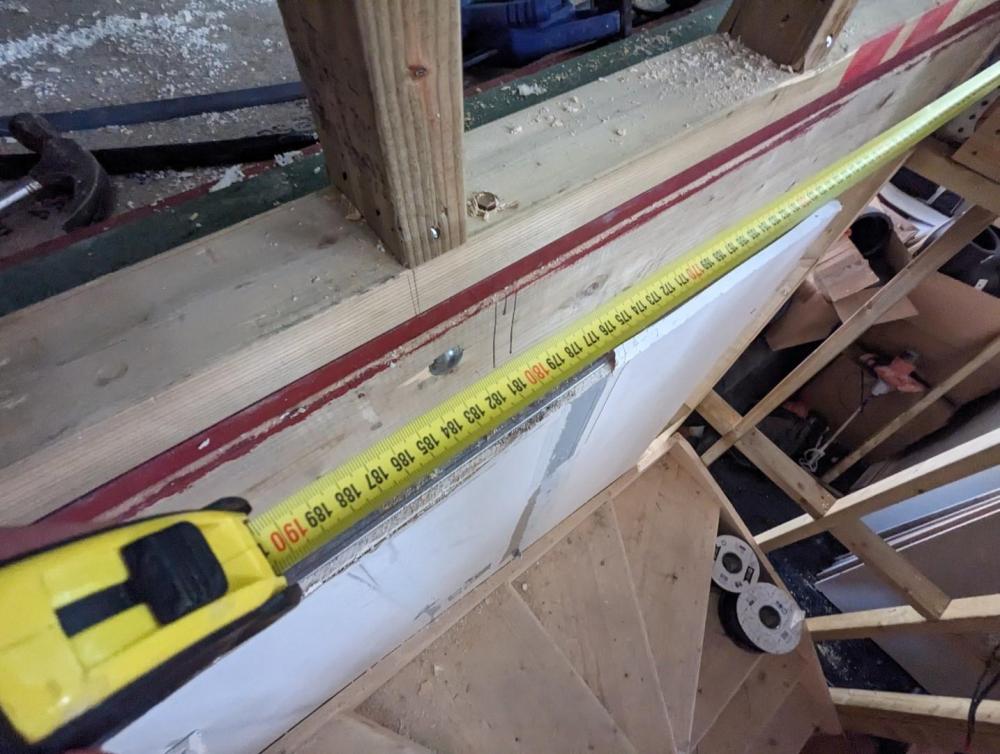
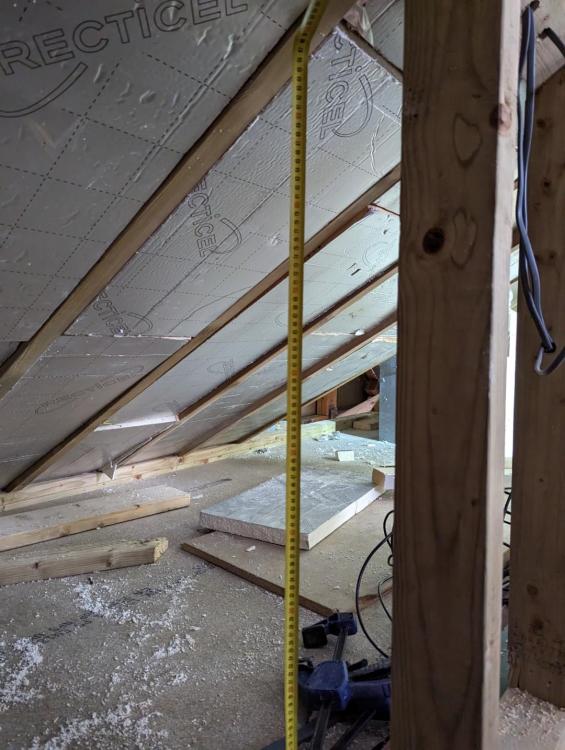
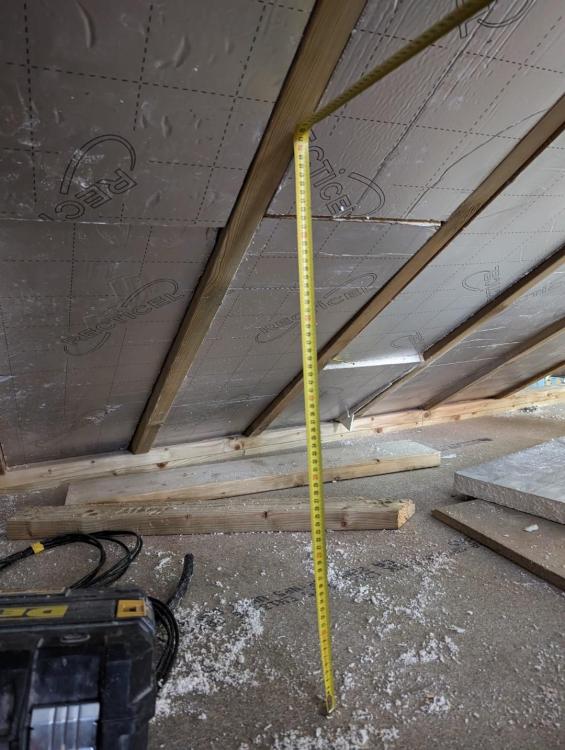
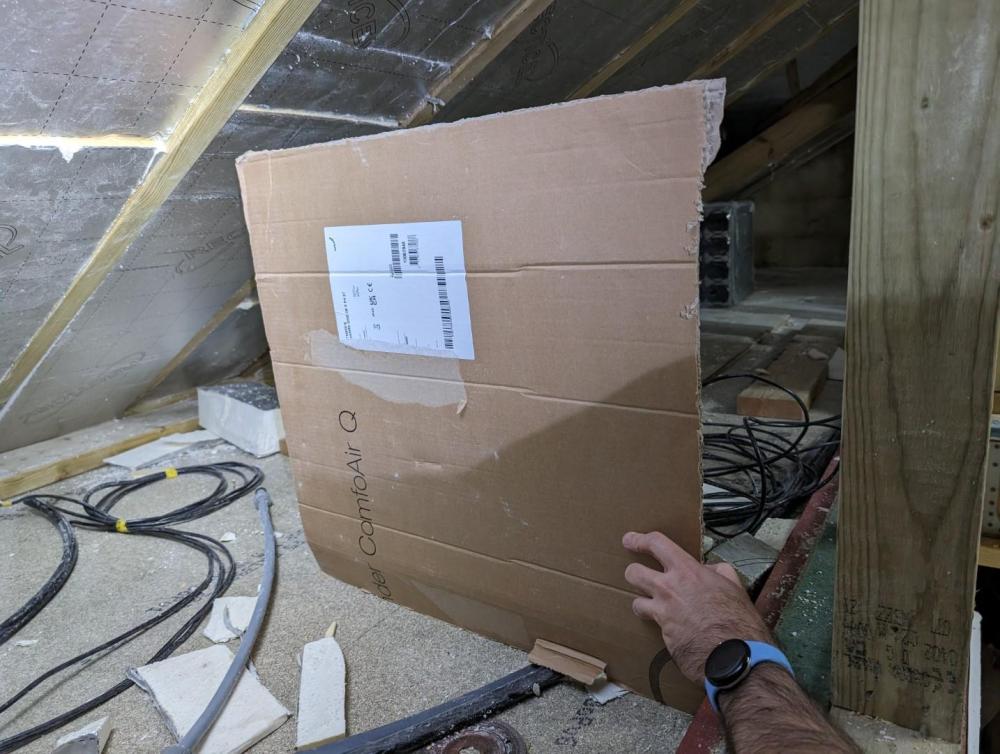
-
I decided to call Sunamp this morning and speak to someone on sales to get some better understanding about their product. Funny enough, no one to take the call... Really?!?!
-
Thanks, interesting report about it. I heard that is can only do full blast or nothing, like 2.8kw. Is that true? Does it not modulate? Yes I've put 8x2s every 200mm centres, they are about 1.8m long, then 22mm chipboard. One side on a steel beam the other side on the blockwork That is a very good point, I guess I can strap it and get 4 people to help but still a tiny dense box to manage with no handles. That is the part the makes me feel it is a no go. they have 3 models for samsung, daikin and vaillant, but they all need to ruin max temp from what I can see. The samsung needs to be modded to achieve sugh high temperature and I think that would negatively impact the COP. Slope starting from 95cm from floorboard, then going down at around 30 degrees, I'll take some pictures and post here once I do the cardboard mock p. It will just fit a horizontal, it would not fit any type of vertical. My idea is to store at 55c max or just go to that temp from time to time to kill legionella, 300+ litres, de-strat pump, the largest coil possible, the small feet possible to keep the cylinder in place without increasing the height. the stratification of water, as it is a larger surface compare to a vertical cylinder, that it will be less useable volume of water in practice. Energy loss wise, should be exactly the same, it is same cylinder just turned around.
-
I've been quietly reading lots of topics here about Sunamp as I was considering it an alternative for energy storage in my loft eaves. I should be able to get a horizontal cylinder to fit, just checking this at the moment with a mock up cardboard. The idea of Sunamp is great, but it seems the execution is poor. From what I can see it seems a bit of a beta/alpha product released to the masses with a "network" of installers and with little end user support when things go wrong. I can't find much on youtube about people showing their own installations, which leads me to believe no one does it. So back to my original plan, I can get a 300L tank in the loft, but everyone says for a heat pump, that is a no go. From what I can see, I just need a cylinder with a large coil made specific for a low temperature system, and perhaps a de-stratification pump. yeah, 300L horizontal won't be the same as a 300L vertical, but I have no other option. Any thoughts? Should I avoid Sunamp like a plague?
-
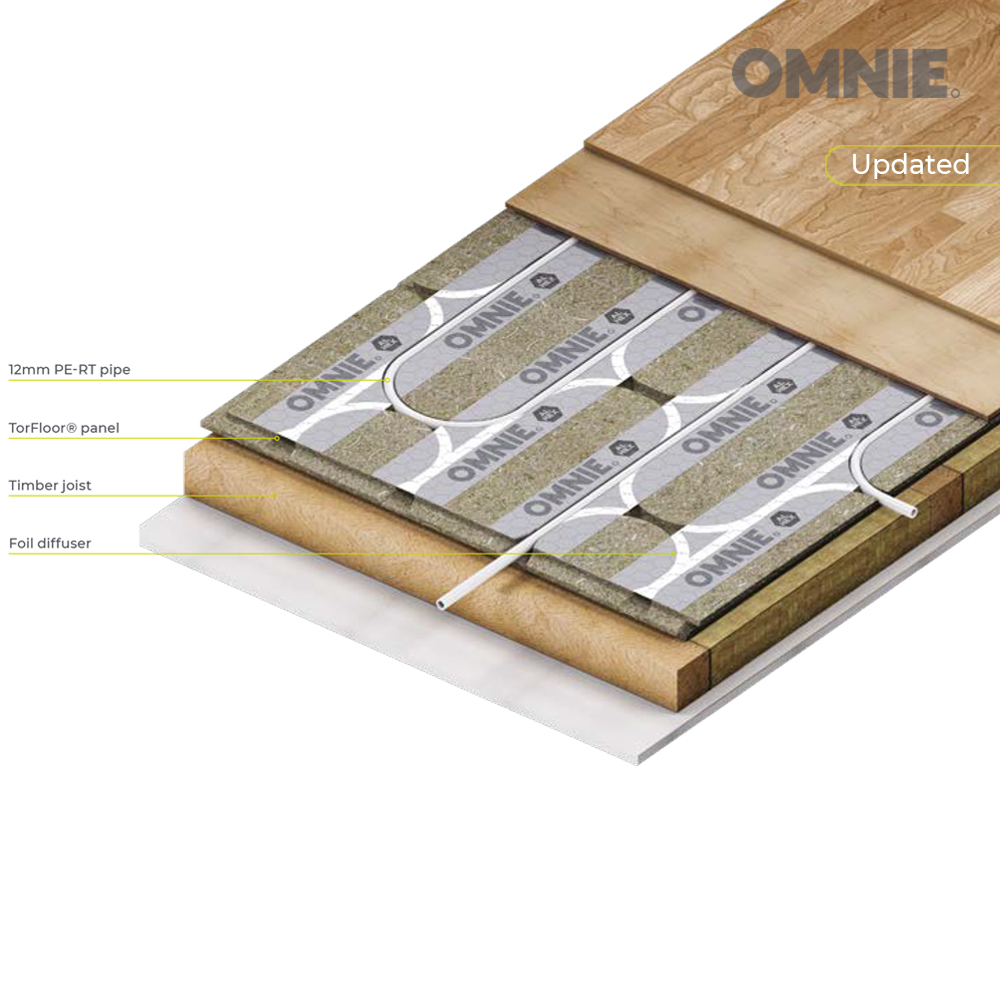
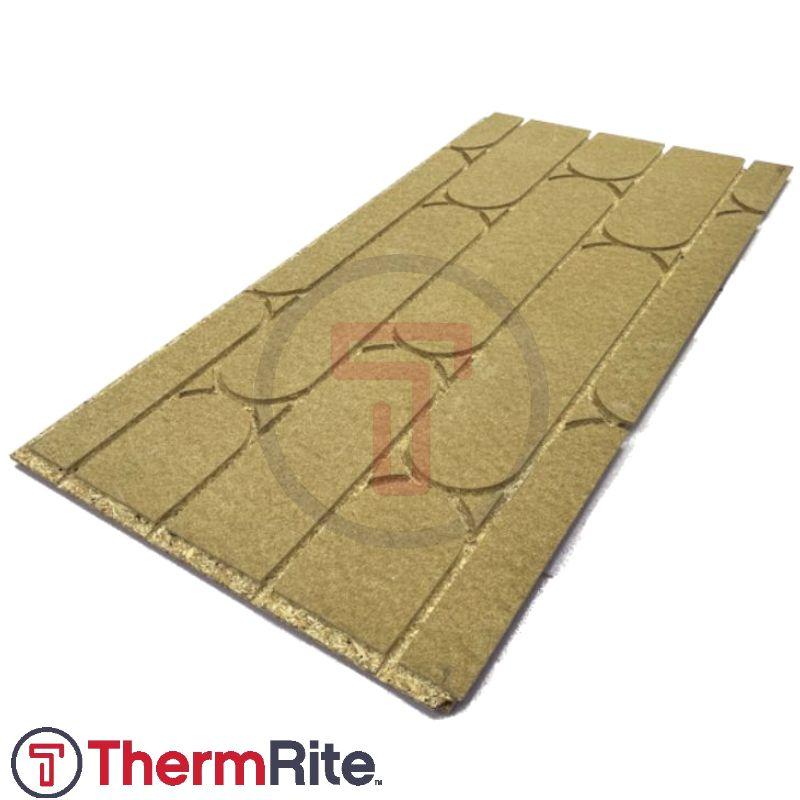
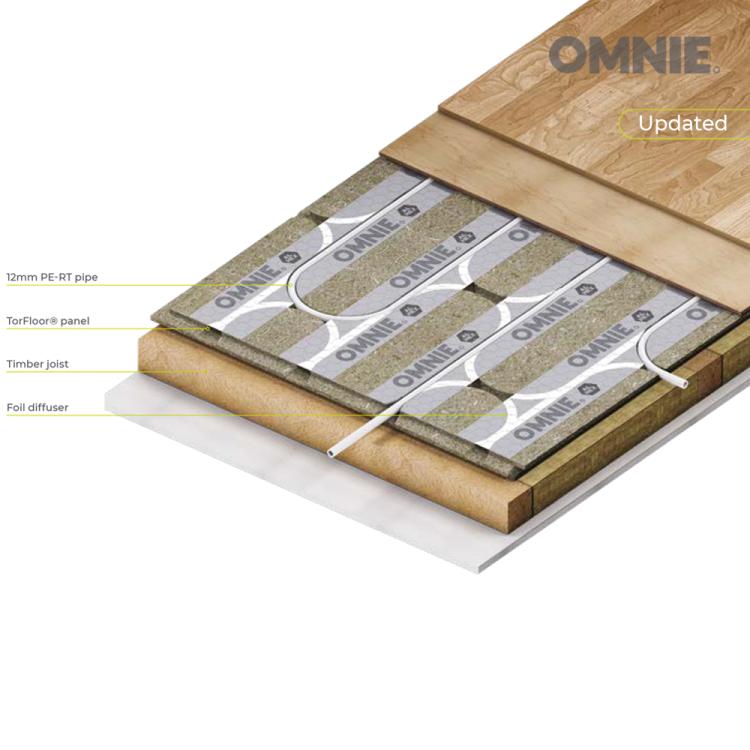
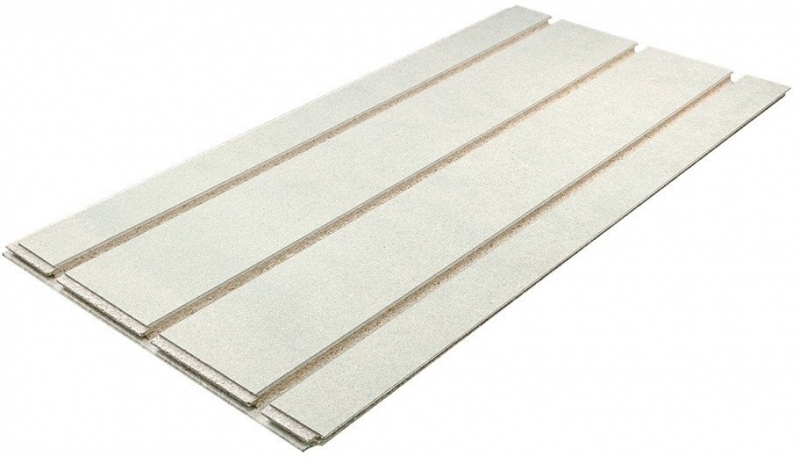
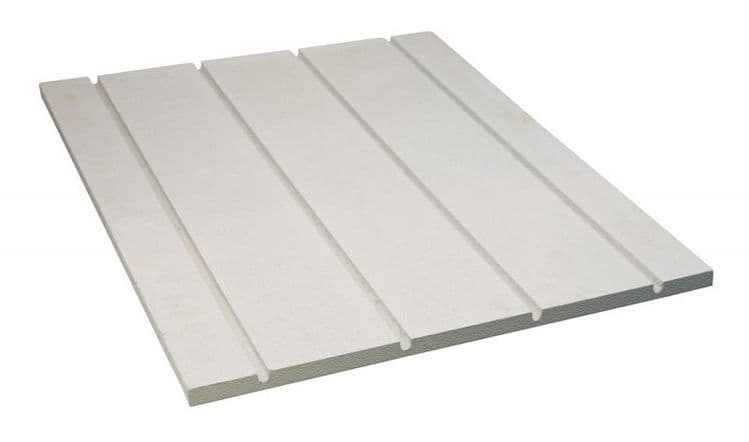
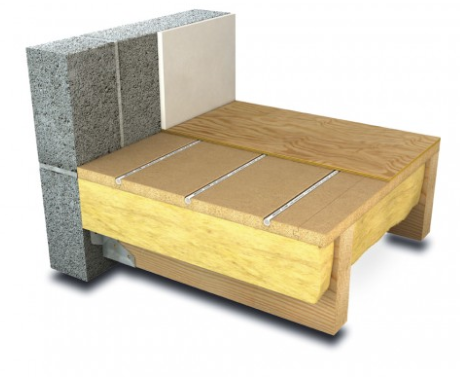
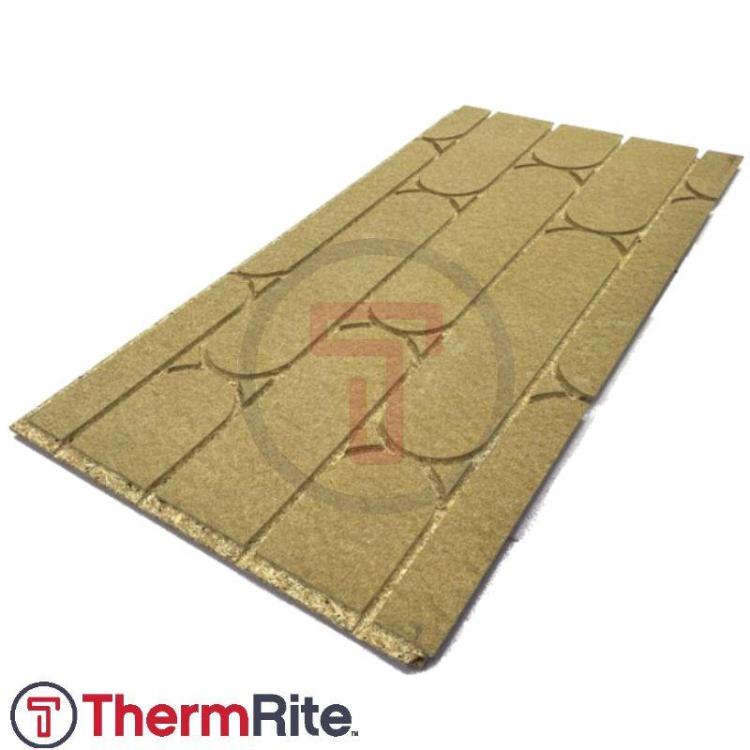
I was trying to find concrete/screed floorboards that can be used as the structural floorboard and at the same have the grooves for the underfloor heating pipes. The idea of using a concrete/screed floorboard is to have better thermal conductivity and less height instead of using floorboards and then a underfloor heating panel on top. There are regular chipboards for underfloor heating that I'm also researching about, but considering the pricing, it may be better to just use regular chipboard and then additional underfloor heating panels on top. If anyone has some advice on best options for underfloor heating in a loft, that would be great. I'm planning to use the same procedure on the 1st floor of the house later once we work our way down.
-
Thanks! I started looking for plungesaws, it seems I may be better off getting a second hand on ebay, still looking for a good deal
-
One of the sides of my wall is around 10mm off level to my door frame as I built up 3 layers of plasterboard with tecsound in between to lower the noise transfer, as this is a home office. I was thinking about how to fill this gap with a strip of wood, but I need to plain it at an angle and I've no idea how I can best achieve this. maybe there is a DYI friendly tool to assist with that? I was thinking even about using a wood filler, but I guess it would be too much at the top where the difference is 10mm, but maybe at the bottom where there is little difference it would work? I hope the pictures help getting a better idea? Thanks! https://imgur.com/a/SP29XIm
-
I was looking at an entry level track saw or rail saw (not sure what is the best name) and I was eyeing the Evolution R185CCSX+ as it seems to be a interesting DIY option. The saw cost £90, the 2800mm tracks cost £77, but when I started checking the reviews of the track, it seems to be crap, not accurate. As I'm planning to start doing a lot of DYI and get more into woodwork, I was hoping to get something that is not crap, but also not expensive. Is there something decent around the £150-£250 mark for a saw + track of decent size or should I be aiming at a lot more?
-
Hi guys, I'm trying to find a good quality terminal to connect 16mm2 conductors. The ones I have found are those white plastic terminal blocks that just by looking at it may spark and catch fire. I'm used to wago connectors which are a wonder but I can't find anything above 6mm2. What do you guys use/recommend? I'm getting a SWA cable across the garden, but inside the house I'm using T&E 16mm2, so hence the reason to connect the 2 together :)
-
Hey guys, I'm building a stud wall behind my garage door (metal door) to use as a recording space and I'm wondering about the best materials to use to create a good sound barrier with good thermal performance too. I was thinking about using 4x2 to make the frame and on the side facing the garage door cover it with some high density material. I'm not sure if that could be OSB as it seems to be more resistant to humidity as well. Inside the wall I'm planning to add 90mm PIR insulation, and then on the inside 1 layer 15mm acoustic plasterboard with a layer of tecsound and then another 15mm layer pf acoustic plasterboard. I'f anyone has any other suggestions about different materials I could use it would be great.
-
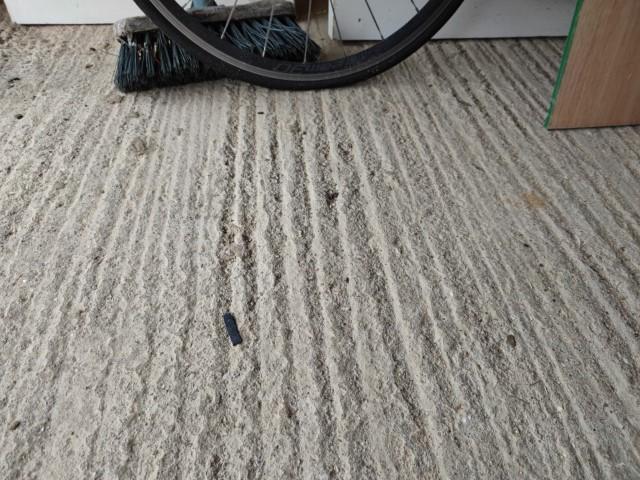
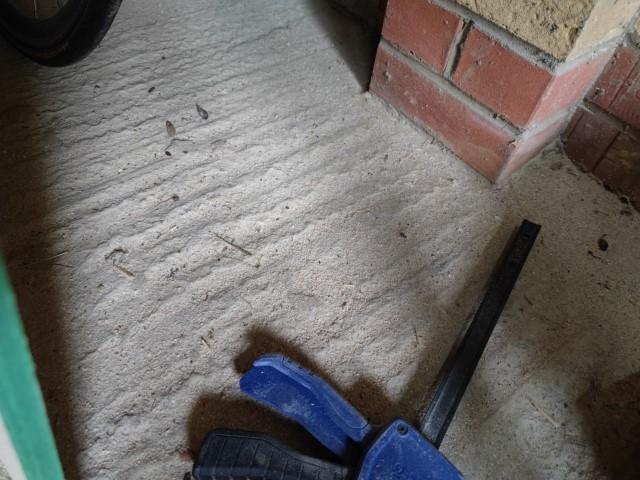
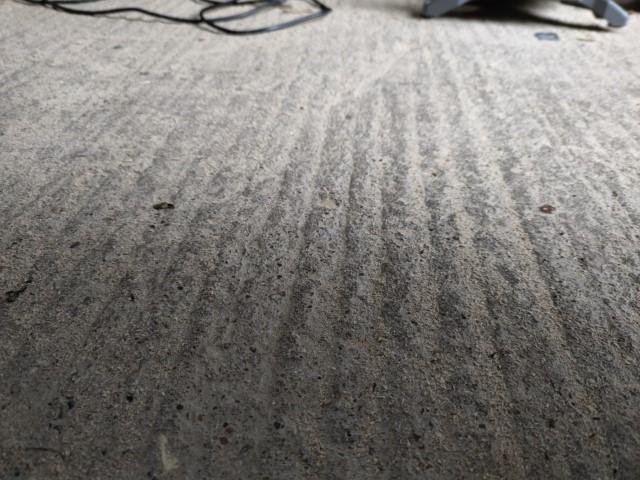
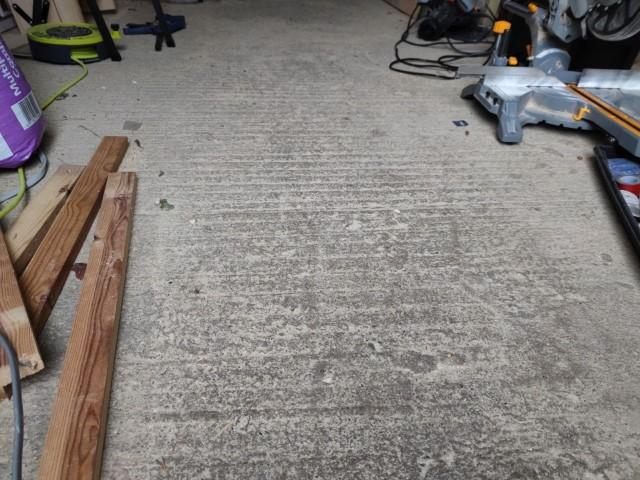
Hello, I'm trying to figure out if self-levelling for my garage floor is needed for my home office conversion. There are grooves all the way which some are up to 5mm deep. I'm planning to insulate the concrete floor on top with PIR boards of around 100mm and I was wondering if these grooves will affect them. In theory, they should take some of these grooves into the board once I step on top, but also there are so many and the weight on top may not be enough to make them sit properly now, but maybe later with furniture on top it will and then that will cause some movement on the floor. What do you guys think? My plan is to add a damp proof membrane on top of concrete, 100PIR boards, foil tape in between them or perhaps another DPM sheet to avoid any moisture from above sinking into the boards, 18 or 22mm chipboard on top, then a thin plywood layer as I'm planning to carpet on top. What do you guys think?
-
Hello! I have a 12m2 garage with a concrete floor that I would like to insulate and use electrical underfloor heating as it will become a home office. I'm doing it all myself but I’m not sure what is the best procedure and/or order of putting it all together. My first idea was first to repair cracks and holes with mortar, then self level it as the concrete surface is full of tiny waves/grooves, lay a damp proof membrane, lay the 50mm PIR boards on top, then electric underfloor heating mats stick to the PIR boards, self-level again and then a laminated or vinyl floor. The concerns and questions I have or were raised by talking to some people * I may not need to self level the concrete slab to take these waves/grooves imperfections, the PIR boards once layed on top of them and walked on top should absorb these. True? * 50mm PIR boards for a 12m2 garage could be overkill? * PIR board should not be in direct contact with electric underfloor heating, I guess it can be burnt/melted by the wires? It seems I would need to add a separation layer, some suggested some concrete faced insulation boards so the heat from electrical wires would spread more evenly on the surface and not damage the PIR boards underneath * Should I chipboard on top of the PIR boards (which has the wires and self level already in place) as they are weak and could get damaged easily with point pressure even with the self-level on top? * Is chipboard the best option to add a hard layer between the PIR boards and the laminated floor? * I was checking screed, but the requirement seems to be 50mm of screed on top of underfloor heating wires and that with already 50mm PIR board means a fair bit of headroom gone, plus the curing time for screed of several weeks. I was checking liquid screed with faster drying times, but I'm not sure it is worth the costs This is a DIY project, and I was told that I should just get some regular electric radiators in place, but I want to learn and try as I may one day build my own house so the garage is my guinea pig as I can invest more in materials when I'm doing all the work
-
I want to install LED lights on plasterboard that is directly on top of PIR boards on a 5.1x2.2 metres garage that I'm converting to a home office. I was reading that I should have clearance between the lights and the PIR board to allow air circulation, so I was looking for slim profile LED lights, but with so many choices, it is difficult to find the right product and if I'm taking the right way. I initially wanted to put GU10 LED lights in place as there is a lot of options with colour temperature, beam angle and lumens. But slim led lights there is way less choice, also the brands are a bit more obscure. I was hoping anyone could shed some "light" here to what is the best way forward. The GU light fittings are quite bulky but I have more options compared to the slim LEDS that have an external driver. I was hoping to leave as much insulation in place as possible.
-
Does the installer provide some sort of certificate to the installed window then? BCO would just cost as much as an installer I guess Do you need tickle vents even though there are air ducts to the outside of the building? It seems a bit redundant. What if you have a forced air circulation system, do you still need tickle vents? Yeah for £300 + the hassle then it makes sense to get an installer. No disrespect to the installers, I just want to be 100% in control of things done to my property and having got cowboys in the past I'm very careful now.
-
thanks! Yeah I've noticed that now that it seems I need to buy and install from the same place. I want to learn and do it myself and I manage my rental properties and I'm very keen on doing things properly after I was let down by some cowboys. What would be the problem exactly, windows not installed correctly or not having some sort of certification for it? I'm even considering doing a quick course do to more of this type of work myself as I enjoy it, and also because I know I'll be in control of the quality maintaining my properties
-
Hey guys, I was researching a bit trying to find online shops that make windows to measure and I'm not feeling confident some of these online vendors use good quality stuff to make their windows. I ended up finding Eurocell website and it looked quite promising, until I decided to look up their reviews. I'm based in SE London so I was hoping to find a place I could source a couple of windows without the uPVC greedy seller margin on top, and hopefully find a good installer too. Alternative a good reputable online shop would do as well Does anyone know any reputable brands with good customer service?
-
Hi, I'm looking for a loft conversion (my house has a trussed roof) and I found out about Telebeam and Ecotrus recently as a way to not need a heavy steel beam installation and cranes involved. I haven't seen that much information out there on the internet and I was hoping someone here would have experience and perhaps use these systems to confirm it is a viable way to convert a loft quickly and without spending a lot. What do you guys think about these systems?