Allthegearnoidea
-
Posts
18 -
Joined
-
Last visited
Everything posted by Allthegearnoidea
-
Thanks Gus. Yes, there is felt under the tiles, and it's generally in good shape - we don't see any water in the loft anyway. I had a dry ridge installed not to long ago too. The single-storey extension we're building at the rear will make access a little more difficult, so I'm just trying to make sure it's in as good shape as possible while I can still access it relatively easy. And yes, due to the extension we are skint so I'm glad to hear it can probably last a few years longer! Some of the houses in our street are council owned and they had new tiles not too long ago so the council must have thought they were reaching the end of their life, or a contractor persuaded them to reach that conclusion anyway.
-
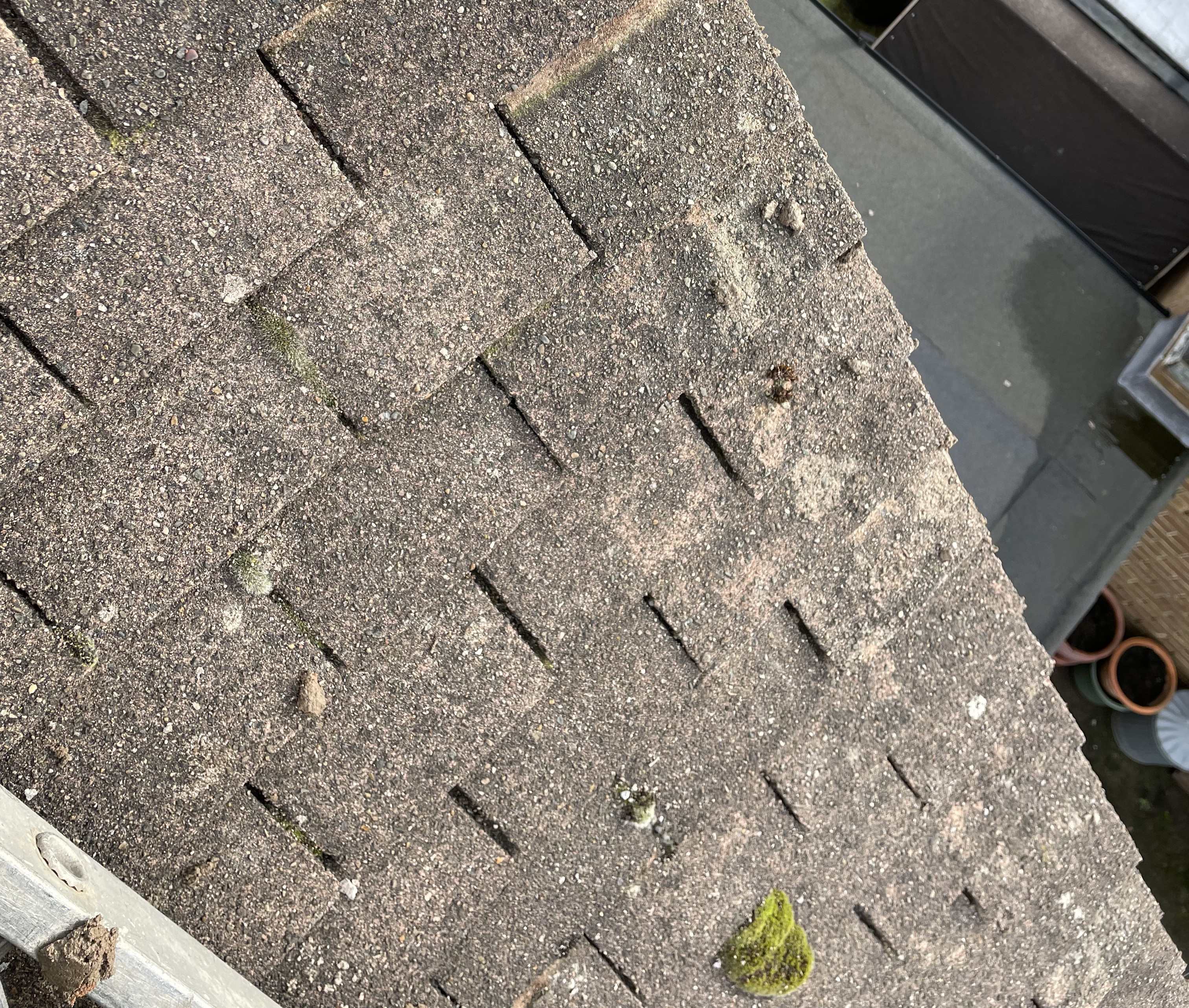
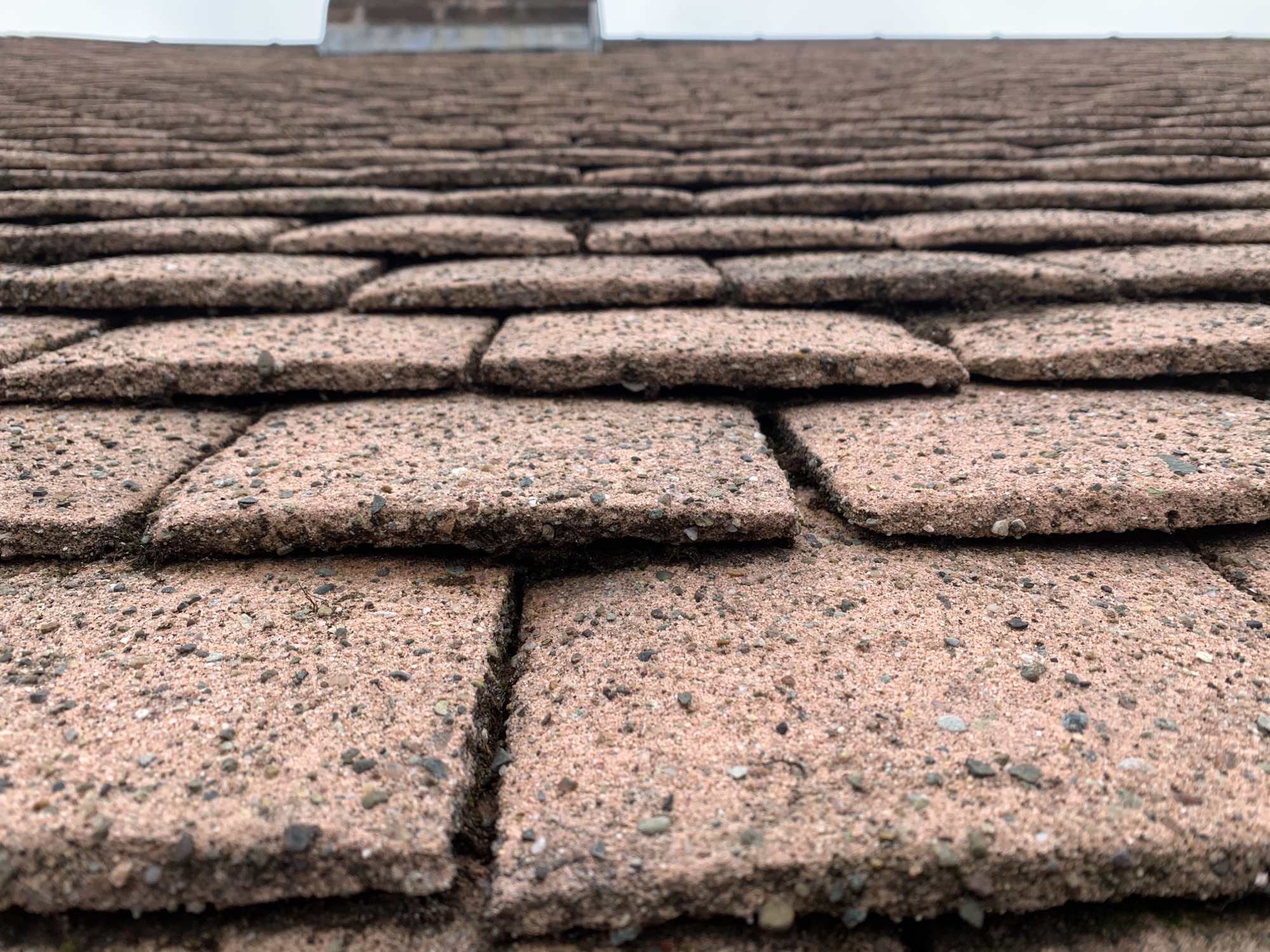
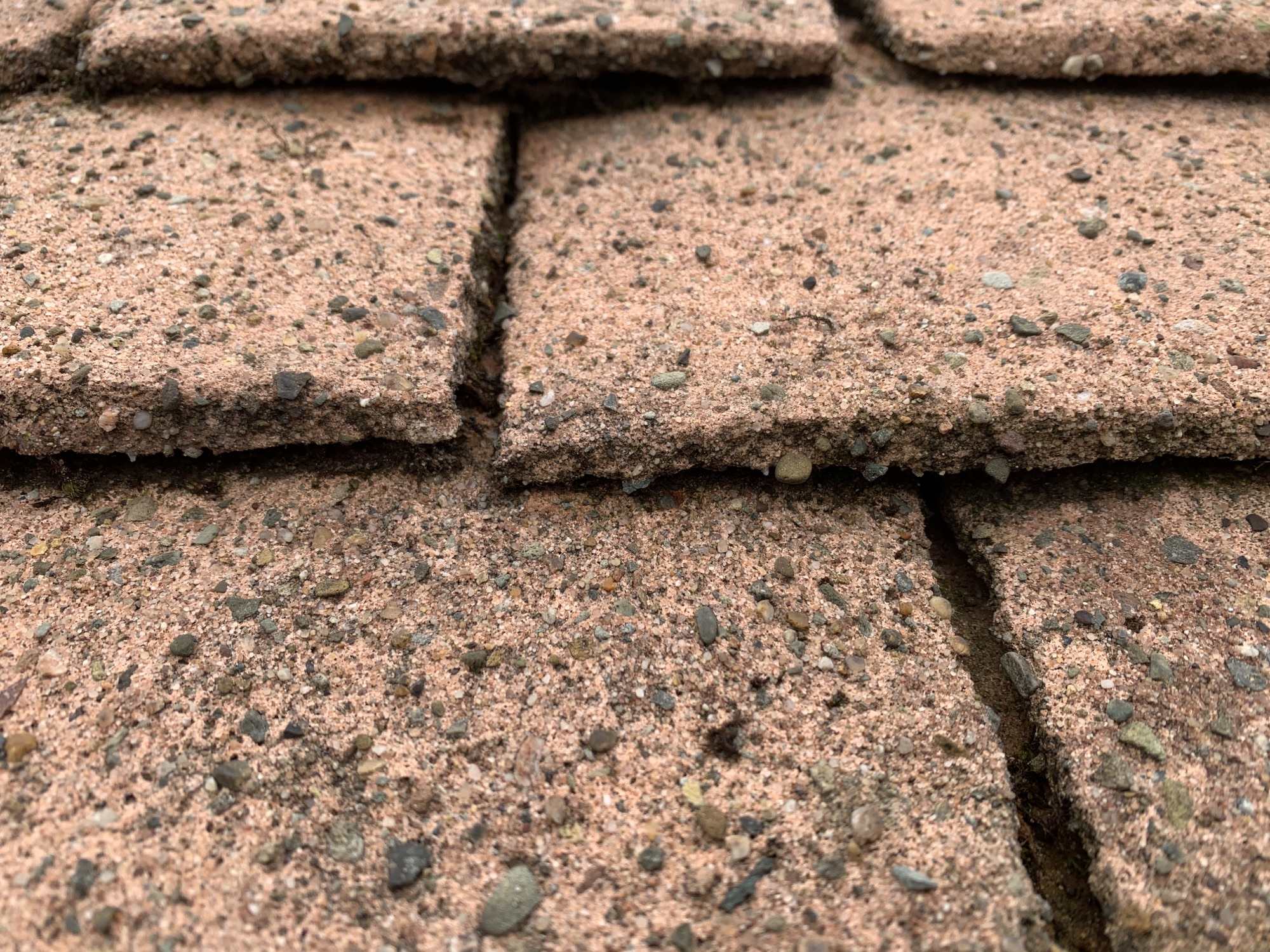
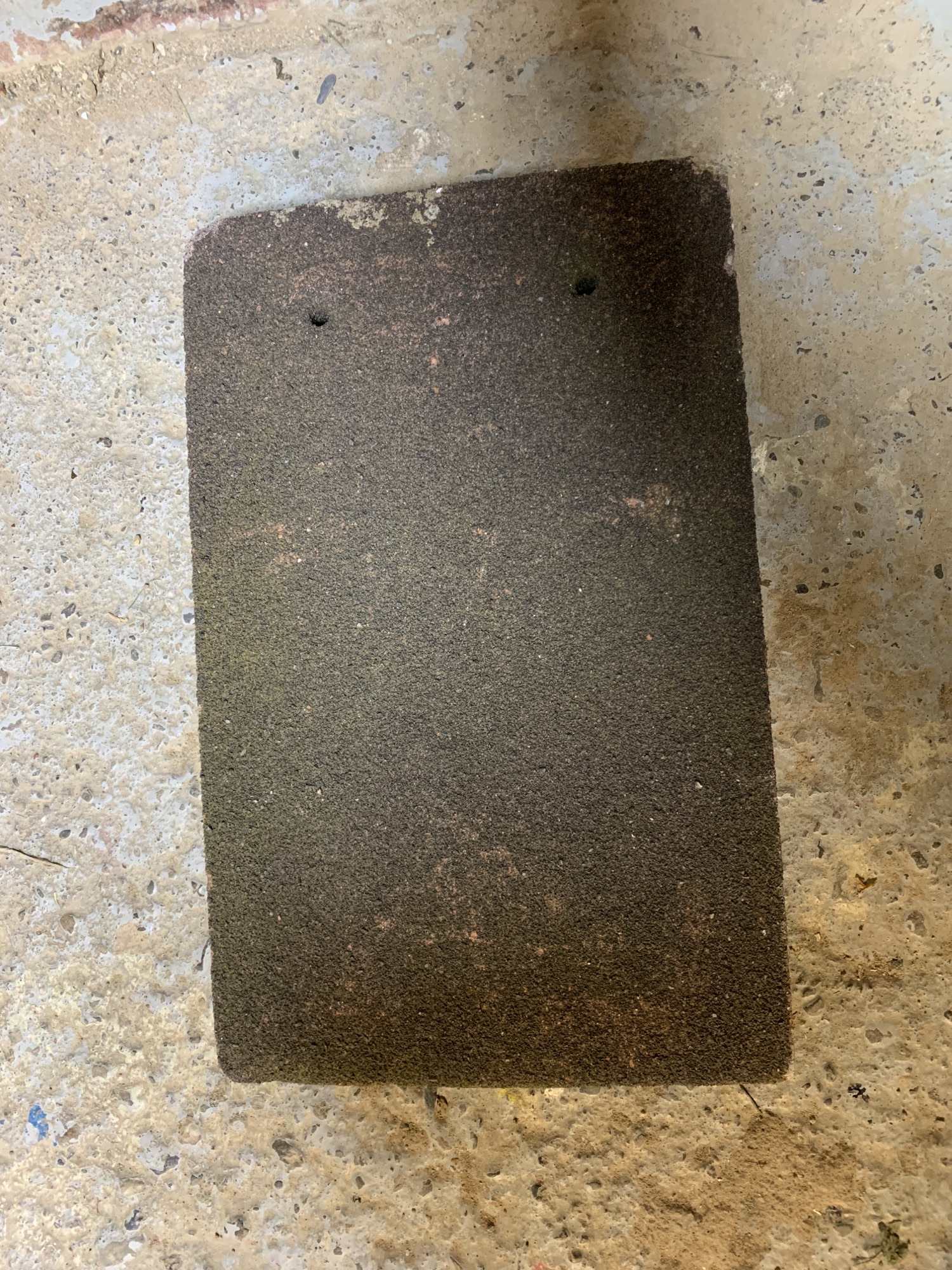
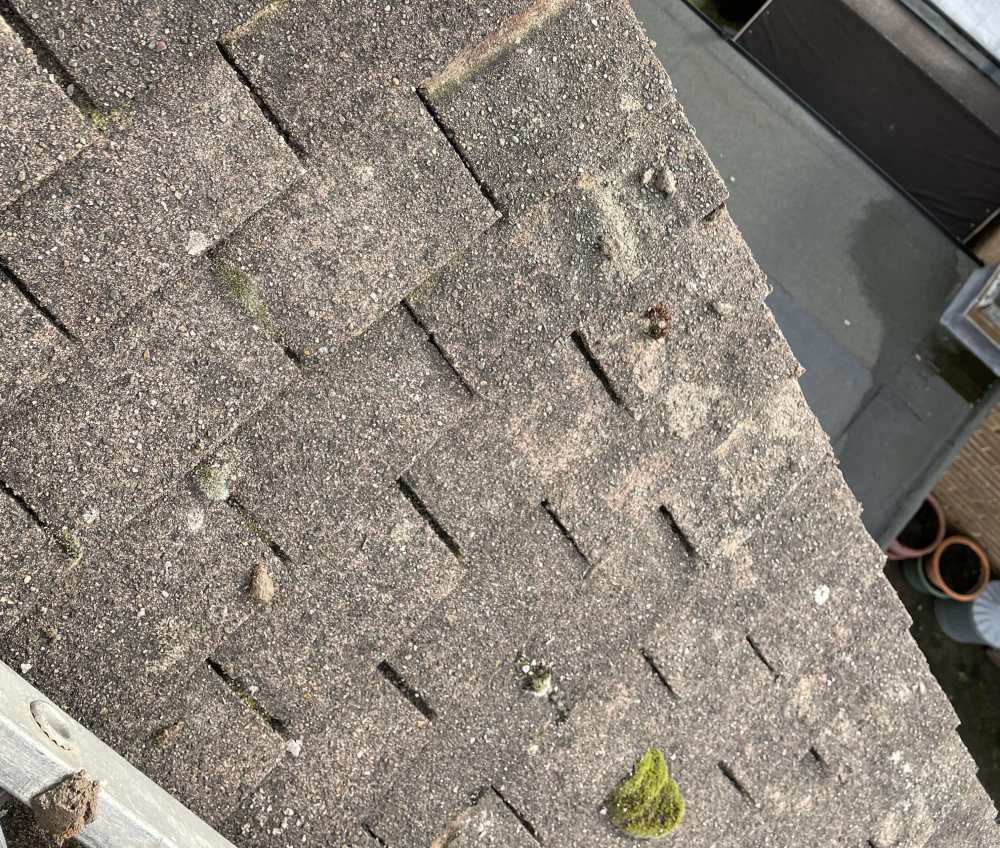
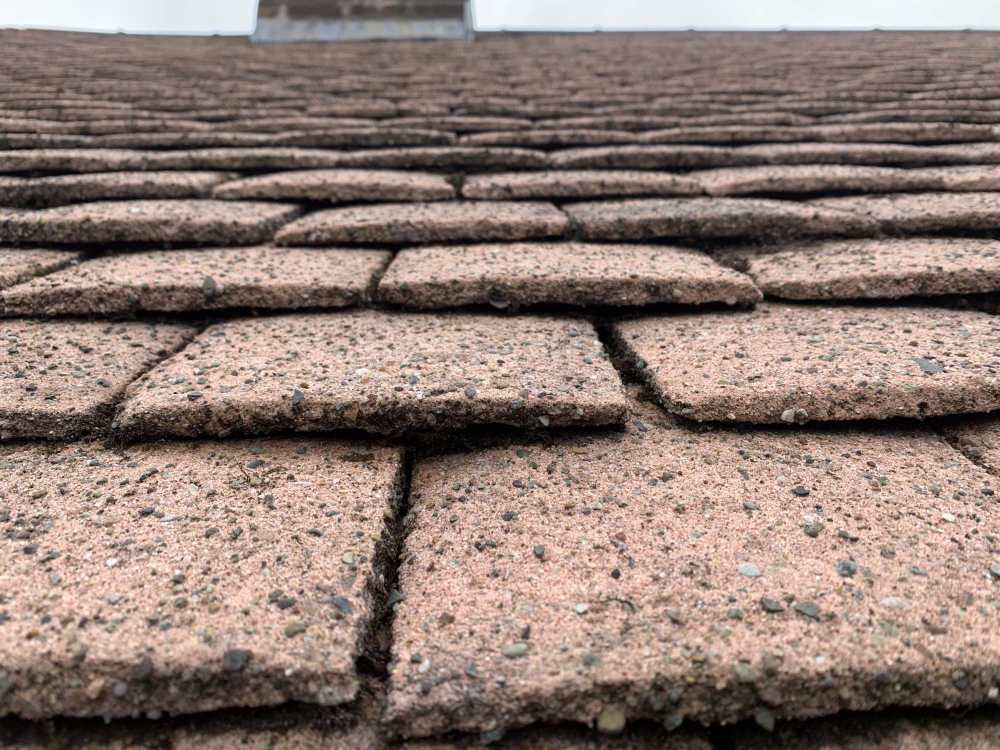
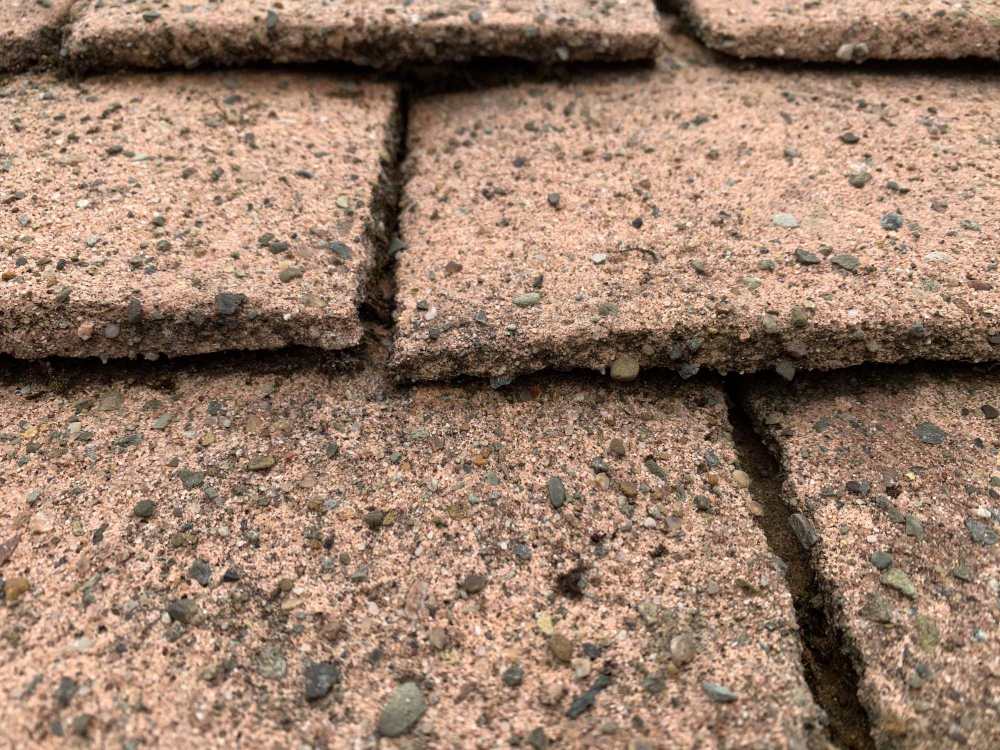
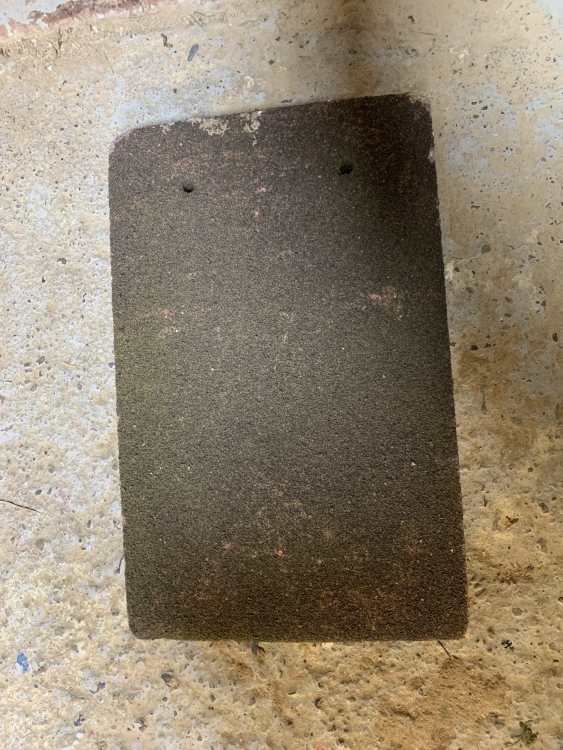
I really debated having this done as I didn't want it to stand out like a sore thumb against other houses in the road, but several roofers recommended it even when they didn't offer the service themselves. Not sure whether this has caused a problem, exposed a problem, or I'm just worrying unnecessarily! It looks great from the ground, but up close the tiles look very eroded. These tiles would be approx. 70 years old! Before: After: An original tile (I think?) - it says Marley Eternit on the rear. The surface texture seems very different, so perhaps this isn't the original tile after all - or perhaps it's been eroded over the years? I would be grateful for any experience! Thank you
-
Perfectly clear, thanks Nick 👍
-
Final answer 🤣 32 > 40mm for the basin as it is more than 1.7m Boiler / bath waste 40 > 50mm and downstream of the basin Inspection bend at rear of WC My 'stub stack' idea is no good, branch would be too high above invert of stack.
-
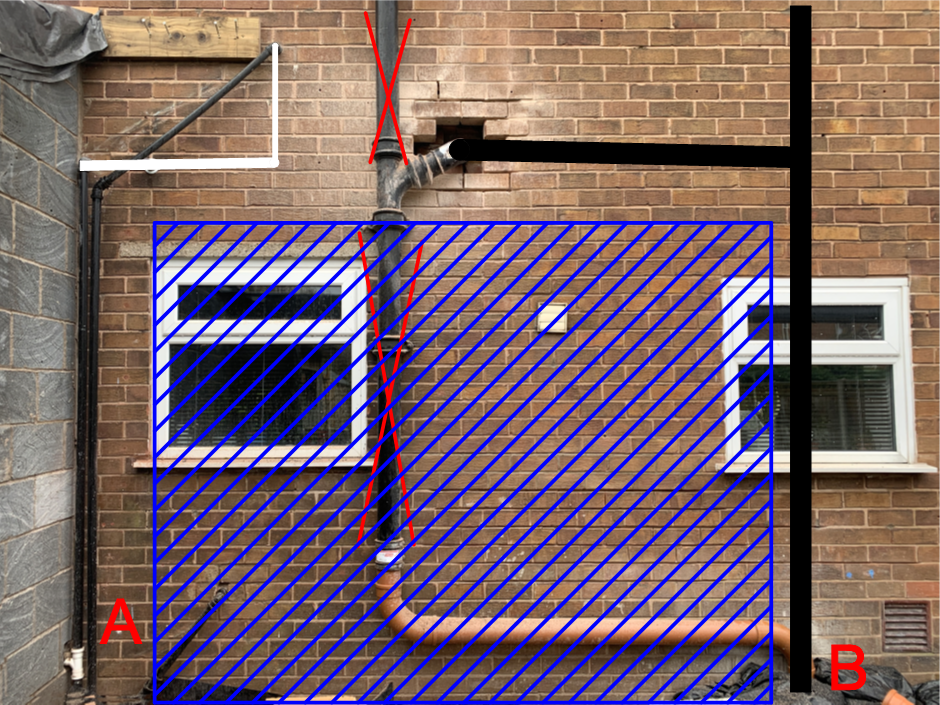
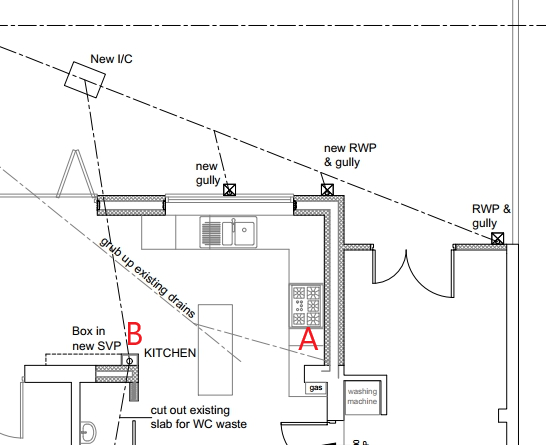
Sorry, I should have made that clear. We haven't broken through yet, but there will be a new internal opening, roughly as below - window will be bricked up when we get to that stage. I could box the suggested pipework into that corner (A), but ideally I'd still run 50mm down the wall as far as possible to keep it tight. I've learned this is known as a stub-stack? They're only supposed to serve one storey if I'm understanding the regs correctly - which it would, being the upstairs bathroom (the white tee you can see going through the wall goes to the washing machine in the garage, but I could divert that off elsewhere to make building control happy). This way the condensate waste is downstream of the basin so I don't need to run two pipes, and it isn't too cramped or long. Not sure which way to go - this one seems the most straightforward for my plumbing skills, but feels like building control might raise an eyebrow? Option A, someone commented if the toilet blocked it could back up to the basin? Raining on it all day today anyway, luckily I'm not too worried about a bit of water getting into the cavity where I've knocked through behind the loo since I'm knocking that wall out anyway, but I've covered it over anyway to make myself feel better 😁
-
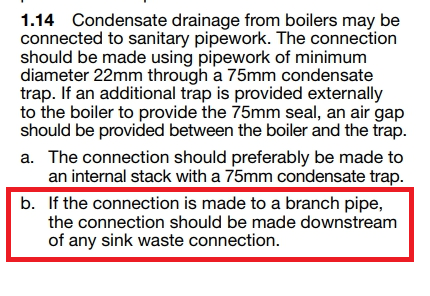
Option C - Previously the basin and bath went into a hopper where you can see the two temporary downpipes, these are currently just feeding into the old drain which is still there below the slab and working - ie., A & B join up underground anyway. Reading the regs again, it does say that boiler condensate should be downstream of a sink (basin?), so maybe it's best to use this and box it in after all? It would still be vented at the boiler end.
-
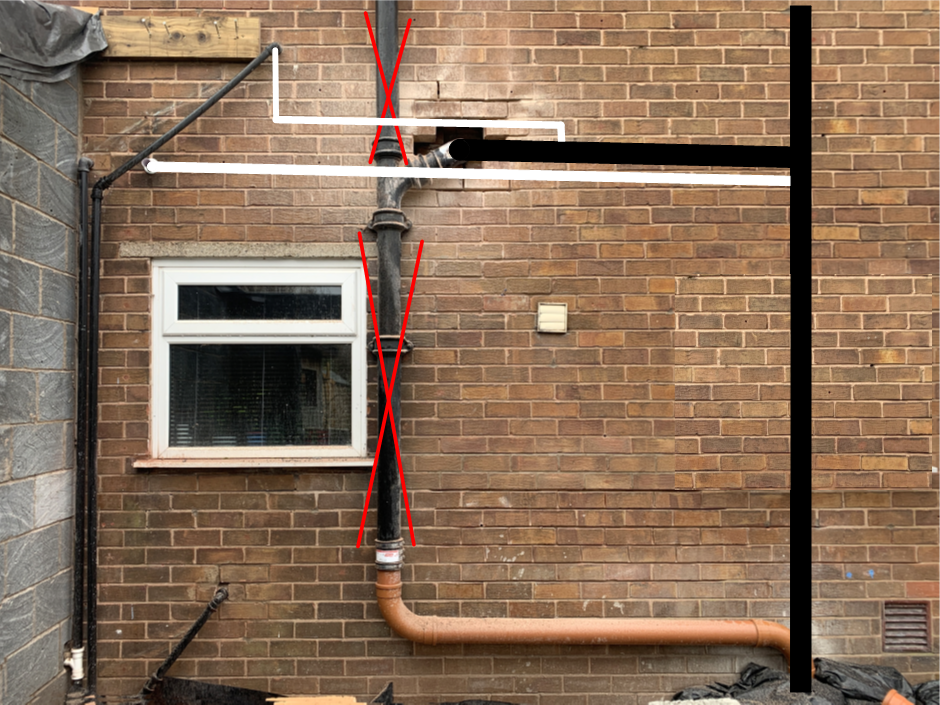
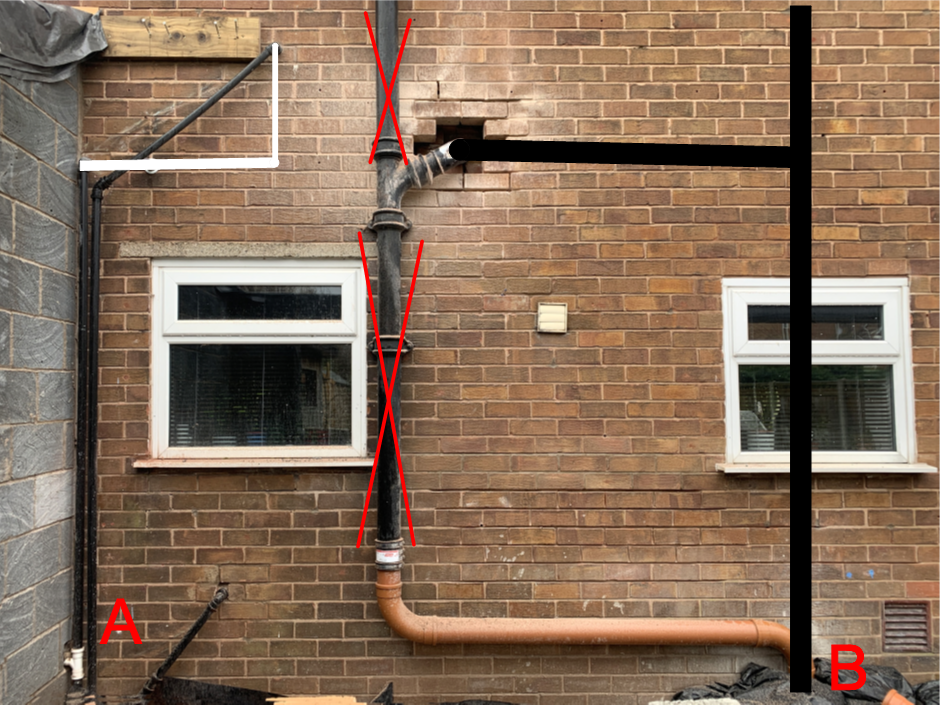
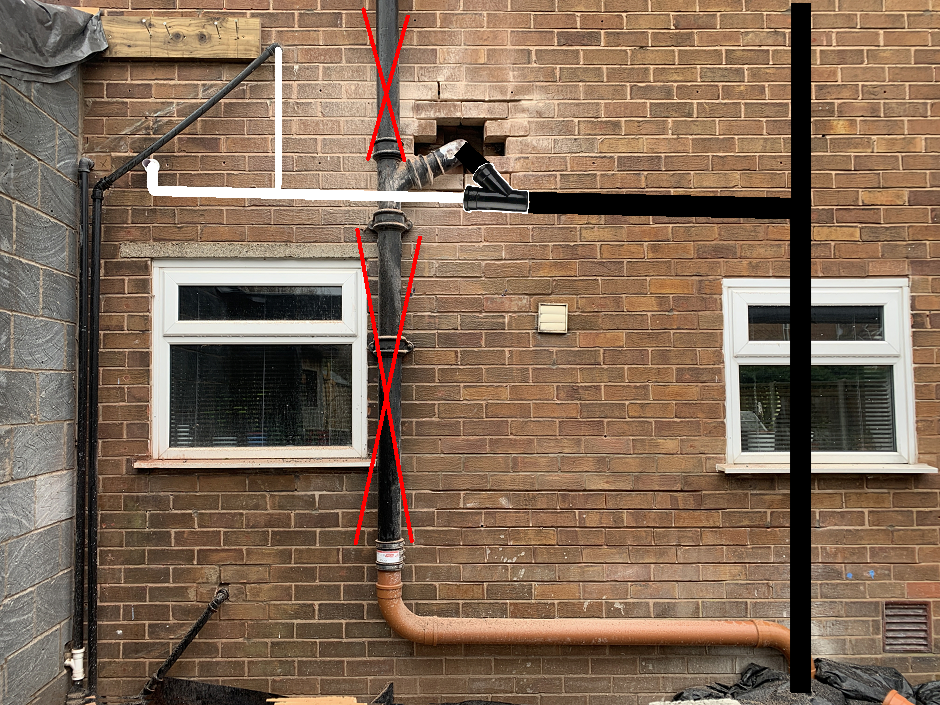
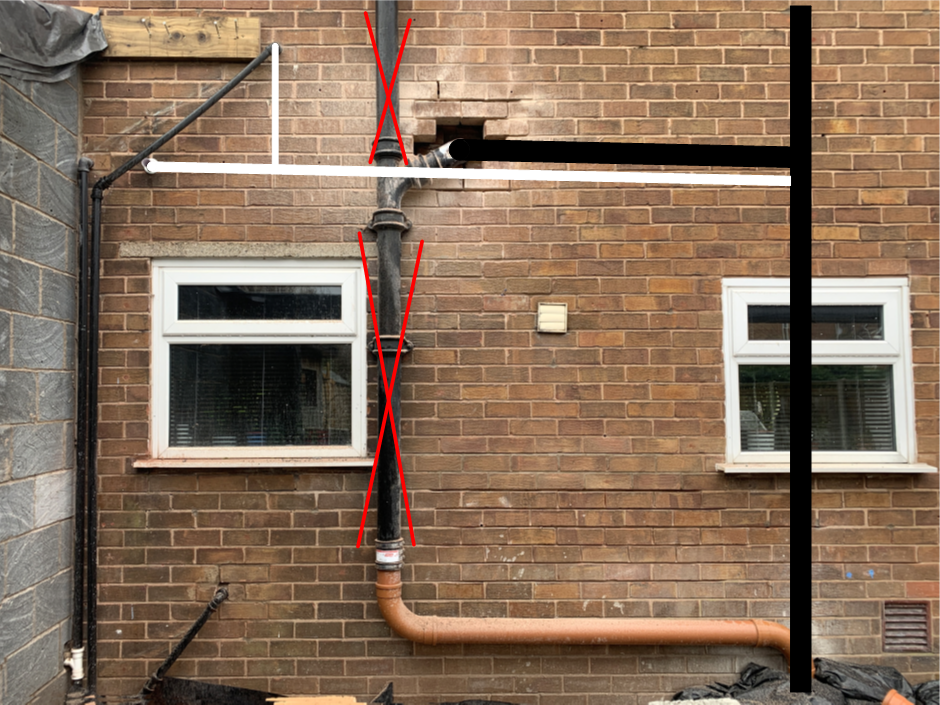
Right, I've made it to the outside and need to figure out the arrangement here... Hopefully it's clear that the original / temporary stack is to be removed and the new stack is going over to the right. Option A - I personally prefer this because it gives me a sharp drop immediately after the WC outlet - similar to the way it was installed originally which has always worked very well. Its a bit lower, but still around 2.4m at the join to the new stack Option B - seems more conventional, about 200mm higher. Might end up having to use a strap boss for the 50mm pipe at the stack which I don't really like. What's the preferred way to do this, and whereabouts are inspection / access covers recommended? Pipework all to be boxed internally:
-
Probably bitten off more than I can chew...
Allthegearnoidea replied to Allthegearnoidea's topic in Introduce Yourself
I think it will make a difference, we have a lot of surrounding properties so need all the light we can get! -
Great, I have a plan now - thanks again 👍
-
Probably bitten off more than I can chew...
Allthegearnoidea replied to Allthegearnoidea's topic in Introduce Yourself
Well, in hindsight and all that... If I'd known getting this part right would have been such an issue I might have done things differently. BC have signed off the drawings now and the walls are up, so pitched roof it is. I love EPDM, I've used it quite a bit before - but when it comes to the details such as sealing round rooflights, I can see that getting very fiddly. Once the roof is framed I think I'll be enlisting a roofer for the tiles. -
Probably bitten off more than I can chew...
Allthegearnoidea replied to Allthegearnoidea's topic in Introduce Yourself
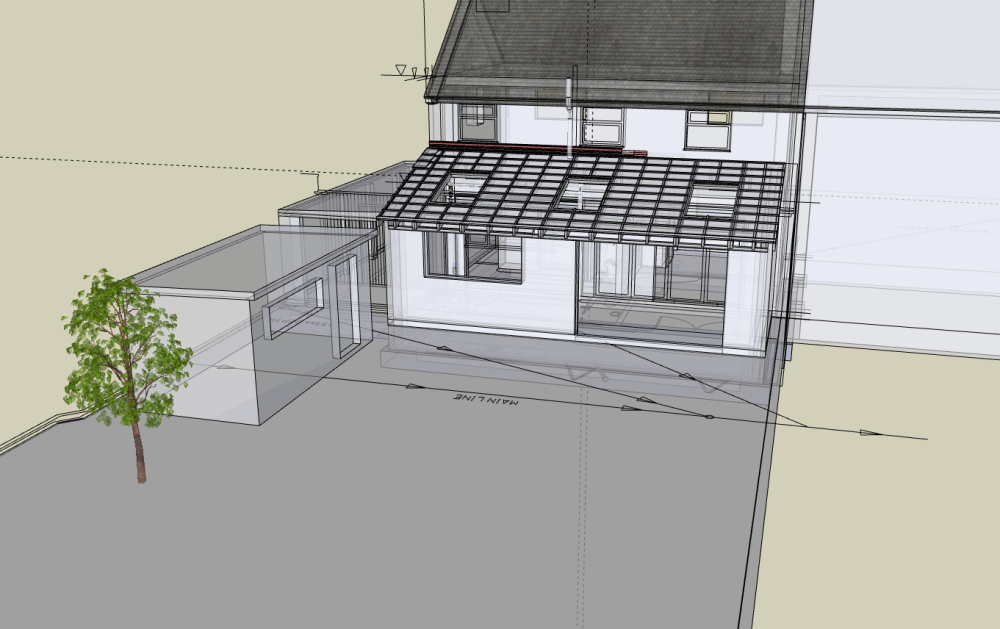
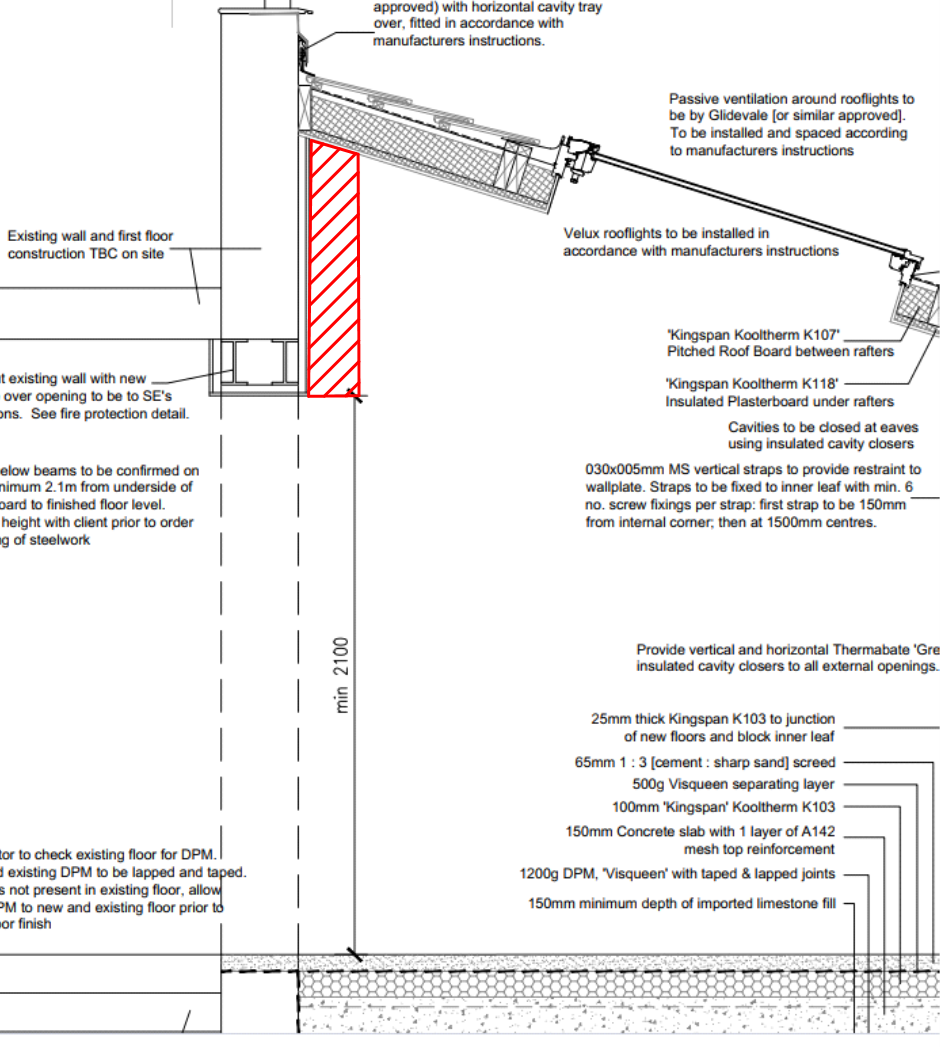
Hi, Yes, we have building control drawings all approved, they did show the WC connection but the groundworks guys missed it - I was in Scotland at the time doing my day job. Bit of a pain but they are a good bunch and are fine to come back and sort it. The roof design on the drawings is a bit vague and subject to structural calculations. Happily we have a retired SE in the family and he is working with me on this. I'm using Redline Mockbond tiles which will go down to 17.5deg which is really tight to the windows - plus, due to the design of the roof (no internal ceiling) it needs a skin of plywood to stiffen it which means double battening, bringing the height up again. I think I'm going to get away with it by shaving the lower battens and having a larger than usual birdsmouth with a bit of reinforcement...approval (from SE) pending. -
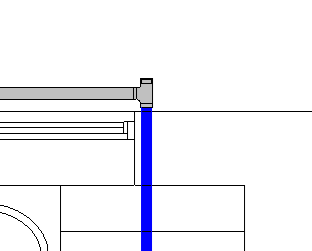
Thanks again! Have confirmed the Gloworm boiler we have is fitted with an inbuilt trap 👍 Is this the best way to orient the blanking cap for rodding? Looking at it I feel like I should turn it through 90° so debris doesn't collect... And...hopefully last question - can the AAV go at any height as long as it's more than 200mm above the highest water inlet?
-
Thank you Nick! Just to confirm - is this roughly correct? Red = 110mm Grey = 50mm Green = 32mm Blue = 40mm Yellow = 21.5mm On the other side of the wall, is this what you mean? One of the reasons I was going to get a plumber in for this was the mention of a trap in Approved Document H...is this necessary?


-
Or I could try to get an AAV in here (in orange)...but it would be tough to get it above the basin trap height.

-
Would one of these fitted to the basin help? Or do you think I would still have the same problem with the bath?
-
Sorry, I've just realised that isn't too clear. This is what it would look like from inside the bathroom, so under 3m of 40mm from the bath. I'm just unsure about the transition into the 110mm, as I haven't seen it done this way before...

-
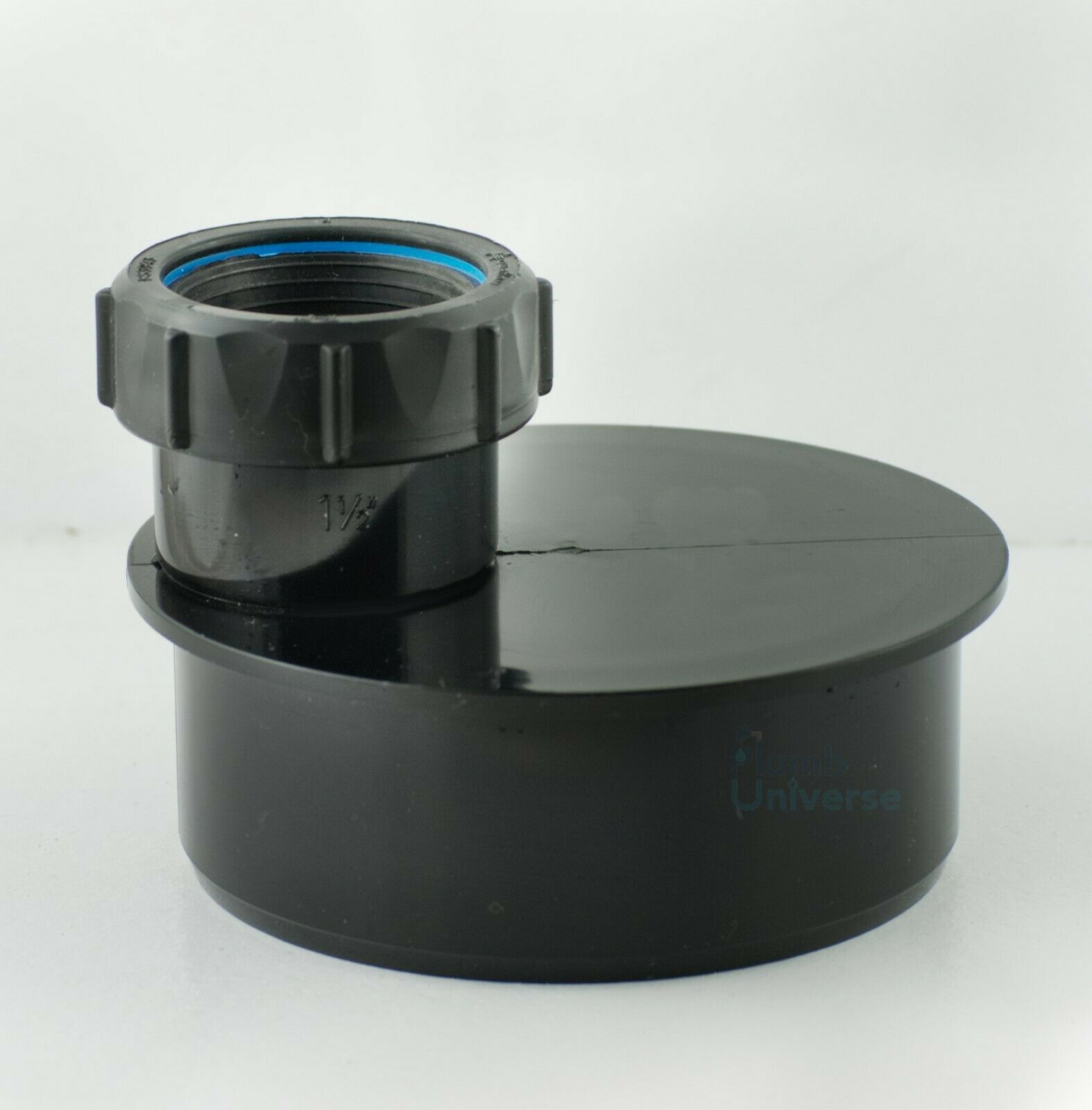
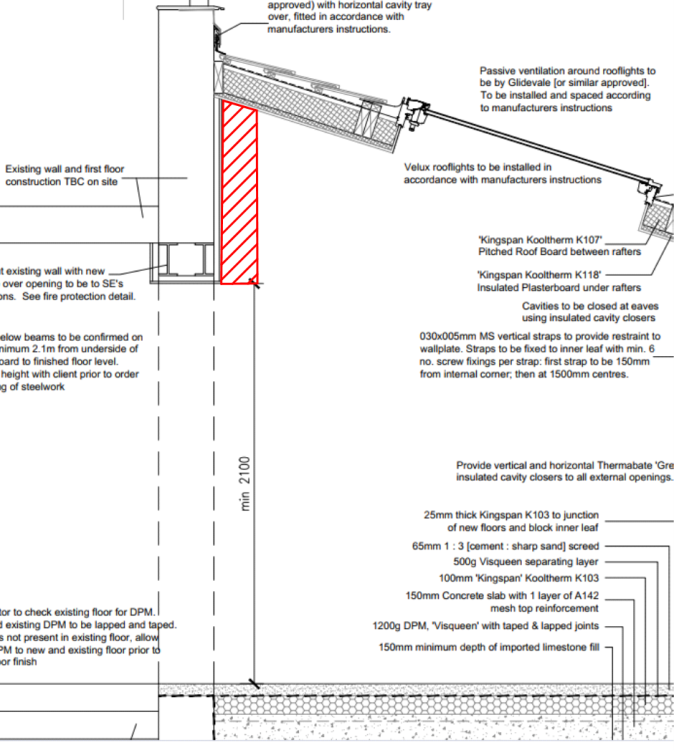
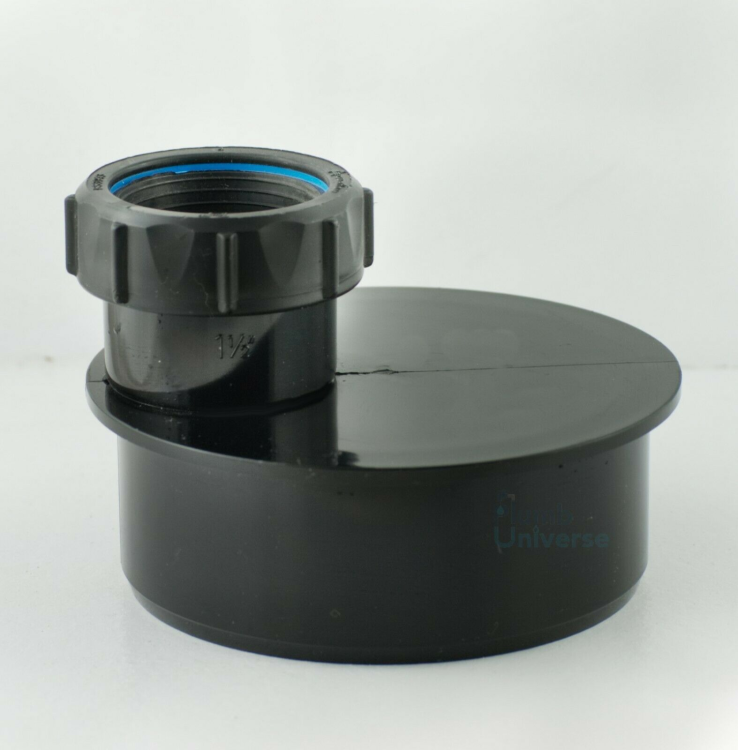
Hello All! We have a ground floor extension underway, and I need to get the drainage from the existing upstairs bathroom sorted before the roof can go on. We're adding a new W/C downstairs which has necessitated moving the soil stack over a few meters. (The underground drainage is already in place and signed off by building control with the upstairs W/C connected temporarily.) Moving the soil stack leaves me with the problem that the bath waste is now more than 4m away. I understand the max run for 40mm waste is up to 3m, and 50mm is up to 4m. This is what I have in mind. Blue = 40mm bath waste Green = 32mm basin waste Red = 110mm I was thinking it would be sensible to put rodding points in at A & B (with inspection covers internally). I'm planning to use one of these (or similar) for the 40mm to 110mm connection. Here's the house / extension in profile, so you can see that most of this pipework will be boxed in internally. So you can see the full picture, this is the arrangement of the upstairs W/C, showing what it would look like if 40mm pipe was used for the full run. The last diagram also shows the boiler condensate which I need to re-route into the bath waste. I plan to get this particular bit done by a Gas Safe registered plumber, but I'd still like to have a vague understanding of what needs to happen here so I can plan the other pipework accordingly - I'm not sure it's quite as simple as plumbing the condensate drain into a tee below the bath. Does the arrangement look OK (ie., compliant with building regs), and does anyone have any clues on what needs to happen to plumb the condensate drain into the bath waste? Thank you for any advice!
-
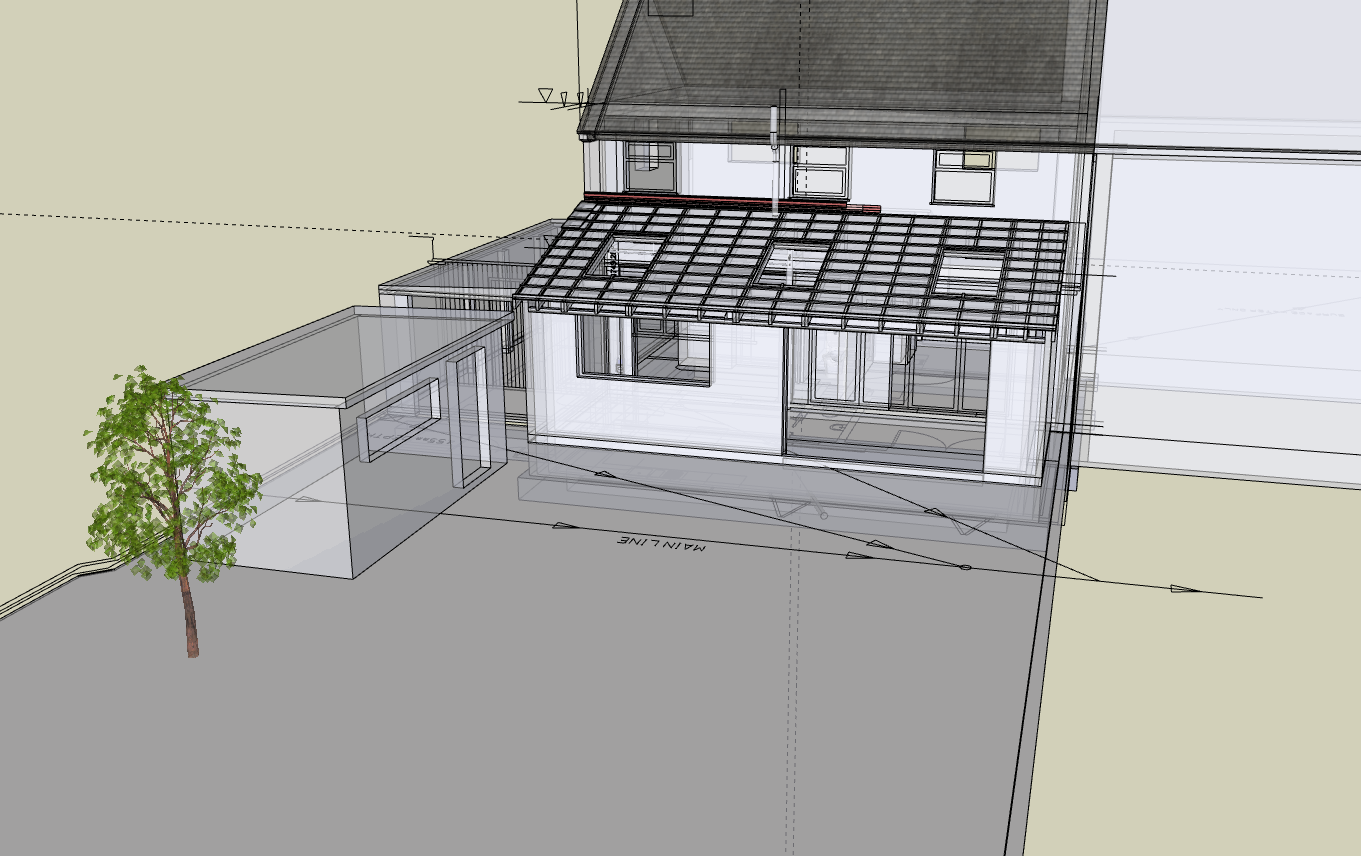
Hi All, I'm glad to have stumbled upon this fantastic resource, as we've started a single-storey extension and I have a lot of questions! Fingers crossed I'll be mostly OK once it's watertight, but everything up to that stage is all new to me. After having some proposals done by an architect we know, we approached various builders for pricing and at that stage realised we would need to contract individual trades, do as much as possible ourselves, and have a lot of patience to be able to do this on our budget. To date, the groundworks are complete (although, the drainage installer forgot the connection to the new W/C and is now having to dig up part of the slab) and walls are up. I spent most of yesterday covering up the cavities to stop the insulation getting wet over what remains of the winter. I'm waiting on advice from a structural engineer on building the roof, as the low pitch has made things a bit difficult and I have only millimeters to spare. I'm currently struggling with making sure the drainage from the existing upstairs W/C is building regs compliant, and making myself very confused...thread pending. I'm pretty good with AutoCAD and Google Sketchup, and being able to visualise things in CAD has been a real help.