Crowbar hero
-
Posts
61 -
Joined
-
Last visited
Everything posted by Crowbar hero
-
The pipes sit on an insulation layer between the joists, just below the top of the joists, supported on ply between the joists. Then a dry sand/cement biscuit mix is used to infill around the pipes (to provide some thermal mass) up to the level of the structural floor.
-
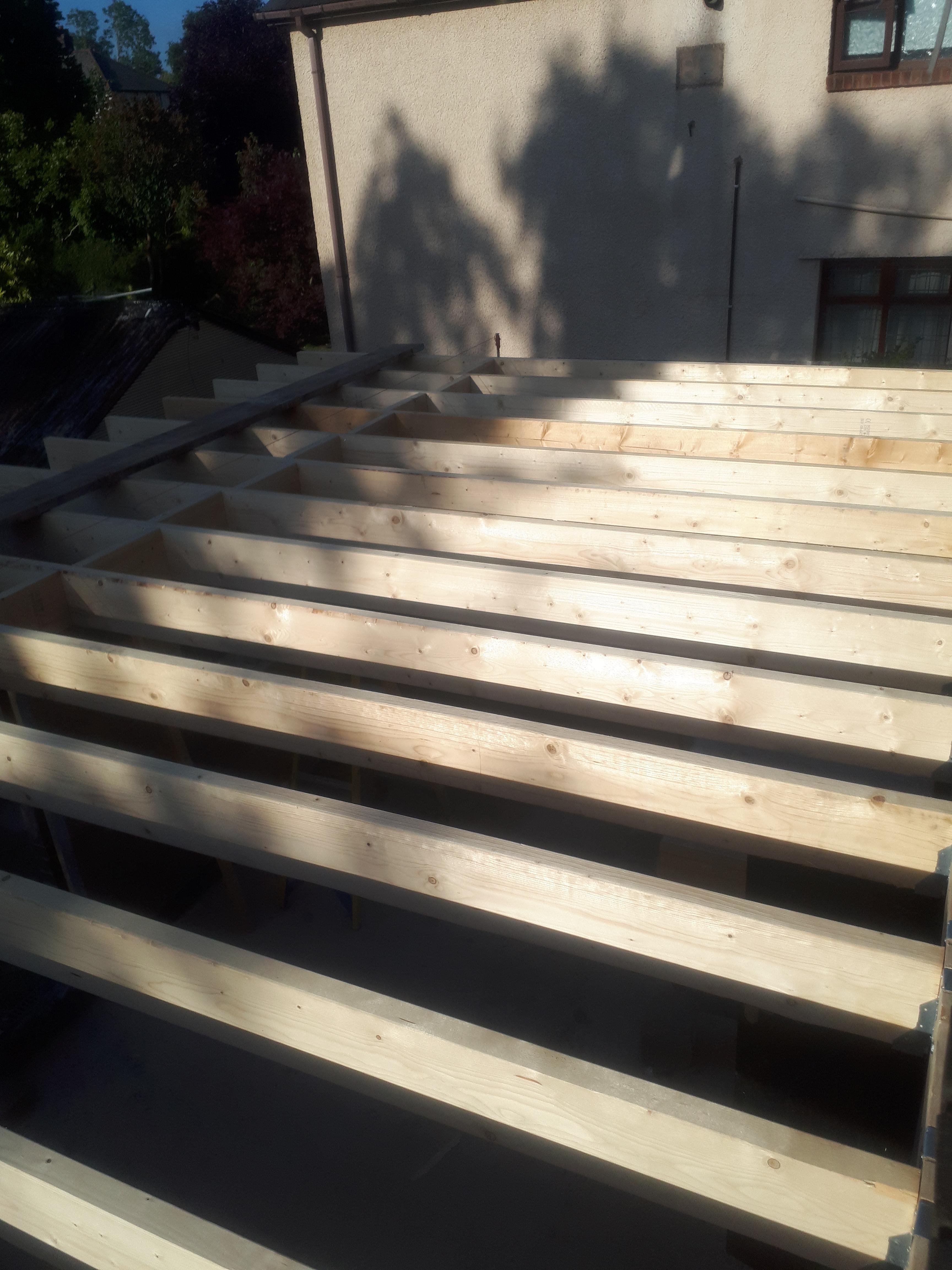
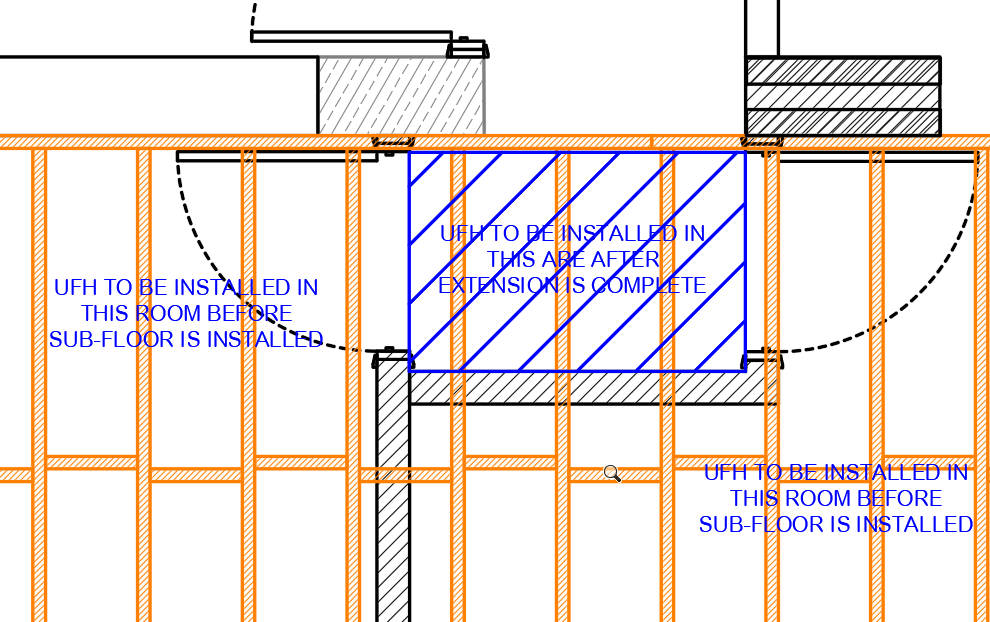
I need a small section of structual first floor to be removable. How best do I arrange the joists for this to work? Background: We are building an extension with UFH. There's a small section of the 'new' part of the structure which will be part of a hallway that extends into the old part of the house - We are planning UFH for the old part but at a later date. I'm having a wet system in a pugmix under the structural floor (old and new bits of the house), so the UFH needs to go down before the structural floor. As we're reaching the point where I can start installing the UFH in the extension on the first floor, this small 1.1sq m alcove will have a floor laid, but it will need to be lifted at a later date (1/2 years from now most likely). This area is crossed by 3 floor joists and has a wall-plate on one edge. Could I place additional noggins around the perimeter of this section to allow an independent floor board to be removable later? Is this the done thing in such situations? Any other suggestions?
-
 Heated room below. I'd like to get some insulation with acoustic properties if at all possible. Does such a thing exist?
 -
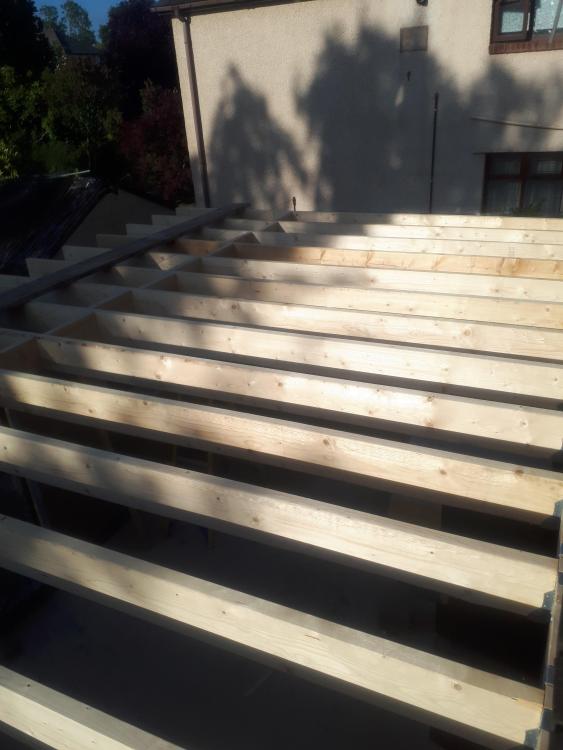
Hi All, We're having UFH in a first floor extension and I'm looking for additional detail for a PUG mix system, particularly the type of insulation recommended? The details given to us are battens on joists (8" joists, sized for the additional load) supporting timber boards with high-density insulation and then membrane, pipes and pug mix on top. No specification has been made regarding the insulation beyond the "high density" bit. Can anyone share detail drawings or proper specification for this? Or just share their own experiences? PFA 😉
-
replace floor/ceiling joists -am I insane?
Crowbar hero replied to Crowbar hero's topic in General Structural Issues
I'll probably stick with traditional timber, as the tops will need notching for UFH pipework, and I'm not sure what else engineered joists will bring to the party. -
I live in a 1930's built house with some pretty skinny (4X3") floor joists on the first floor spanning approx 3.5m at 400mm (ish) centres. For several reasons* this is not satisfactory. Part of the long term renovation plan is to remove a chimney stack in the wall supporting some of these joists, thus I suspect once it's gone the joists will need to be lengthened -or rather replaced. Would I be insane for considering replacing *all* the joists in the affected room(s) with something deeper like 8x2" Obviously this would lower the ceilings some, which is no problem (they're at 2.5m + already). This would be quite disruptive, however the longer term benefits are pretty obvious. * We plan to install underfloor heating, between joists rather than an overlay, to keep the floor heights consistent. * we can hear every thump, bump and fart from the bedroom above the lounge. * given the state of some of the plumbing and DIY work I've encountered, I'm fairly sure some of these joists have been notched to death in some locations too.
-
Hi all, I'm looking around for ideas regarding the internal treatment/finishing of my kitchen extension. It's a conventional block/insulation/block construction, and I need to know my internal dimensions after finishing so the kitchen design can be finalized. I know traditionally dot n dab is favoured for speed, however I'd like to look at alternatives as there will be kitchen units hung on one side (and a utility/WC on the other end) - Ideally I'd like to maximize internal space, yet ensure the wall is suitable for hanging. Would a layer of OSB under the plasterboard pass muster for increased strength for fixing? Can I fix the OSB direct to the blockwork (assuming it's plumb)? Or would a bond and skim approach be suitable? Would this be likely to be more labour intensive? One side is obviously existing structure, so I imagine I'll be having to hack the old render off to get a decent base, then make it plumb (it kicks out a bit at the bottom). I could do this with battens behind the OSB (if I use that route).. Are there any other approaches I could consider?
-
Thanks - these are useful figures to know.
-
I will read up on MVHR - though we are running into unknown cost territory for the build, and the pot is finite. It's supposedly the forever house, it's a good area, decent neighbours, the schools are excellent and it's well positioned for access to Bristol (where I work) and Cardiff (where the wife works). Beyond some pretty serious rises in sea level, I can't see us moving for at least 15-20 years.
-
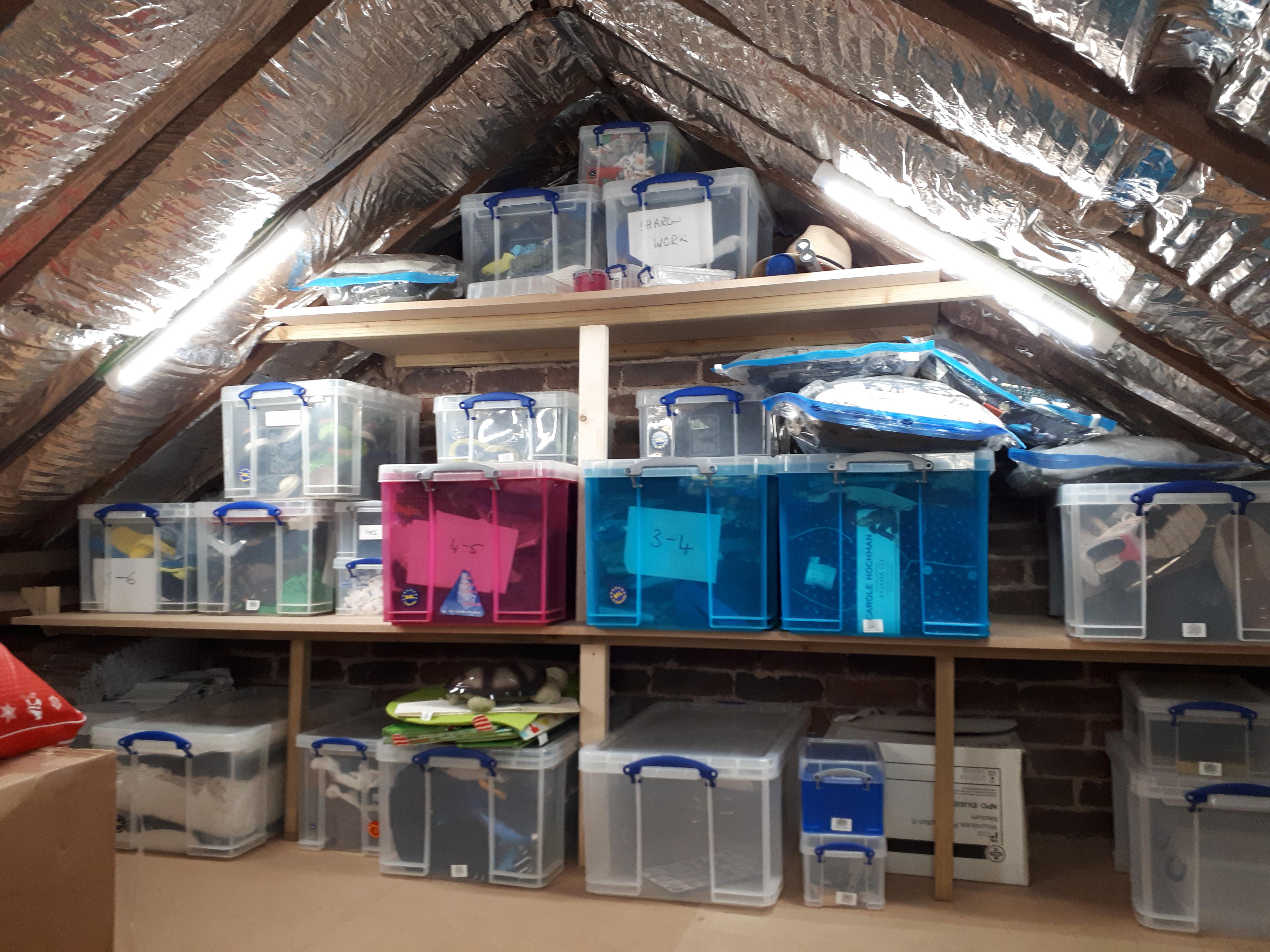
Thanks Marvin One of my motivations for going fully UFH (eventually) is that I've read that ASHPs don't generate such high temperatures in the circulating water, and UFH typically works with lower temperatures, so getting rid of conventional radiators might mean we can still maintain a comfortable temperature if/when we forgo conventional combustion based heating. I have concerns with airtightness as I believe a healthy living space is well ventilated. Some doofus has blocked the airbricks on the existing house (probably when they filled the cavity walls with fluff) so we have the issue of damp (many contributing factors) in some areas, thus higher than desirable humidity. I'm definitely into insulation - though the extension will be traditional bricks and sticks, I'm hoping to exceed wales current standards regarding insulation though careful material choice. When I boarded the loft, I lifted the floor a bit (also to reinforce it) and applied extra rockwool, and then added another layer of insulation (Actis hybris) between the rafters. This gives a semi-warm loft, which is ventilated naturally (due to it's being 90 years old) but with reduced heat loss due to the two stage insulation - it also reduced the extremes of temperature, in the winter it's cool but not cold, and the summer is warm but not hot (pic below of it in progress). I will probably try a similar strategy with the roof spaces of the extension, i I can get the layout I want. I'll look into PV when the market is more established - I know a few people in that business so I hope I can get a good deal, but it's really only cost effective when combined with energy storage, as feed-in tarriffs are pitiful. I don't have the pockets for an EV, my current motoring philosophy is to wring the last mile out of the current fleet as I've worked out the carbon footprint of putting a new EV on my drive is equivalent to 2 years motoring in my 26yr old diesel.
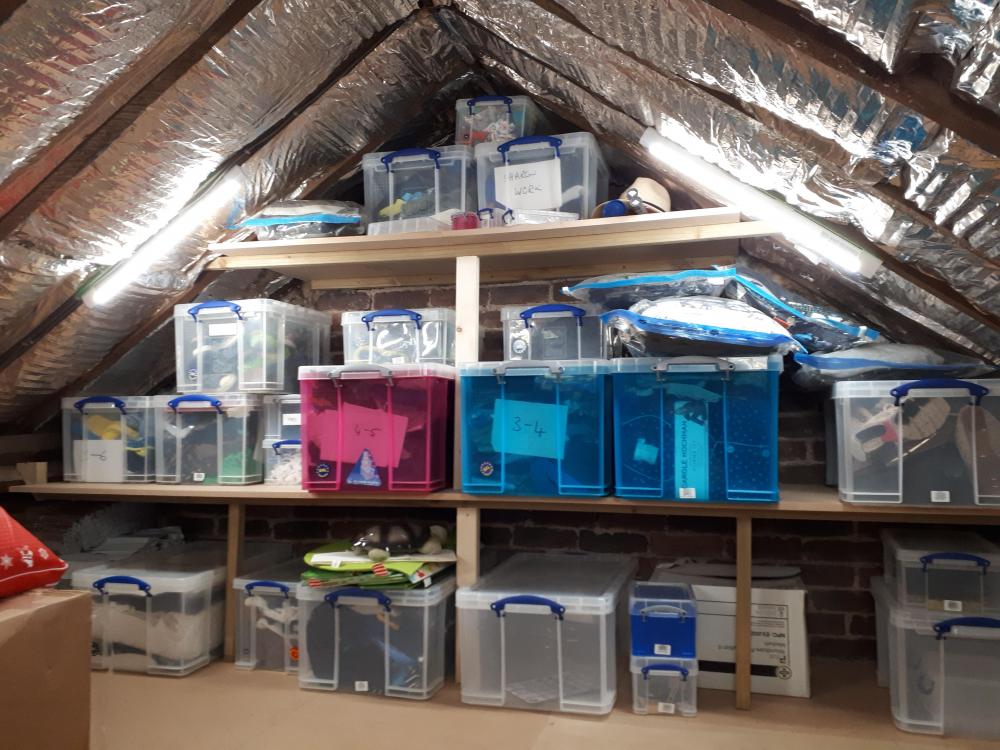
-
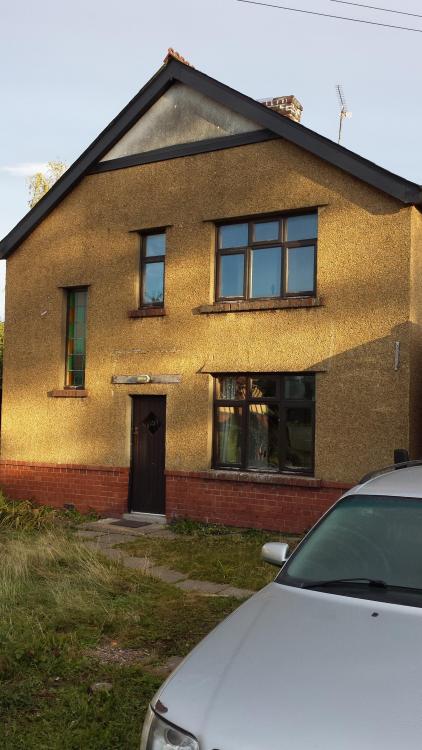
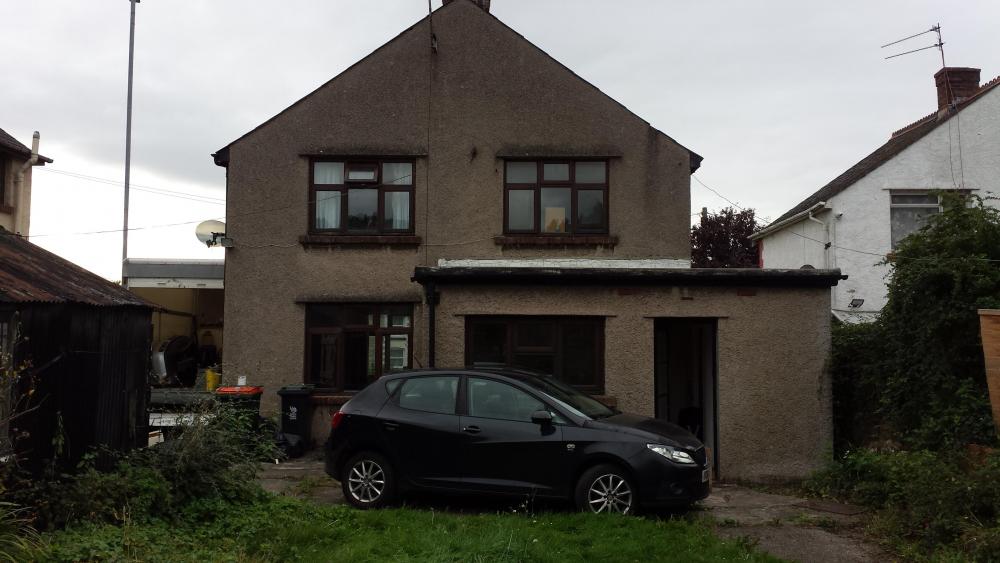
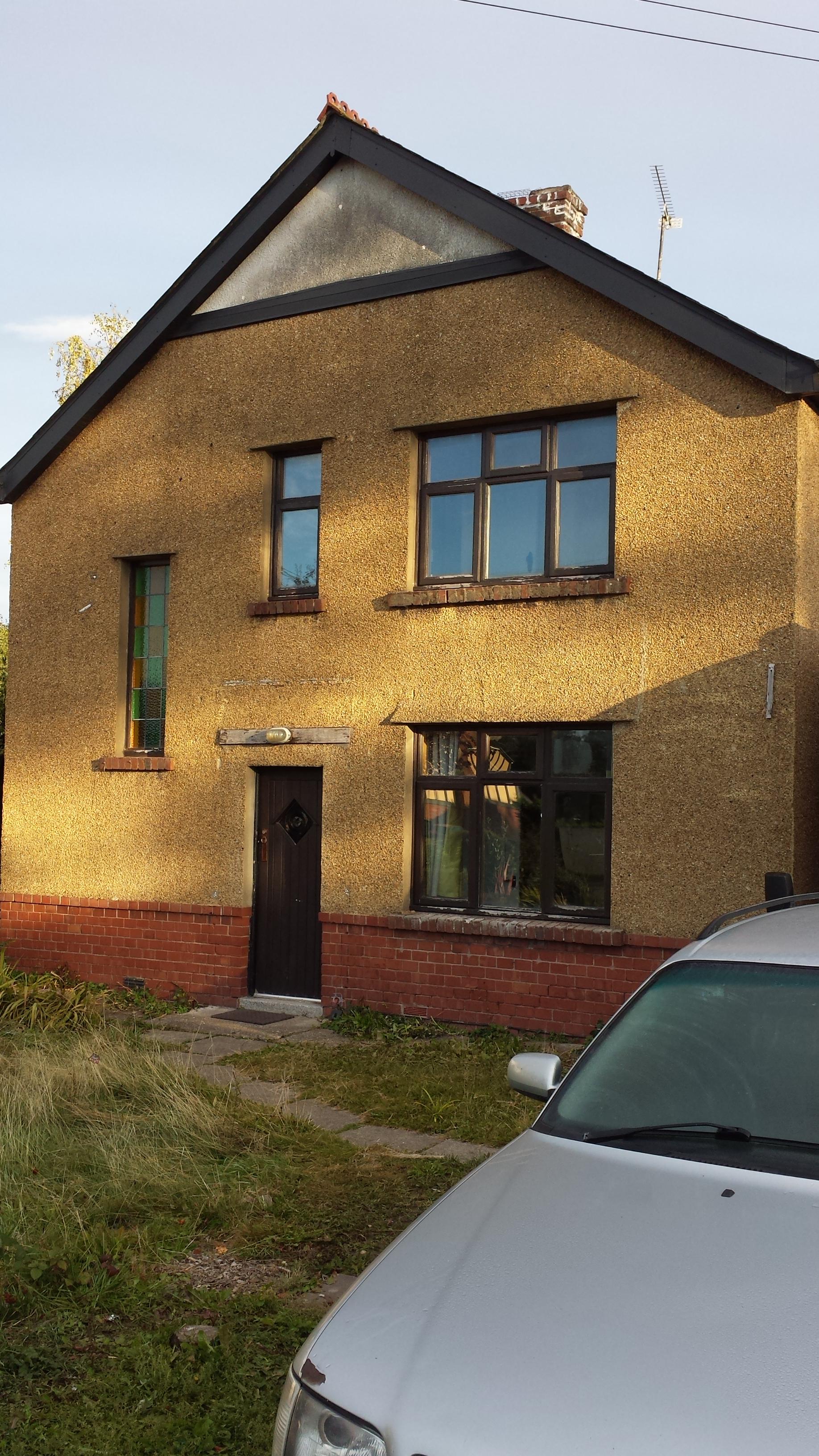
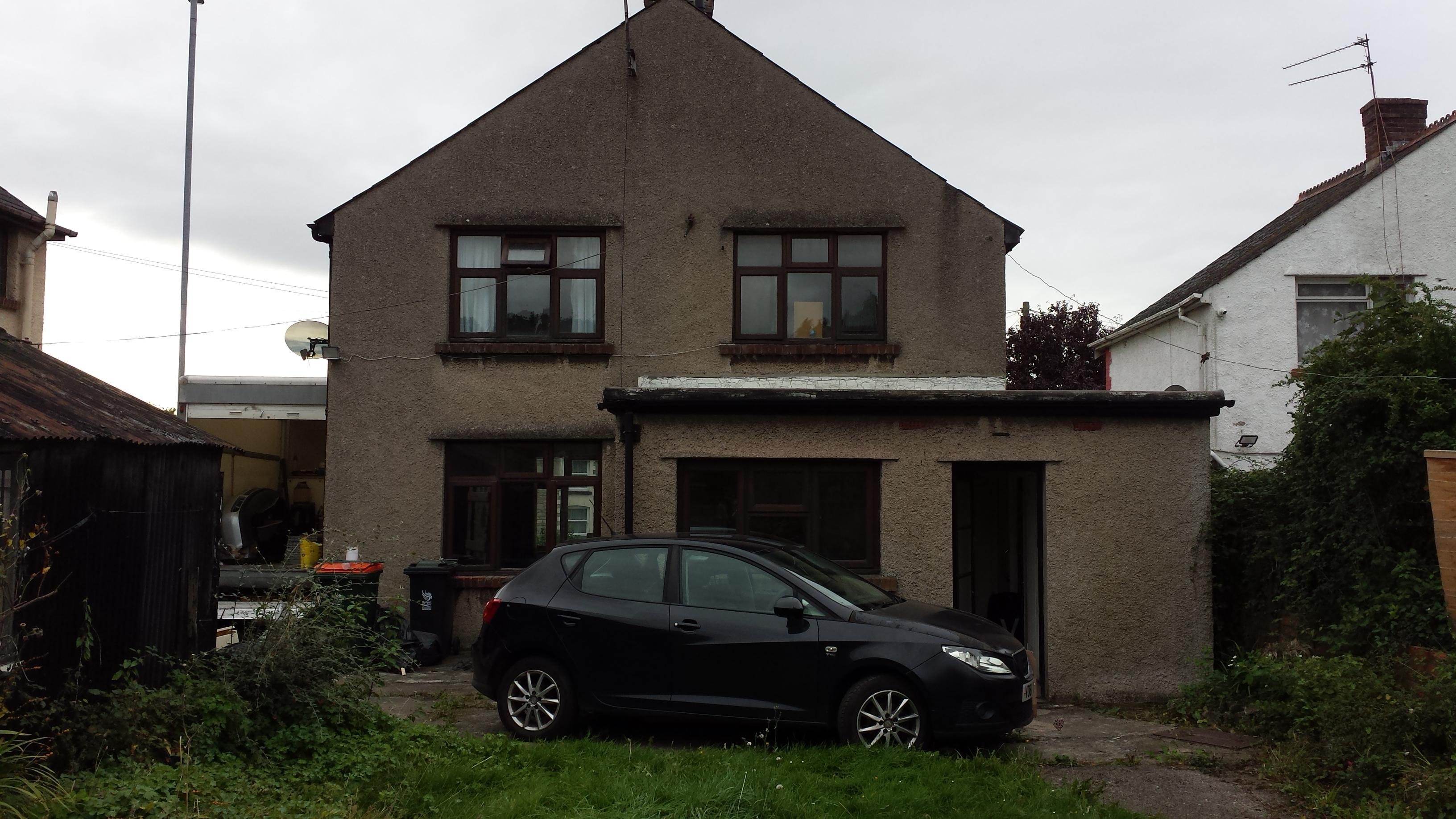
Hi all, Thanks for letting me in! We're staring down the barrels of our first demolish and extend. We're a typical family of 4, living in a 3-bed detached 30's house, extending out the back with a new kitchen/diner, utility and 2 bedrooms. We've actually been in the house 3 years now, despite moving in with a mind to extend the following summer (2019!), first personal and then current events have kinda gotten in the way, thus we've done very little to the place, there's still wood-chip on the wall, the kitchen is a horror-show (it will be demolished) and the bathroom is on the lowest threshold of bearable. Photo's below of when we just moved in. We have replaced the front glazing and door already, boarded the loft, and built a nice shed/gym at the top of the garden, so I've not been idle. So here we are, we have planning permission, and a willing builder, looking to start around Easter time.. All previous quotes have been torn up and waved goodbye to given recent events, I'm waiting for the builder to re-quote. I'll be getting stuck in as much as I can, I'm not afraid to get mucky, however I still need to balance a full-time job, and being a husband and dad as well. Once we've completed the extension we'll move into it, and turn the tools to the existing house, renovating and re-arranging to suit the new layout - there's a chimney stack we'd like to dispose of, as well as partition walls to re-arrange - and lots of squeaky floorboards to fix. Oh yeah, we'll be resident whilst all this is going on - at least that's the plan - my mum lives 15 minutes away, for emergency hot dinners and a bath if needed. One of the features of the extension, is an attempt to anticipate what home life in the future will be, and if not designing in those features now, at least leaving the option for them without massive disruptive work later. Thus I'm looking seriously at underfloor heating, obviously downstairs, but upstairs as well, and then as a retrofit in the original part of the house once we've got the extension habitable. Given how energy prices are only going one way, having efficient heating is a must. I've got plenty of questions to ask, even though our builder will be tasked with the structure and making it weatherproof, I'd like to identify and have time to think about potential issues before they become critical, so I'll be back on here, reading learning and posting a lot most likely. cheers!