Crowbar hero
-
Posts
61 -
Joined
-
Last visited
Everything posted by Crowbar hero
-
We have a Glow Worm Ultimate2 35C currently providing heating and hot water - it's about 6 years old and is working fine. It's current location is on and adjacent to a wall which we need to remove as part of our extension plans, I want to reposition the boiler in the extension. One of the plumbers I contacted is unenthusiastic about moving an 'old' boiler and would prefer to fit a new one - aside from the easier sequencing (less time without heat/water services in the house) is there much to be gained from replacing a decent older boiler for a brand spanking new one? I'd understand if it was a 20yr old something or another which could benefit from a more efficient replacement, but this is a modulating, eBus controlled device with another 10yrs + of life left in it (probably). is this just a reluctance to work with "someone else's" work, a desire to sell a boiler, or is there possibly some other reason I'm missing?
-
I don't suppose anyone has one of the wagobox 221-4 kicking around, or knows how many terminals can stack in the end slots? In particular could I fit a 2 way, 2x5 ways and a 3 way in it? - this combination is a little to tall to fit in the regular wagobox using type 222 terminals
-
 I'm starting to think about the wiring for my extension. I'll be chasing the wiring into the wall, obviously, and fitting nice deep backboxes wherever I can. I'm wondering if it's worth fitting double-width back-boxes for light-switches, even ones which are perhaps just 1 or 2 gang, to allow for future swapping of a dumb switch for something smart. (I'll be pulling neutrals to each switch location anyway) I've not considered any particular products yet, though the ecosystem will most likely be Home Assistant as I'd like to keep control/processing local. Initially things will be wired 'dumb' with conventional switches, with the intention of gradually swapping in controls and devices as budget allow.. Am I other-thinking things?
 -
Drill joists or box-in ceiling corner?
Crowbar hero replied to Crowbar hero's topic in General Plumbing
I was considering 22mm for cold water to reduce flow noise - it's pretty terrible at the moment, and all on 15mm, so I figure bigger bore = slower water speed = less cavitation = less noise. Obviously combined with large radius bends where possible and decent de-burred joints. -
Drill joists or box-in ceiling corner?
Crowbar hero replied to Crowbar hero's topic in General Plumbing
Good point.. I think the bath is supposed to be on a 22mm supply, but rest I can downsize. -
Drill joists or box-in ceiling corner?
Crowbar hero replied to Crowbar hero's topic in General Plumbing
Glulams are a different kettle of fish entirely, impressively engineered, but not a lot of space for bodging thing.. -
Drill joists or box-in ceiling corner?
Crowbar hero replied to Crowbar hero's topic in General Plumbing
Hi Nick, The 22mm is for CH flow and return, and also hot & cold water - I want the pipes as larger as practical to reduce flow speed and thus noise. -
Drill joists or box-in ceiling corner?
Crowbar hero replied to Crowbar hero's topic in General Plumbing
Yep, the extension is barely more than a shell with no internal finishes at the moment. I'd rather not lose any ceiling height If I can help it, but it's an idea. -
Drill joists or box-in ceiling corner?
Crowbar hero replied to Crowbar hero's topic in General Plumbing
joists are 220x47mm - span is 4m Pipes are most likely 22mm, maybe one or two bigger. I'm following the guidance here: https://nhbc-standards.co.uk/6-superstructure-excluding-roofs/6-4-timber-and-concrete-upper-floors/6-4-18-notching-and-drilling/ which seems to be echoed in many other places. -
I'm trying to figure out the best routes for hot and cold water piping for my extension. The boiler is high in the middle of the gable wall, and I need to get hot & cold water across a lot of floor joists to each end of the space. Building regs suggest the best place to drill joists is around the 1/3 span location (roughly) - which mean adding several metres to the pipe run to come away from the wall, traverse across the joists and go back to it. I'm tempted to run the pipes below the ceiling line in a boxed off corner where the wall meets the ceiling, but it would mess up an otherwise rather crisp ceiling corner. Are there any other alternatives I'm missing?
-
the wall is internal, and not load-bearing. Its on the first floor of a conventional extension with block walls and truss roof.
-
I have a design with a stud wall running parallel and pretty much right in between a pair of floor joists - should I try to jam an extra parallel joist under the wall, or simply increase the quantity of noggins between the affected joists..?
-
Thermal insulation between occupied floors
Crowbar hero replied to Crowbar hero's topic in Heat Insulation
Pipes onto PIR is recommended by the supplier - bear in mind there will be the structural floor going on top of this lot, I'm not sure how this setup would make it uneven..? -
Thermal insulation between occupied floors
Crowbar hero replied to Crowbar hero's topic in Heat Insulation
Is the floor below inhabited? Part of the same dwelling? The requirement for thermal insulation between floors is less vigorous as per my earlier post - check your regs, but I figured that 25mm PIR is enough to meet the 0.75m2K/W required by the Welsh BC. Half the challenge is in finding the relevant bit in the regs. -
Membrane thickness for biscuit/PUG mix
Crowbar hero replied to Crowbar hero's topic in Underfloor Heating
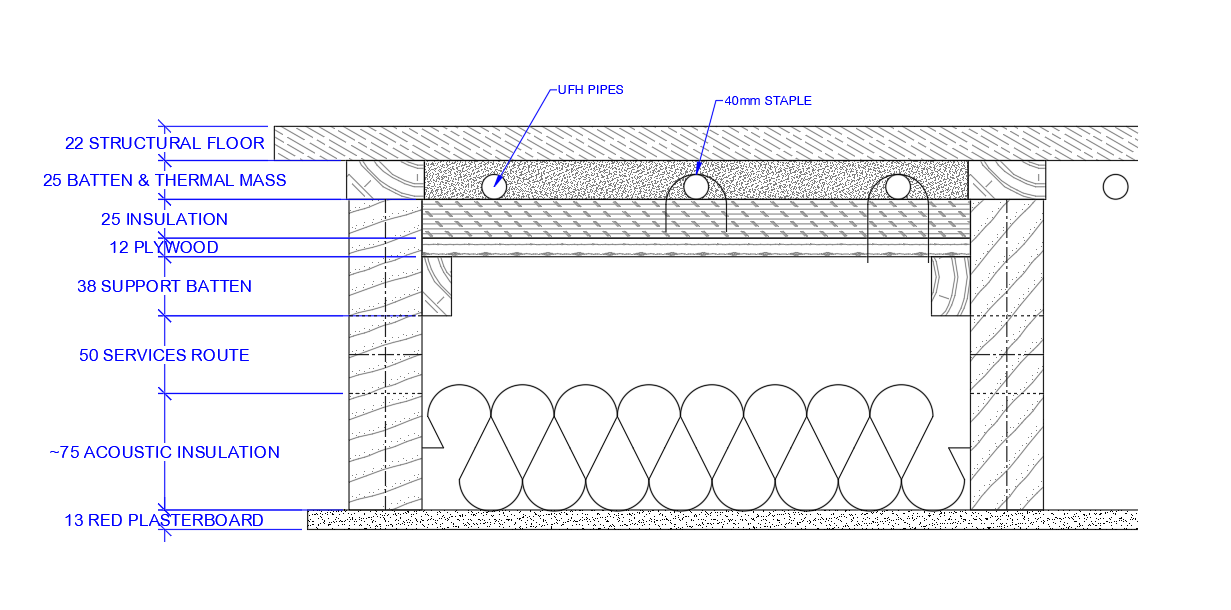
The biscuit mix is recommended by my supplier as the right thing (rather than heat spreader plates) for low temp supply and variable joist gaps when you don't want to raise the height of the floor. The biscuit mix will be on the membrane, supported by a sheet of PIR insulation, with 12mm plywood under, supported on all edges by battens nailed to the sides of the joists. I'm battening above the joists to avoid notching them for the pipes to cross - and the mix will be flush with the top of the batten, so in contact with the floor, but not really supporting it. See picture below.. The supplier states the mix is purely to provide a thermal mass, and doesn't have any structural qualities, cracking in the mix won't affect performance, etc..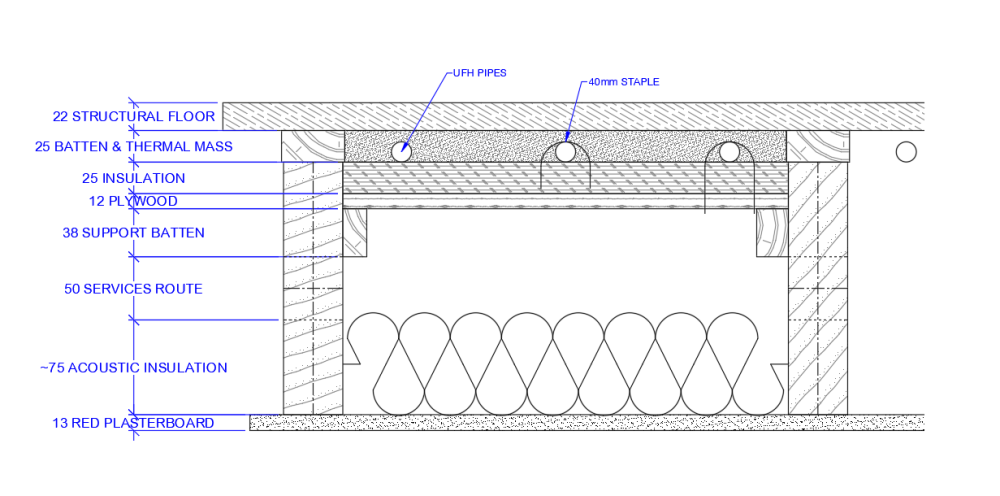
-
Hi all, I'm just wondering what thickness/gauge membrane to use for first floor between-the-joists biscuit screed? My understanding is it's mostly to stop the biscuit mix falling down any gaps in the supporting structure than as a serious damp-proof layer, though obviously it'll keep any residual moisture out of the exposed timber during the curing process. Would a 300ga be suitable? I'd prefer not to have something as cumbersome as 1000GA as it does need to dish down into the pockets between each joist in 2 dimension (I have noggins too!), and I need to get staples through it, but obviously needs to be tougher than clingfilm. Any thoughts or suggestions - past experiences? Cheers..
-
Thermal insulation between occupied floors
Crowbar hero replied to Crowbar hero's topic in Heat Insulation
Sadly not an option for me, as I've uneven joist distances in the old part of the house, and they're not recommended for heat pumps, which may be an issue in the future. I'd much prefer the quick and simple approach though, this is looking like a proper headache. -
Thermal insulation between occupied floors
Crowbar hero replied to Crowbar hero's topic in Heat Insulation
aha. Section 6.32 for wales 🙃 -
Thermal insulation between occupied floors
Crowbar hero replied to Crowbar hero's topic in Heat Insulation
Finally found it: section 6.28: So for a wet system, 0.75m2K/W is acheivable with less than 25mm of PIR, as this has an R value of 1.15m2K/W (according to celotex). thanks -
Hiya I'm trying to figure out the depth/quantity/quality of thermal insulation required between occupied floors. I've tried searching for guidance in the building regs, but they only seem to want to talk about acoustic insulation between internal floors. Background: I'm planning the first floor makeup of my extension, which has 200mm joists (installed already). I'm having a wet UFH system up and down, the upper system is based on a Pug mix/biscuit mix basis, which needs a firm base and insulation to sit on. I've been sent 60mm staples, which I feel are a bit long as I was initially planning on 25mm PIR board insulation, which when added to 12mm plywood and 38mm supporting batten (below the perimeter of the ply) sits just above the 50mm zone on the centre of the joist that I can drill for services. The floor below is the kitchen diner, so will be heated. Is the 25mm going to be enough to satisfy whatever regulation it is I can't find? Can anyone steer me towards the correct regs if they do exist? cheers G
-
HELP---Attic truss or Cut Rafters?????
Crowbar hero replied to Renegade105's topic in Roofing, Tiling & Slating
Just had attic trusses installed on my extension - it's a raised tie design to match the existing 30's cut roof lines with raised tie. We were almost scuppered when it became apparent we couldn't get a crane onsite to lift the trusses - not a problem with conventional timber truss, but these were chonky 8" deep timber. there was a lot of swearing that morning as the builders had to lift the trusses up the scaffold by hand. this may not be relevant to you however an attic truss means a heavy single lift, whereas cut roof tends to be in component form so easier to lift. -
Paint the brickwork or not?
Crowbar hero replied to Crowbar hero's topic in General Self Build & DIY Discussion
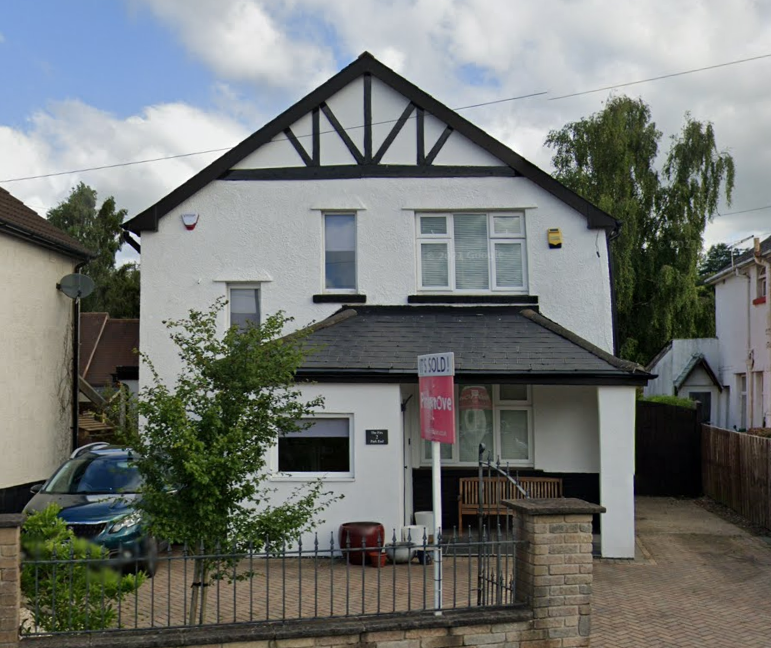
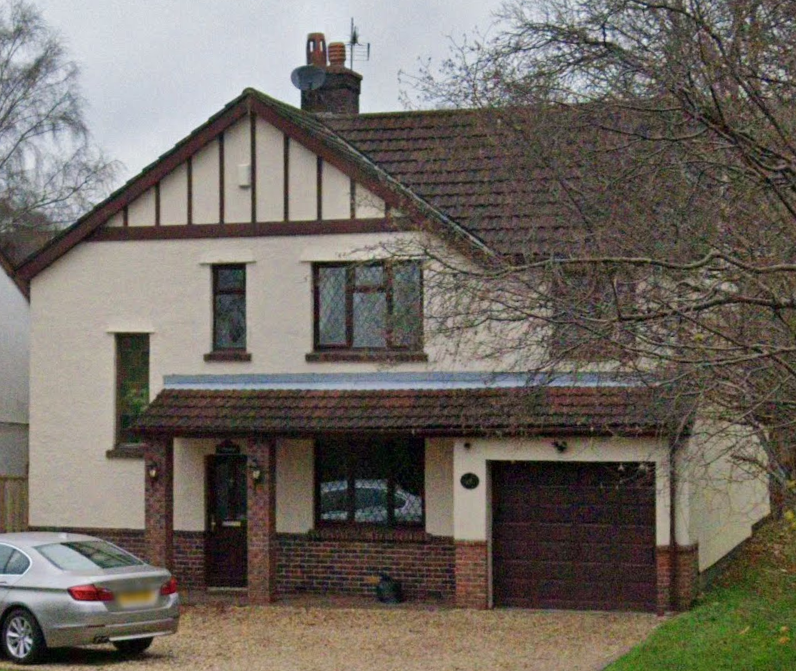
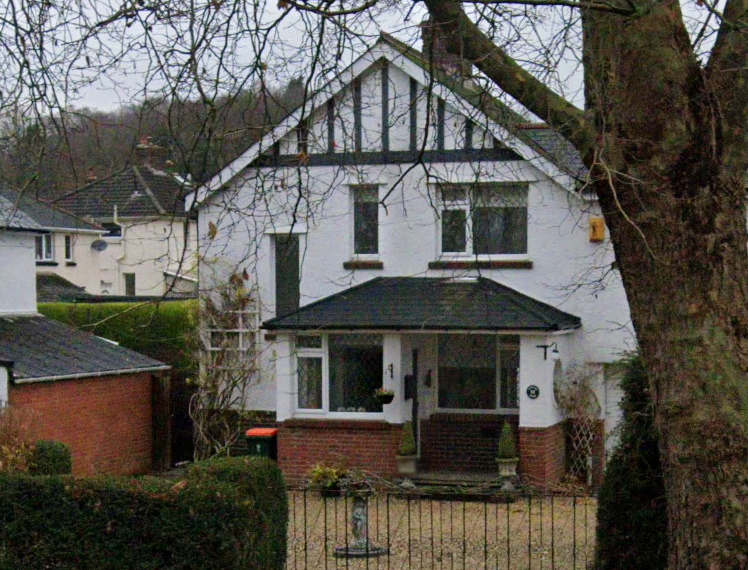
I appreciate this may well be a bit of a chore, however with a decent electric sprayer and a scaffold tower I can get hold of quite easily I don't think it'll be as bad as some are saying (I'll probably end up eating those words). Other house of this design have all sorts of finishes, most are white painted render: A couple are beige/magnolia: A few have painted brickwork, mostly black, one or two white and one a hideous 'lego brick' red which now looks shabby: I've drawn up the elevations in CAD so it's easy enough to print and get the crayons out I don't mind the tower option, I had it a couple of years back to paint the top triangle - it was very scruffy before: Thanks for your thoughts - I'll check the planning permission thing, it's not an AONB or anything but best be sure I guess.

-
Paint the brickwork or not?
Crowbar hero replied to Crowbar hero's topic in General Self Build & DIY Discussion
I could probably build a bit of a mock-up easily enough, we've probably got enough spare material. -
Paint the brickwork or not?
Crowbar hero replied to Crowbar hero's topic in General Self Build & DIY Discussion
The pebbledash render above the bricks will be painted - that we are all in agreement on. -
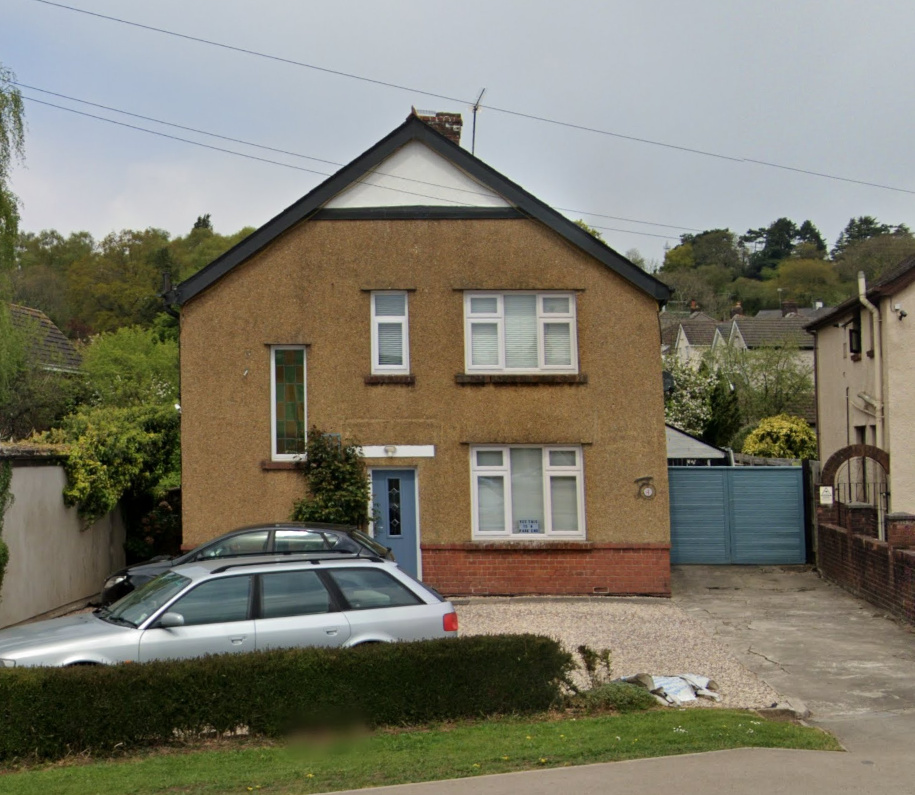
Help avert a divorce! We are extending to the rear of the house and it's always been part of the plan that the pebbledash will be painted, in white, so that new matches existing. Up to about 1m you can see there's a coarse of red-brick, this detail has been extended to the rear. Likewise the brick window-sill details will also be on the rear. My wife wants to paint the expose brickwork to match the door/gate at the side. I think it would be a shame, particularly the new brickwork to the back which is nicely finished, and I'm sure some love and elbow grease would clean up the existing stuff, however she is usually right on the aesthetic front, however I can't see it looking tidy after being painted. This has had a knock-on effect regarding guttering and soffits (white or black), and so we are reaching crunch point where the builder wants to order the plastics but we can't agree on the colour. So for those with an eye for design and aesthetics - should I capitulate and let the nicely finished brickwork be painted, or stand by my guns and suffer the frosty 'Fine!' for the next eternity?