JKami84
-
Posts
52 -
Joined
-
Last visited
JKami84's Achievements

Member (3/5)
2
Reputation
-
thank you.
-
There are a few creaks. I'll get them screwed down. Maybe one area of bounce. I don't think it needs screw for every board - which are nailed. But definitely a big bag of screws is a good idea. They need pilot holes I imagine. I put a few in and I think I made them worse as the board tried to lift
-
You guys have been helpful. It seems like the 10mm foam filled boards like marmox or delta board ARE sufficient for my bouncy timber floor ... Just as much as a cement board would be... And will provide some insulation. I also hear the benefit of foam filled for allowing flex of floor rather than cement board - so UFH or not , may still be a better choice. The area of the floor being UF heated (living space) is much less creaky or bouncy than the kitchen part .. so I also overthought thinking I'd use cement board in one part and foam one in the other part . Lol. I'm going nuts
-
i have a timber subfloor - 18mm floorboards on joists. I'm having electric UFH in some of the area. I'd like some insulating properties to make the UFH heating more efficient. 1 tiler said he would only use 6mm hardiebacker cement board. another tiler said he would use 10mm Delta board (which is cement coated but foam centre). he didnt just say this for insulating, he said he prefers it as it 'absorbs' some movement. 1st tiler said only full cement board is rigid enough. he also said if i want insulating, will still need a cement board first - but this is not an option for the floor height. 2 views on the same puzzle.... its confused the hell out of me.
-
Who has experience with graphene infrared underfloor heating?
JKami84 replied to JKami84's topic in Underfloor Heating
Thank you. This type of reply is exactly what I needed. This isn't a question about whether water Vs electric or IR is better. I know water is superior . I have experience with water UFH at my parents. They have no rads and it's just amazing. Here, We have just knocked through the kitchen into living room, we have rads and a new rad being installed - 14,000 BTU worth where we need 11,000 BTU. My wife wants tiles because nothing in LVT is really wowing us. We only considered LVT because we thought in winter months tiles may not be as cosy. We will probably have a rug in the living space anyway. And we have done all these years without UFH in our tiled kitchen no issue. It's as you say. Something to take the edge off. Say we have guests or kids around, couple of hours to take the chill out of tiles now and then in December and January During a social gathering. Electric mats 15sq meters. Under £500. -
Who has experience with graphene infrared underfloor heating?
JKami84 replied to JKami84's topic in Underfloor Heating
I did read this a few days ago. I still didn't get how the IR for underground was vastly different to IR lamps. As you say , it's not different. If the IR is heating the floor, then it's just acting like normal electric mats by that point, right? But I've allowed ChatGPT to explain it and it's more that it heats the person and floor more equally than waiting for the floor to get warm and then air to get warm. Almost like the sun being on you. I guess that could work, I've heard of it in ceiling IR panels. Also I need it to work with tile, I see no clear answers for that. Bottom line - we have rads already. We have now created a kitchen diner. So will either go tiles or LVT. LVT is our backup option if we are worried to have tiles without UFH. I'd love a wet system but looking at electric to take the edge of a very cold tile now and then. -
Make it make sense ... I can't have water based. I will have radiators in the area as primary heat should I need. But we want tiles rather than LVT or warmer flooring ... So considering a type of electric underfloor heating. Radiant heating 360 have a product called i-warm core they say is graphene infrared. They are saying it's much cheaper than electric for running costs. I don't get it? I pressed them than IR heating such as lamps in pubs and warehouses heat objects not the air and this was there response - "you are correct in describing infrared, where it warms you directly, objects and in turn the thermal mass of the room, not air or convection heating. Ours is graphene infrared, which is on the far infrared spectrum, which means heat up time is rapid due to the science behind graphene. By doing this transfer time due to what I’ve mentioned above is very fast, meaning lower running temps are used and by the thermal mass of the room staying warm longer, this means lower consumption, which equals lower running cost. Electric mat heating warms the floor, which has always been considered a luxury & expensive running cost wise. This is because it works very similar to convection heating, where the warmth is trying to escape - I hope this explanation helps. Our i-warm core range is designed to be imbedded into screed, using somewhat traditional build up measures".
-
How to determine pitch of my extension
JKami84 replied to JKami84's topic in House Extensions & Conservatories
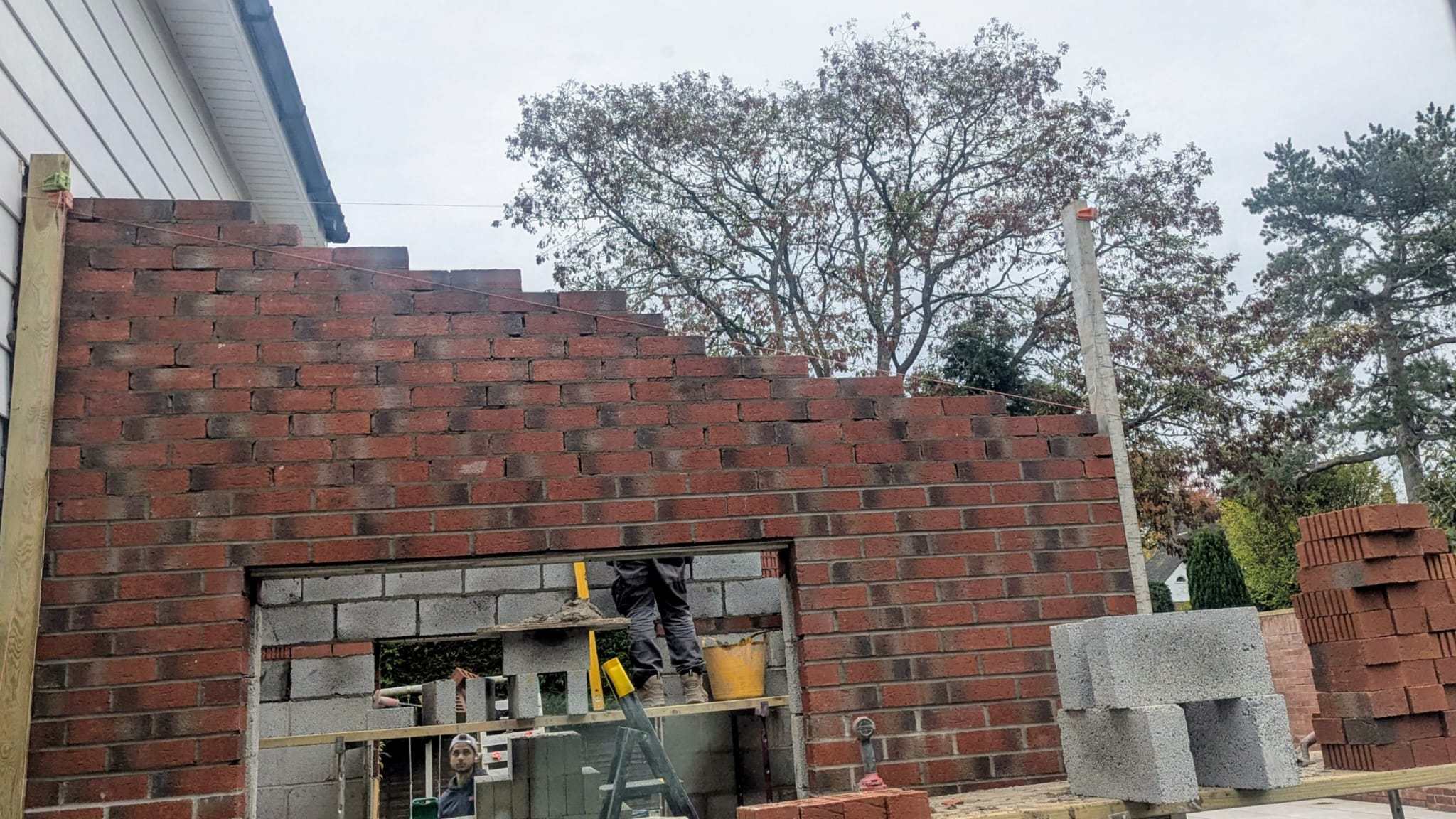
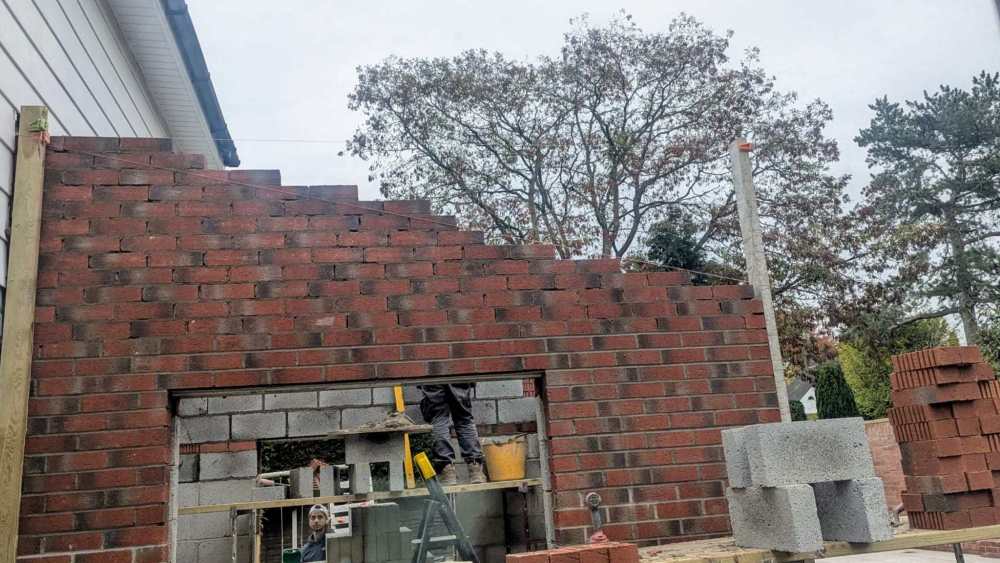
ok - so update. it is actually 13 bricks high. from the outside photo is is deceiving because when you look at it from inside it goes lower than the bricks we having been counting to. OK - 13 x 75mm per course = 975. 975mm against a 3400mm run is 16 degrees. I also used my tape measure and got 980mm. However, maybe i am all muddled up in this - Where does the wall plate go? If the wall Plate sits higher than the highest brick, that would add marginal steepness . especially if on the outer side the birdsmouth in rafter keeps it the same steepness. but if the wall plate sits just under the bricks - then that will reduce it from 16 degrees. Either way currently the brickwork rise is about 60mm short of 17 degrees. -
How to determine pitch of my extension
JKami84 replied to JKami84's topic in House Extensions & Conservatories
Yes, I've used those tools to know the difference between existing house wall and top of the end of the extension should rise about 1040mm. BUT i'm no builder. Maybe you its not just the brickwork that determines the pitch?? he has left now. he has assured me 3 times today that its over 17 degrees. he has been spot on with a lot of other things - so i have some trust in him. but i also trust triganometry. minimum i wanted was 15 degrees, and he said he has kept it at 17 degrees for it to be safer. so he knows exactly what he was trying to achieve. he said he used an app on his iphone. -
I don't know how the builder is adamant this is 17+ degrees. I have been outside and asked several times and he is confident it is made slightly above 17 degrees. I have used my own online resources and doing it based on counting bricks from the outer wall to the existing house wall. Simply put, for my 3400mm length extension, it requires a rise of 1030mm ish (so just over 1m) . So counting brick courses - i'd say that is 14 brick courses. I only count 12 brick courses. even looks like just 10 courses from the photo ,but he showed the outer wall is 2 bricks lower when looking it directly from the back. How is he still so adament its 17 degrees? no more bricks need to go against the existing house side.
-
What are my options for my corner plot
JKami84 replied to JKami84's topic in House Extensions & Conservatories
@ProDave - were the properties used during your appeal directly behind your house - so the building line of the road. Or where they used from elsewhere in the village as an example? In my town there are a few examples of single storey side extensions breaking a building line, but obviously the road which is adjacent to me has a clear line until a junction and the properties change srtle -
What are my options for my corner plot
JKami84 replied to JKami84's topic in House Extensions & Conservatories
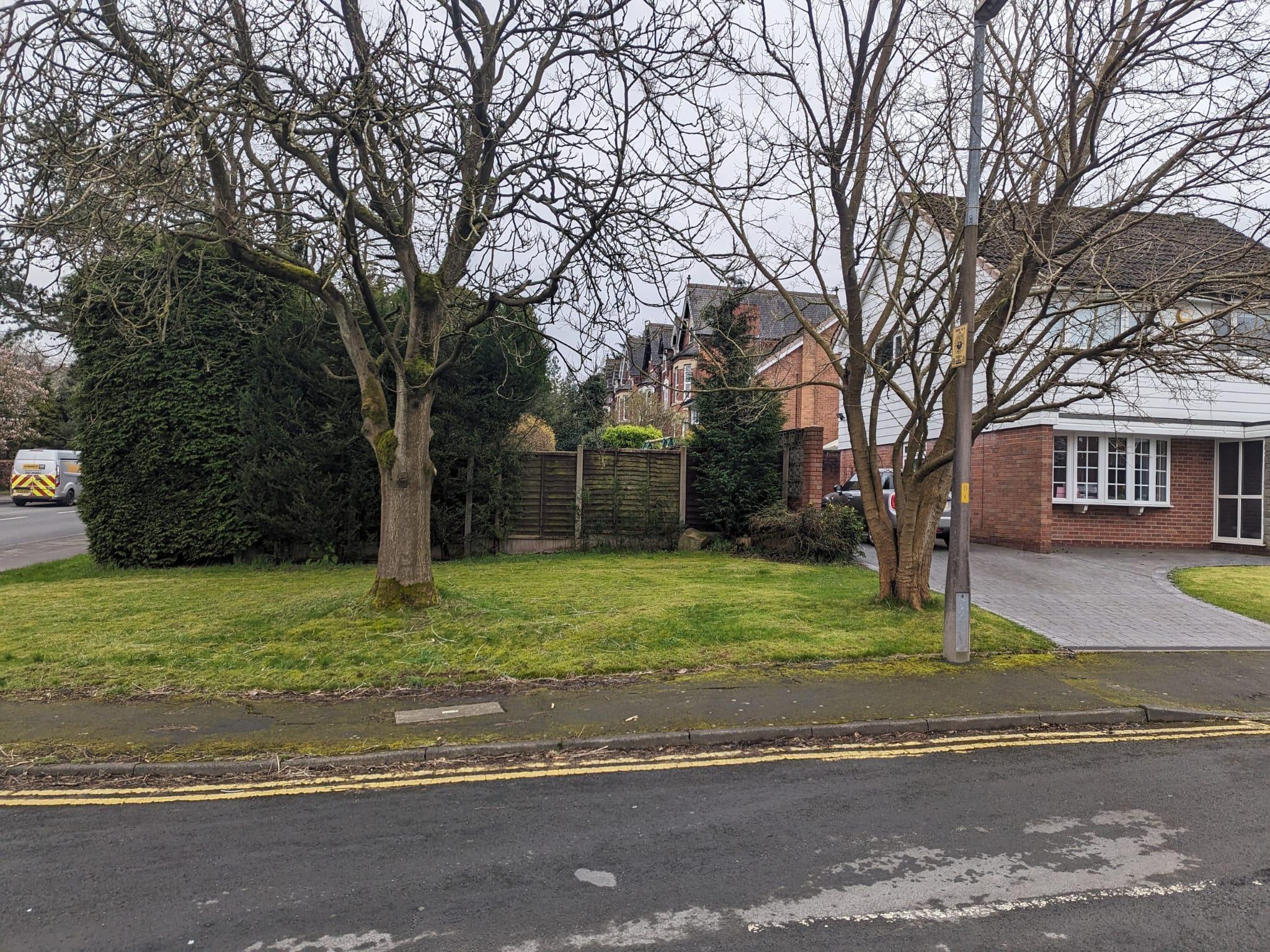
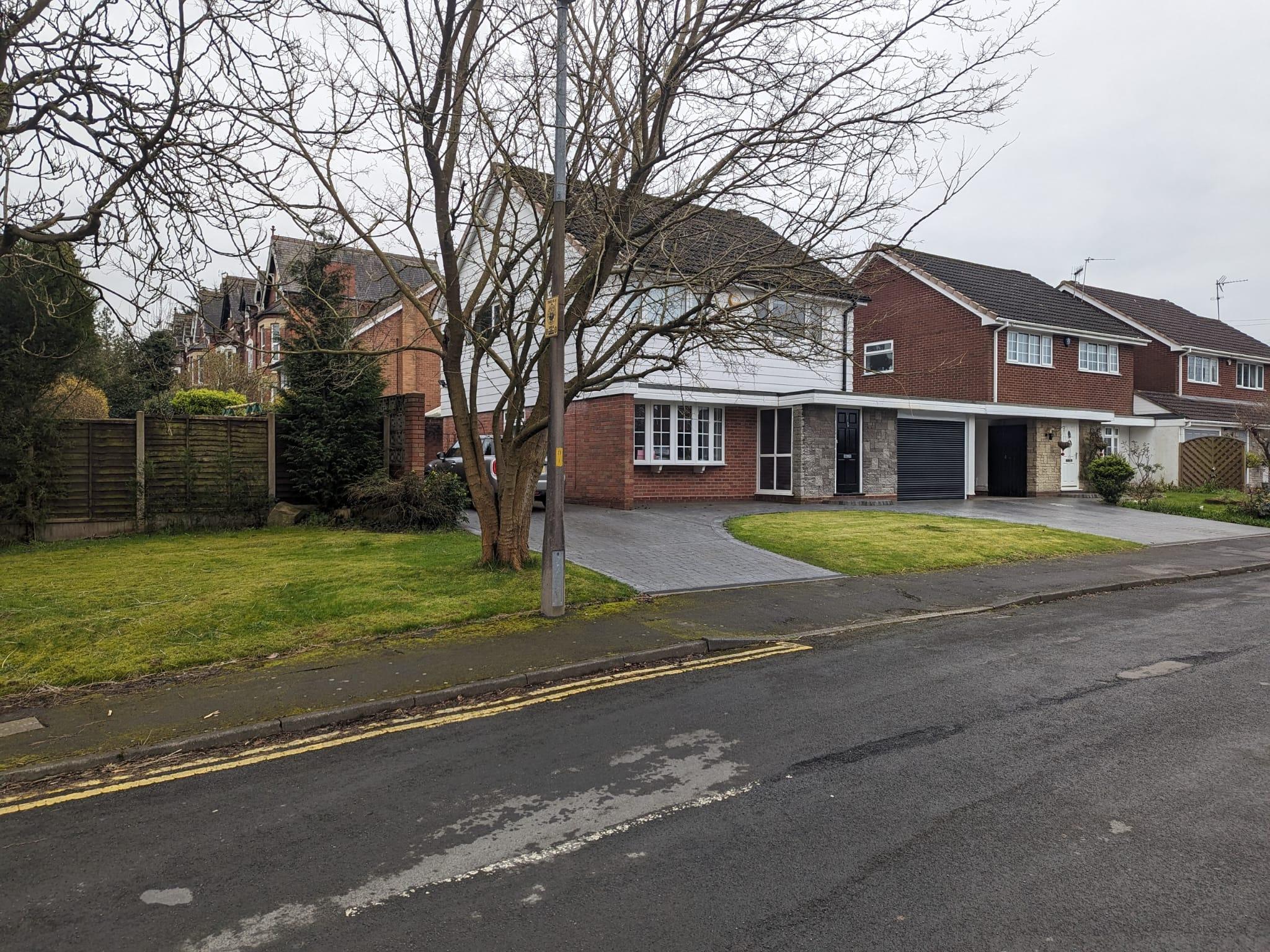
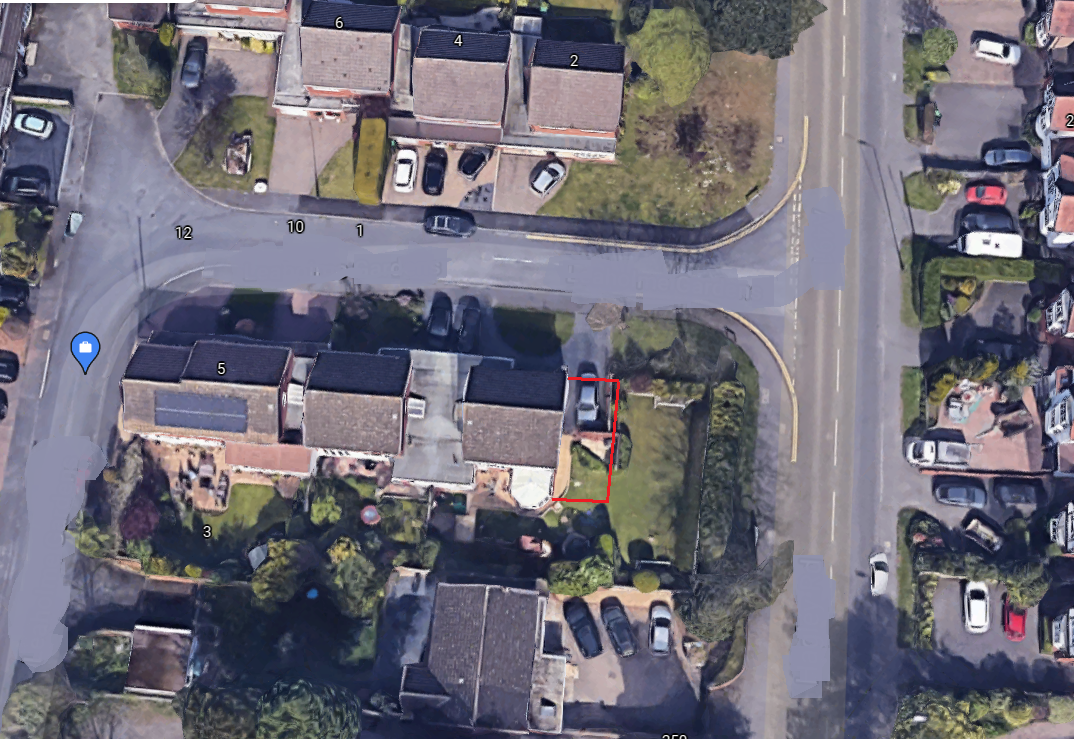
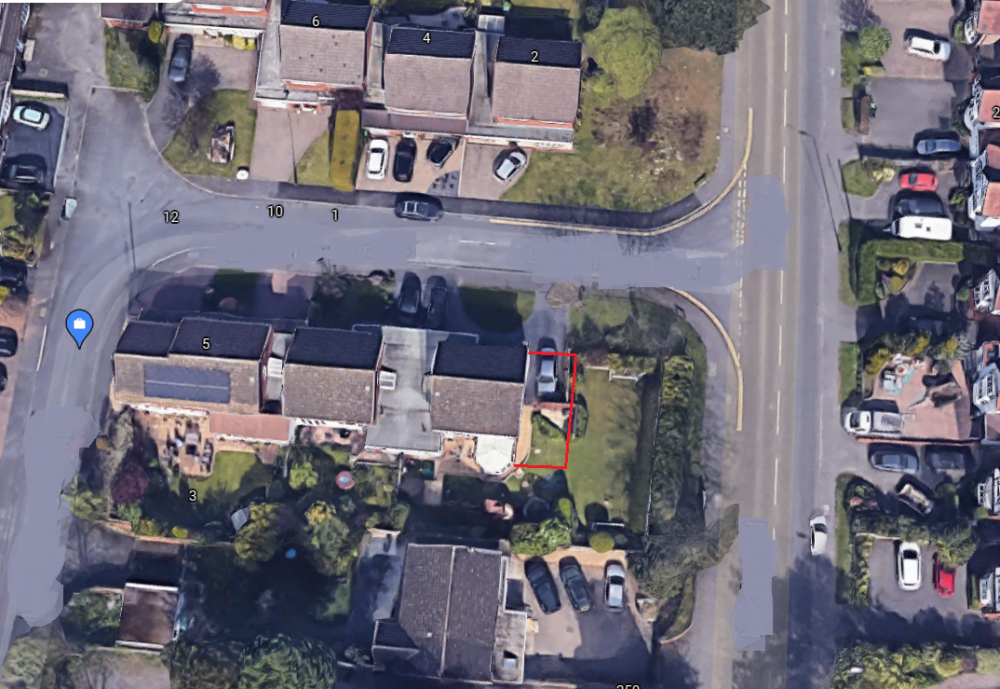
Yes, the house two doors down from mine have a huge double storey extension up to their boundary (pavement), however they are on the 'inside' of the cul-de-sac and no building line behind them... Mine wouldn't even go halfway to my boundary. The house opposite my sticks out 2.5m from mine already, but i don't know if thats anything. And also the sun travels from the right, bottom and then left of my google map image. So basically my extension + garage would be north facing to the house to the rear. I do like the thinking about using the garage to break the building line first... How big should a garage be anyway? -
What are my options for my corner plot
JKami84 replied to JKami84's topic in House Extensions & Conservatories
This is the reason for my original post - because i obviously need to be tactical in the way I approach this. I thought the same, single storey, then double ... or garage first then extension. I don't want to go to them for them to say NO and then be left with nothing that can be done about it. Unfort nothing else is breaking this building line with houses to rear until the house styles change completely a good 200m + away. Its a busy A road. I can hide the garage completely by trees though - and i still have half the garden reamining so its not even visible on the side road. I could also block the rear house line using trees.. but I am not sure this kind of thing helps? -
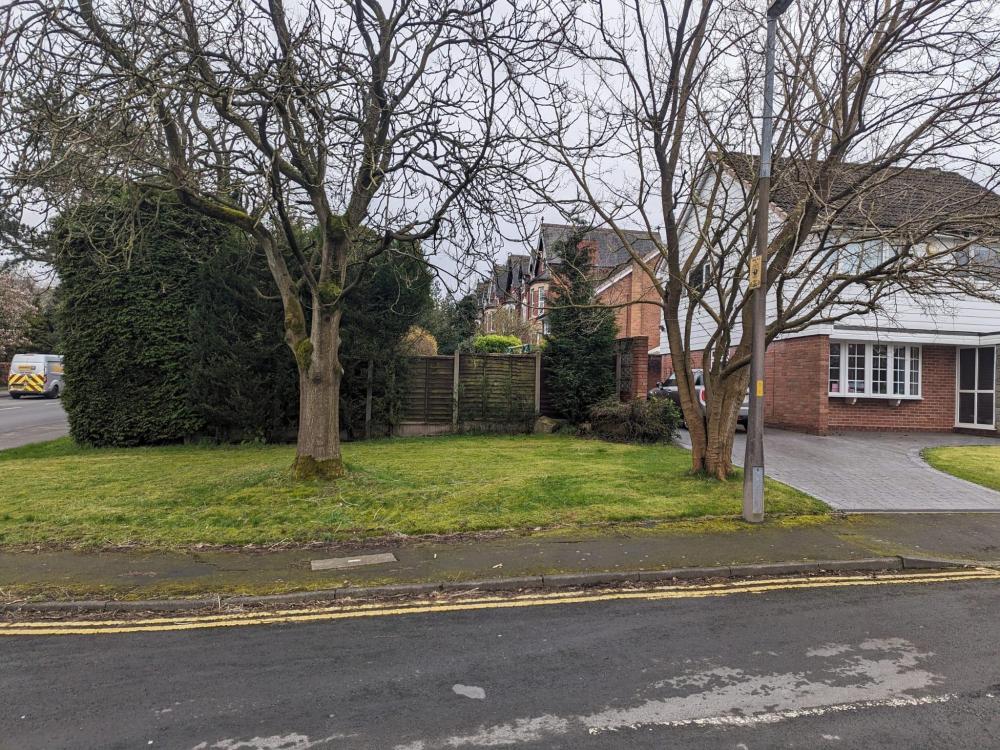
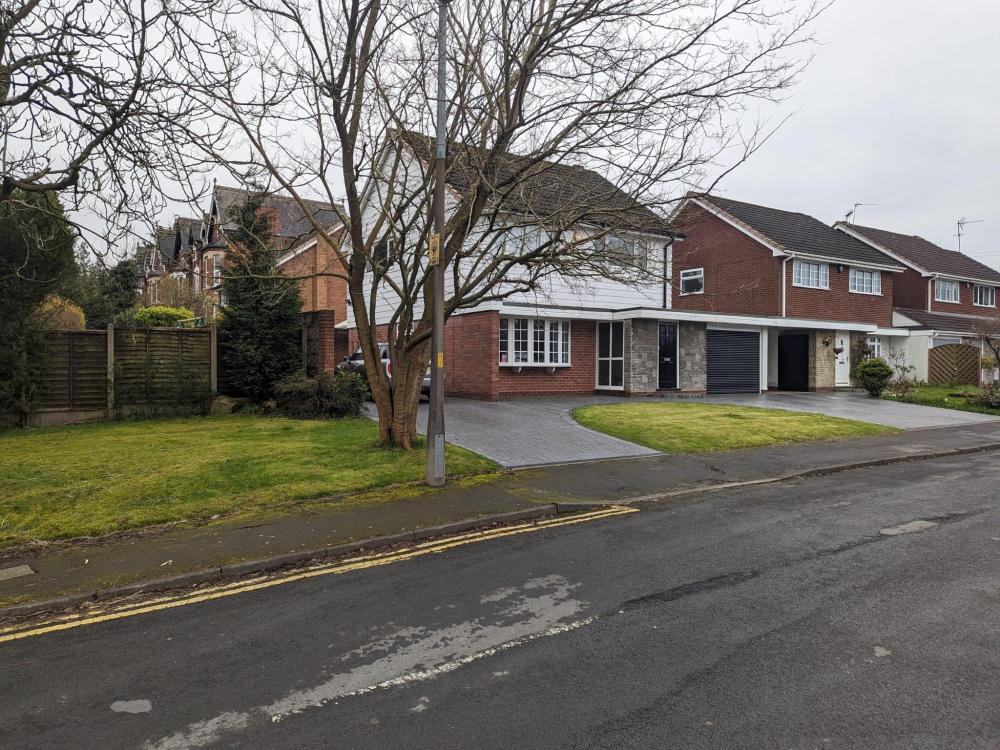
I have a corner plot in image below. My garden to the side is larger than the width of my house. I would like to consider options including building a new property ... building a double storey side extension (the width of the driveway where you can the MIni cooper parked) ... building a double storey side extension + have a garage aswell (as far as the second fence panel from the house). What ever I do, and however I approach the coucncil - I do not want to shoot myself in the foot as to what can be done. IF I can build a house / bungalow in the side garden then I my aim is to gain an asset. IF i Can't, then I want to make my house a forever home.
-
What is used to fill spaces between plasterboard?
JKami84 replied to JKami84's topic in House Extensions & Conservatories
Thank you for reassurance its normal. Poor guy must have struggled with the weight of acoustic plasterboard so a couple of 2-3mm gaps isn't a problem. Foam is interesting - and i've seen Acoustic filler foam available.... Worth it?