


TryC
-
Posts
345 -
Joined
-
Last visited
TryC's Achievements

Regular Member (4/5)
18
Reputation
-
Ah sorry, that was an old photo just to saw the gap to floor ratio. The walls and floor was given time to dry out becore the kitchen was fitted. I'll have to look at how thick the celotex might be. There is one vertical long radiator in the room. It does get pretty warm in there in the summer, but noticeably cold on the floor during winter.
-
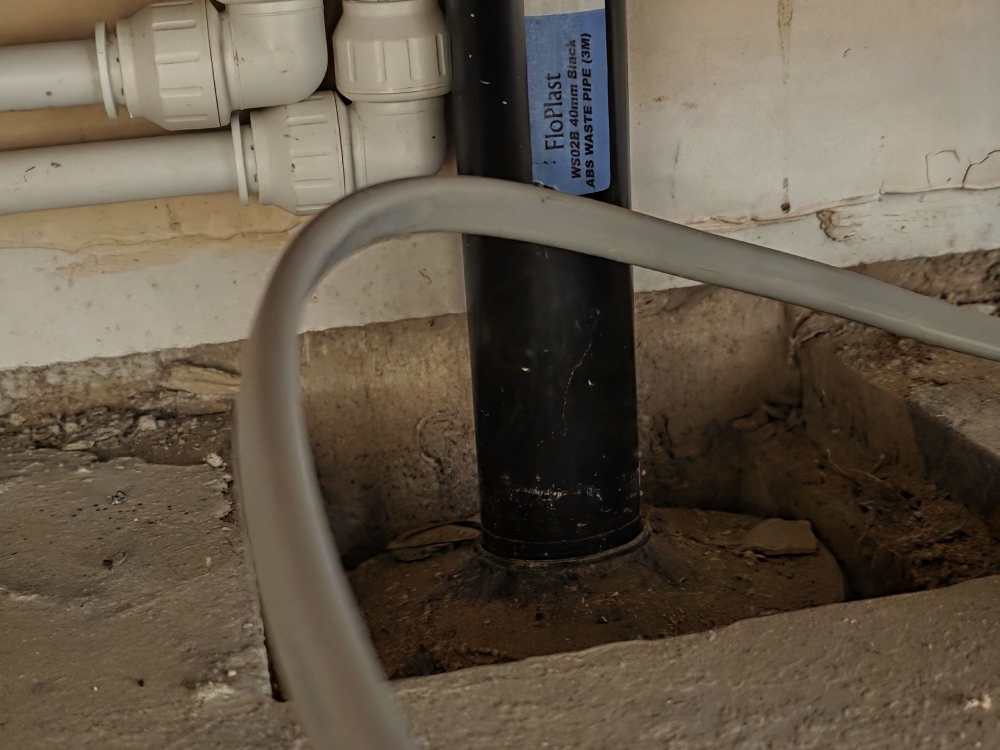
Oh, thanks so much for the link for the heat monitor gadget! Very reasonably priced. I zapped it near the area where you stand in front of the sink and it was about 11 degrees. I removed the panels under the sink and zapped the hole and it was about 7 degrees. Here is a pix of said hole
-
It will not damage the pipes will it? 😞
-
Hi Russell, it defo feels like the air is coming up from that hole. I did ask a plumber if I could fill it. He said yes, but then I was thinking I don't know what or how. Expanding foam seems like an idea or a bad on or even the steel wool (not for air i guess but insects) but it am not sure if steel wool is a fire hazard. I just feels like im standing on ice near the area of the square hole.
-
Apologies, and thanks for the speedy reply. I do not have underfloor heating if UFH is what that stands for. It is suspended floorboards over concrete, then on the wooden things there are the thick insulation boards (celotox)? Then cabersheild i think it is called, screed then the LVT floor. I would say the floor feels absolutely coldest in front of the sink (the immediate area near the square hole) than the rest of the room on the right (not in the photo).
-
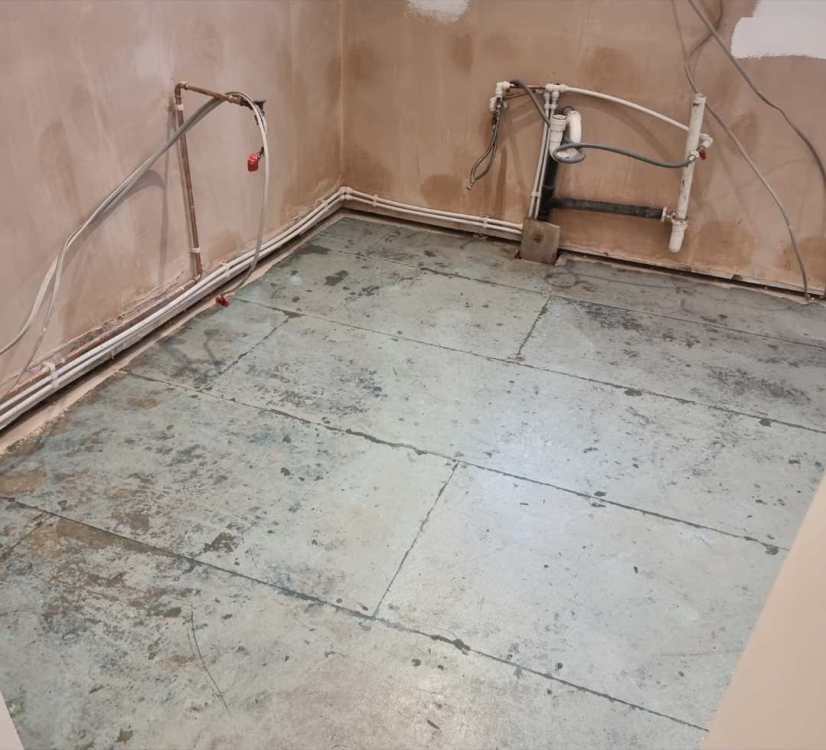
Hi All, Looking for some advice please. We had an extension installed and this past few weeks, I have noticed the floors to be SUPER cold, despite being told this room would be the hottest in the summer (I know, we're not in summer), but I didn't expect the extension to be the coldest during the cold season. Anyway, the walls. I had asked this when it was built, why there was a gap from the wall and floor and I was told this was normal and it was for the wall to breathe, and for damp not to rise. They cut out a spot for the water pipes/sinks in a shape of a square. Once the kitchen was installed, the square basically has the pipes but it is...I don't know the right word but it is not filled in or insulated at all, it is essentially the pipe in the square hole. I have noticed the floor (LVT) to br extremely cold when walking on it. It just feels so sold. I usually wear slippers and never noticed it until I was in my socks to get something quickly. I think the cold is coming frome the square hole, not only that the gaps i was told was normal....(I am beginning to think is not right?) Not the extension is on a suspension floor. Any advice is appreciated.
-
Thanks everyone! Maybe I was using the wrong terminology. But the question about mould, does anyone know if this is 'normal', when the builder insists it is there on the plasterboard because there is moisture but once dried out, the mould and damp issue will be gone. This is on a newly built extension.
-
Hey all, So one of my worst fears have come true. I was assured having the boiler expelling it's steam (for over a month, because the plumber was not avail) into our extension would not damage or cause mould in there. I guess it is to be expected, it's like steaming my lounge and not expecting there to be ramifications. It has, is the best course of action to remove it entirely and board again? I'm guessing wiping it off and skimming it and painting it is, is just like putting a plaster on a wound. it will grow through and probably with a vengeance? Any advice appreciated.
-
Hey All, If an extension has suspended floor, can it be used as a kitchen area? It has cabershield plus but I'm very worried about the load on it, e.g., washing machine, dryer, American sized fridge freezer and oven etc., The builder said it was OK but I'm worried about the washing machine doing its cycle and possibly shaking the floor and over time it will just basically fall through? I may just being paranoid about it, but what do I know since I'm not an expert but looking for peace of mind and advice appreciated. Also, the said cabershield plus flooring we have, some of it has been exposed to the elements for several weeks, a flooring guy came recently who measure up and he saw it and commented on the floor material (as our current kitchen is concrete), and he said its not good the edges of the cabershield was not covered up as it will soak up water and become weak. So that had me worried too.
-
if you have a kitchen and put floorboards in there, you can still build over?
-
thanks! If the pipes are clay do the pipes contacting to it need to be clay or are plastic ones ok?
-
Hi All, If you build an extension and your extension is to go over your private pipes that service just your house(which connect to main pipes), do these pipes need redirecting outside of the extension area? and connecting to the main pipes? As I assume once you build over it them it would basically mean destroying your flooring should you need to gain access to the said pipes if there is a leak in the future. Can you build over your private pipes? can they still be used or do they need redirecting?
-
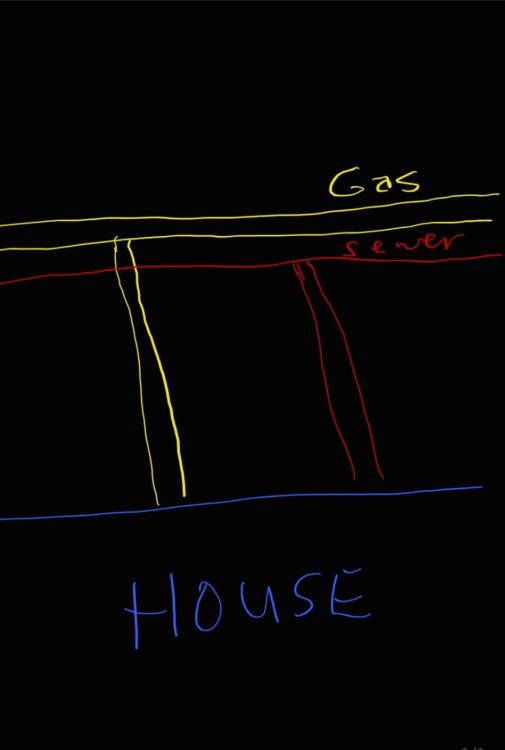
please excuse the crappy drawing skills (or lack of). there is a manhole located in the garden but the architect and builders just assumed the pipes would run in line across the garden, but it unfortunately doesn't not and slopes up towards the neighbours garden, and I think they may have built over theirs themselves.
-
sorry, maybe it's early but reading your response a couple of times, I'm still not sure what you mean?
-
Hey All, Just looking for a bit of guidance, please. If your build is near a main sewer pipe, do you need a build over agreement? e.g., extension is within 3 metres of the pipe? Do builders usually have an idea of where pipes might be before digging or would they assist you find out where they are by doing a test dig or perhaps, do they advise clients that there are actually services that you can engage that tell you were they are?


