Simba_ali
-
Posts
63 -
Joined
-
Last visited
Everything posted by Simba_ali
-
So I've hit Abit of a roadblock... Long story short the property is shared ownership and only a professional can do the work of resealing with sealant for insurance purposes.... The problem is I can't get anyone to do it for atleast 3 months. Can anyone suggest any quick bodge other that what I have already done? I was thinking literally covering the entire bead of mortar with silicone just to provide some water resistance . Then rip it all out when someone can do the work. Surely even patched sealant is better than nothing? Many thanks
-
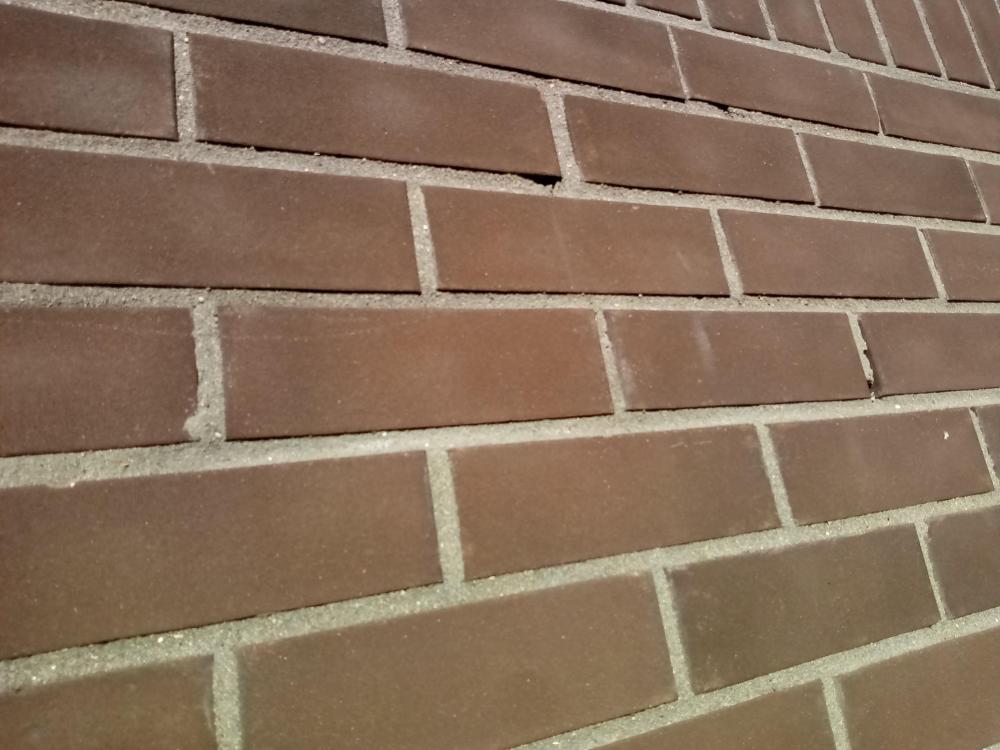
Hey I've got an ongoing thread in the roofing section in relation to a balcony leak but I think this question may be better suited here. I know I have a leak on the roof upstand but I'm trying to establish if water penetration through the brick wall could also be a factor I've taken some pictures as I've noticed missing mortar in certain parts of the brickwork. I can't tell you whether they have appeared over time or if they were there when I purchased the house (new build 3 years old) How serious does they look for the overall quality of the mortar and the water penetration issue? Can these areas be patched up? Many thanks

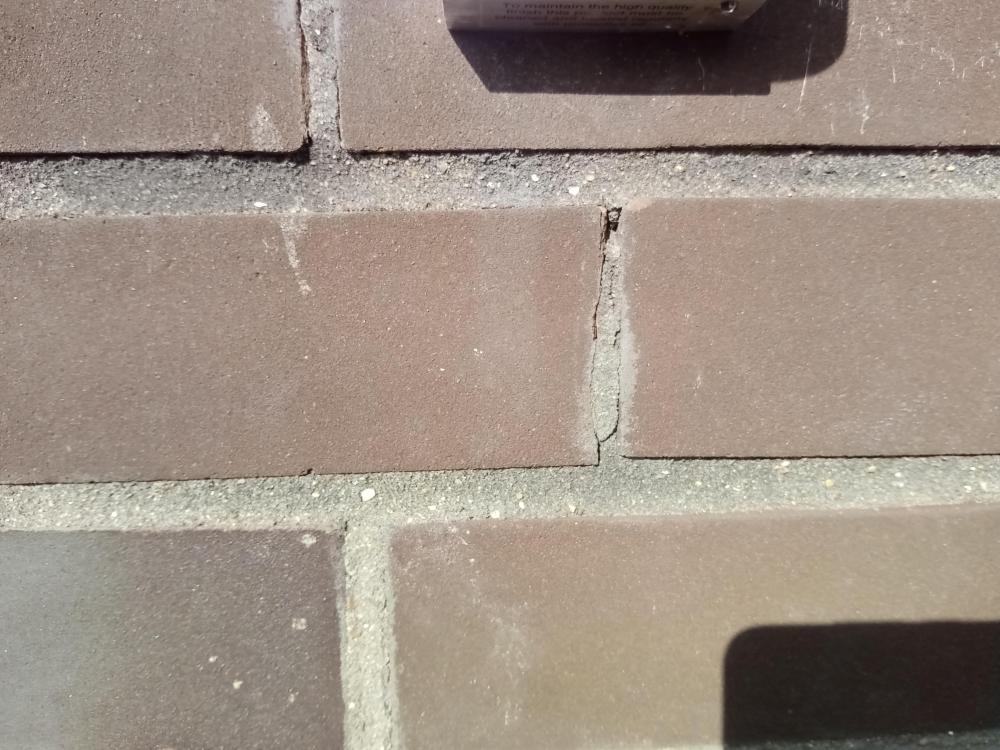
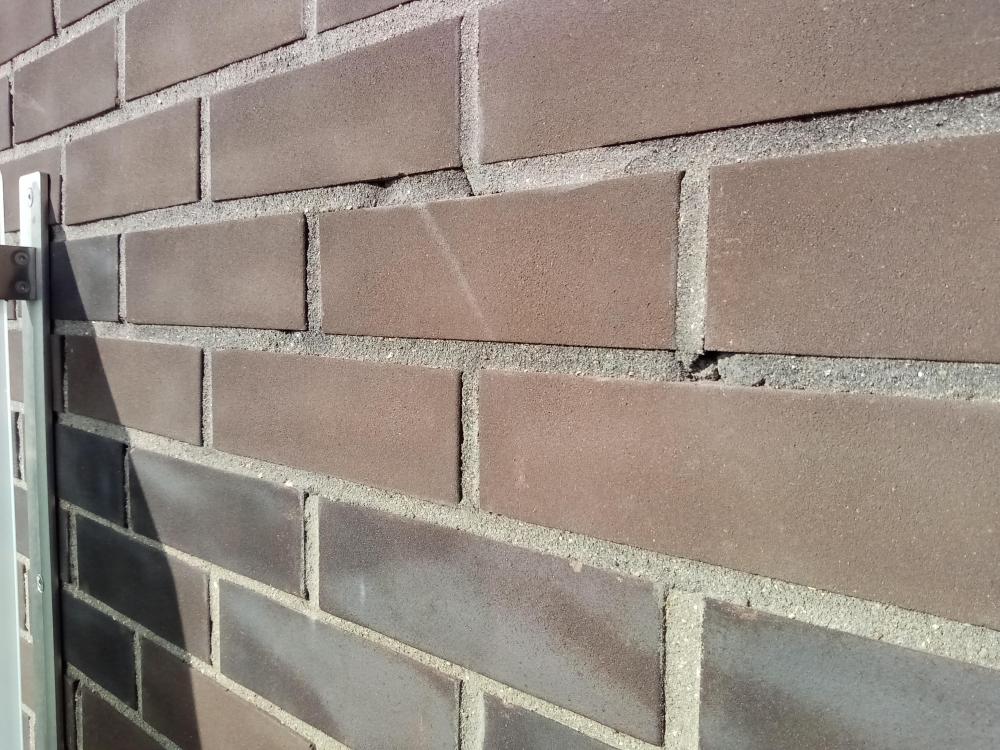
-
Hey Just thought I'd share updates on this Incase it helps people in the future. I haven't managed to replace all the mortar due to a hectic work schedule but I did manage to put a thin bead of sealant over the existing gap as a temporary/emergency measure. I poured water all over it just as a quick test and i couldn't get it to leak so looks like it's definitely in this area. Next step is to do it properly! I'm not looking forward to it I must admit... Regards
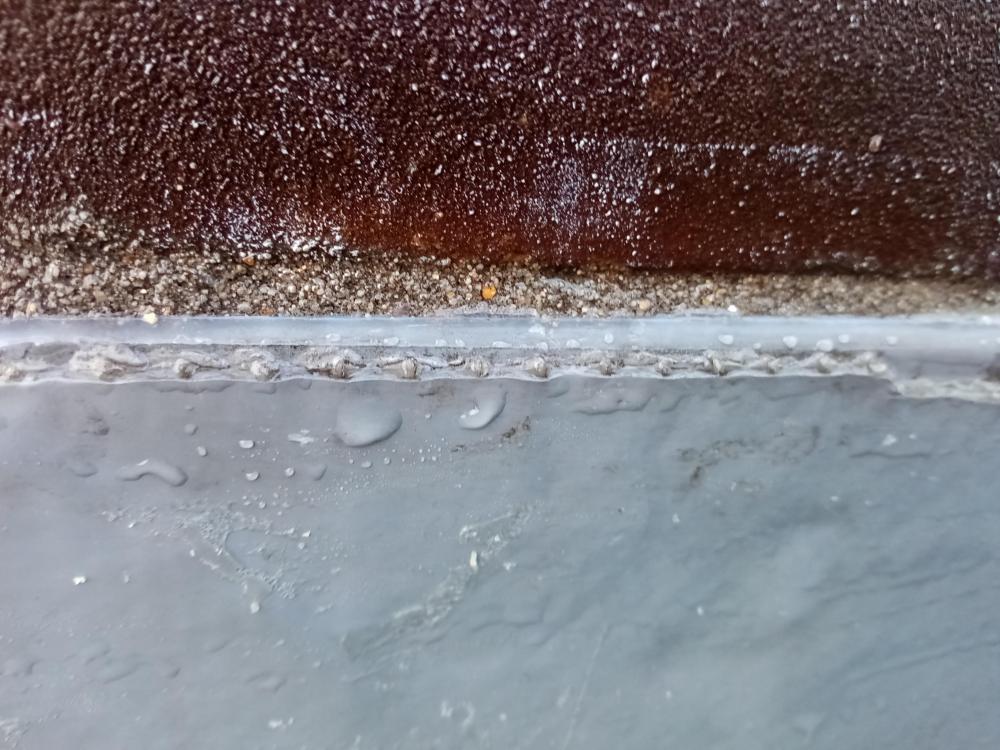
-
I agree, I believe that where I was pouring water on the wall it was doing exactly this. At first I thought it was penetrating the brick but I was never convinced because the leak appears way to quickly.. This would also explain why normal rain on the roof is fine but wind driven rain would hit the wall and run down into the upstand joint.
-
I did think that this could be a possibility so i tested it twice. The first time I poured water on the upstand joint where the mortar is loose and it leaked. I then poured water on the upstand just below where it is bedded into the wall to see if it ran down the upstand and into any hole where it connects to the roof and no water came through. I haven't managed to check the entire roof as I haven't yet pulled all the decking, framing , protective sheet and pedestals up but I have poured gallons of water onto the roof and under the sheet and no leaks appear.
-
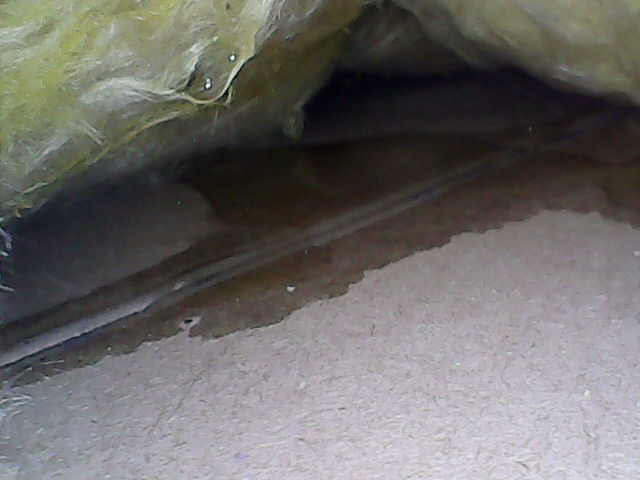
From what I can gather the nosing is plastic and the rubber has been attached to the nosing and glued to the rest of the roof under that decking board so it's all one piece. There is a protective sheet over the roof rubber to stop the legs damaging the membrane. I've attached a photo from under the decking where you can see the join line of the roof to the upstand and also the corner of the protective sheet I've pulled back. Ignore the debris as that fell off when I pulled the decking board up and the protective sheet back I've had no issues with normal rainfall and I've only seen evidence of leaks 3 times in 3 years and that was all in a 2 month time frame during the Jan/Feb storms this year.
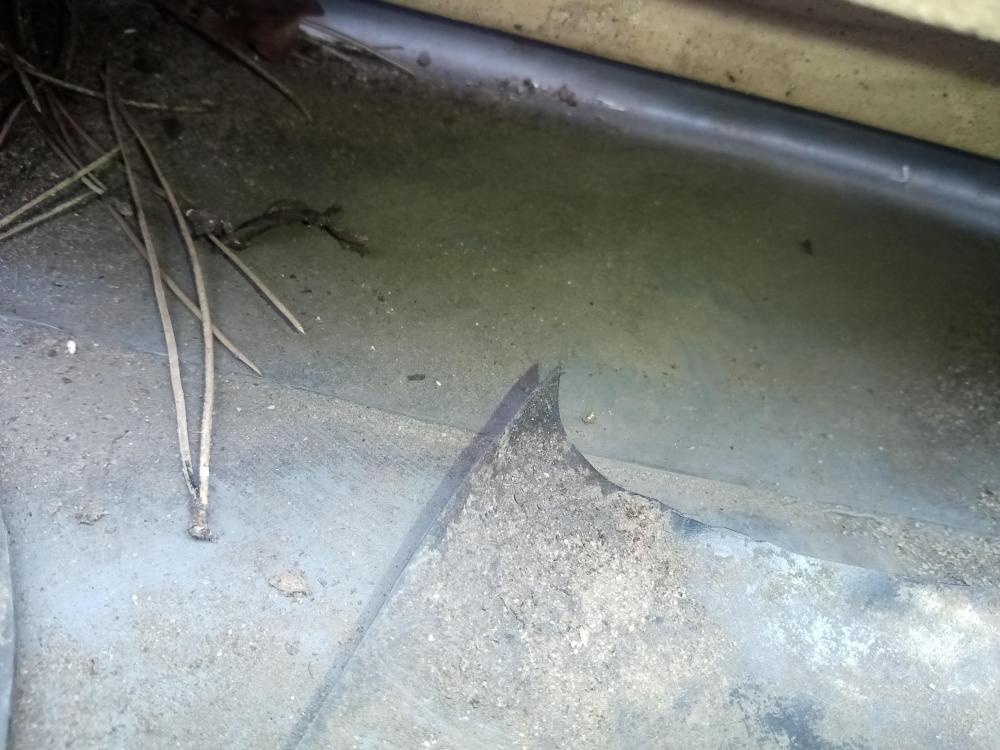
-
Attached a photo from the deck to the top of the upstand, it goes down even further under the decking. From what I can tell the flashing goes into the wall by about 3.5 cm. Would anyone suggest a good sealant? I have builders sealant but I'm guessing it needs to be a special type? My thought is that I could literally spend thousands on replacing every part of the roof before finding the main cause, so I was going to seal the mortar joints, test with water and if that shows no sign of leaking then leave it until the next storm and see what happens. If it still leaks then I need to look at either lead flashing or cavity trays. I was also going to hire a plasterer to maybe cut 2 sections of the ceiling out so I can observe any water coming through as so far I have been using a micro cam through the hole in the above photo.... plasterboard is alot cheaper to replace that retrofitting cavity trays!
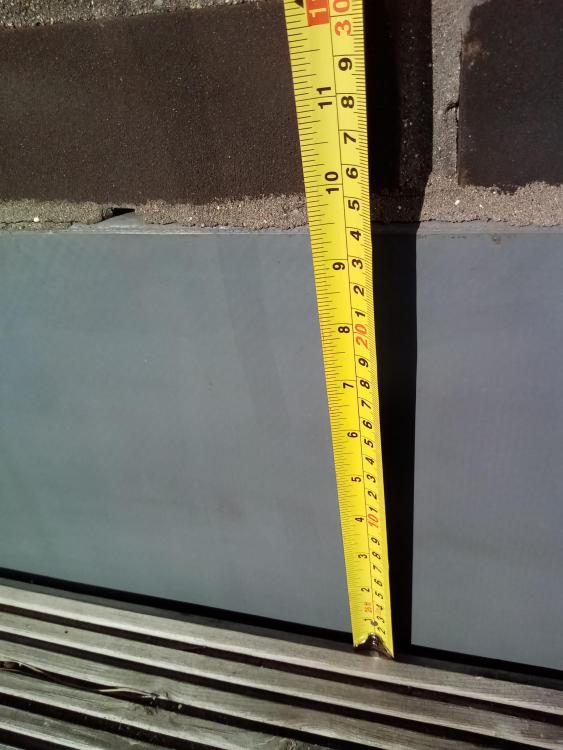
-
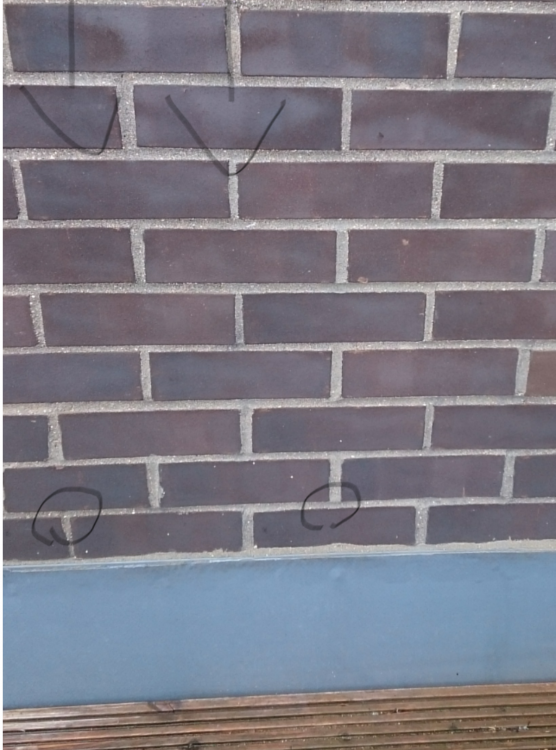
Just a little update.... I had a roofer come today and have a look and he says he would seal the existing upstand with sealant and install lead flashing one brick up over the existing upstand. When i mentioned about the lack of cavity trays he didn't seem that concerned about it as weep holes are present above the door and 4 bricks down from the top of the cavity wall so only a small section has a lack of cavity trays (i'm not convinced by this answer!) He also said maybe putting a brick sealer on the bottom half which doesn't have cavity trays. I mentioned installing cavity trays and the answer i got wasn't very enthusiastic so i'm assuming its a rubbish job to do!? I've attached a photo of the upper part of the wall where you can clearly see weep holes. What would you guys do???
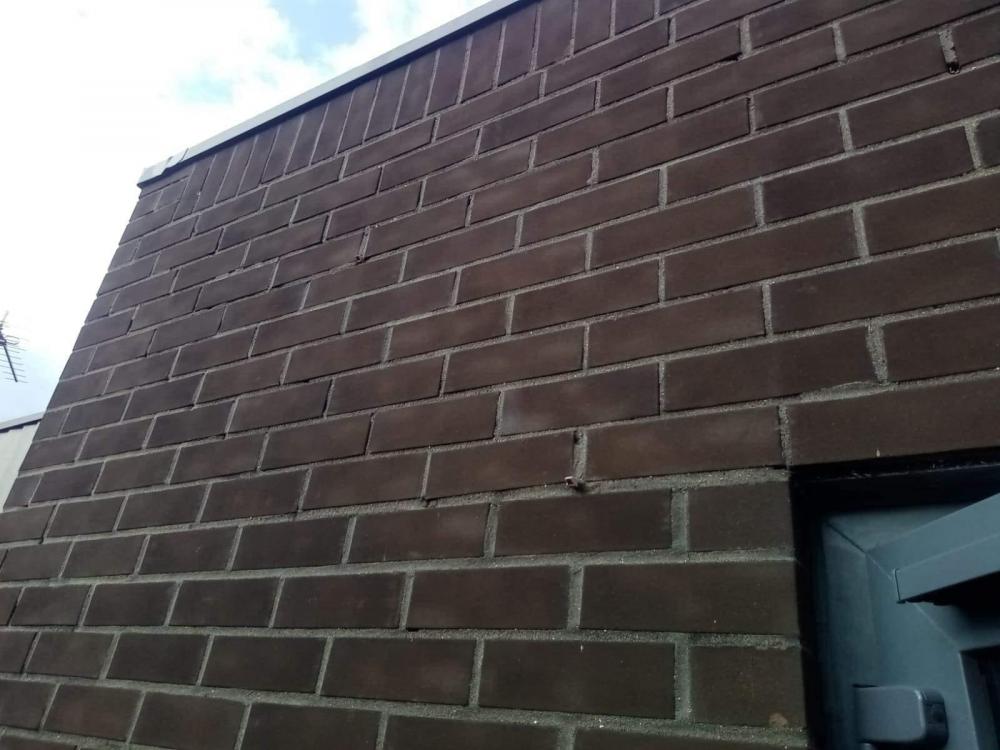
-
Yea it should be covered but the excess is £1500 and trying to find the exact cause (which they require) will mean tearing the whole roof down plus no roofer can give me a definite answer. I do plan on using insurance but it's Abit tricky at the moment
-
It's a new build (4 years old) and was all built as one so that's why I'm sketchy on the details. I can't get my hand up there as the upstand is joined to the roof rubber. There are definitely weep holes further up the wall and over the doorway so it's strange they would miss them from near the upstand.
-
I know it might be impossible to say but would you say it's more likely to be the flashing leaking Rather that the lack cavity trays /weep holes or a combination of both? I'm thinking of removing mortar and filling with sealant as a short quick fix. I'm reluctant to install lead flashing first if I need to install cavity trays .. I also have a horrible feeling the weep holes could be underneath the flashing as further down there are unexplained protrusions that I can feel...wouldn't put it past the builders of this place.. ..
-
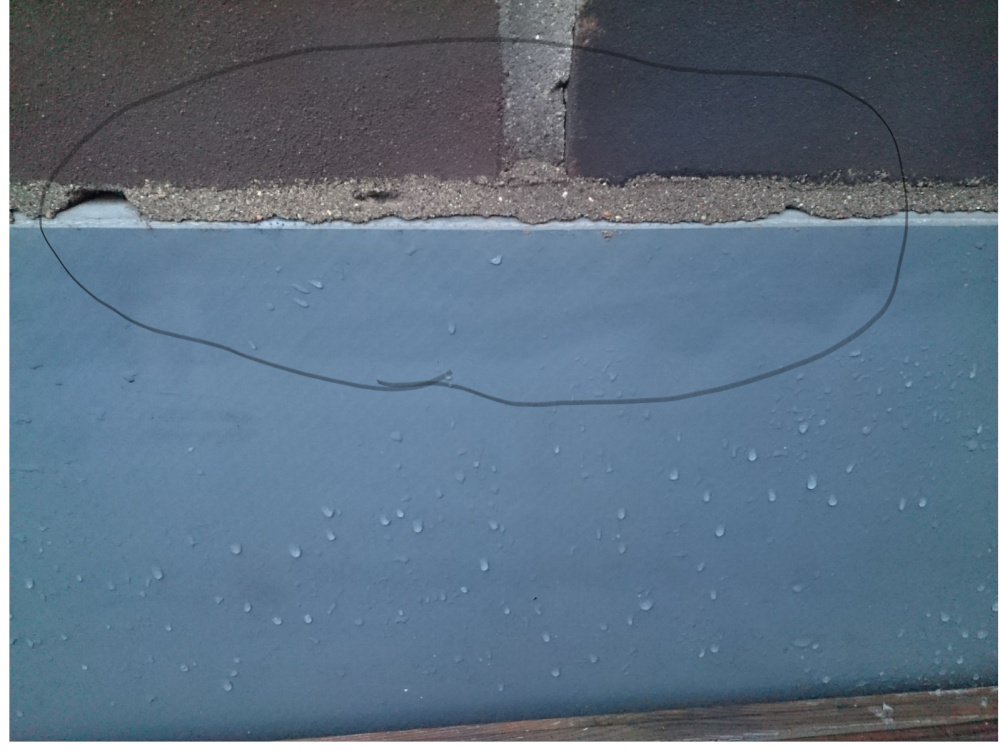
Thanks for the reply It seems to be some kind of plastic L nosing about 70mm x 70mm that goes into the wall and the rubber material used on the roof has been glued to it. The gap has been filled with mortar which was fine to start with but as you point out it seems to have crumbled away in places and there is visible movement when pushing on the upstand indicating there are gaps behind. I can pour water directly on that joint (not getting the brick wet) and it leaks after about 5 minutes and falls through the hole on the attached photo which is located below the wall on the outside face. I'm no expert but my theory is it's literally getting behind this upstand and running down the brick face onto the ceiling below. It seems to happen very quickly and has way to much water to come from water going through the brick work. I've seen a couple of roofers who point out that the upstand needs a flashing but I need a short term fix until I can organise the work and figure out the cavity tray problem.
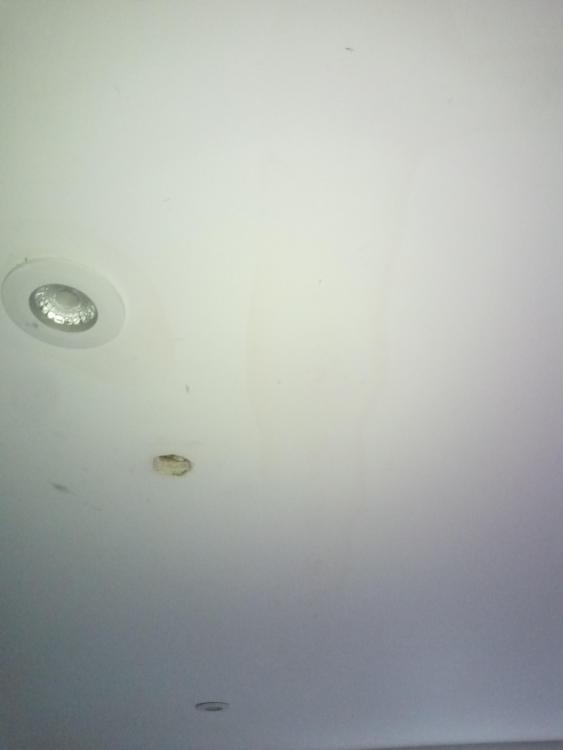
-
Hello, I'm wondering if anyone has any idea about a possible solution to some pretty bad leaks I had during the February storms from a balcony onto a ceiling in a room below. The leak seems to appear on the ceiling directly under a cavity wall above and runs in lines as if the water is following the joints of the plasterboard. I successfully managed to make it leak by pouring Water directly onto the wall and using a hairdryer to try and create wind. My first thought was that the water for penetrating the brick and flowing down the cavity wall and an apparent lack of weep holes suggest no cavity trays are present. I tried to narrow it down further by just pouring water directly onto the rubber upstand and not the wall and again it leaked within minutes. My 2 questions I need advise on are 1. Would removing the mortar on the upstand and filling with sealant likely stop the leak or would it require lead flashing over the top? 2. How likely is it to be water penetration through the cavity wall aswell as a dodgy upstand and would I need to fit cavity trays first. I'm pretty sure the roof under the decking isn't the problem as it doesn't leak during normal rainfall and only in driving rain / wind. I've attached some photos and circled the lack of cavity trays. Sorry I know question 2 might not be a direct roofing question but any Clues would be appreciated. Regards