Novice
-
Posts
28 -
Joined
-
Last visited
Novice's Achievements

Member (3/5)
9
Reputation
-
Many thanks for the pics @Nickfromwales
-
@jack Thanks for answering my questions. With the help of everyone on here, I feel happier moving forward with an A2A unit
-
After the advice you gave I believe I have a clearer idea of what is required. Are you able to post some pics of the preferred method you would use in my wall type? Agreed! The areas most affected areas are the ground floor (main living area) and the top floor (3rd floor, single large craft room). How would I calculate the amount of heat that needs to be removed? Or a resource I can use to help with this? I have historic data of internal/external temp and humidity.
-
Thanks for this, but I am not sure it covers the retrofit of the A2A system.
-
I have managed to activate the cooling mode option, a hidden setting. It did not work initially, because there is a thermostat wired, for heating only. So I temporarily "disconnected" via the controller (turned off the thermostat setting) and it worked! The UFH is a single zone, which makes it a whole lot easier. Although this works in principle I believe this will not lower the humidity, which a A2A would. So I am minded to pursue the A2A (probably single multi port unit) option to give me greater flexibility and it would also solve the top floor cooling.
-
It is a Panasonic WH-MDC06G3E5.
-
Many thanks for all your replies. UFH on ground floor only, from ASHP. It will probably end up being one multi split, which will also provide heating.😉 Thanks Nick, this is very helpful and will probably be the technique I will use. Would appreciate so pics of the detail. I will trawl my archive and see if I can find the info from Jeremy’s blog
-
We have been living in our certified Passivhaus since it was completed in August 2017. It's a relatively large house (approx. 400 m²) and overall has proved extremely comfortable and energy efficient. However, in recent summers we have increasingly experienced overheating in the main living areas. Despite using night purging and running the MVHR in summer/bypass mode, there are periods when we struggle to bring the internal temperature back down. We are therefore considering installing a couple of air-to-air heat pump/split AC units – probably one serving the main living area and another on the top floor. My main concern is maintaining the integrity of the Passivhaus airtight layer when installing them. The wall construction is shown in the attached drawing. The airtight layer is 12 mm SmartPly/OSB on the inside of the 300 mm twin-stud timber frame, with a 38 mm internal service cavity before the plasterboard. Obviously the installation will require refrigerant pipework, condensate drain and probably cabling to pass from inside to outside. I don't want an installer simply drilling through the wall and filling around the services with expanding foam. Has anyone installed split AC/air-to-air heat pumps retrospectively in a Passivhaus or similarly airtight timber-frame building? In particular, I'd be interested to know: How did you detail the penetration through the OSB airtight layer? Did you use proprietary airtight service grommets/collars or tapes around the pipe bundle? Is it better to install a larger airtight sleeve through the wall and pass all the services through that? How was the sleeve/penetration dealt with at the breather membrane and external cement board? How did you deal with the condensate drain without creating an air path? Would you pressure-test the house again afterwards to confirm the airtightness hasn't been compromised? I'd be very interested to hear from anyone who has done something similar, particularly on an existing Passivhaus.

-
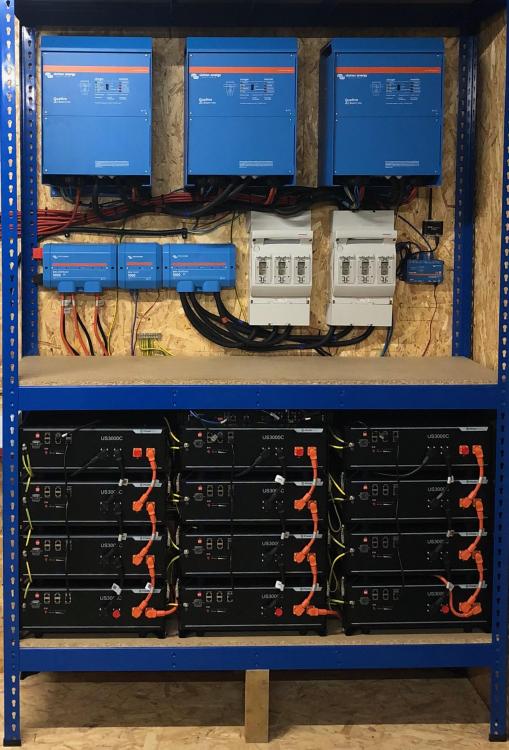
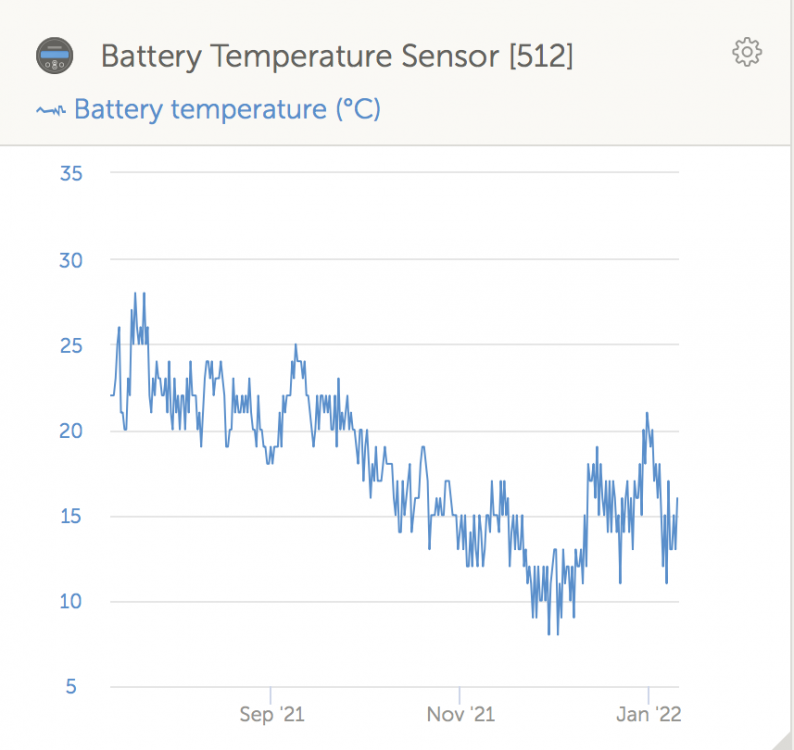
My battery setup is in an unheated and poorly insulated workshop. I found the heat generated from the batteries soon dissipated and the temp dropped. Since putting a crude cabinet around the batteries (mid December) the average temp is 15°C, workshop temp approximately 5°C. At this time of year I charge the batteries from the grid at night. Hope this helps. David
-
A quick update. Just finished attending to the Sunamp PVs and I now have hot water! I can only speak as I find and Sunamp have delivered with fantastic customer service, admittedly they could not recommend a local service engineer, but talked me through the process including FaceTime. Far too often support from companies are promised and often fall short, not Sunamp. Maybe I was lucky. Thank you to all here and I hope I have saved Nickfromwales writing lengthy instructions.
-
Thanks Nickfromwales. Photo with lid off

-
I believe the Uniq product could not suffer from this particular problem and there are service agents for the Uniq product. I guess the SA PV are deemed to be a legacy product
-
The engineer I spoke to on the phone said no service agent available that supported SA PV. The only option was to pay for him to come from Scotland to do the job.
-
Thanks Dreadnaught but unbelievably I managed to find my manual.
-
Thanks for the replies. Ended up getting them from Sunamp, they said they are a proprietary component. Cost £46 + VAT and postage. I am not looking forward to doing this job but hate cold showers even more. If anyone has done this before any tips/tricks will be gratefully received.