embra
-
Posts
59 -
Joined
-
Last visited
Everything posted by embra
-
That's right
-
@ProDave, @JohnMo, @Iceverge I share your concern about the heat loss through the beam and block / uninsulated cavity. I have opened a separate thread specifically for that topic, and would appreciate your thoughts and advice there. I've added the link below. Due to constraints internally, I cannot install any greater than 50 mm insulation on top of the beam and block sub-floor. I could install e.g. 25 mm Kingspan K103 along with 25 mm grooved EPS, to increase the u-value with same stack height. Setting aside the concern on heat loss into the beam and block / cavity for one moment, do you have any opinions on the floorboard specification for this UFH arrangement?
-
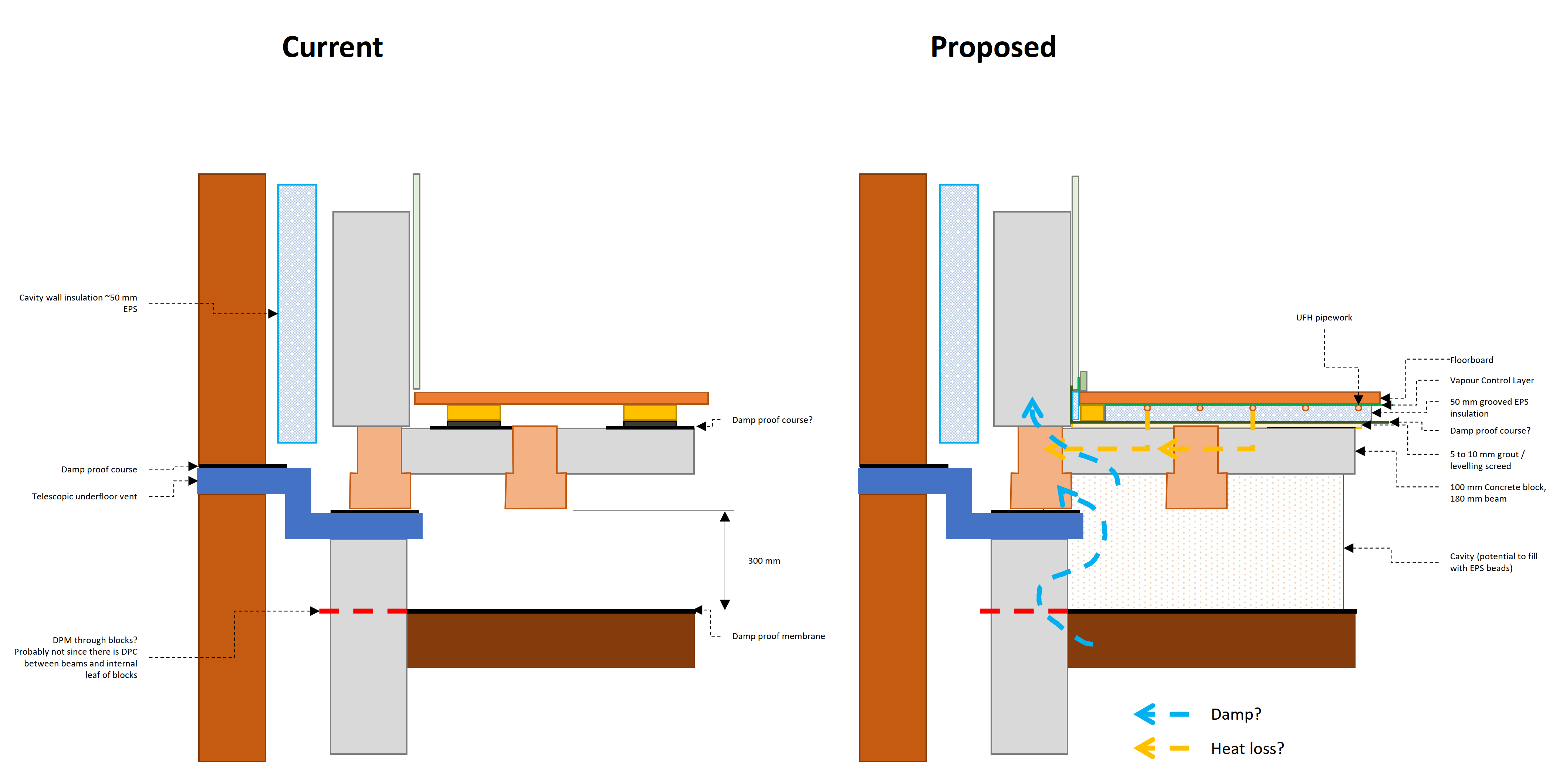
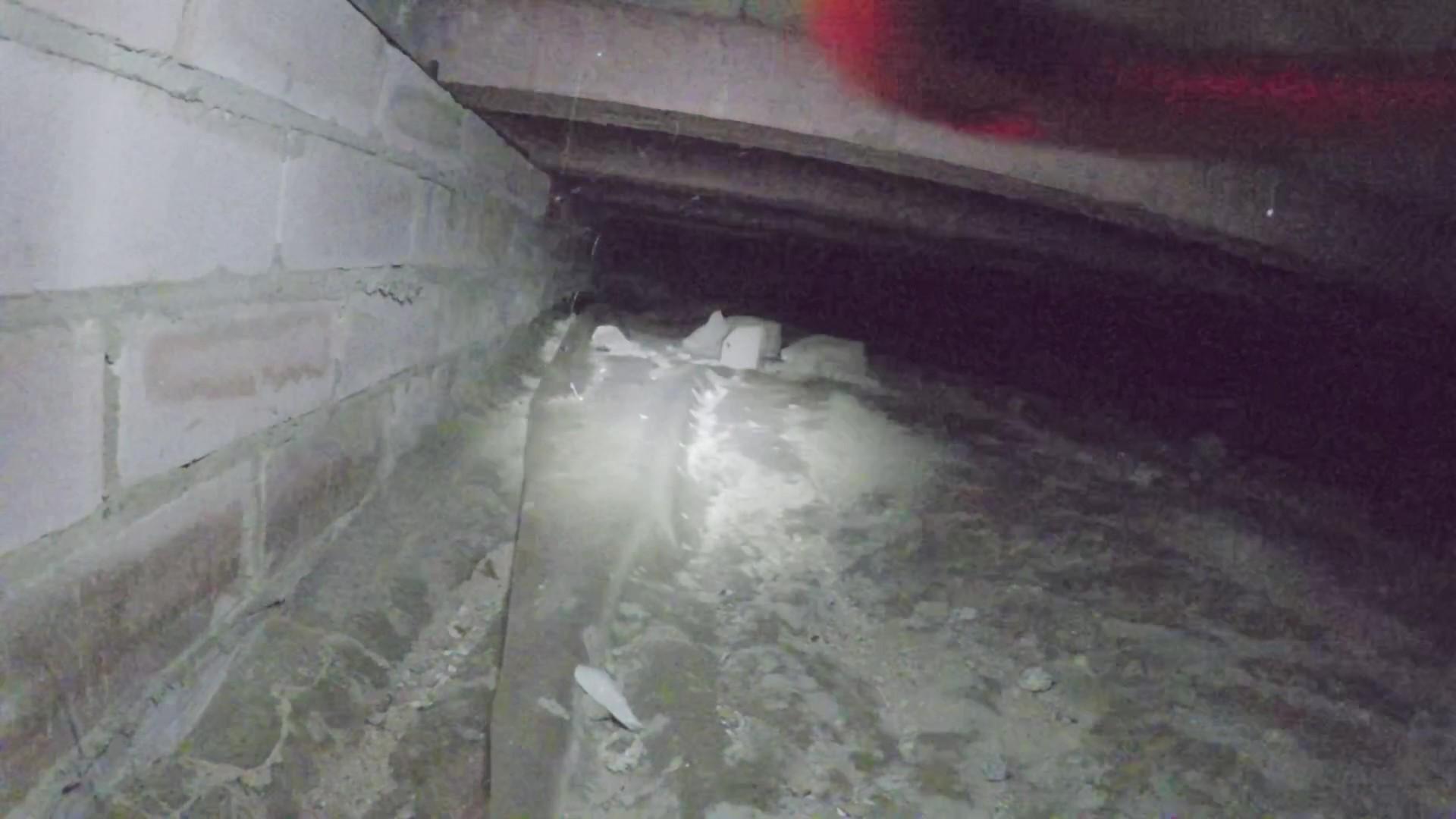
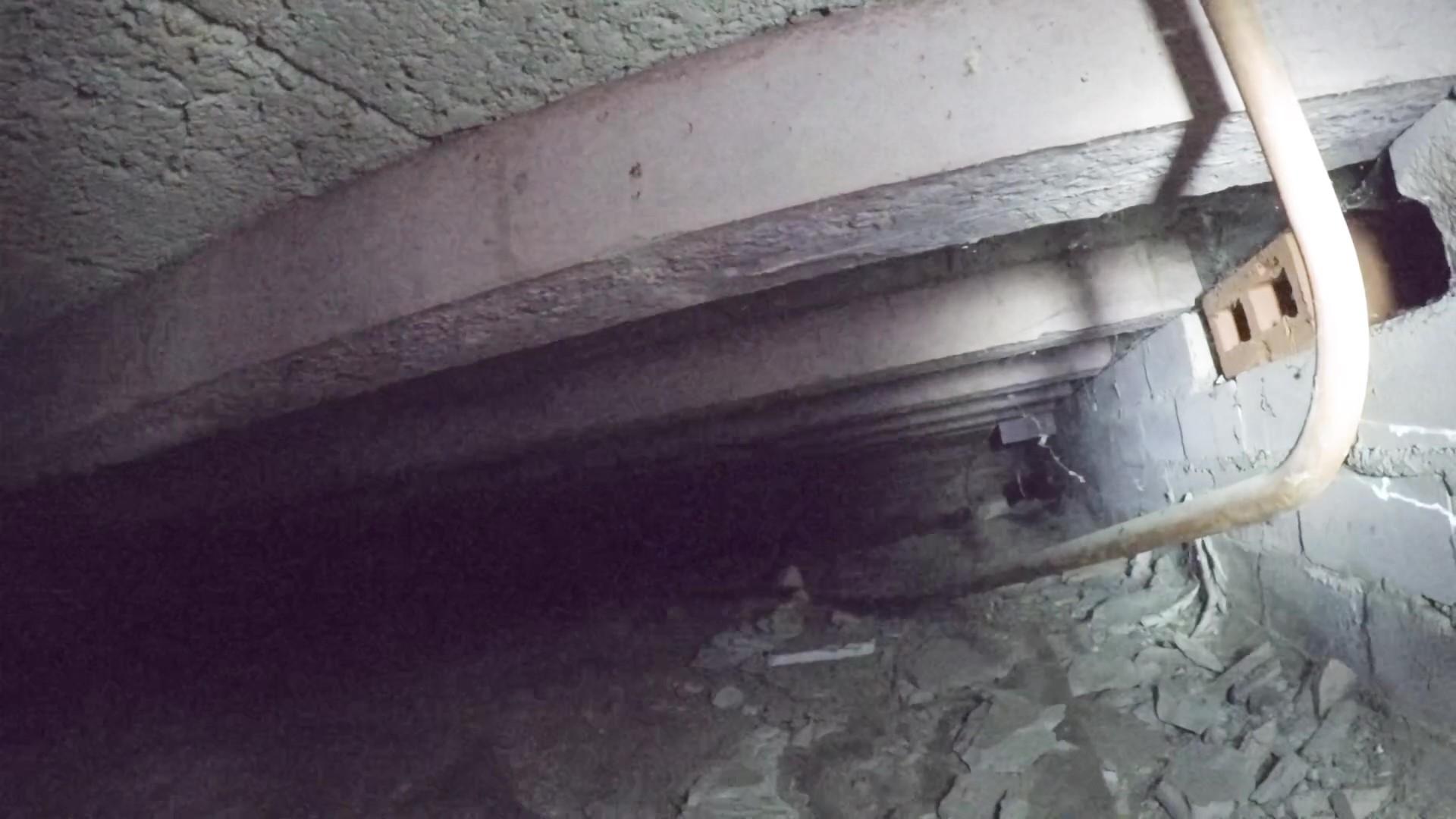
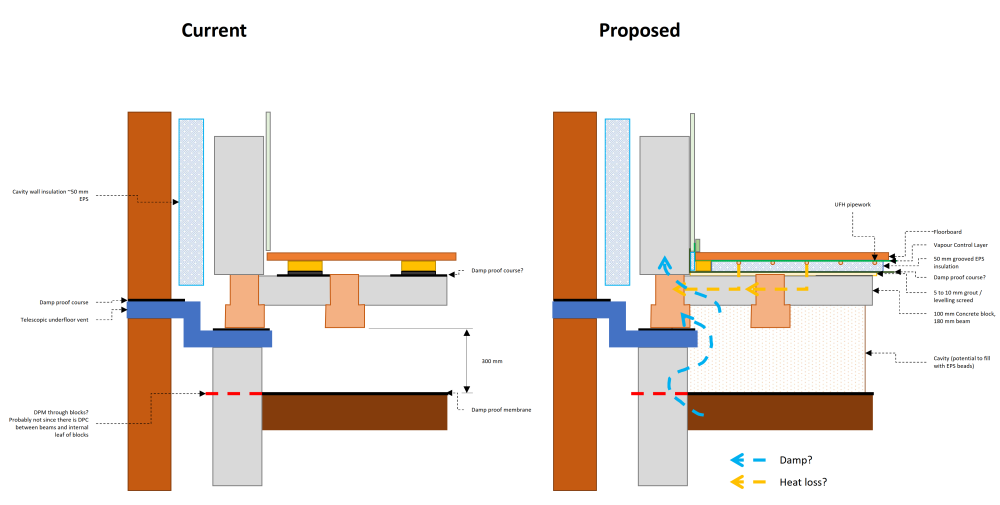
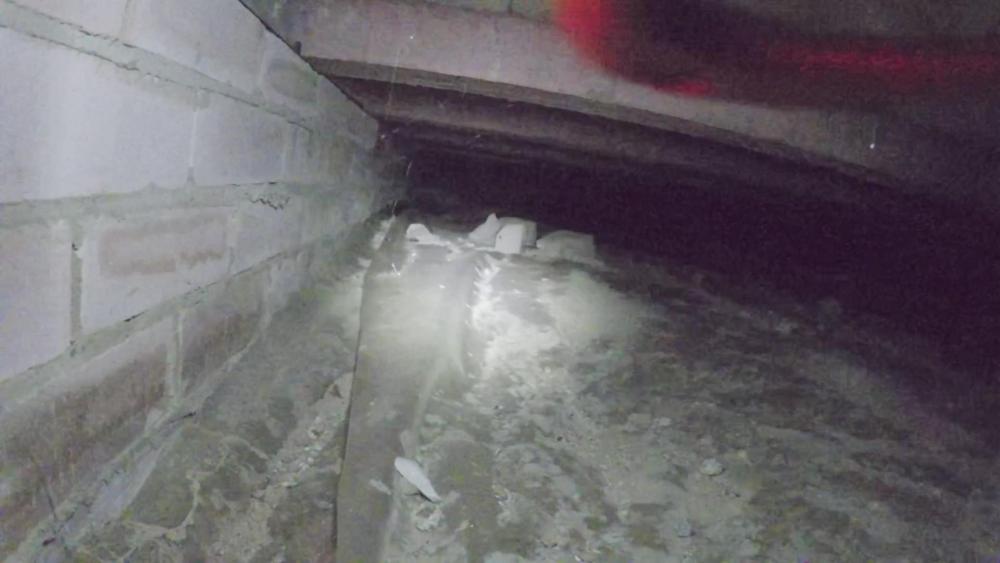
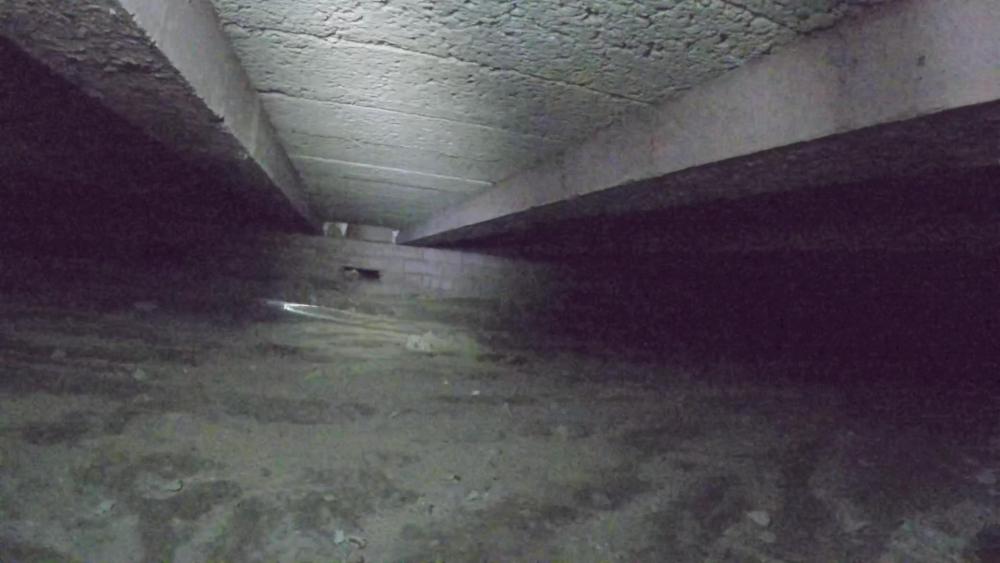
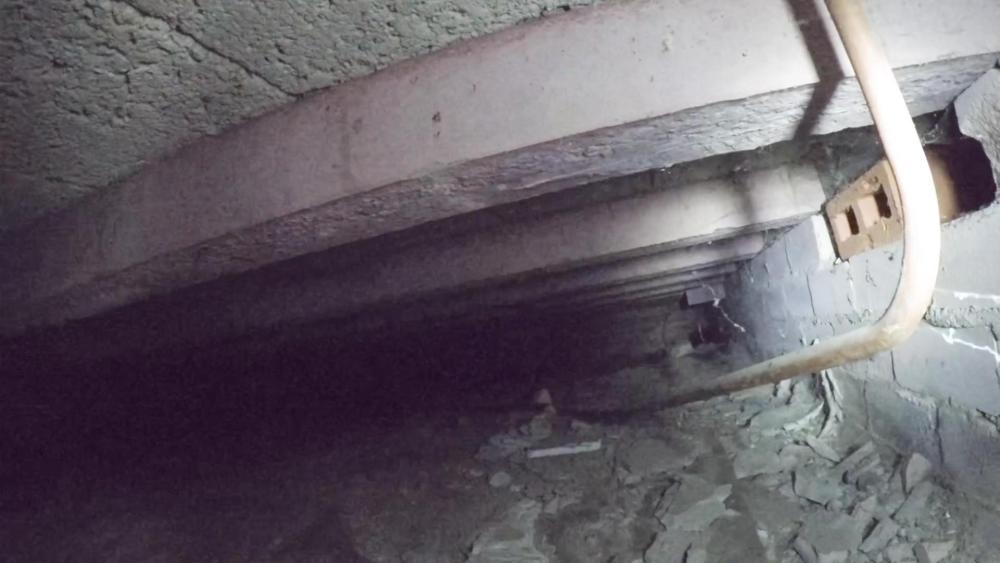
Hi everyone, Looking for some advice on insulating the cavity of an existing beam and block sub floor. Our property was originally built ~1990 and is located in Edinburgh, Scotland. I’ve included a sketch of the current and proposed arrangements. There is currently no access to the void space. I have managed a limited inspection of the void by fitting a GoPro through a penetration the last owners made in one of the blocks. There is currently a ventilated void of 300 to 380 mm (depending on interface with beams) beneath the subfloor. The ground is covered in what looks like a transparent damp proof membrane. I can’t see for definite how the membrane is terminated, so I’m not sure if it is simply loose around the edge of the block work, or whether it continues through the course of inner block work. There is no vegetation etc present, and everything in the void looks dry. Upon inspecting the outer leaf of brickwork, I have found evidence of a damp proof course immediately above the telescopic underfloor vents. I’ve identified the Super Bead system by Energy Store that we may be able to install to effectively insulate this void. The installer would pump EPS beads into the cavity in the same way as is done to retrofit cavity wall insulation. We’d manage the installation as part of other building works planned later this year, so are comfortable with installation process and level of disruption. The installation guidelines state that the Damp Proof Membrane (DPM) should continue up the inner leaf and be secured beneath the beam & block floor system. The installer estimates we can achieve a u value of ~0.10 W/m2K, compared to estimate of ~0.49 W/m2K for the current set up. Energy Store Super Bead Beam and Block System Manual: https://source.thenbs.com/literature/energystore-beam-block-system-manual/ureVc5R4tbVEzchxsCNEWs/8hwTa8EYcje93NK8ytqXD1 I’ve read some discussion on this topic before, and would like some opinions on our specific situation: · Given the current arrangement, where is there risk of rising damp? What checks should I be doing to give confidence that this won’t happen? · If there is a risk of rising damp, are there any easy ways to mitigate? · Assuming we can mitigate risk of rising damp, should the telescopic vents be blocked? · I don’t know the detail between the concrete beam and block, and the inner leaf of blockwork. Is it fair to assume any thermal bridging around this perimeter would be insignificant in comparison to the benefit of insulation when compared to current / un-insulated arrangement? Thanks as ever for your input
-
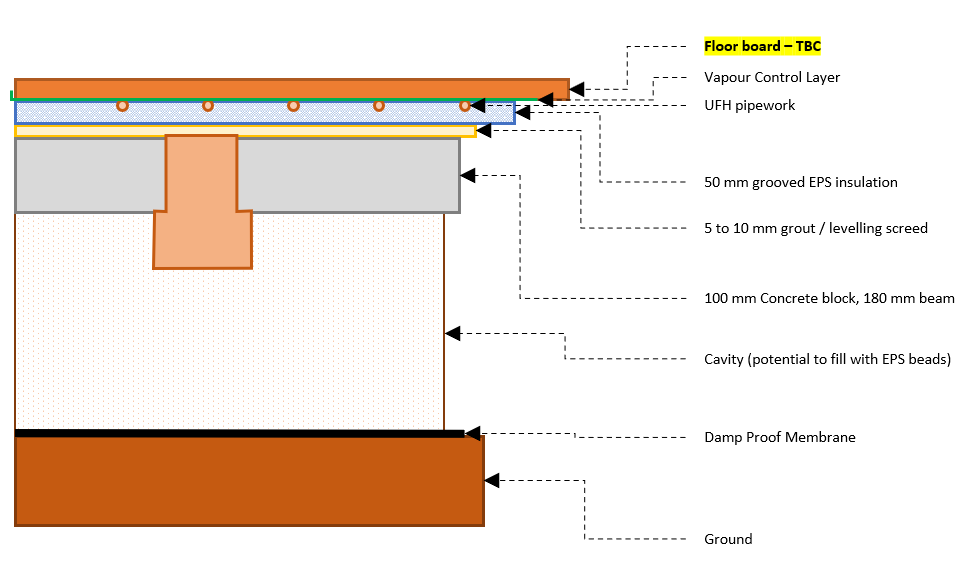
Hi everyone, Looking for some advice on best floorboard to finish our under floor heating system that will be installed across ~70 m2 ground floor. Sketch of floor construction attached. Background: The system is being installed on top of existing beam and block sub floor, constrained to limited stack height. Our property was originally built ~1990 and is located in Edinburgh, Scotland. The UFH will the thermostatically controlled, using hot water generated by air source heat pump & solar thermal panels. Our intention would be to run the system year round, trusting control system to do it’s job. UFH system: https://horstad.com/product-category/ufh-floor-types/eps-overlay-concrete/ The options I am considering: 1) 20 mm Dry Screedboard (e.g. https://www.builderdepot.co.uk/20mm-cellecta-deckfon-screedboard-20-dry-screed-panel-1200mm-x-600mm-4ft-x-2ft) Cost: £37.92 per m2 Thermal resistance: 0.050 m²K/W 2) 18 mm Chipboard (e.g. https://www.builderdepot.co.uk/18mm-p5-moisture-resistant-tongue-groove-chipboard-flooring-2400mm-x-600mm-8ft-x-2ft) Cost: £10.71 per m2 Thermal resistance: 0.105 m²K/W The reasons I’m considering the screed board are: 1) Higher thermal mass, floor would retain heat for longer (and take longer to heat up, but this would be offset by continually running system, and point 2) 2) Lower thermal resistance, spreading heat more consistently and heating up faster when UFH is active. Compared to chipboard, more heat would transfer “up” to the house rather than “down” to the ground in any given time period. Potential concerns: 1) Lower thermal resistance lowers u-value of floor, effectively losing heat faster when UFH is not active. Finished flooring will be as follows: Dining area - LVT Kitchen – LVT (small chance of porcelain tile) Utility – LVT (small chance of porcelain tile) Living room - Carpet Bathroom – Porcelain tile Hallway – LVT Interested to hear experience and advice from anyone who has installed or considered similar. Thanks in advance!