miike
-
Posts
90 -
Joined
-
Last visited
2 Followers

miike's Achievements

Member (3/5)
32
Reputation
-
Whistling through expensive Norrsken front door - Driving me crazy
miike replied to boxrick's topic in Doors & Door Frames
It might not be the Rockwool absorbing sound though. It could be that it's now blocking wind, or if he's lent it against the door, or could be stopping vibration. New suggestion @boxrick, try taping the grooves in the front of the door. I wonder if they're having a similar effect to when you blow on the rim of a glass and get a whistling sound. -
Whistling through expensive Norrsken front door - Driving me crazy
miike replied to boxrick's topic in Doors & Door Frames
Do you have any updates or further clues on the cause? I'm really curious about whats going on here. -
Whistling through expensive Norrsken front door - Driving me crazy
miike replied to boxrick's topic in Doors & Door Frames
How about taping a polythene dust sheet around the door, then blowing a fan from the other side? Does the door feel heavy or light? Can you remove the door handle, or something, to look inside the door? -
Whistling through expensive Norrsken front door - Driving me crazy
miike replied to boxrick's topic in Doors & Door Frames
That's a weird one. I have an aluminium door and it definitely doesn't transmit sound like this. It sounds like air coming in/out of a small gap, which may explain why it goes away when the door is open. Try burning a few matches near the door and see if the smoke gets sucked/blown from anywhere. Do you have MVHR? That could cause negative pressure and a whistling sound from sucking in air through a gap. -
Been to similar before and I found exhibitions with a b2c focus aren't of much value - they're basically just a way for businesses to source customer leads who are willing to pay £££. B2B exhibitions tend to be more useful as you can source direct from manufacturers at better prices.
-
Selling 1 plot is less work than selling 2 plots, is probably the main thought process of the previous owner.
-
If you have pp for 2 houses, 2 acres, and a tight budget, why not sell part of the plot with pp for 1 house to help fund your build?
-
Big money on eco upgrades for a 8 point DROP on SAP
miike replied to miike's topic in General Self Build & DIY Discussion
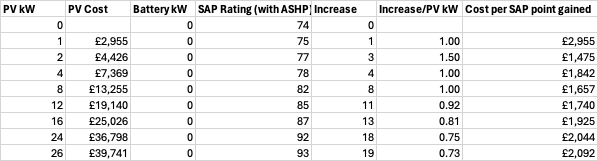
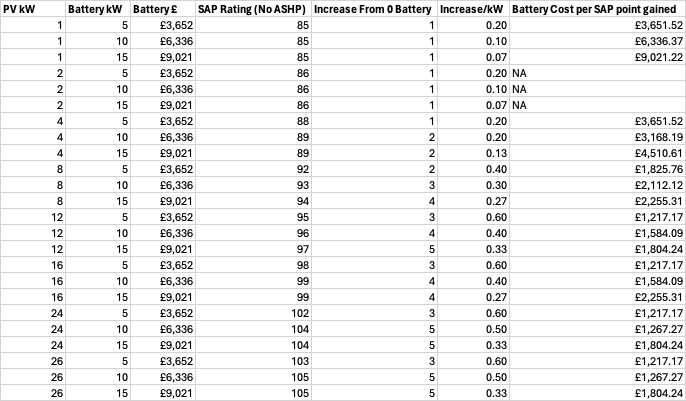
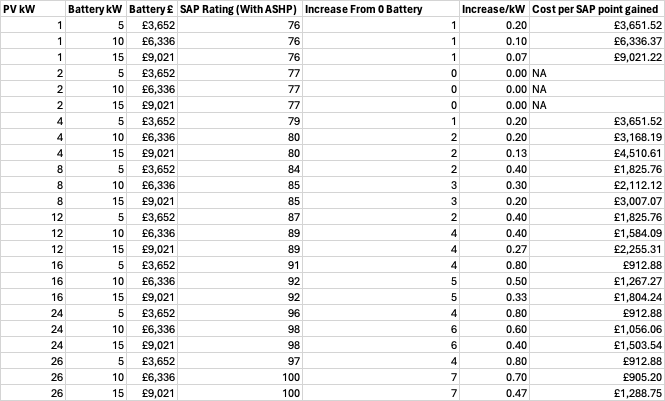
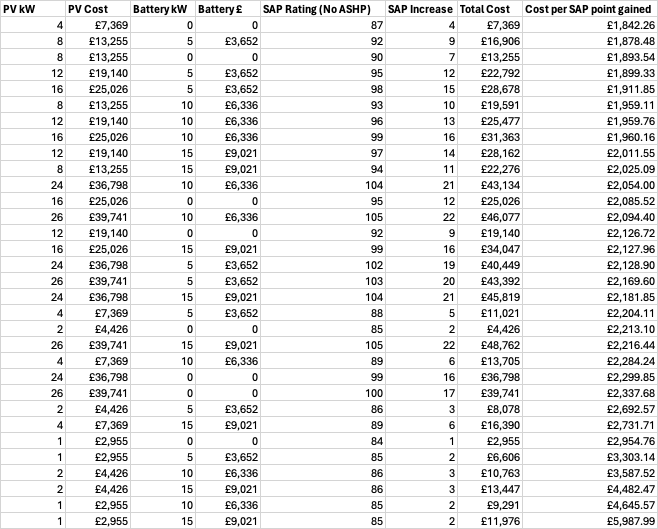
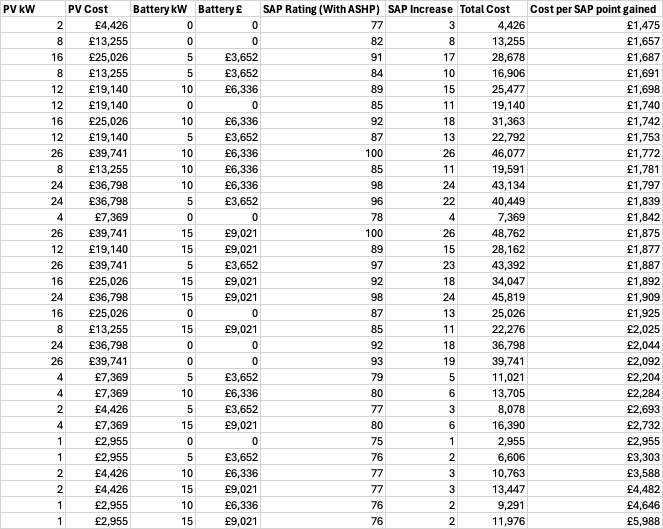
I spent some time putting together the differences battery size makes when paired with different PV systems. It varies quite a lot on the PV kWp and also whether or not you have an ASHP. Figures used for PV/Battery costs are from here 1. This shows the gain from PV with no battery and no ASHP 2. PV, no battery, with ASHP 3. Battery sizes (5, 10 and 15 kW) paired with different PV kWp. No ASHP 4. Battery sizes (5, 10 and 15 kW) paired with different PV kWp. With ASHP 5. Ranked by cheapest cost (total cost of PV + Battery) per SAP point gained. No ASHP 6. Ranked by cheapest cost (total cost of PV + Battery) per SAP point gained. With ASHP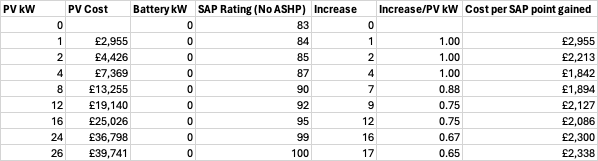
-
Big money on eco upgrades for a 8 point DROP on SAP
miike replied to miike's topic in General Self Build & DIY Discussion
Elmhurst Energy, there's a 14 day free trial here but the actual license fee isn't too bad. I think they took over Stroma, which was who I'd seen recommended here previously. -
Big money on eco upgrades for a 8 point DROP on SAP
miike replied to miike's topic in General Self Build & DIY Discussion
SAP 10.2, it's the latest version used for all post 2022 builds. -
Big money on eco upgrades for a 8 point DROP on SAP
miike replied to miike's topic in General Self Build & DIY Discussion
Yes, took ages copying all the details into the new one before making changes. That 100% isn't for efficiency, it's for percentage of heat i.e. how much of the heating for the house is done by that unit (for situations where you have multiple sources). -
Big money on eco upgrades for a 8 point DROP on SAP
miike replied to miike's topic in General Self Build & DIY Discussion
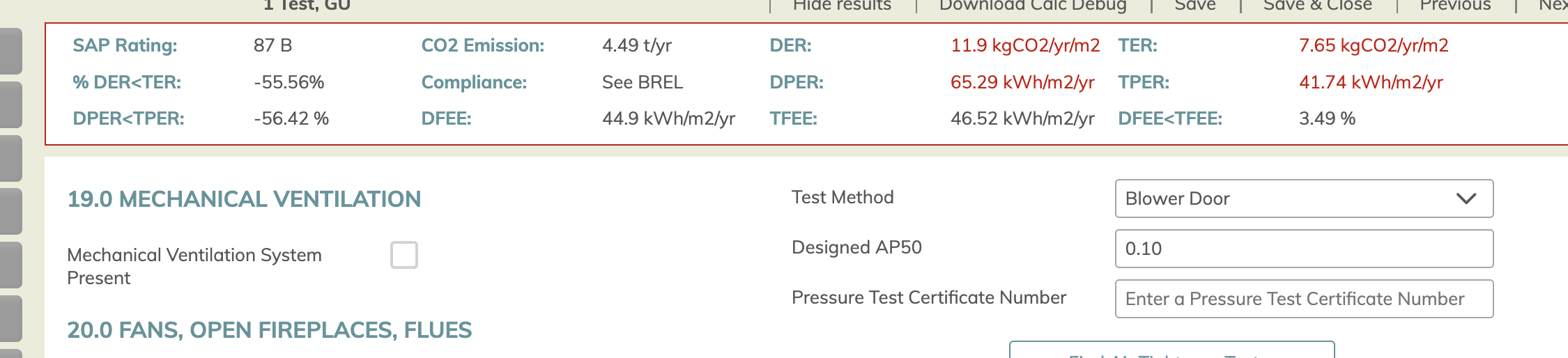
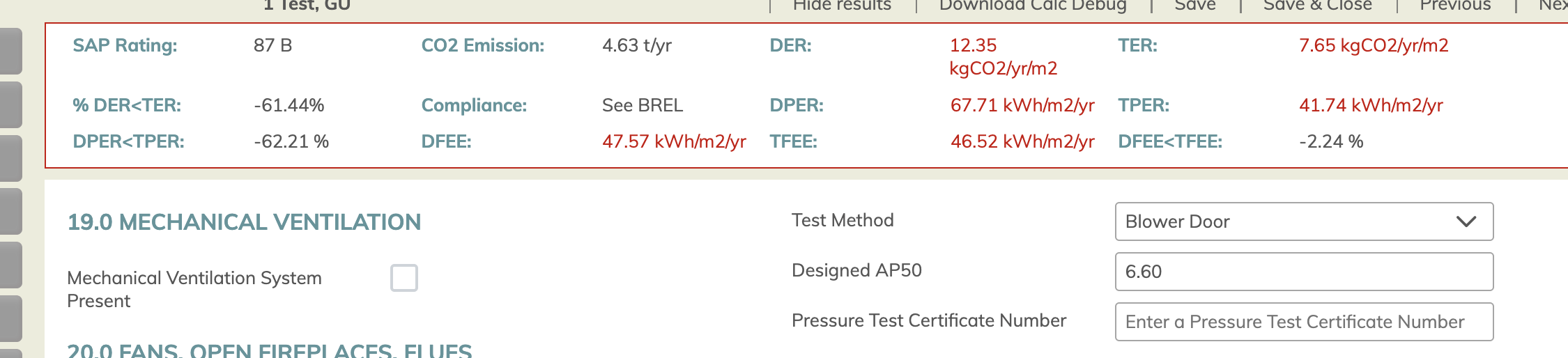
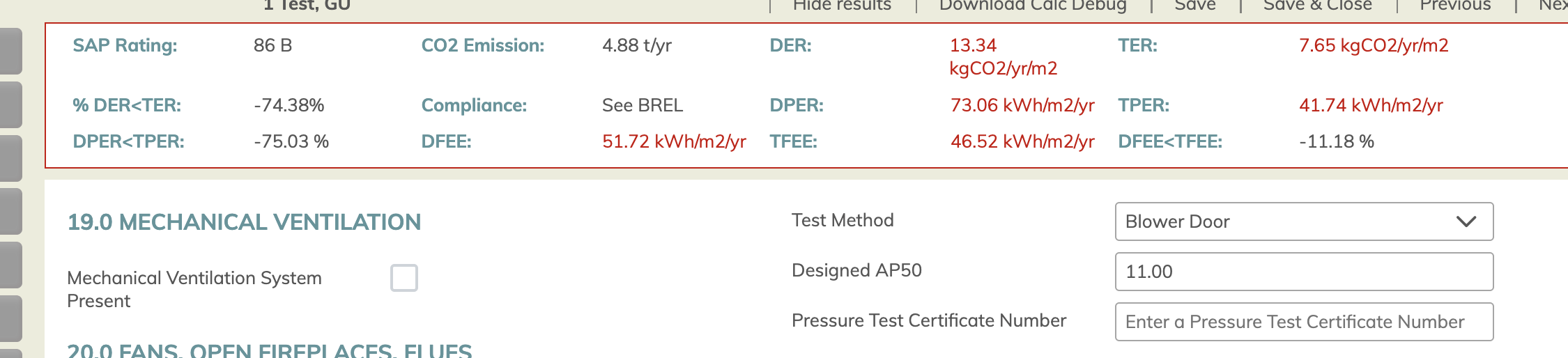
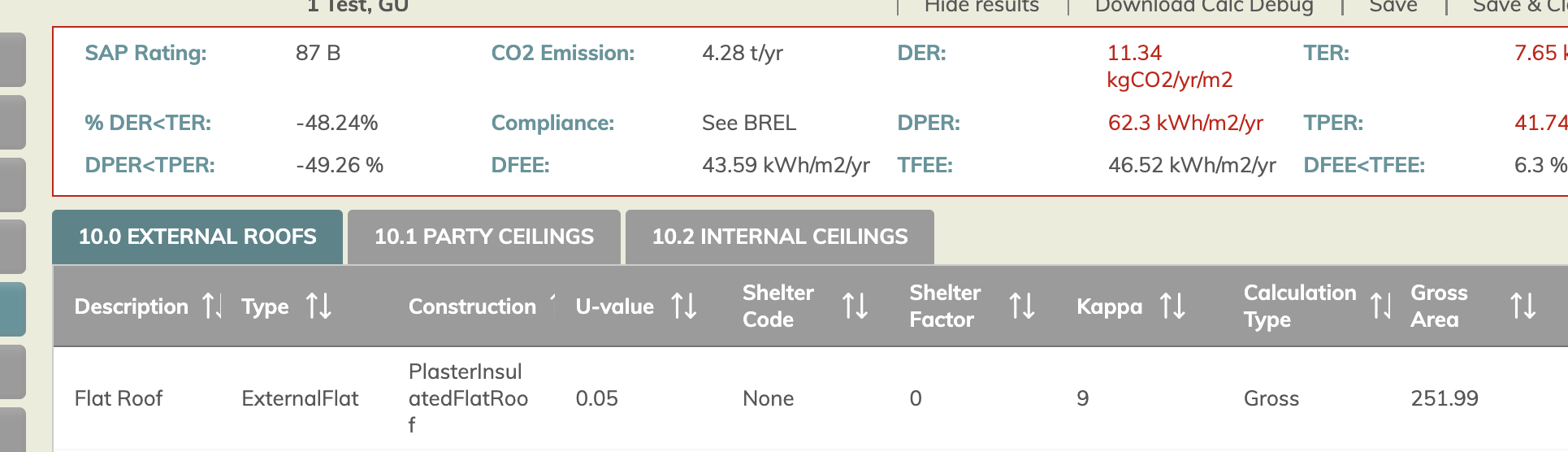
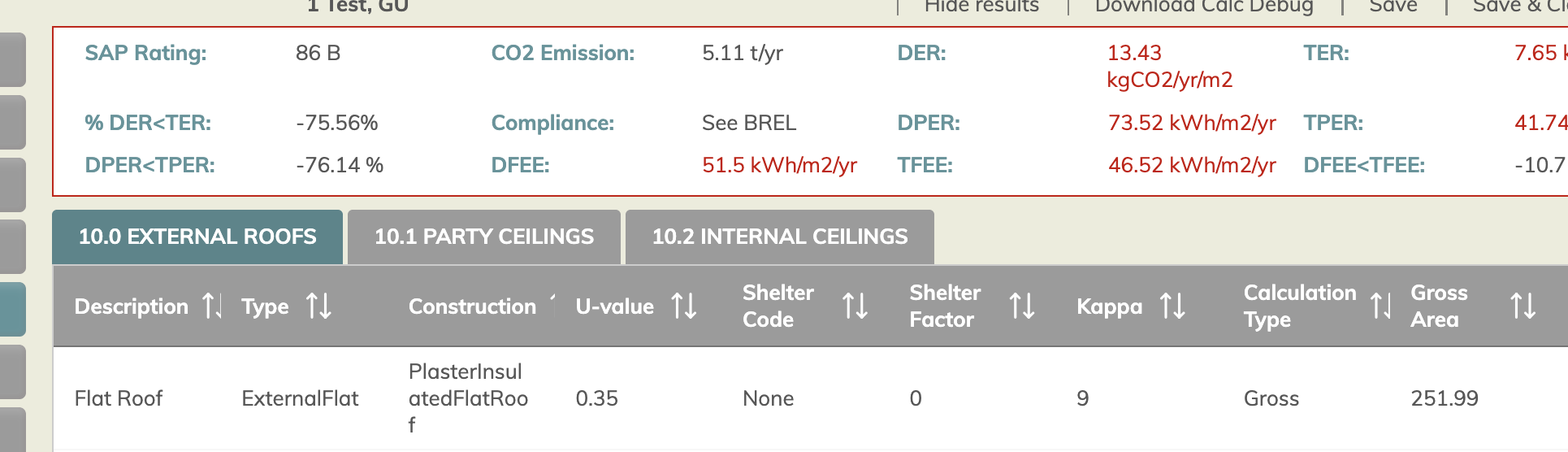
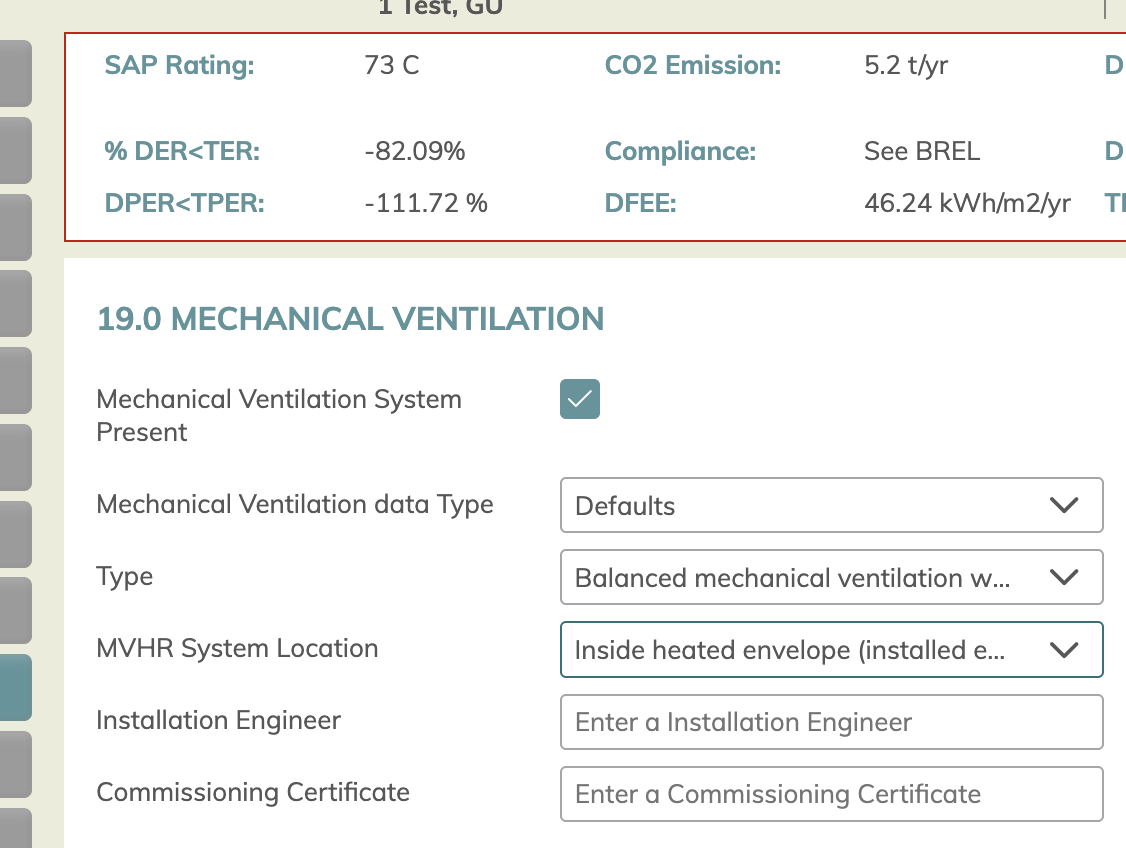
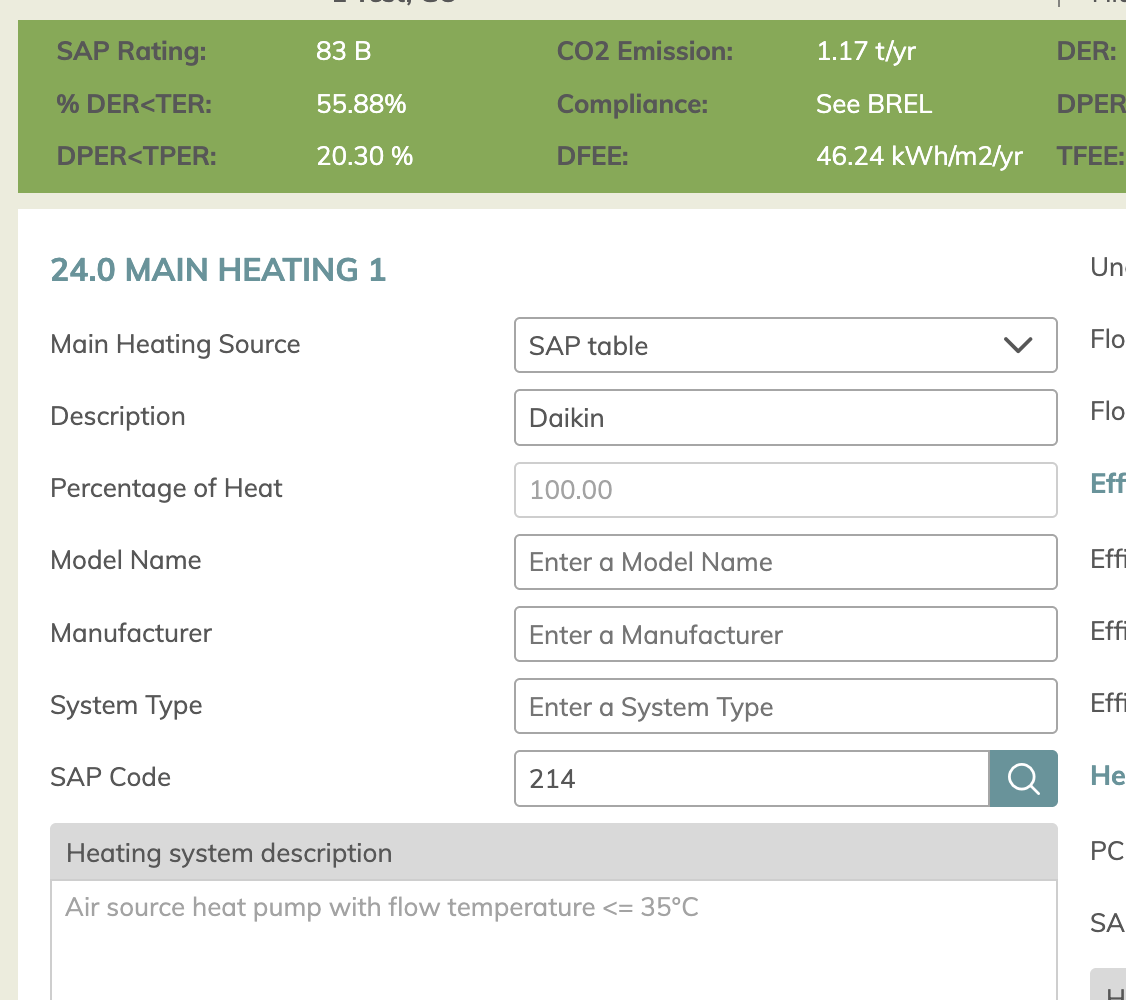
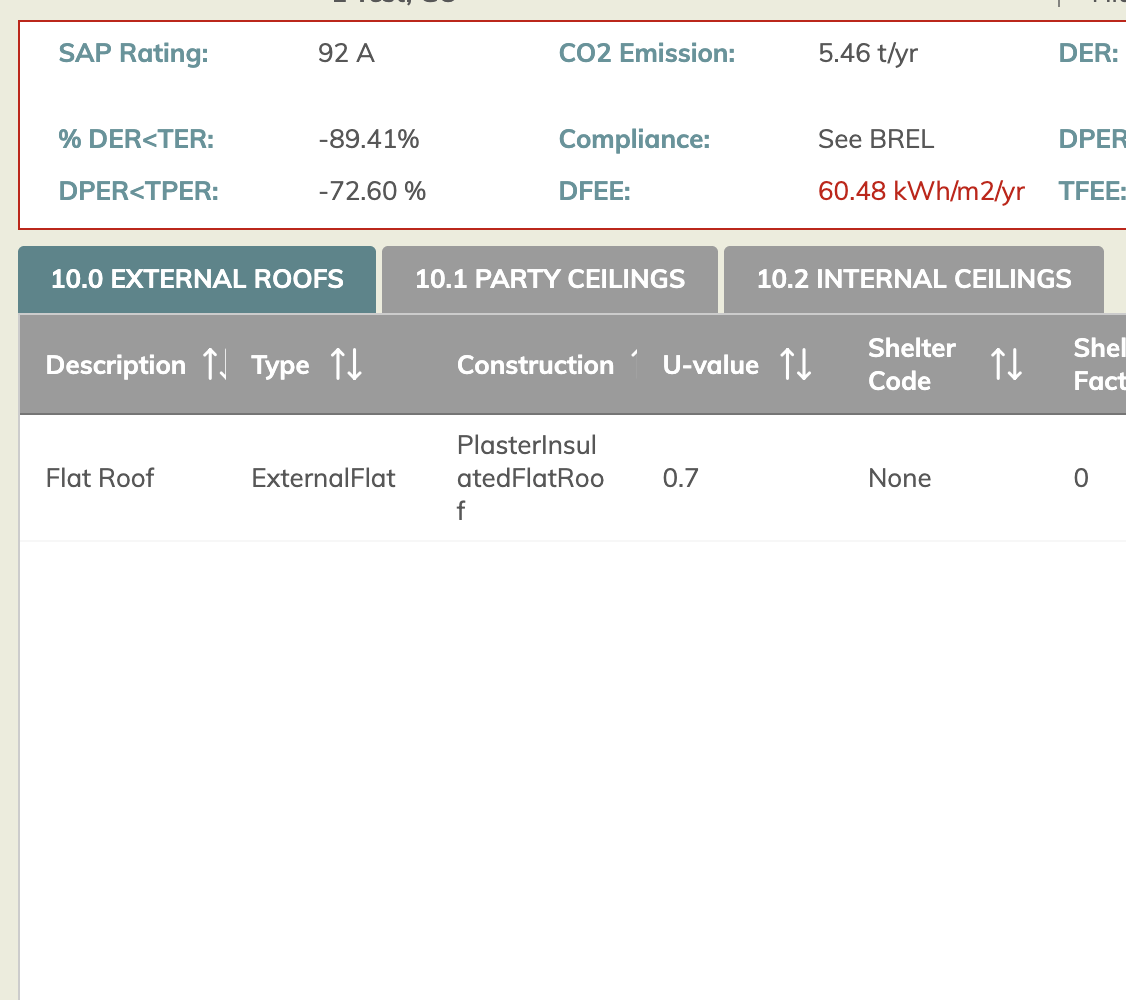
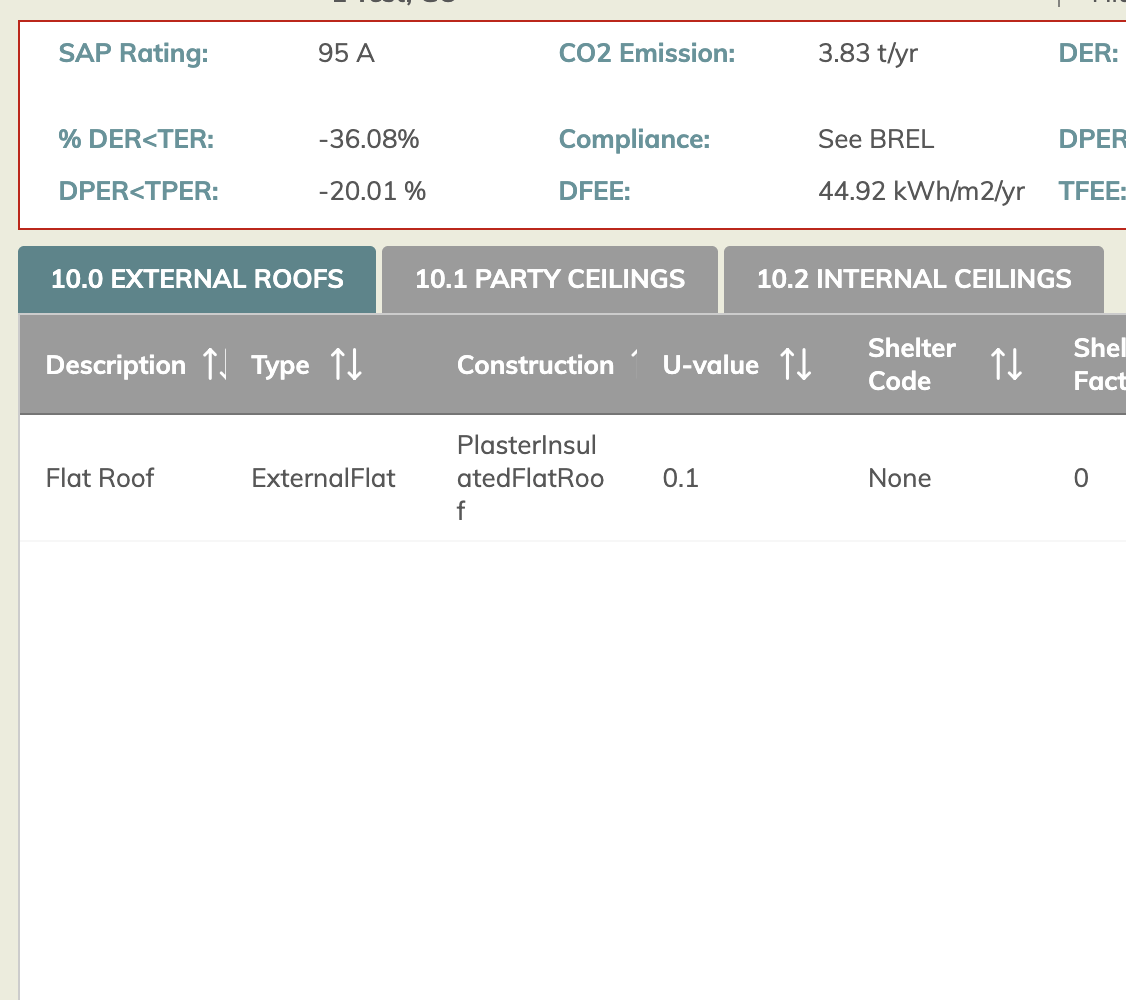
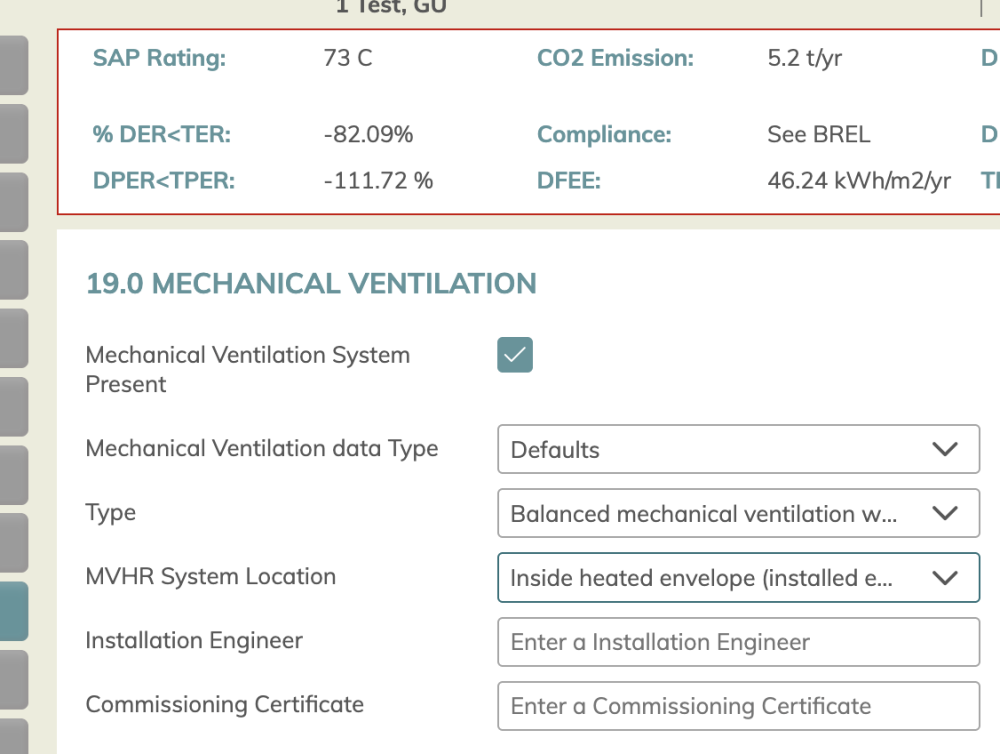
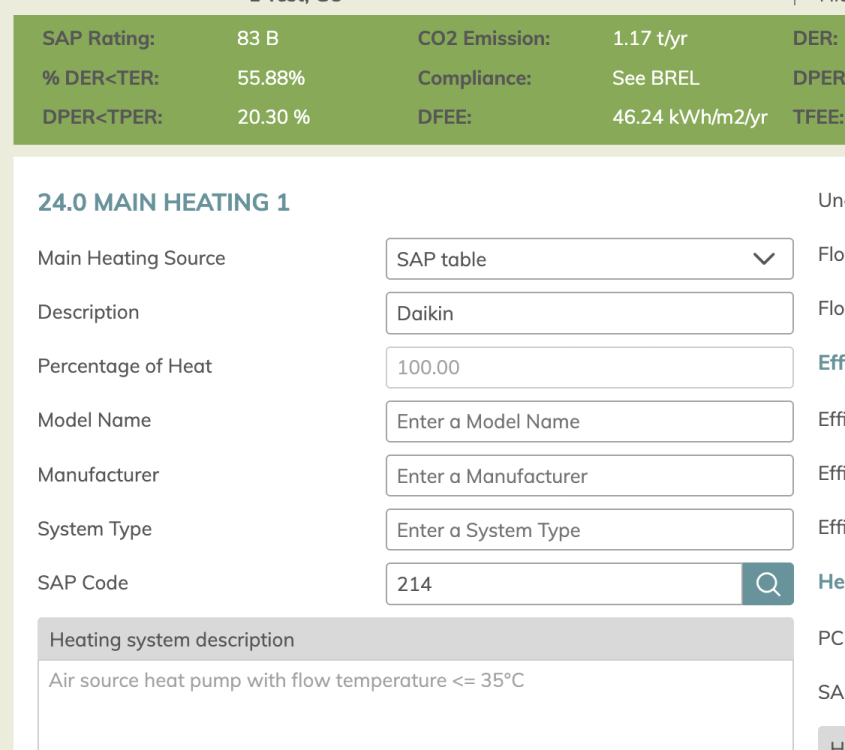
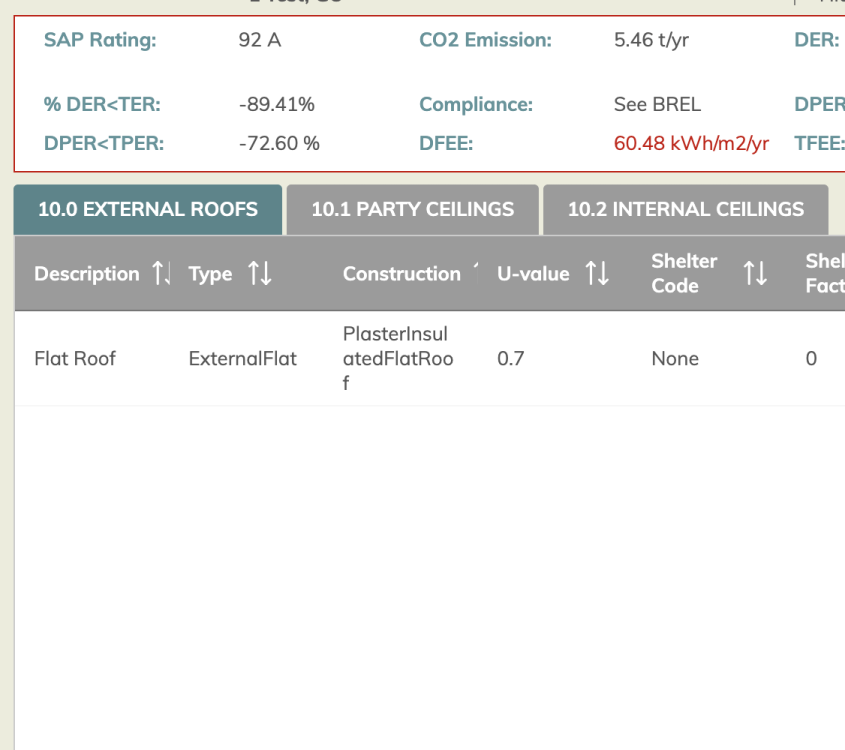
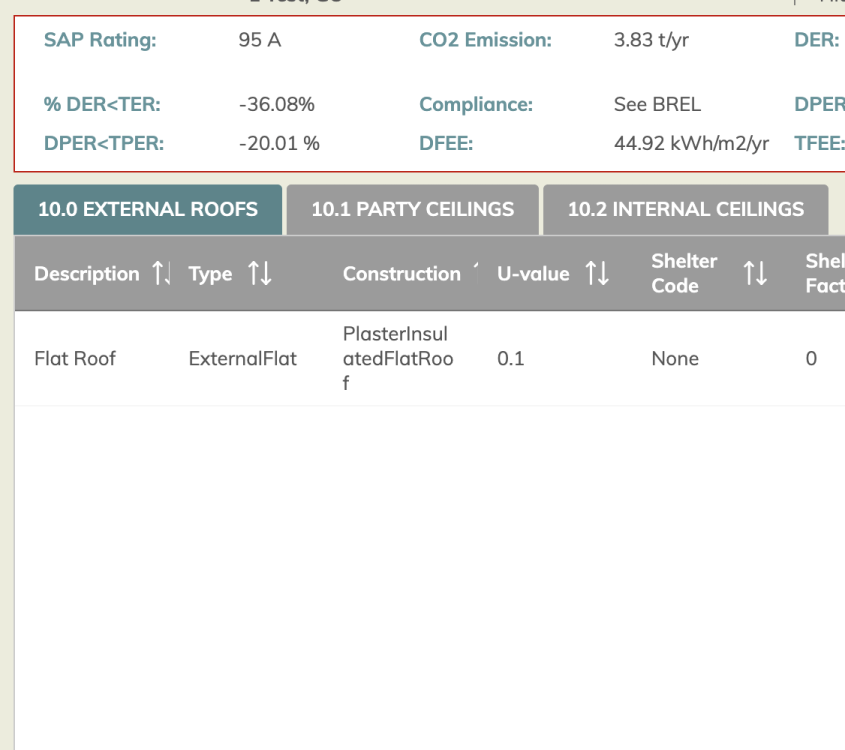
This is all done on the latest SAP 10 standards. I've attached some screenshots showing the score change from making one alteration to the spec, leaving all else the same. I reset the spec to the original before changing a new data field. I start on 87 B with no ASHP or MVHR, 0.15 u for roof and 0.1 u for walls. Air Tightness - no change in score between 6.60 and 0.10 Roof u-value (251m2 gross area) - 1 point change between 0.35 u value and 0.05 Adding MVHR - 5 point reduction to 82 Adding 6kW PV + 12 kWh battery - increase of 8 points to 95 Changes to data but keeping the PV and battery in the spec: Main heating source changed from mains gas to ASHP - 12 point reduction to 83 Flat roof u-value - improving u-value from 0.15 to 0.1 has no effect. Worsening the u-value to 0.7 drops the score by 3 points to 92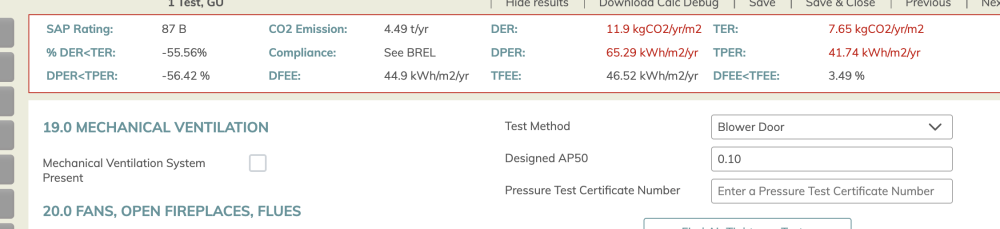
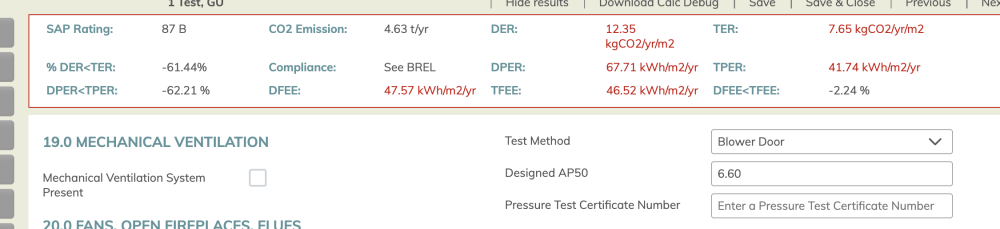
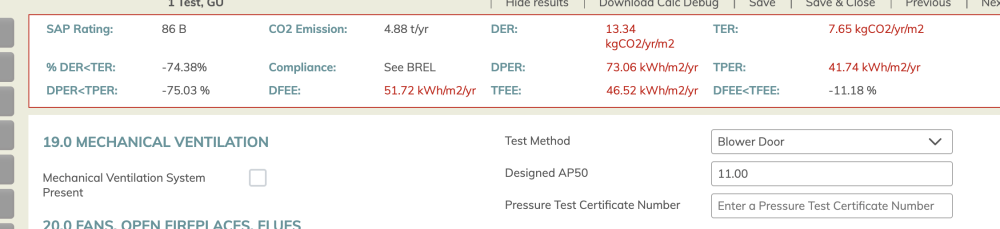
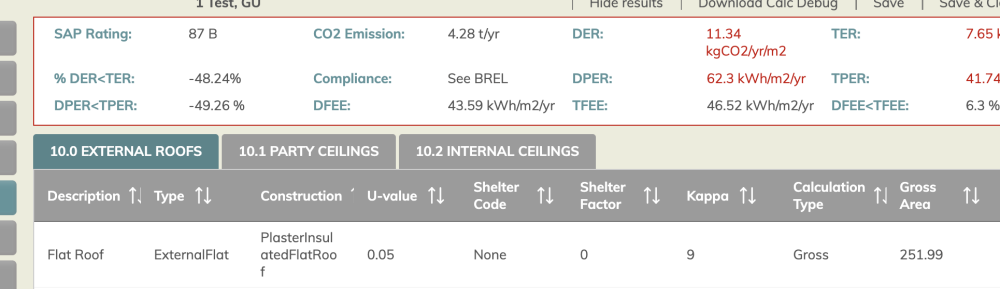
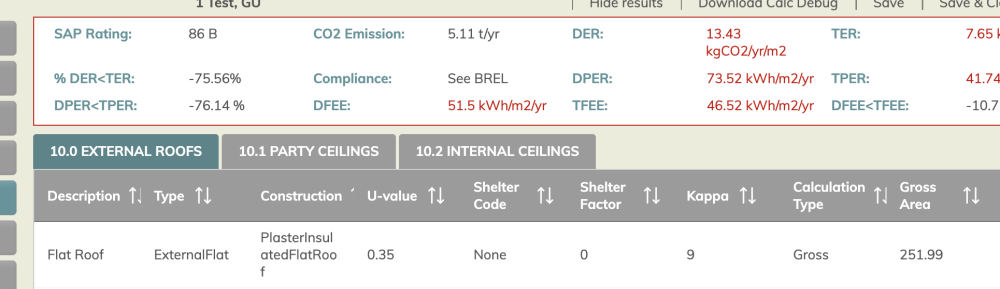
-
My design SAP used a lot of standard assumed data, such as double glazed windows, no MVHR, gas boiler, numerous openings for air extraction etc. It had a score of 87 B. The actual build used significantly more insulation, 3G windows, MVHR, ASHP. The costs of the upgrades would be in the tens of £ks. After submitting all this info, my energy performance was downgraded to a C with an 8 point drop to 79. I thought the assessor must be entering something wrong so I got access to a trial version of SAP assessment program and re-did the info myself. Nope, it somehow actually gave me an even lower score of 73. I removed the MVHR and added vents, changed the ASHP to a mains gas boiler and straight back to 87. I understand how these can drop a SAP score because it focuses on electricity costs and these are electric devices, but it was interesting to see that none of the other improvements moved the needle by a single point. Out of curiosity, I started playing with some of the data and gave it an air tightness score of just above 0 and boosted the u-values of all the materials - I managed to get 1 additional point. The only thing that made any real difference was adding PV and a battery, which took it from between 93 to 100, depending on the kWh inputted. The lesson seems to be, if you want an A rating, is to keep everything standard, no 'eco' heating or ventilation systems, minimum insulation for building regs, and then just add a bit of PV. Might be useful for anyone needing to qualify for an Ecology mortgage.
-
Using PIR boards to backfill garden path
miike posted a topic in General Self Build & DIY Discussion
I've got a lot of left over PIR insulation boards, enough to fill a 12 yard skip, and have being trying to think of a possible way they could be used instead of paying £500 to just bin them. They're an awkward mix of sizes, tapered, and cuts, so selling them would be tough. At the same time, I have a sloping garden path which needs c400mm of backfilling. The ground is sandstone. Would there be anything problematic about laying some of the boards down first, prior to filling with the remaining aggregates? It would halve the amount of aggregates I'd then need to use. I've heard of people using PIR boards under soil in planters, to insulate the plants during the winter, so I assume they have some garden utility. -
Is the grant valid if you buy a preowned ASHP?
miike replied to miike's topic in Air Source Heat Pumps (ASHP)
It's a full new build, so no existing heating system. It's also reasonably well insulated - I've been monitoring the internal temperature and it seems to lose 1C overnight, with a 10C difference in external temperatures. The issue I have is size - it's c5500 sqft. Hybrid system is an interesting suggestion, I've already connected gas so could definitely be an option. I'll have a look into that.