AJC
-
Posts
4 -
Joined
-
Last visited
AJC's Achievements

New Member (2/5)
0
Reputation
-
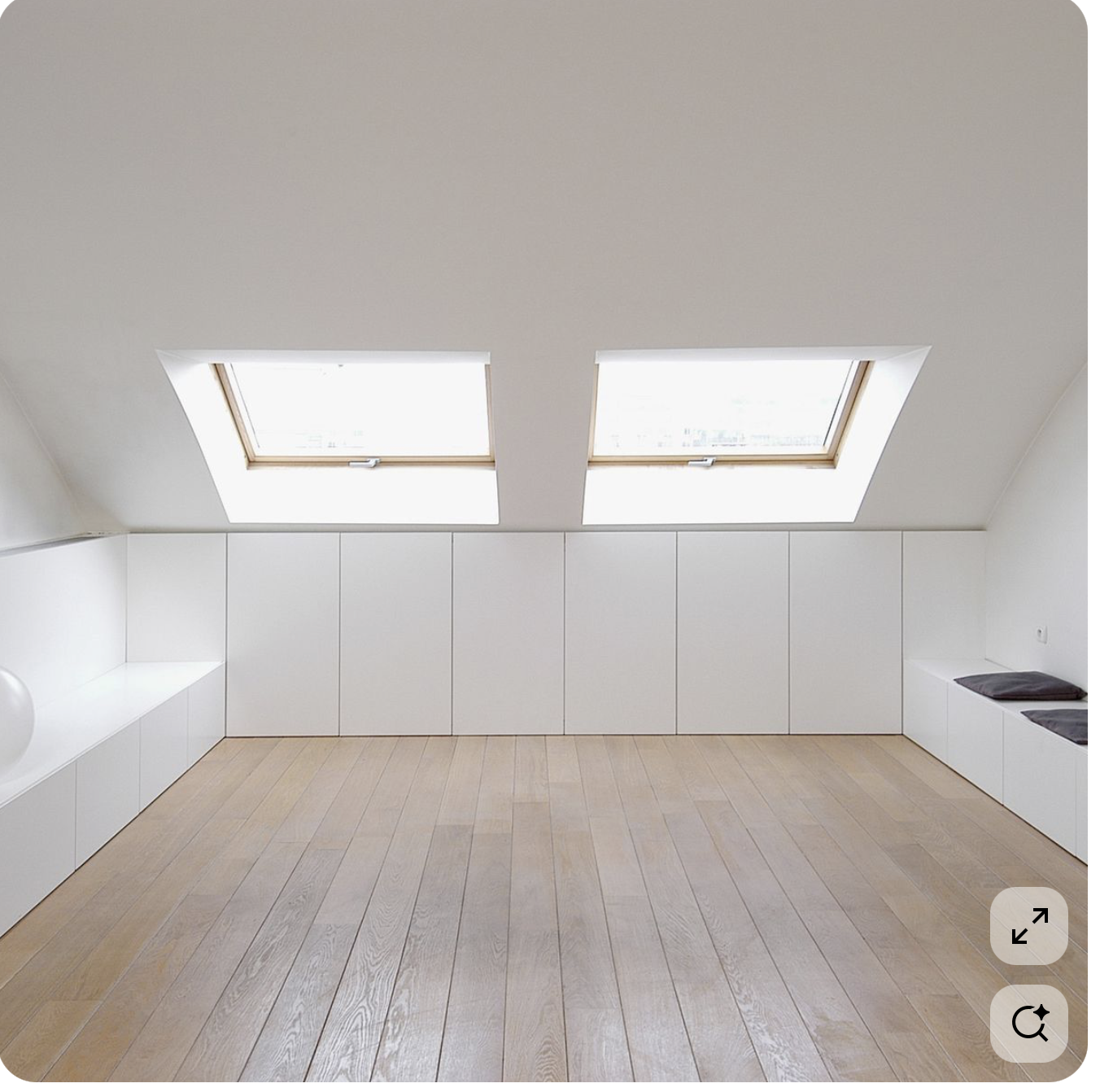
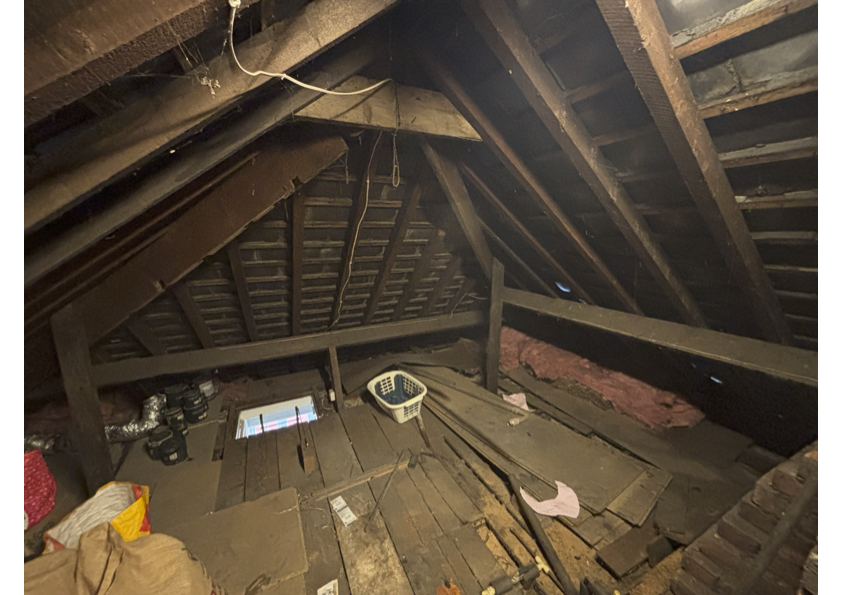
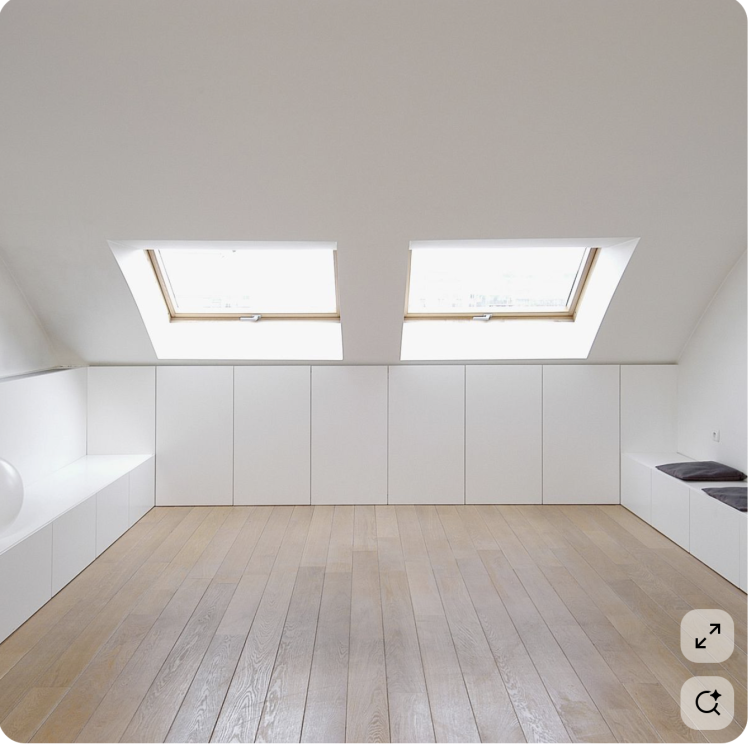
Hello I'd like to make better use of the loft space in a semidetached 4 bedroom house, built 1906. Objectives are to: 1. Create a better insulated "warm loft" space 2. Improve access with larger loft hatch and e.g. foldable loft ladder 3. Velux windows 4. Remain within existing roofline with no plans for dormer extension 5. Include built in storage/cabinetry and overall result to resemble something like the screen shot below. 6. Would be used for storage and perhaps as a hobby/exercise space, to house an exercise bike and rowing machine etc. We don't want to pursue a formal dormer loft conversion, as feel the expense will not add sufficient value to the house. We're also likely to move within next 5 years. I'm aware that this means the space will not be considered habitable and could not be considered an extra bedroom etc. Initial advice conflicts and I'd be grateful for guidance. A reputable structural engineer advises that for a modest loft conversion such as this timber reinforcement of existing ceiling joists is sufficient. Subsequently, any builder I ask to quote advises that formal input from an architect & structural engineer is necessary. Grateful for any advice! Thanks, Anthony
-
Thank you all. On balance I suspect the damp issues do in fact relate to condensation. The vast majority of affected areas are not sun exposed and, given the house is unoccupied over winter, I suspect lack of ventilation/heating/humidity-management is the issue. While the property is wind and rain exposed, so is the entire West Irish Atlantic coast so I guess I shouldn't read too much into that. A reputable local company has surveyed and estimated a reasonable price to insulate the loft/eaves space of this dormer bungalow. All elevations have a 3 inch cavity for which they recommend Envirobead, a bonded bead product. Again this seems a reasonable suggestion; the product is government grant-scheme recognized and the surveyor recommends retrofitting trickle vents to the double glazing to ensure the property can breathe. 1. Is there anything else I should consider? 2. Other than water ingress, what other problems with bonded bead CWI might I ask about? Thanks!
-
Hello! I'm slowly updating a property in Ireland which was built in 1976. Situated on the North-west Atlantic coast it is very rain and wind exposed. There are some areas that suggest damp ingress but could potentially also relate to the property being infrequently lived in and left unheated/unoccupied over winter months. Is there any type of cavity wall insulation that can safely be considered in this context? Thanks, Anthony
-
Hi there, I'm already finding this forum a great resource so fingers crossed for more great advice! I intend to renovate a detached 4 bedroom property on coast of Co. Donegal, Ireland. Built in the 1960s, it had double glazing fitted (luxury!) about 5 years ago but no other modifications or improvements. It's a little cold and damp; central "heating" is from the original oil fired heat burner via ineffective radiators. Original electrics. Priority tasks likely to be rewire, insulate and then air-to-water heat pump for heating and domestic hot water. We plan wood-burning stoves in kitchen and front room/lounge to occasionally supplement heating and for a cosy atmosphere. Specific query currently would be "Does this project qualify for grants from the Irish Government, given the property is not a primary residence and we do not primarily reside in Ireland?" Thanks 👍