Andy-T
-
Posts
5 -
Joined
-
Last visited
Andy-T's Achievements

New Member (2/5)
0
Reputation
-
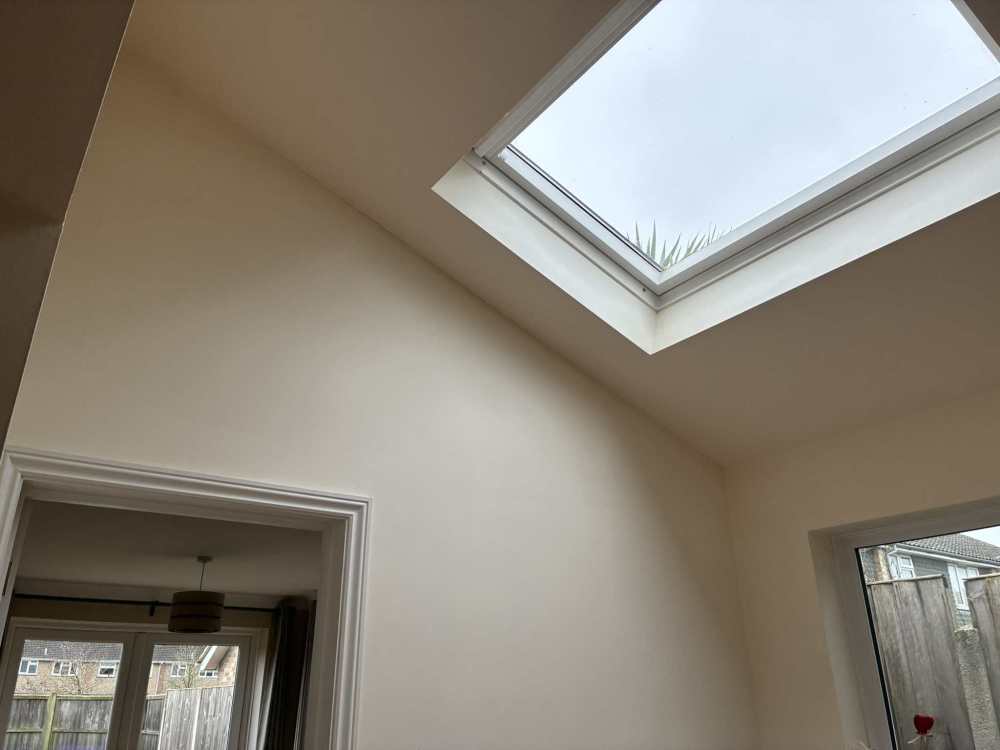
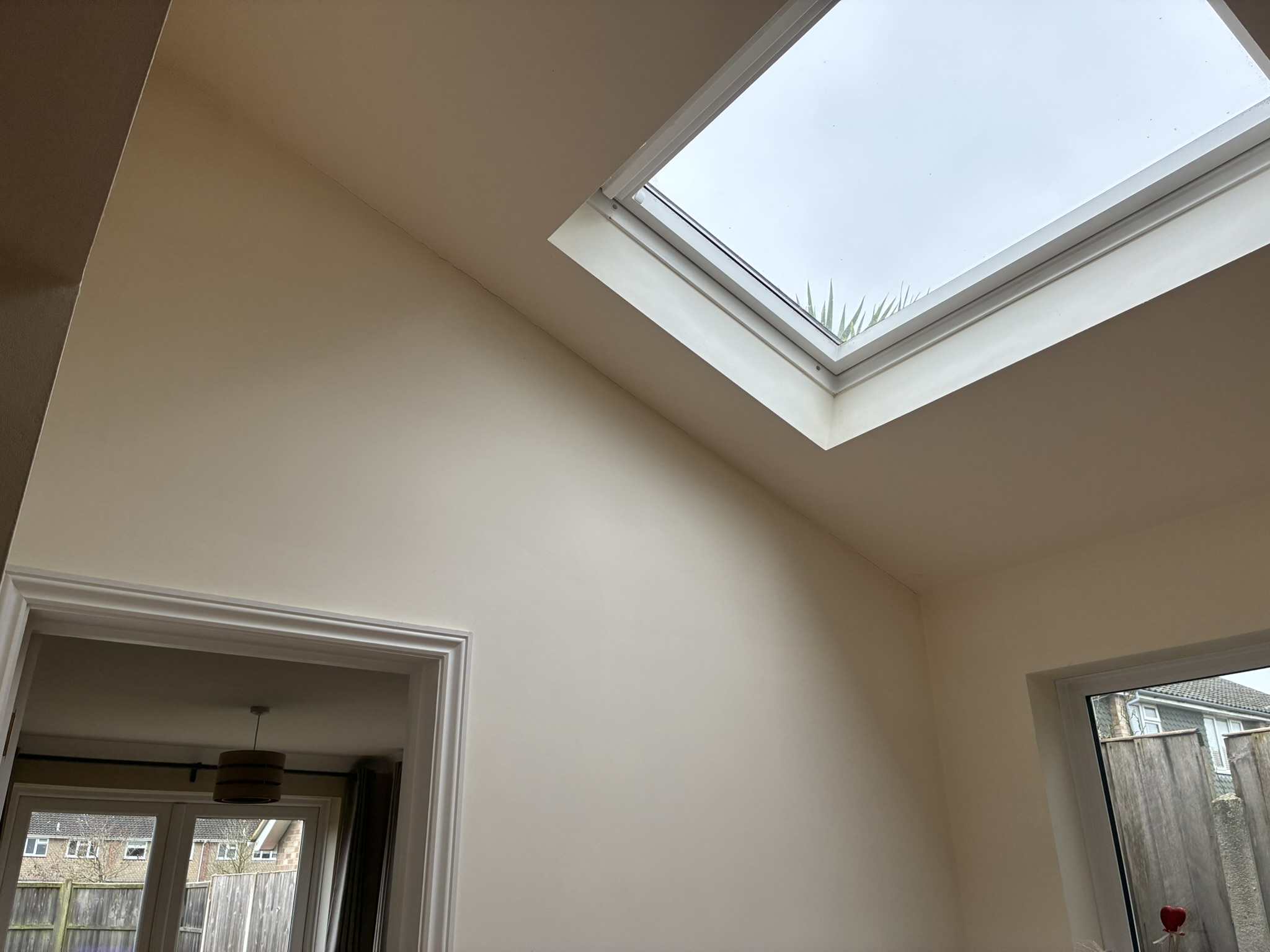
There's a bit of a hairline crack in the plaster join where the wall meets the ceiling, but we've not had any problems with mould as yet. Perhaps just shadows and a bit of jpg compression in my hastily taken photo.
-
No, it's just a normal flat ceiling, with no hatch sadly. I'm assuming there's a basic level of insulation above the lounge ceiling (whatever was required by building regs at the time) but what should they have done the other (cold) side of that wall?
-
Thanks both, as Nick says, I can see roof tiles needing to come off to assess this properly. Is there a reputable trade body for builders/installers who assess and retrofit insulation in this sort of scenario? I want to get the external cavity walls assessed too, as I think that was bodged when we had it done as part of a grant about 20 years ago (which I gather was very much par for the course back then). But I'm guessing the businesses that would assess/fix cavity wall insulation wouldn't necessarily be the same as would do this sort of remedial work to internal walls etc.
-
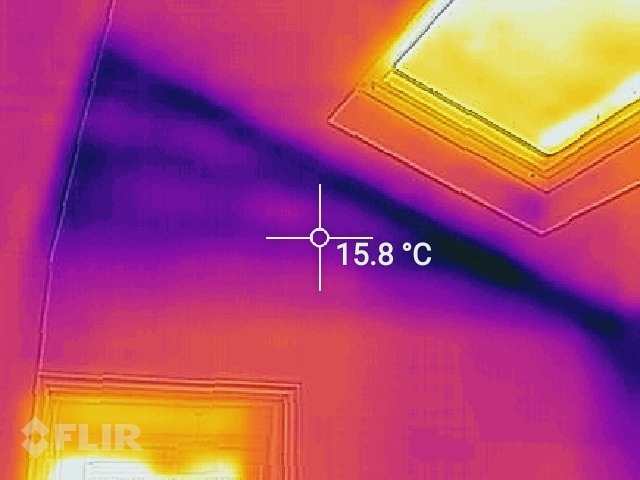
Thanks Nick, that's great. What would I be looking to find out/establish? The wall is dot and dab both sides I think (same as the external walls of the extension), and from that thermal image it almost looks to me (admitedly clueless) like they extended the internal wall with breeze blocks or similar? If so, what would some possible remedies be? Do you reckon it'd be possible/advantageous to lower the kitchen ceiling so it's flat (like the lounge behind), so that it can take more insulation? Or would the Velux make that pointless or too complex? And should the existing dot and dab inside the extension come off, and be redone in a more insulated/draughtproof way? I'm guessing you can't just fill behind the plasterboad very well without it all coming off?
-
Hi all, First time poster, long time lurker. 😊 Our 3 bed detached house (built in 1970) has always been hard to keep warm, it seems to lose heat pretty quickly, particularly downstairs. I think we have a few issues to tackle (insufficient/poorly located rads, poor insulation, maybe some thermal tenting etc.). We're looking to come up with a list to tackle as part of some general refurbishment works. As I say, by far the coldest part of the house is downstairs, particularly at the back of the property which is a single story extension. This extension is to the kitchen and the lounge (kind of adding a dining room space). When the extension was originally done (by the previous owner) it was left as a flat roof. However, we replaced this with a proper tiled pitched roof about 18 years ago. We wanted to retain a flat ceiling in the dining room (to fit in with the lounge) but went with a vaulted ceiling with a Velux in the kitchen (as we wanted to improve light in what was a very dark kitchen). One of the things I want to understand is the extent to which this choice might be contributing to the heatloss from the kitchen (where it's so cold). I suspect the Velux isn't helping, but my concern is how the wall dividing the extension looks on a thermal camera. I'm sure the builders insulated above the ceiling in the lounge and the kitchen, but I suspect this wall between is losing a lot of heat to the cold roof above the lounge. Interested in what people would do to investigate/fix this? Should we consider lowering the ceiling in the kitchen (to match the lounge) and then improve the insulation above the ceiling both sides of the wall? I'm not sure how well that could be done if we look to retain the velux? If it's helpful, whilst it wasn't particularly cold last night outside, Tado says our heating went off at 8:50pm and 2 hours later the temperature in the lounge was about a degree cooler. The heatloss is probably worse in the kitchen, but I don't have data for there. Anyway, thanks in advance for any pointers, Andy.T