jc212
-
Posts
16 -
Joined
-
Last visited
jc212's Achievements

Member (3/5)
0
Reputation
-
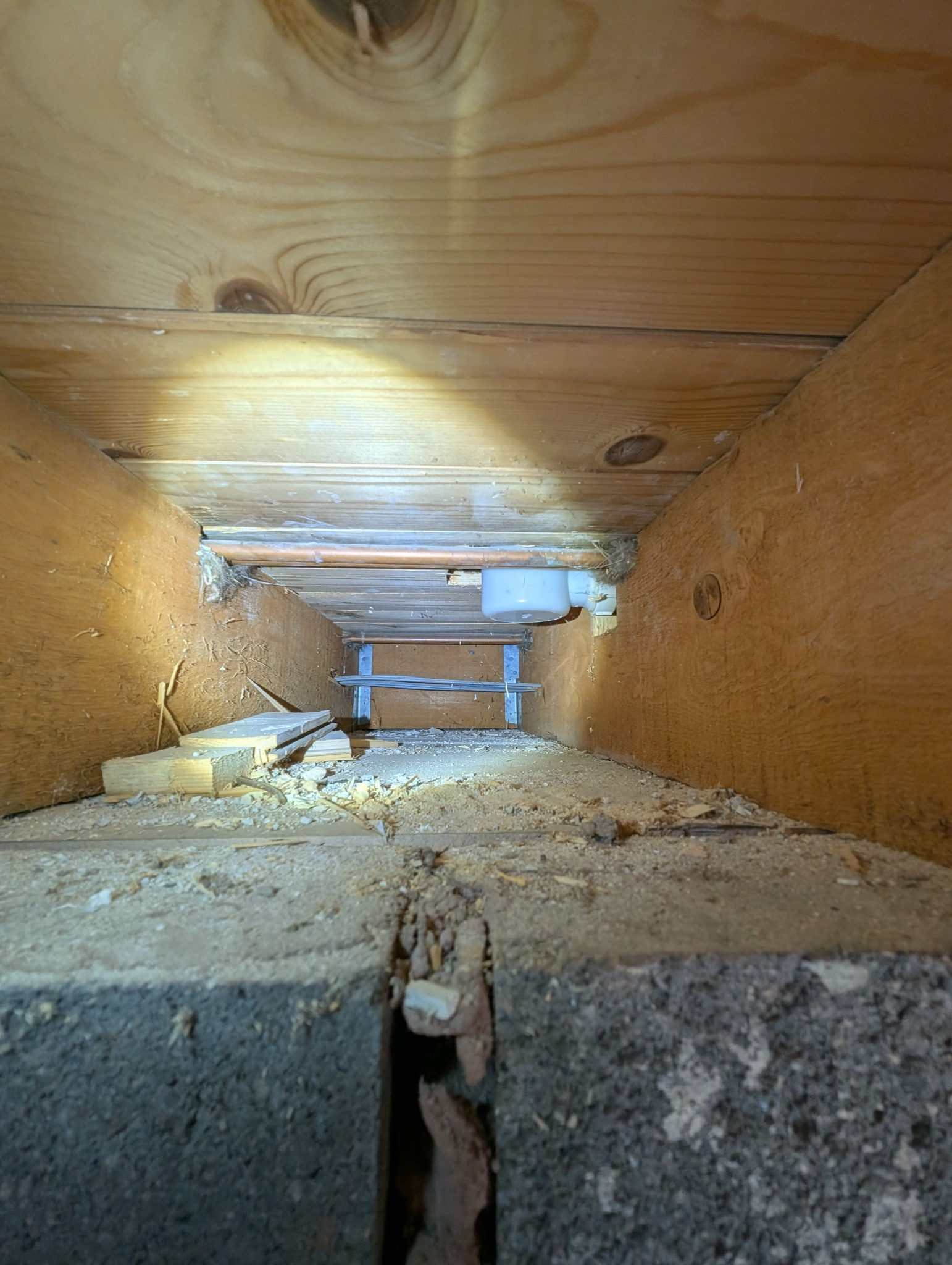
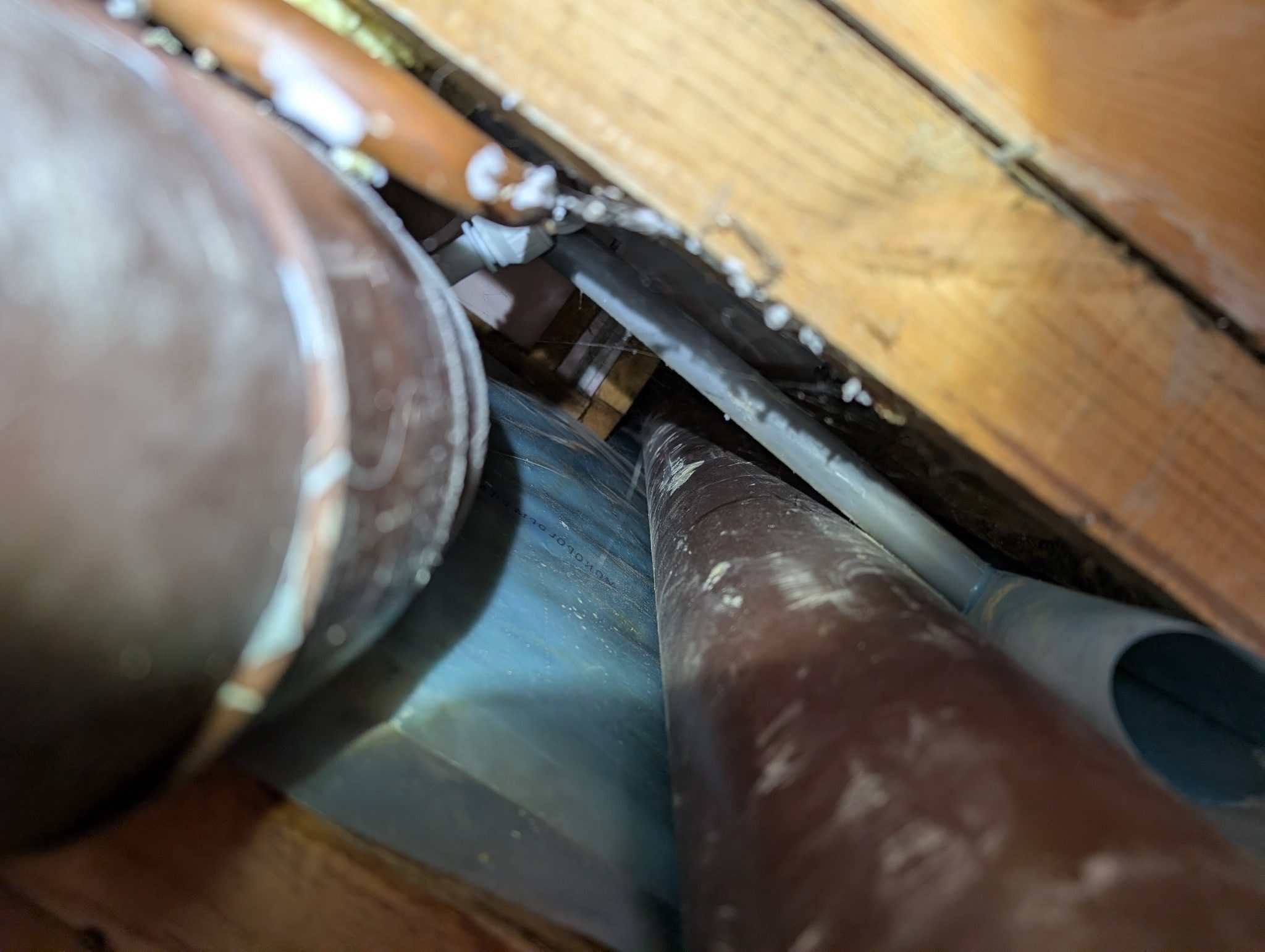
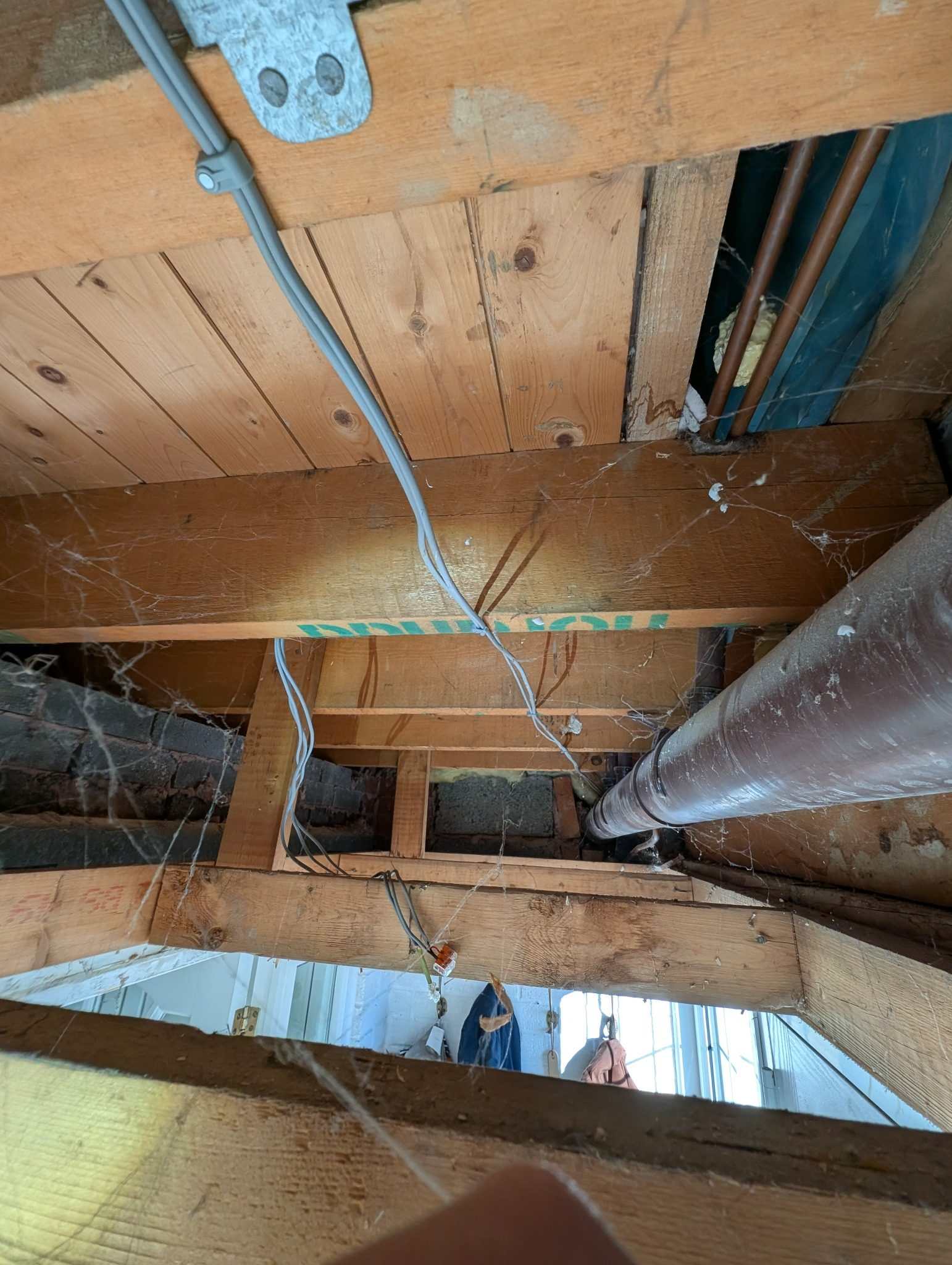
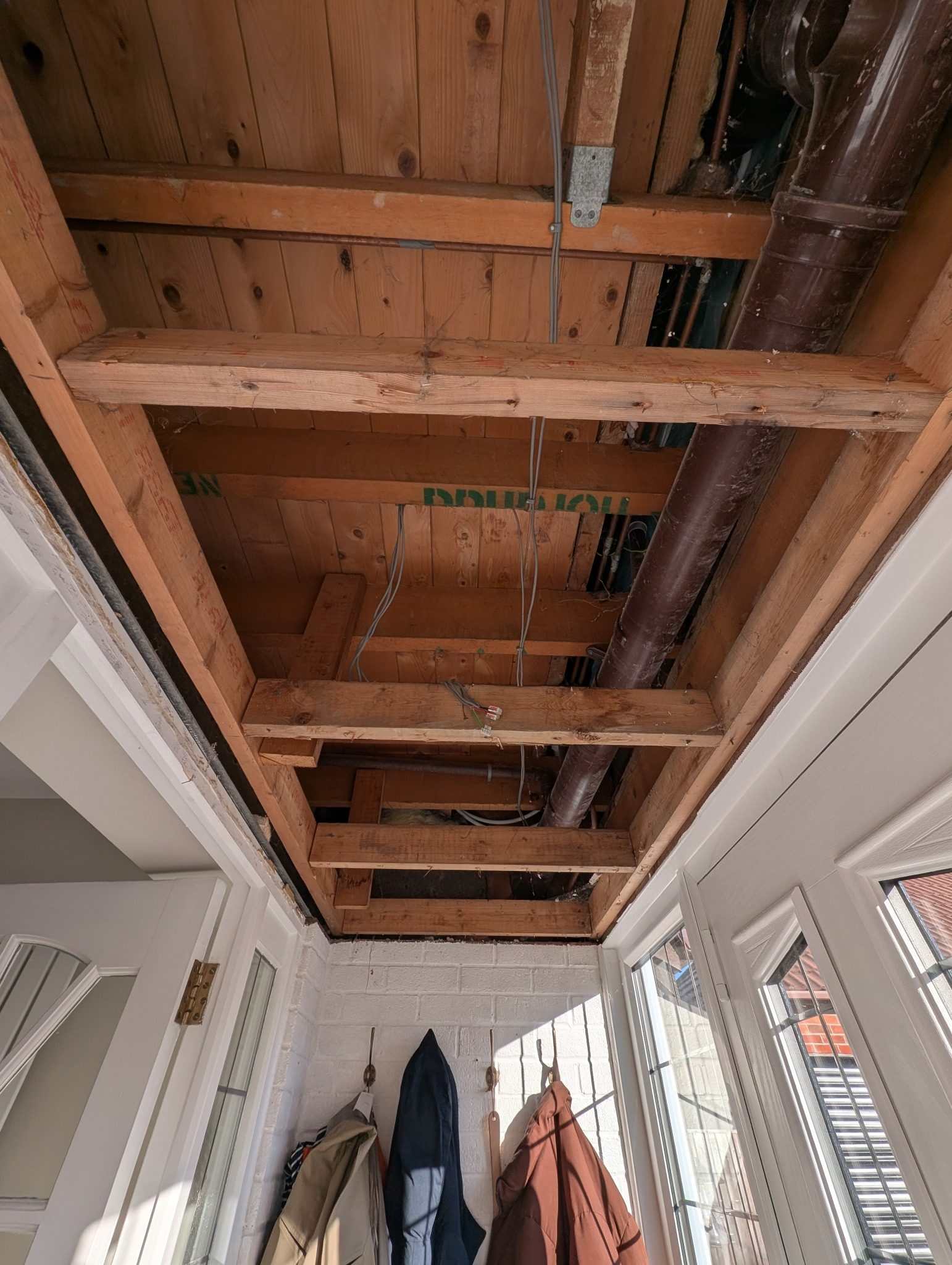
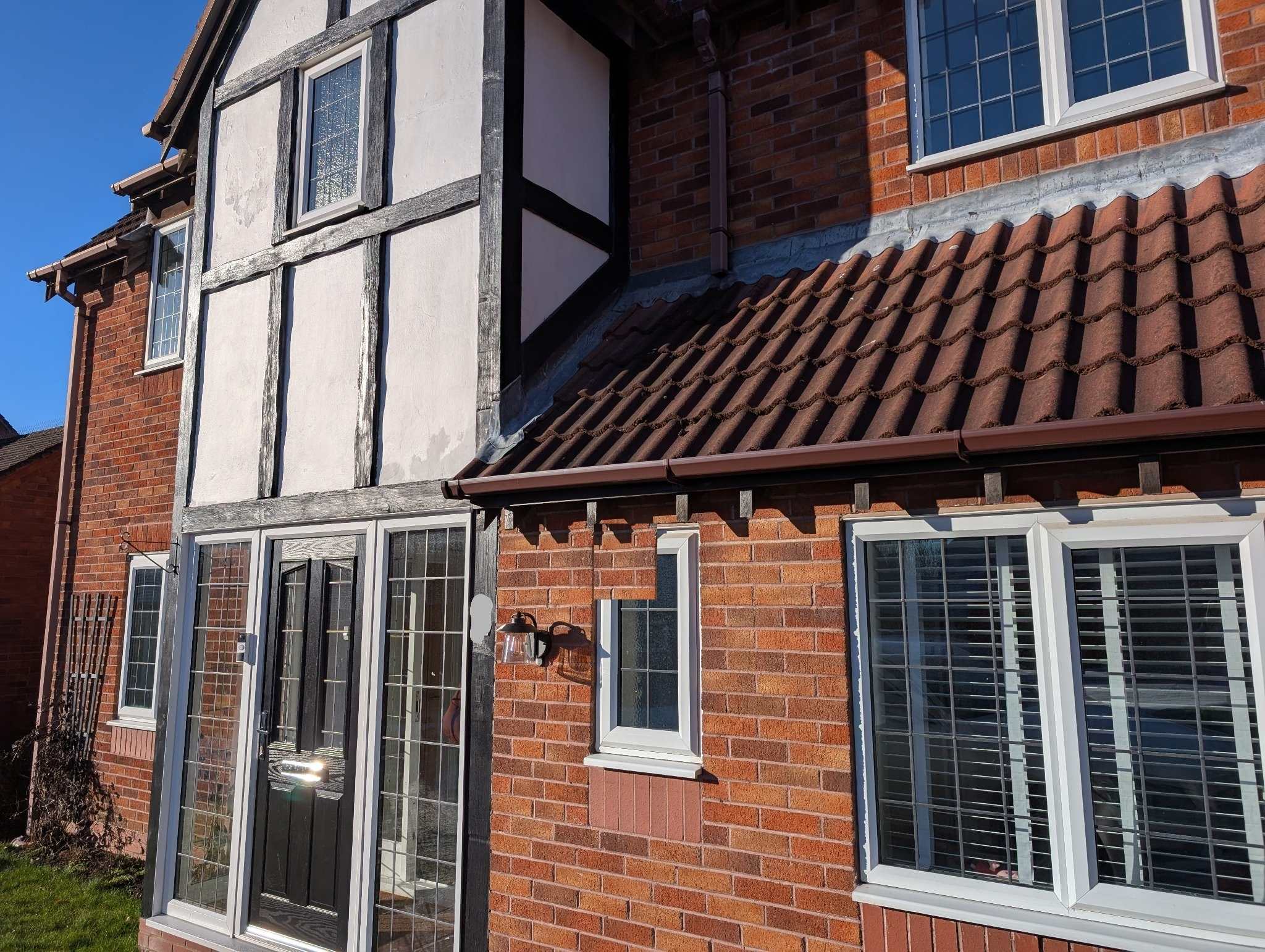
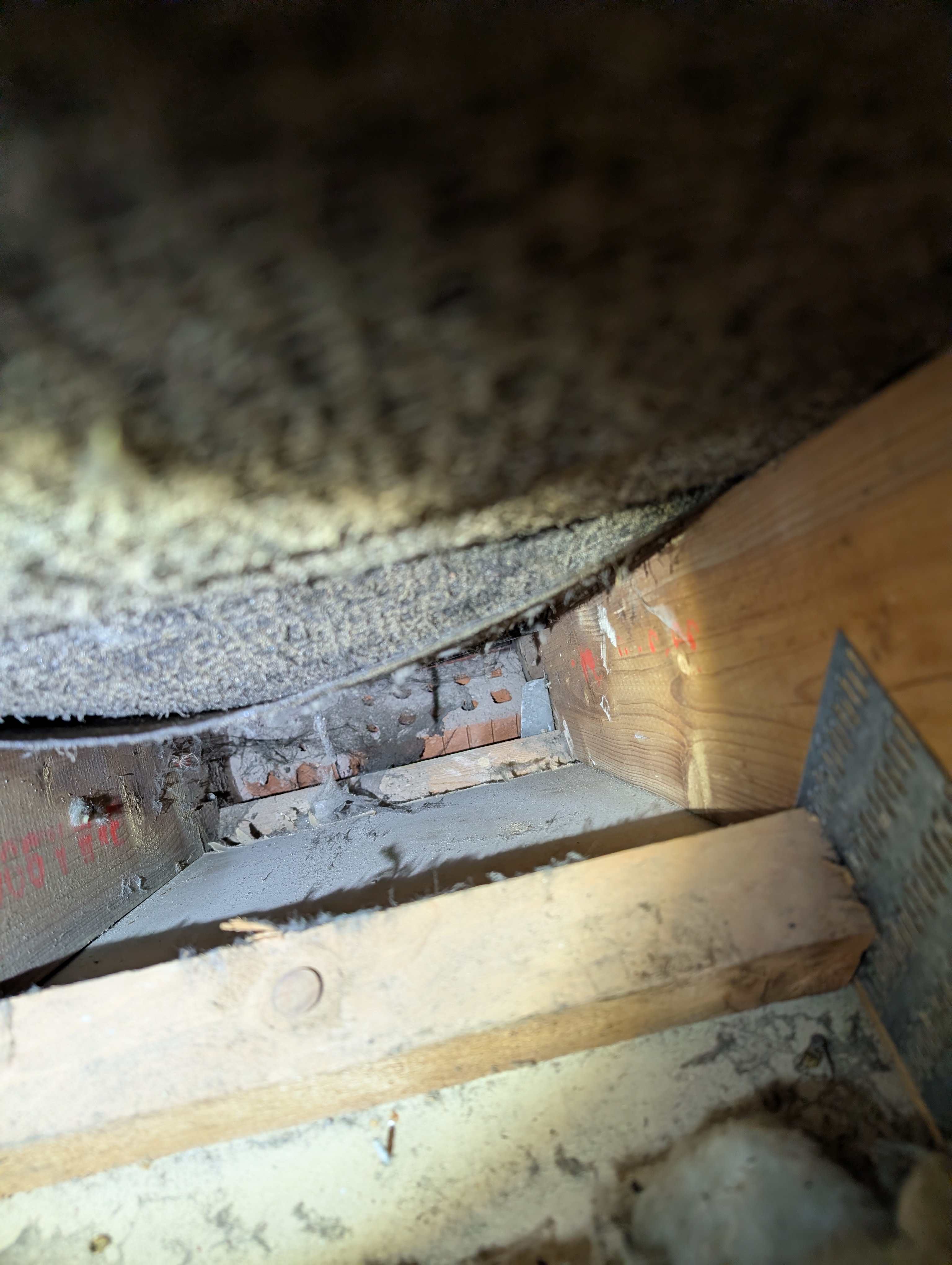
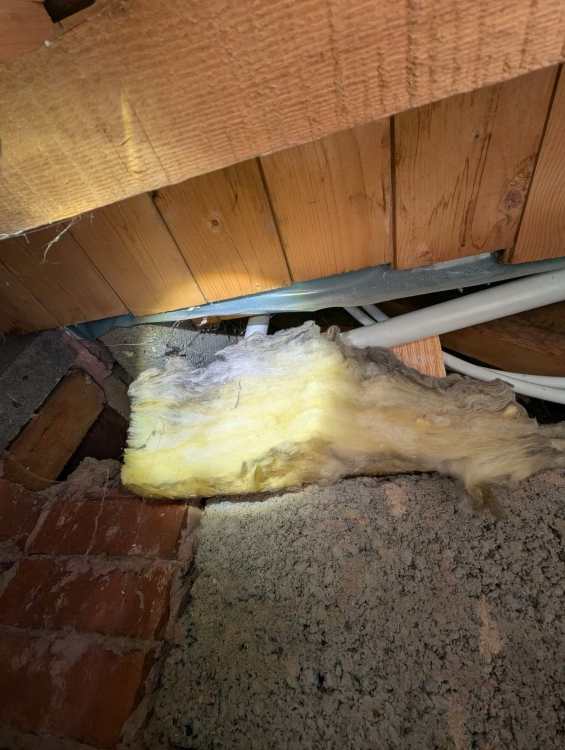
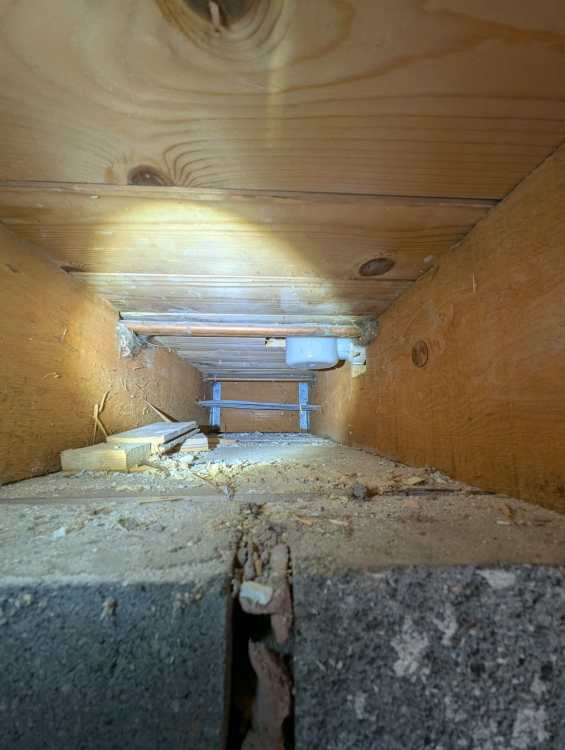
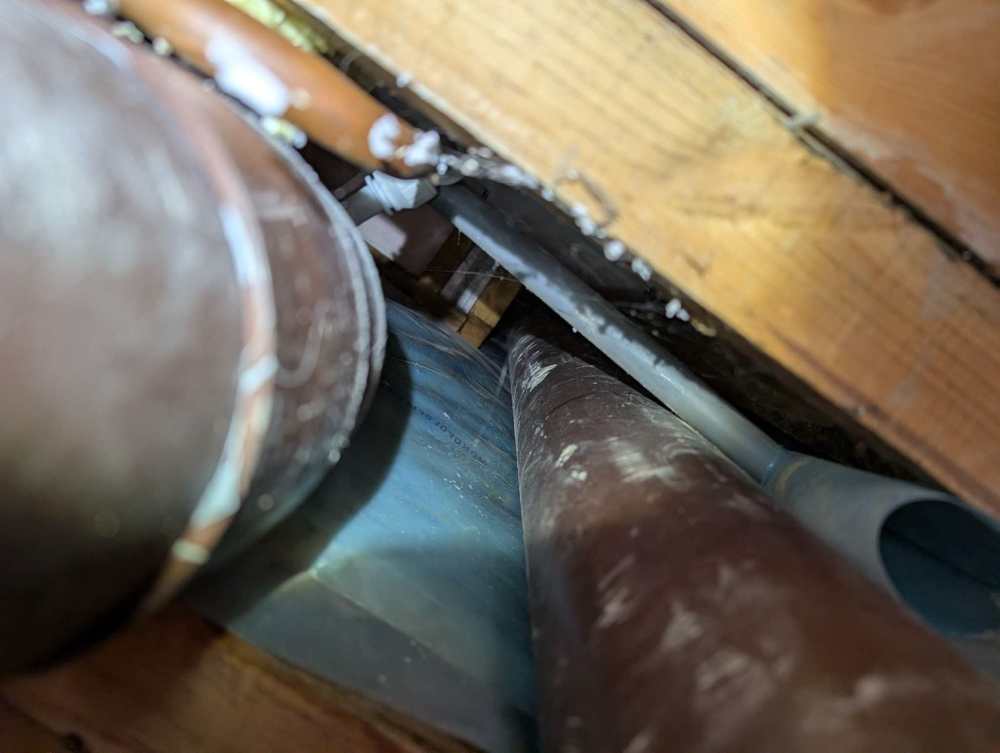
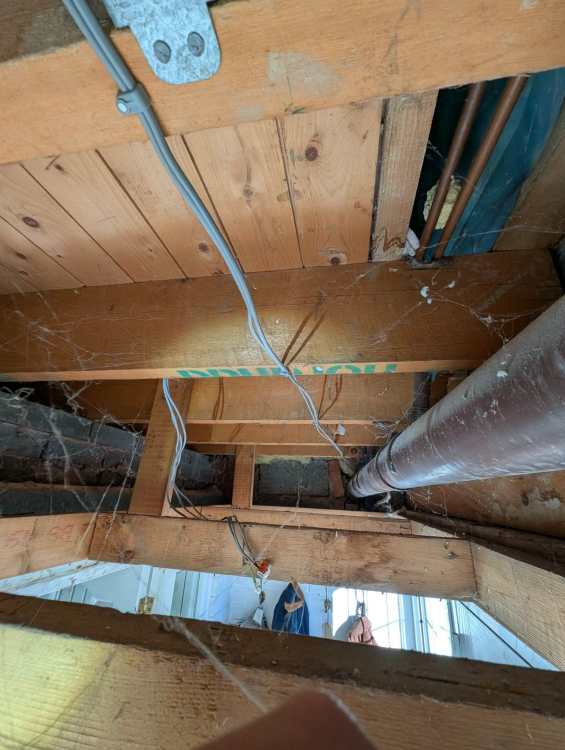
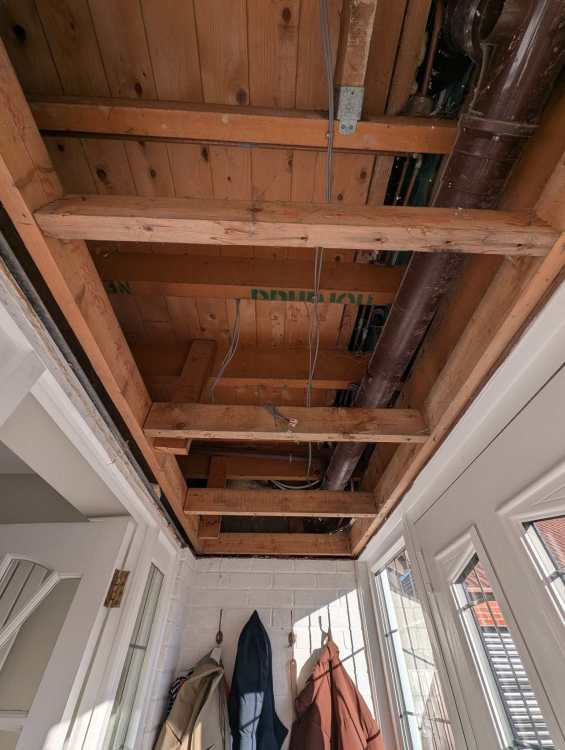
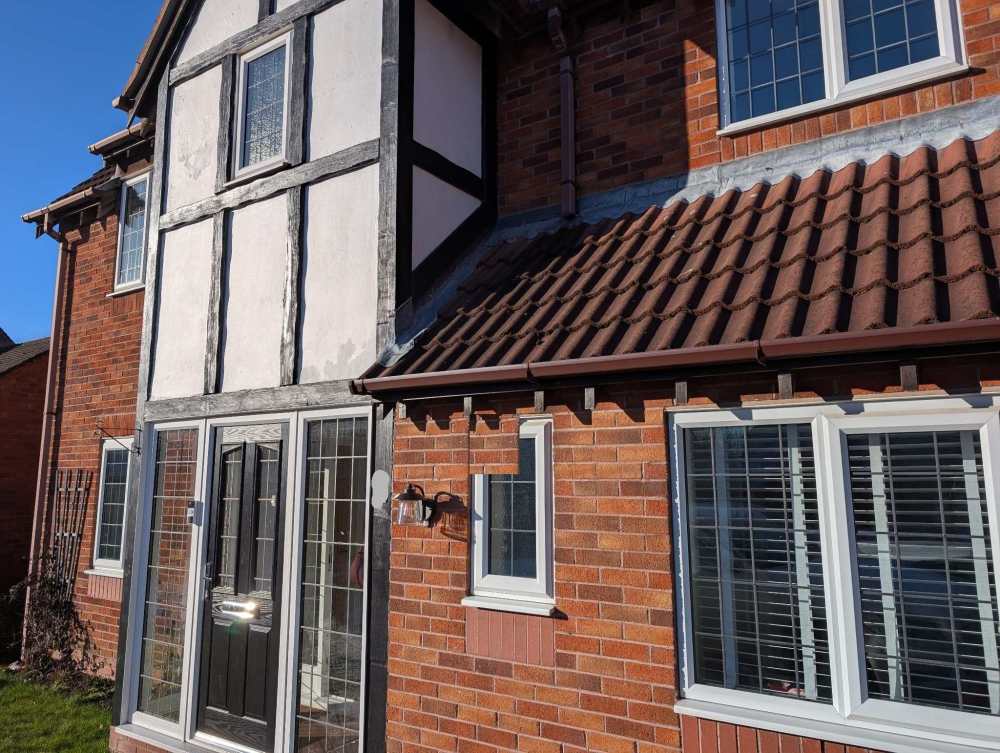
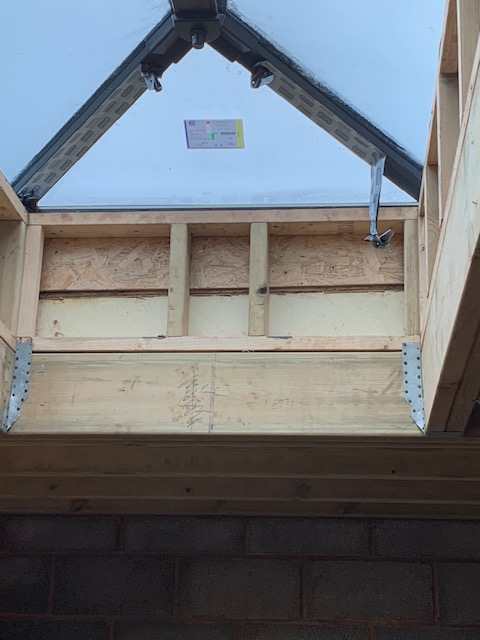
Hi all, I’m after some advice on the best way to insulate a porch at the front of my house. The porch is single storey, with an ensuite bathroom directly above it. I’ve taken the porch ceiling down, which has revealed that a few voids are currently all connected, which doesn’t feel ideal from a thermal or condensation point of view. At the moment: The void above the porch is connected to a cold, ventilated roof void at the front of the house That space is also connected to the sub-floor void under the first floor The soil stack from the ensuite passes through this area and continues up into the main loft, which is also cold and ventilated There’s little to no insulation under the ensuite floor, and services run through the void So there’s a clear path for warm air from the house to reach cold spaces, and I’m concerned this is effectively breaching the thermal envelope and increasing condensation risk around services. I can see two main ways of tackling it: Option 1: Close off the cold roof void where it connects to the porch (it’s actually a fairly small triangular section) and bring the porch and void above it into the thermal envelope. Also worth insulating under ensuite floor? Option 2: Leave the porch cold and insulate at the interface with the house, including insulating under the ensuite floor and carefully sealing around the soil stack and other services. My current thinking is that Option 1 may actually be less work overall, as the warm–cold connection is small and well defined, whereas Option 2 would involve a lot of careful airtight detailing around services. That said, I’m very conscious of condensation risk, particularly with the soil stack passing through into a cold loft, so I don’t want to create new problems. Any advice would be greatly appreciated. This house is the gift that keeps on giving 🙃 Front of house showing porch and ground floor pitched roof with cold roof void Junction between pitched roof and porch roof void (basically open to it) View into house showing 1st floor joists - all open to cold void Soil stack going from ensuite toilet up into loft - another thermal chimney! View of porch void 1 View of porch void 2
-
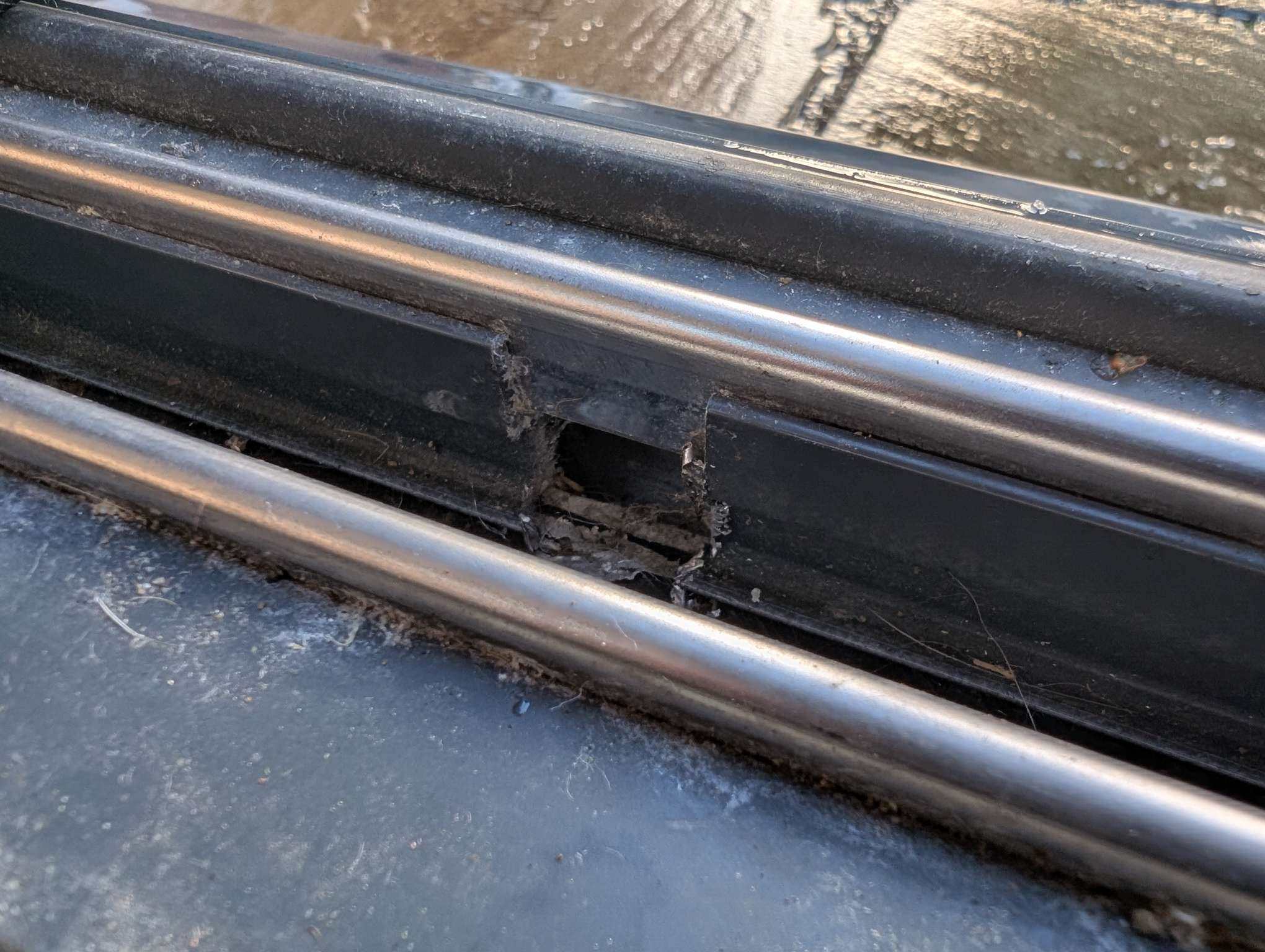
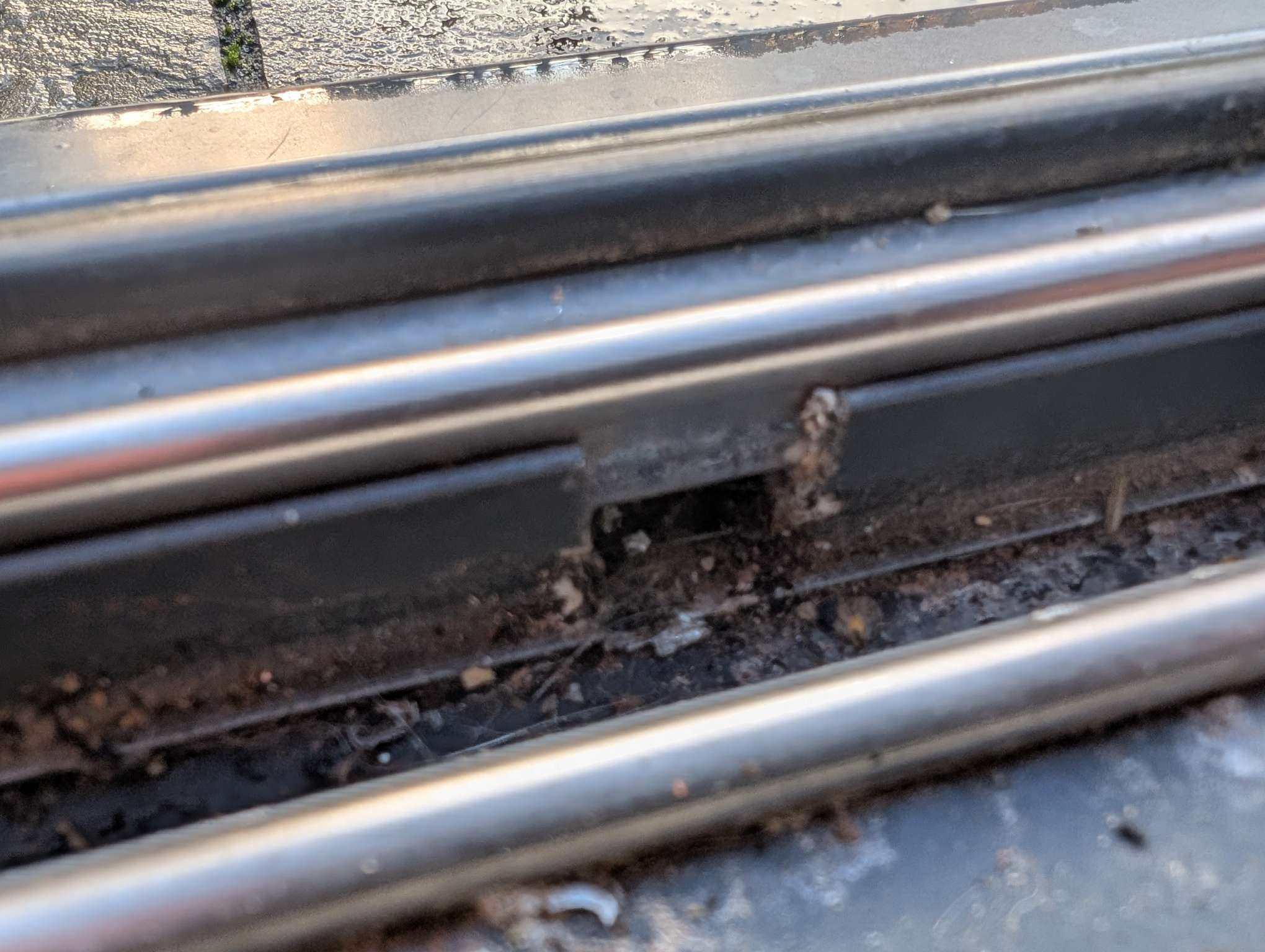
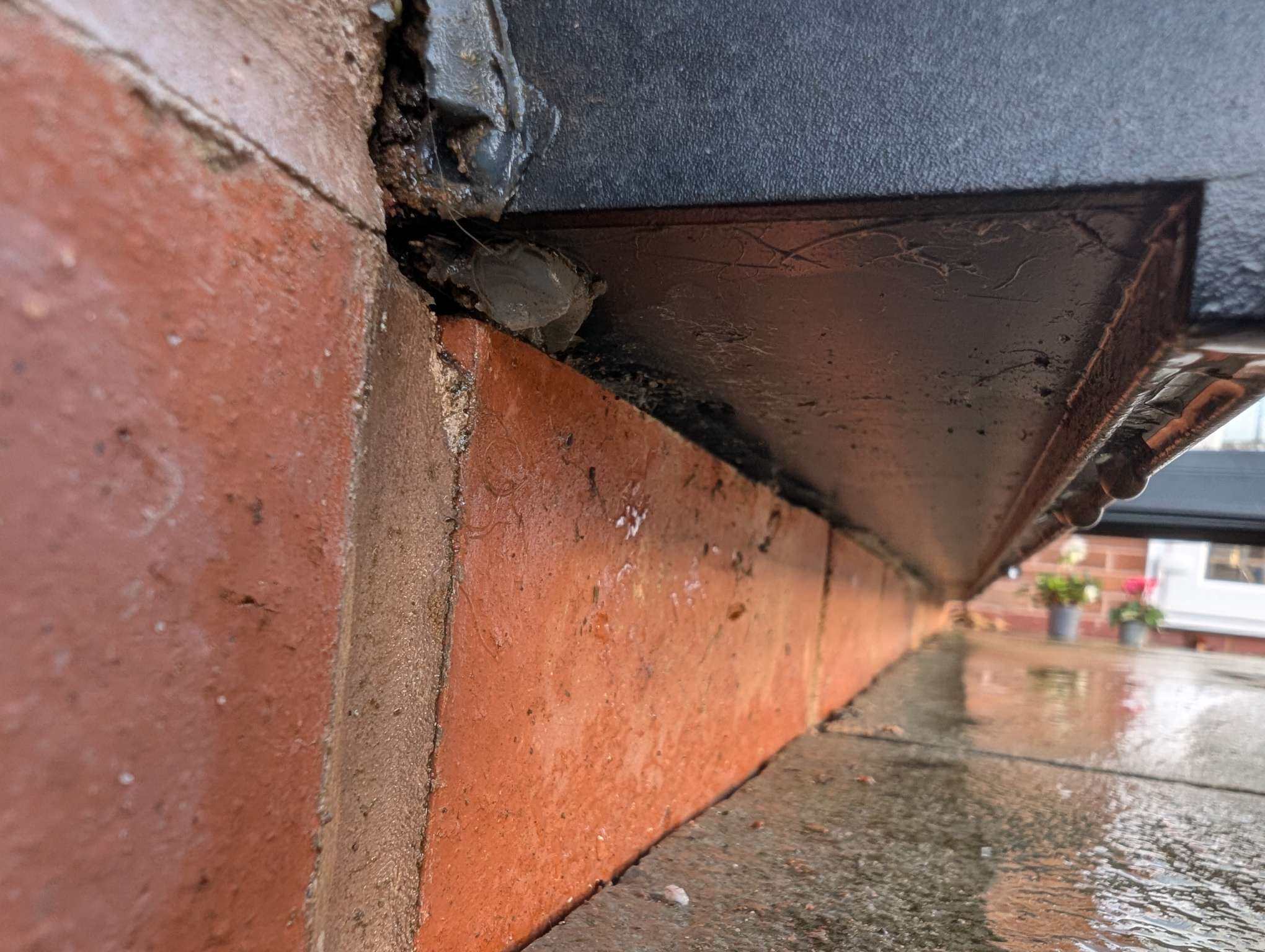
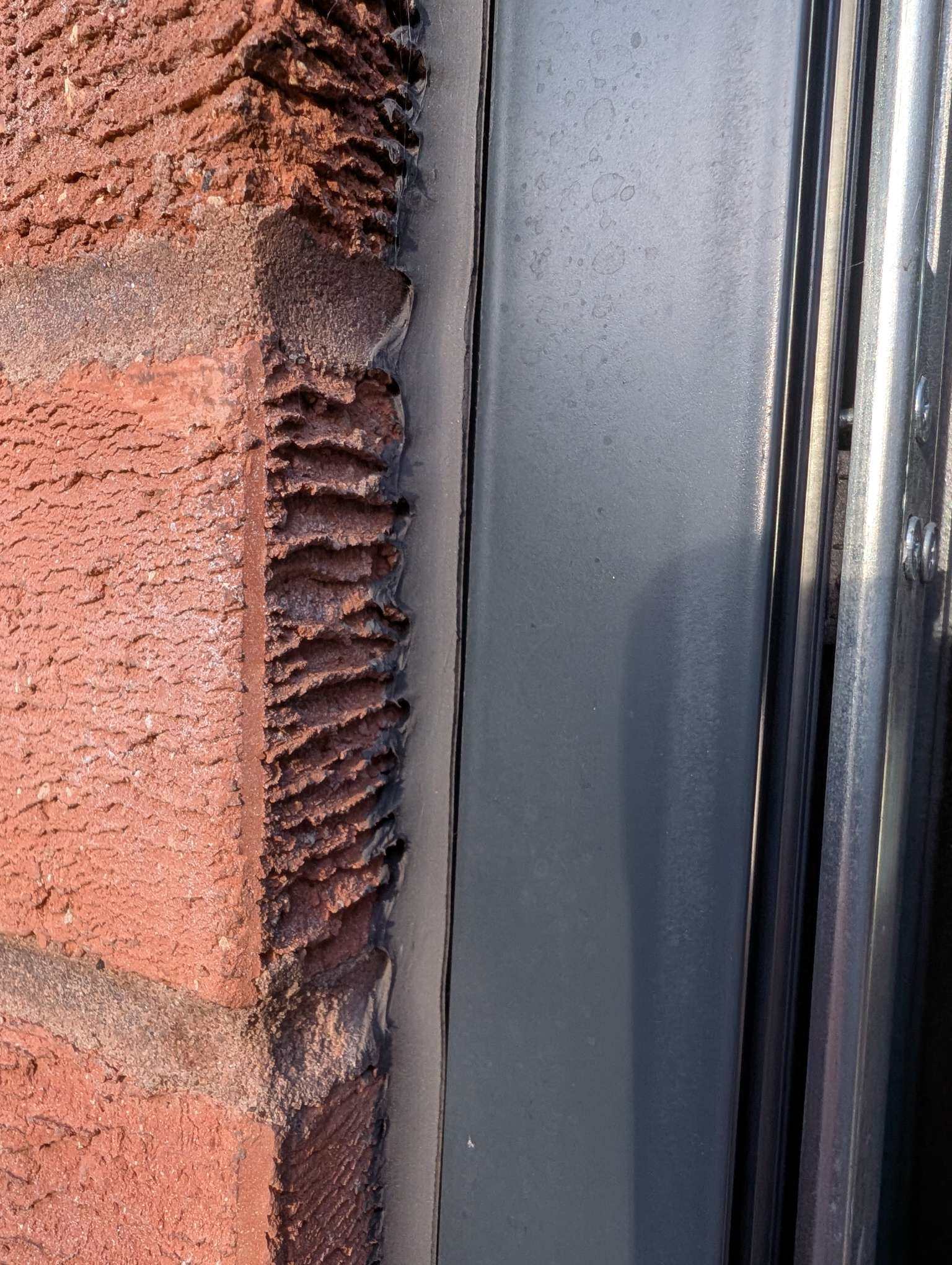
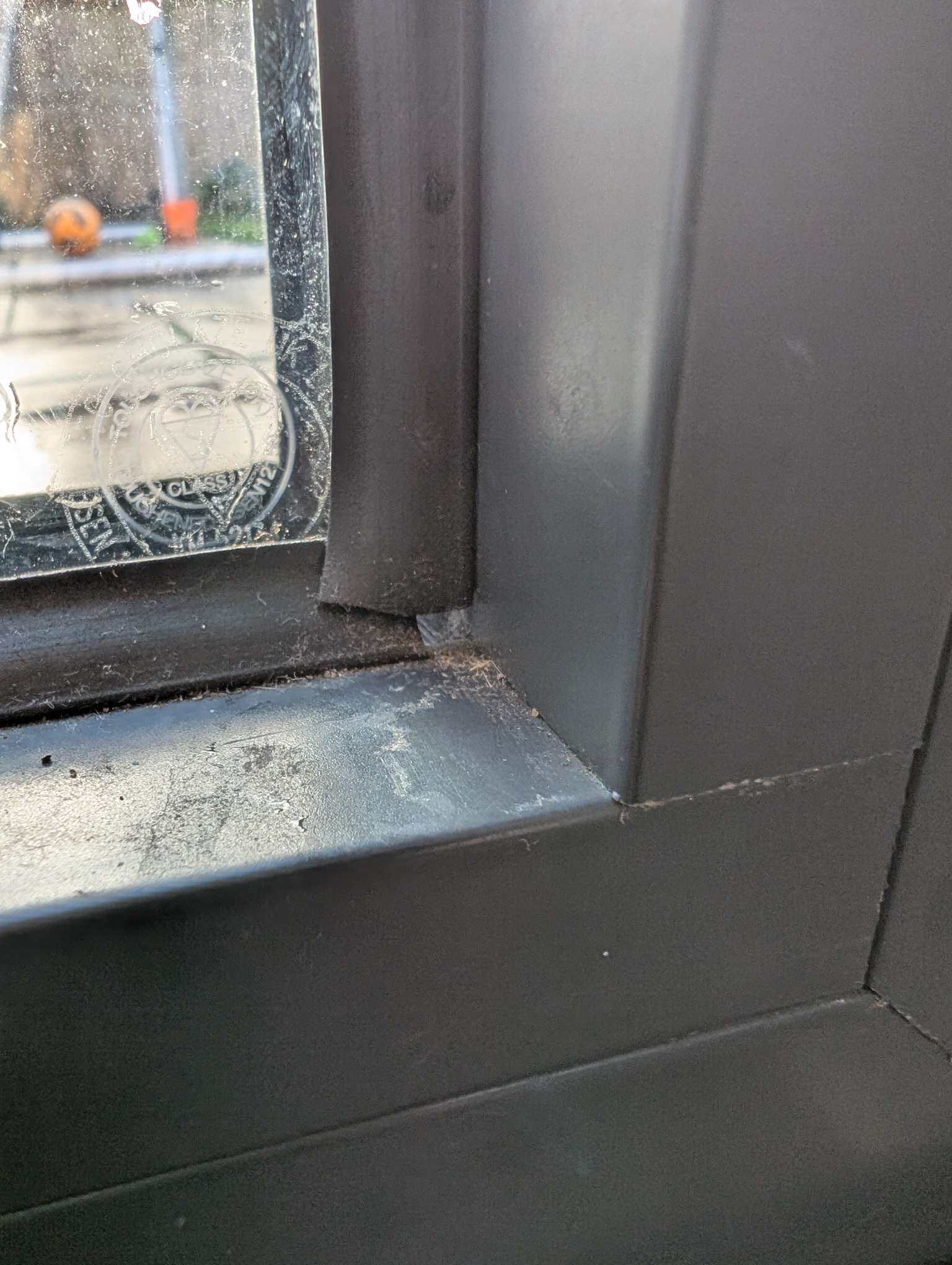
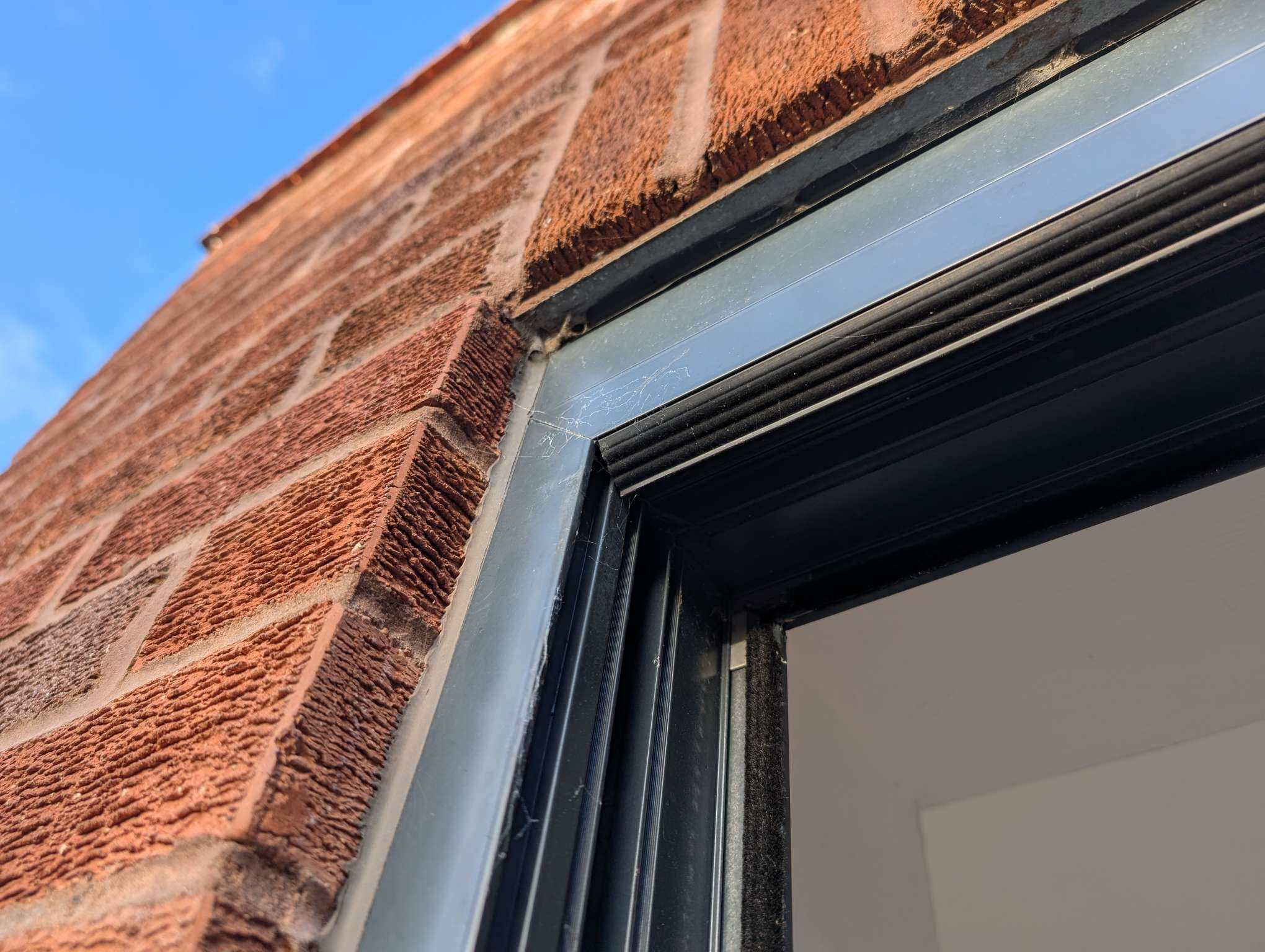
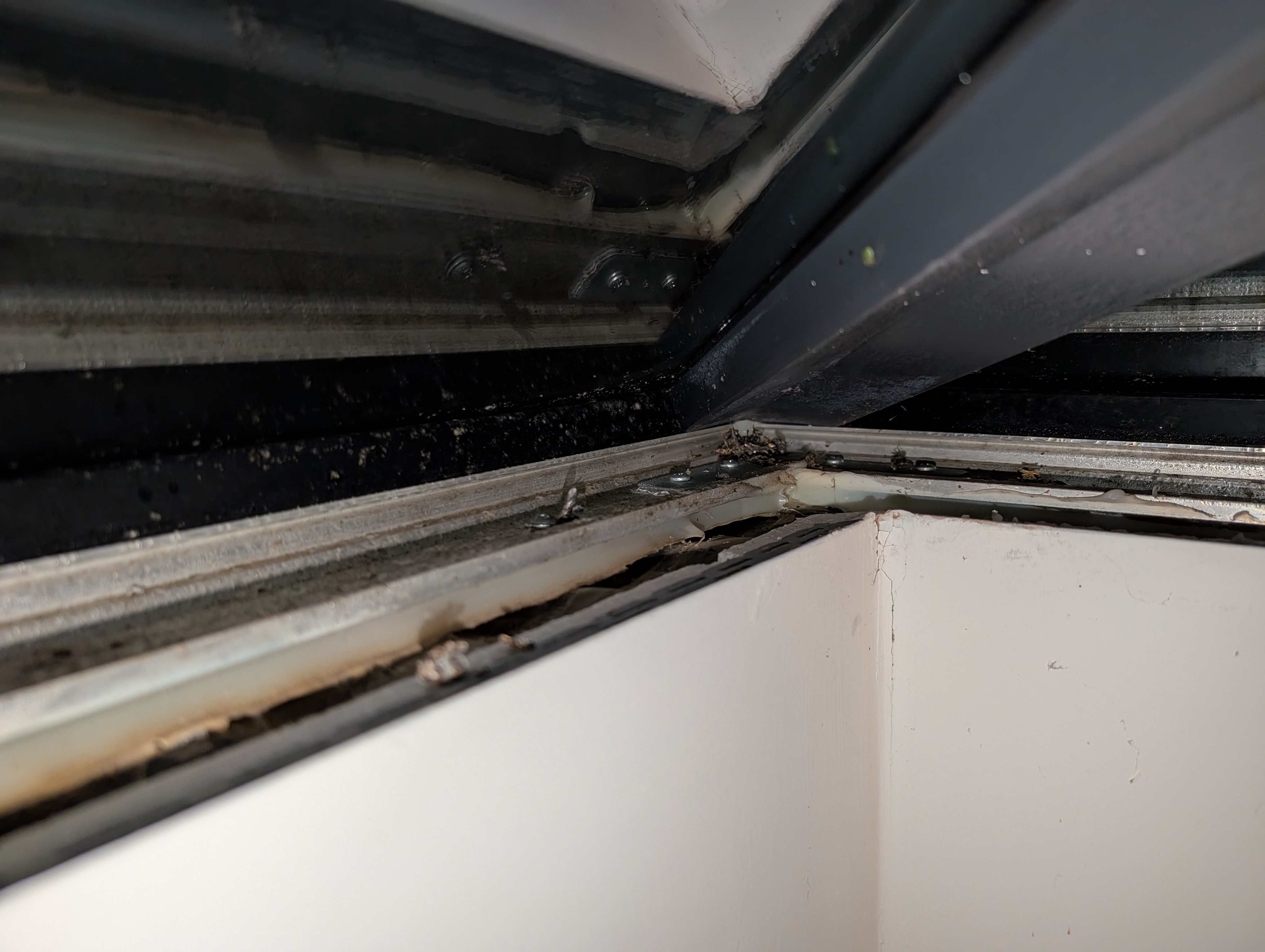
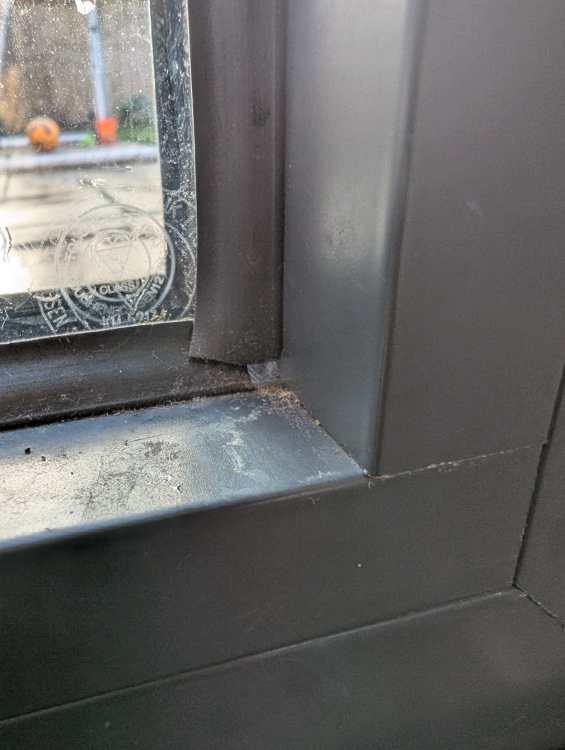
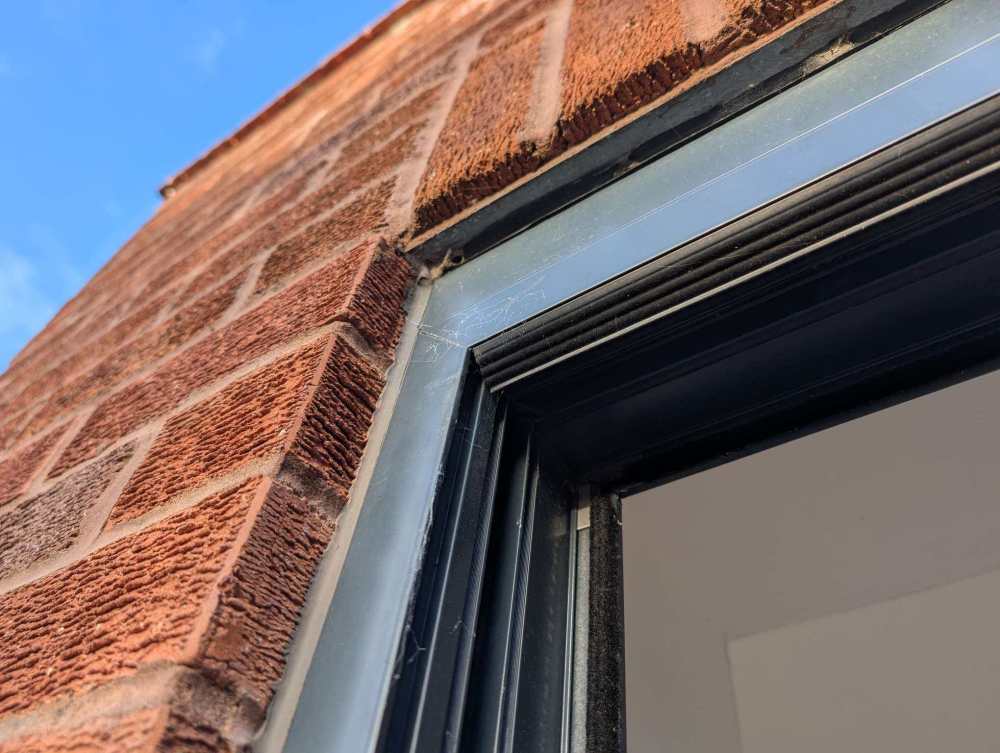
Hi again all, I've had a search of the forum and couldn't find any similar threads so starting a new one. Since start of this winter we've noticed drafts coming from our two sets of aluminium bifold doors. I originally thought it was a leaky door seal, however having applied some compressible stick on gasket this hasn't solved the issue. About 2 nights ago noticed something strange which leads me to think this is another issue: condensation on the bottom aluminium profiles, extending up from the bottom about 1/3 way up the vertical profiles AND condensation on the floor in front of the doors. I'm not expert on these doors and how they should be installed or sealed. Can anyone provide any advice. Doors were installed in 2020. Have contacted the original seller to see if they can support but not holding out a huge amount of hope. Some photographs attached with a few observations: Small very small gaps in sealant around outside edges of door frame to wall What appears to be cut out notches in the bottom of the sill Gaps on the gasket around the internal glazing panes Gap under outside ledge missing sealant
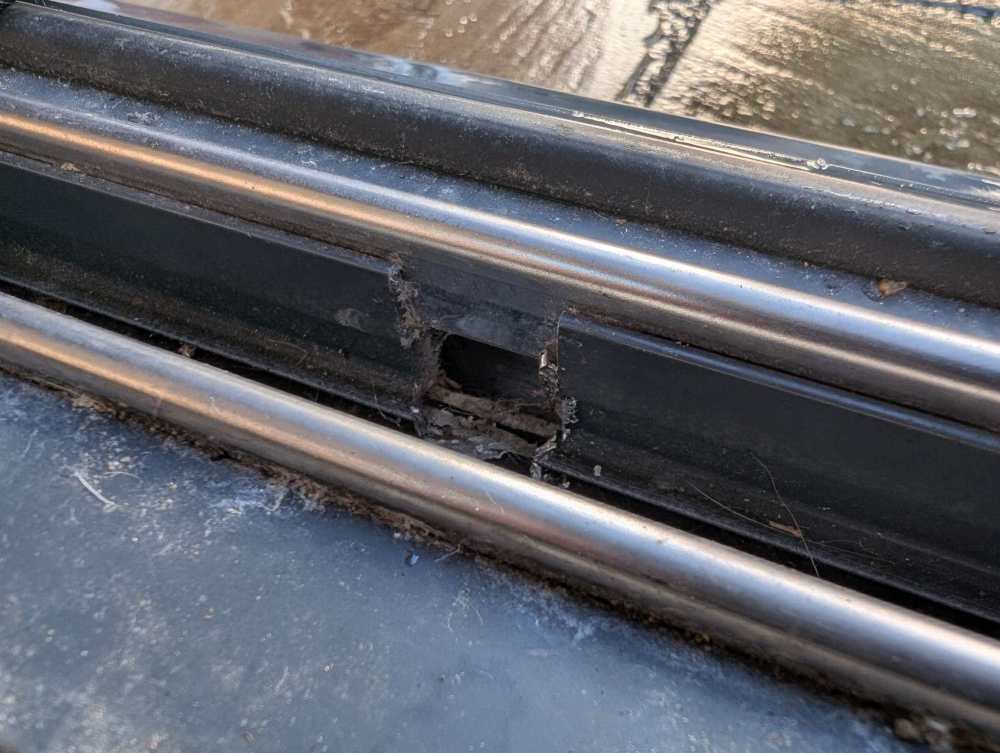
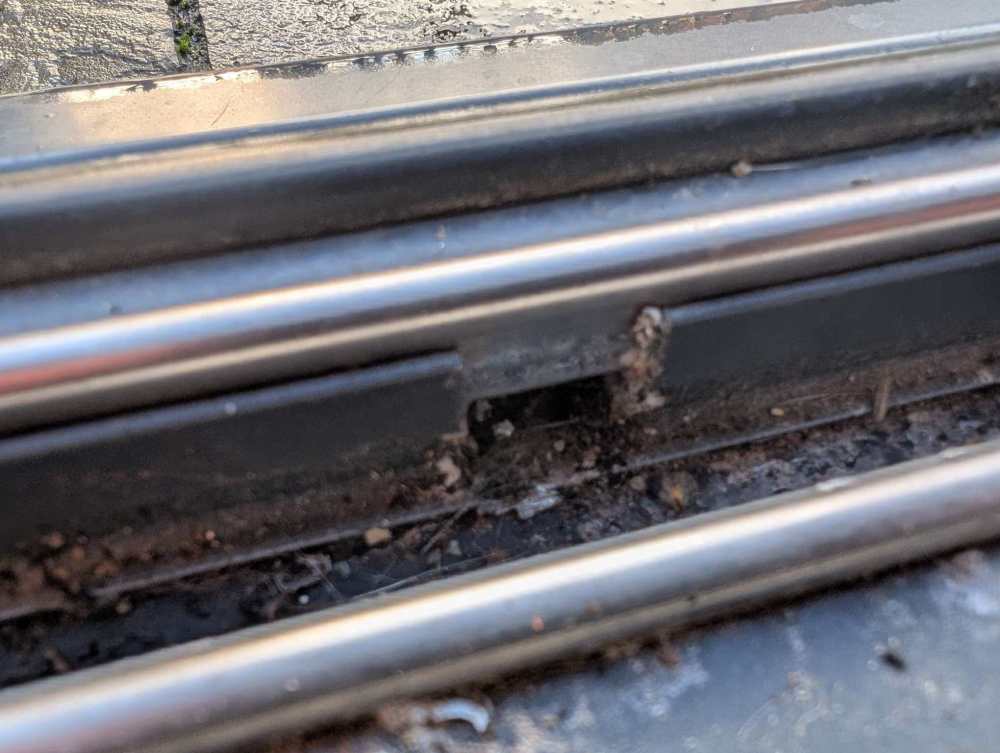
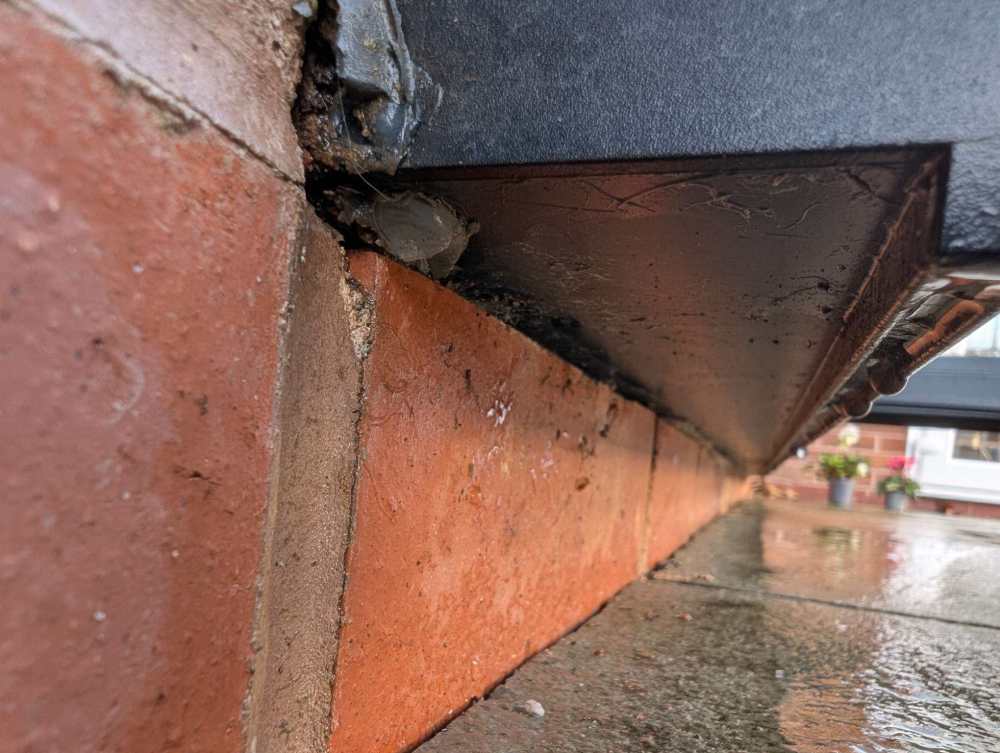
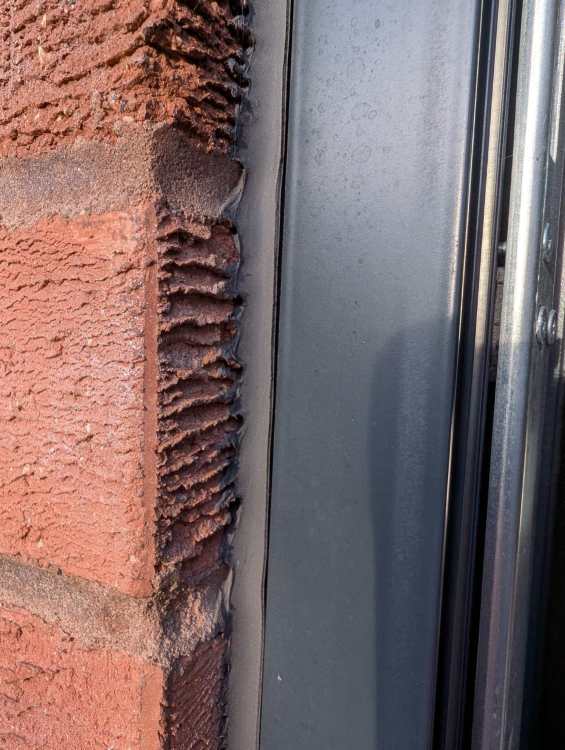
-
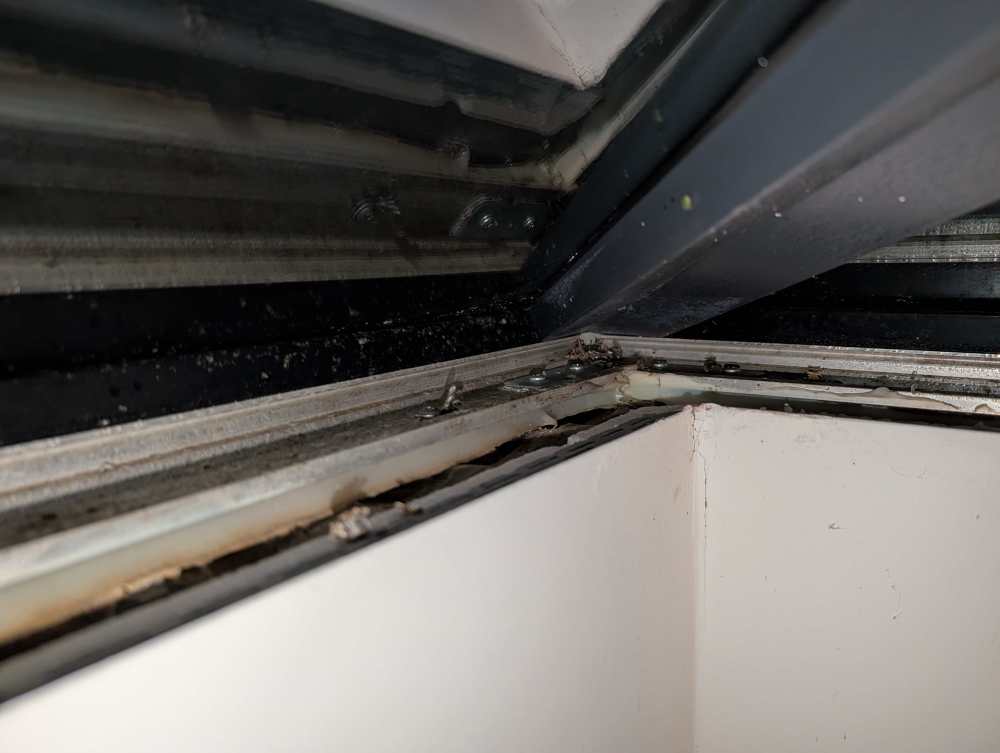
Quick update I pulled as much badly sealed silicone out from the lantern as I could. Massive gaps where I could see daylight. They'd obviously attempted to bed it on silicone but it was so badly fitted mechanically it was never going to give a reliable seal long term I've filled the void with low expansion foam and my plan is to silicone inside AND outside edges, so foam isn't exposed to UV/weather etc. would this make sense? Appreciate the feedback and whilst it wasn't us who took on this building work really puts me off doing anything going forward as you say need reliable testimonies where you can actually go and look at the quality.
-
Decided to put a ladder up to have a look at the lantern yesterday night. Think I've discovered the main cause of the breeze! Fresh air coming straight in, condensation and some mould growth to with it. Going to attempt to weatherproof this over the weekend with a mixture of some low expansion foam for big gaps and then silicone over the top. Quality absolutely shocking!
-
Insulating 45 degree internal ceiling returns in loft space
jc212 replied to jc212's topic in Heat Insulation
How crucial is a completely airtight fit when the internals are plastered with no screw holes etc. I gather condensation only becomes an issue when the warm moist air passes from the room into the gaps with the PIR? -
Insulating 45 degree internal ceiling returns in loft space
jc212 replied to jc212's topic in Heat Insulation
I was planning on leaving the inside finish as is (would prefer not to reskim etc). Preference would be to insulate in the loft space -
Insulating 45 degree internal ceiling returns in loft space
jc212 replied to jc212's topic in Heat Insulation
Not seen that, looks absolutely perfect. Id be struggling to reach down to foam in the gap between plasterboard coming up from the room, sounds as though applying this it would expand and fill it. But in principle this would make sense putting PIR here? -
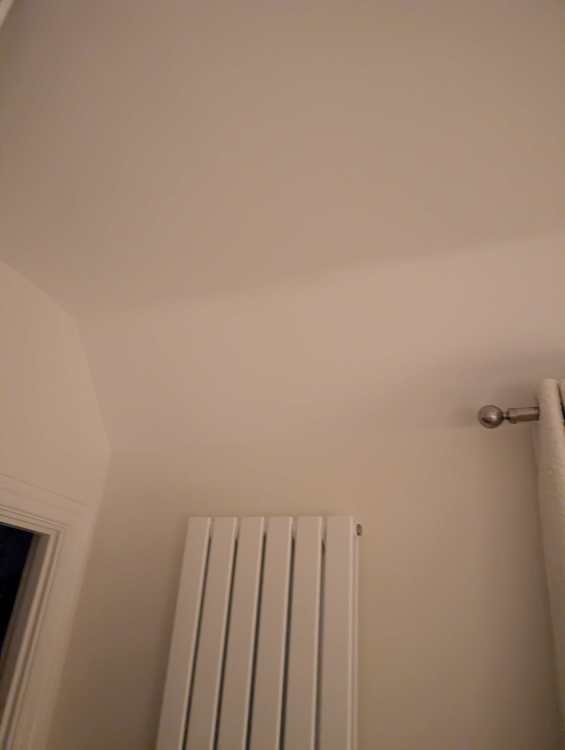
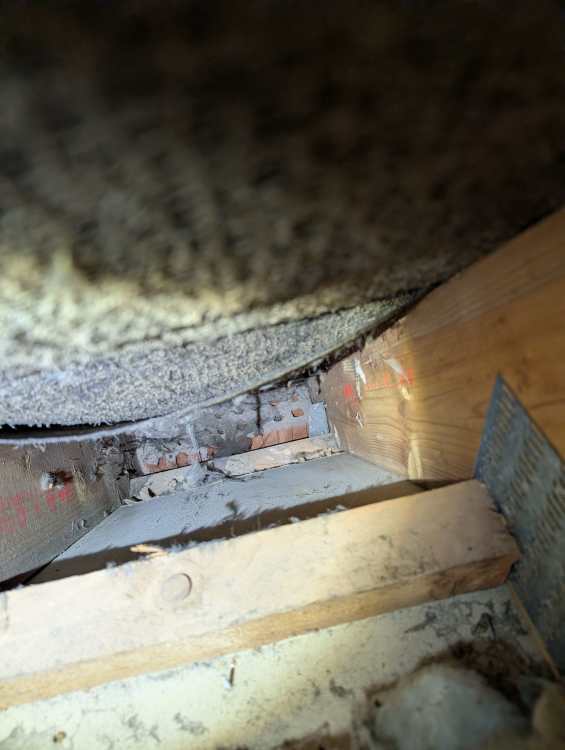
Looking for advice again from you good folks if it's not too much trouble, this time it's in my loft. For whatever reason the architects thought it would be a good idea to have 45 degree internal plasterboard around the outside walls of the house. See attached photo for what I mean. Only issue with this - there is zero insulation on the back of the plasterboard and these points sit right in front of the soffit ventilation ports. We put vertical radiators in (not my decision) so literally radiating heat against a surface that's being cooled at high velocity in the loft with fresh air! I am proposing cutting 100mm (or 75mm) PIR and placing this between the rafters in contact with as much of the plasterboard as possible. I would be sure to allow sufficient space 25-40mm in front of the pir so air can circulate freely through the soffit vents. Questions are: What's the best way to detail this Should I friction fit, or use some kind of adhesive Should I foam around the edges in contact with the rafters and then also add foam in the 45 degree gap that will be formed between the PIR and vertical plasterboard Any other thoughts or suggestions
-
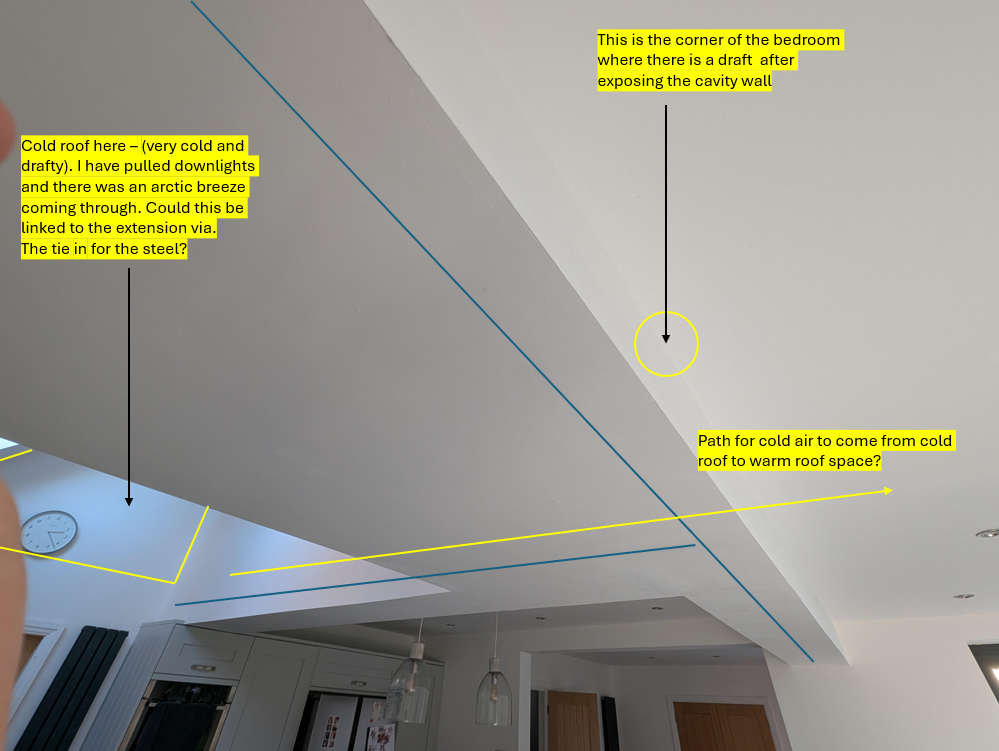
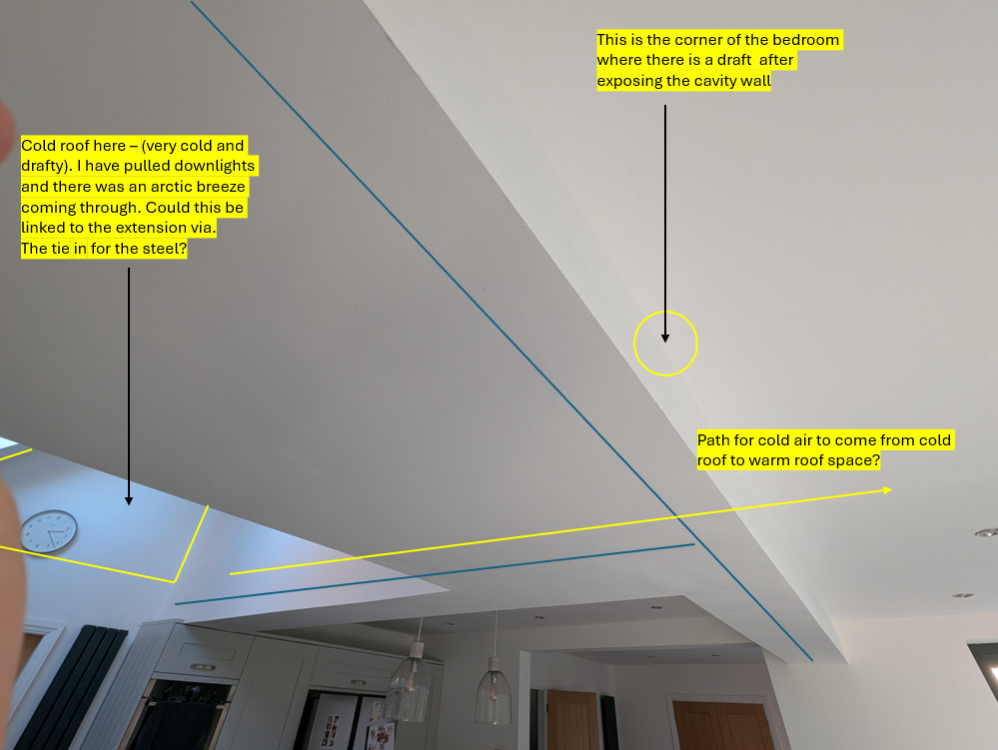
Before I start punching holes around the perimeter I wanted to sense check an idea the father in law had - could the draft actually be coming from where the steelwork has been tied into the existing house where there's a cold roof space. Is it worth putting a hole somewhere in this area, if so, where would you suggest? Assuming there is a crossover here between warm and cold roof spaces, how would I then go about sealing it properly?
-
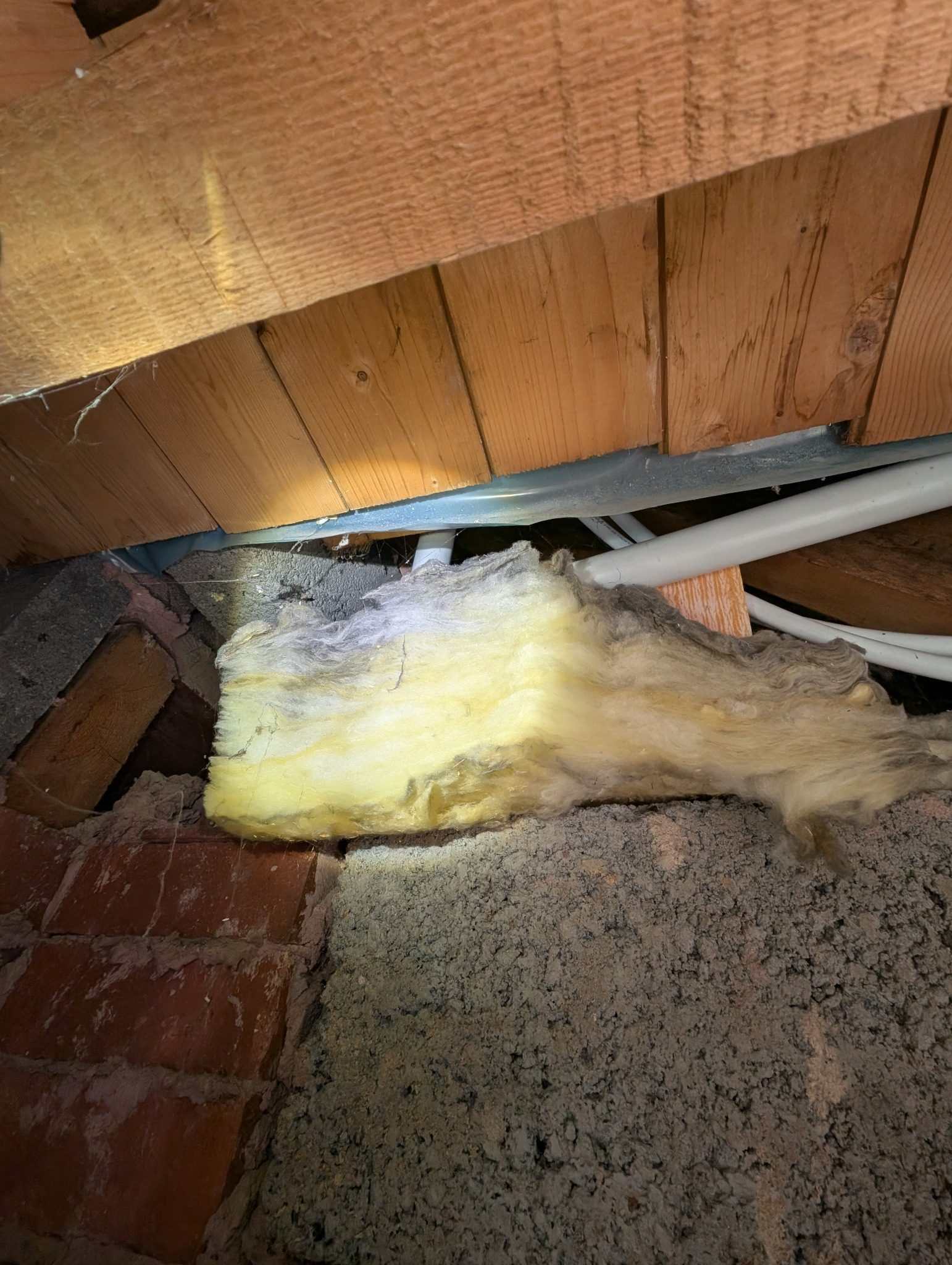
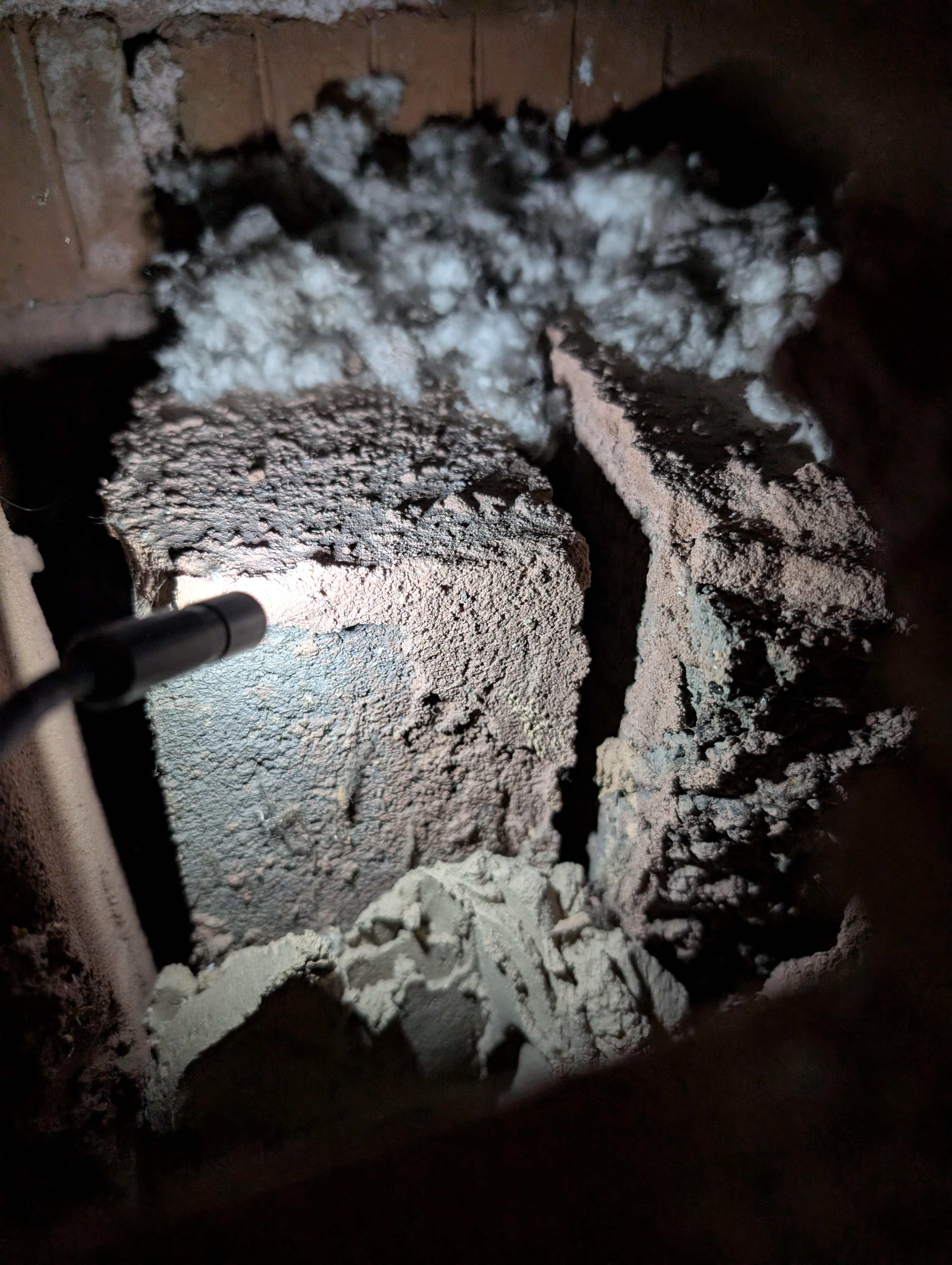
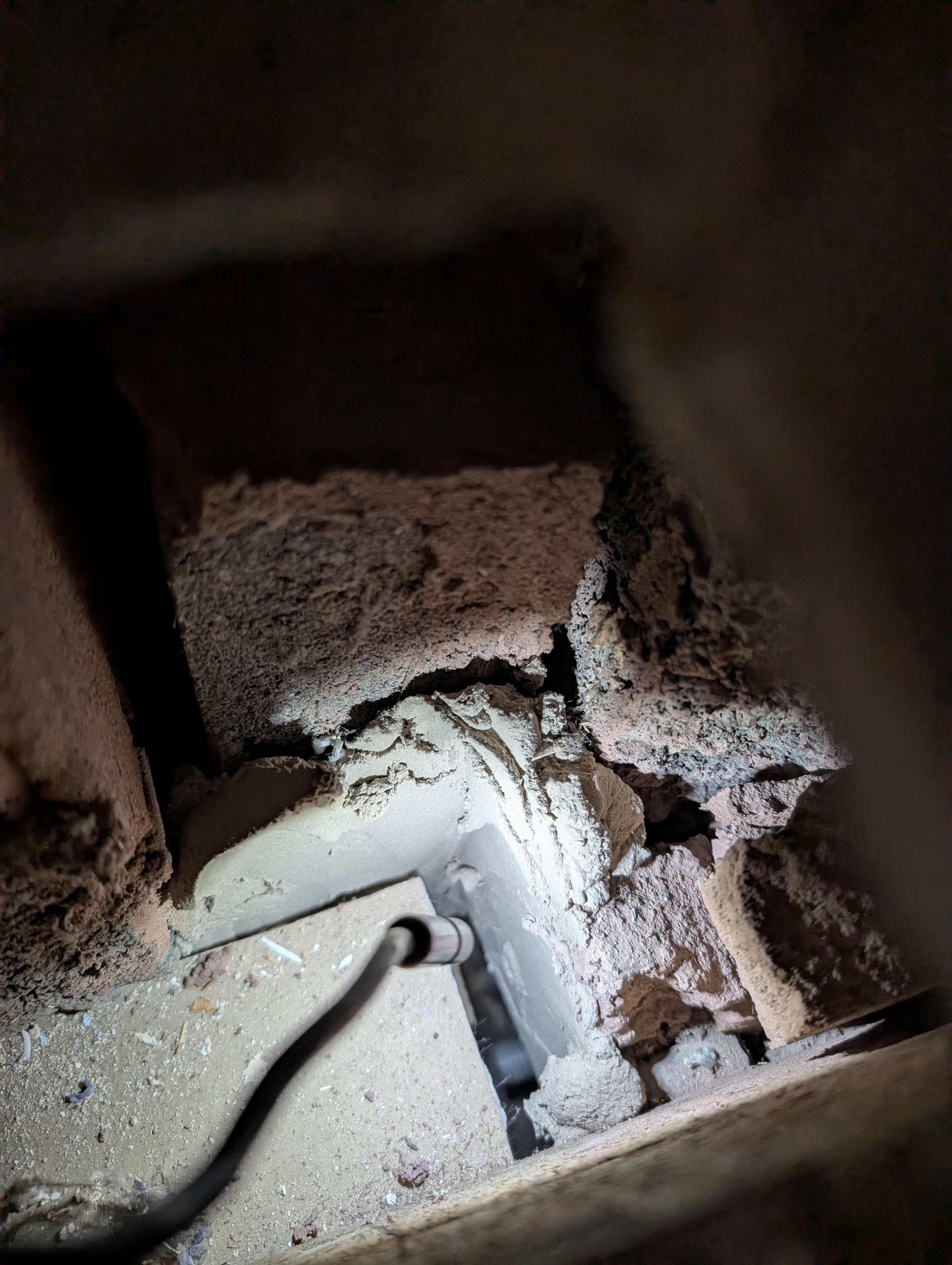
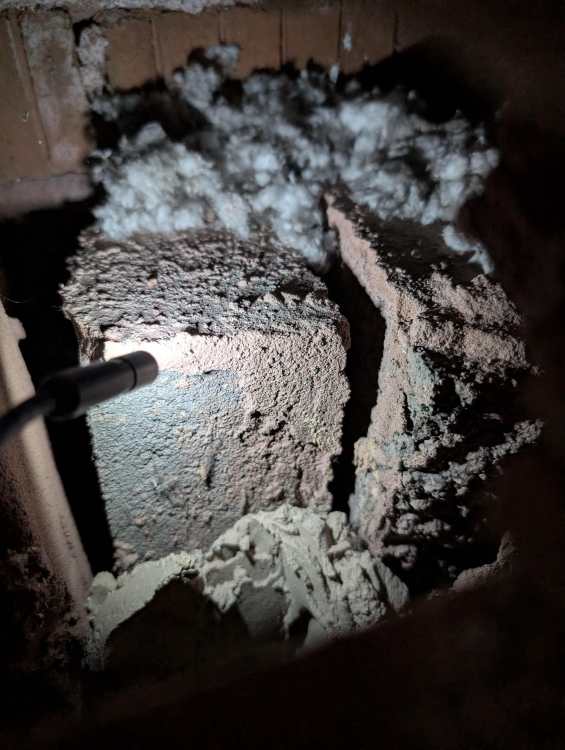
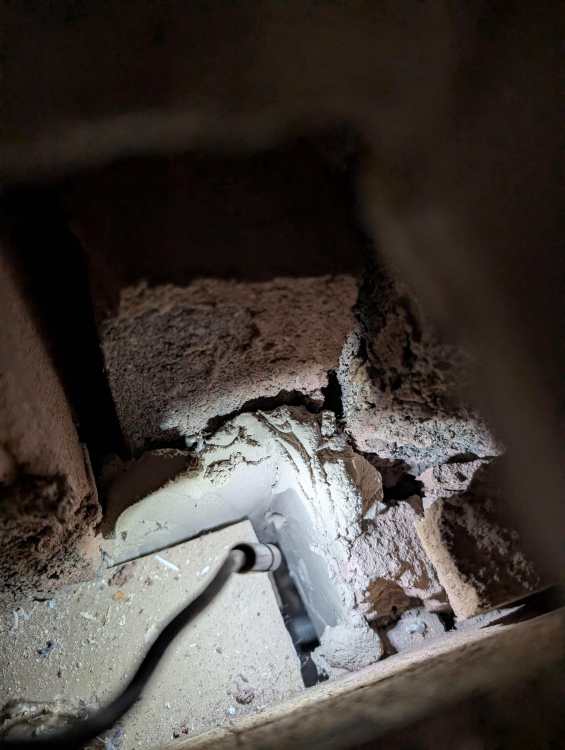
Thanks sparrowhawk. Definitely satisfying fixing a few of the smaller leaks so far! I got a reply from building control inspector along with a photo - it's a warm roof with 150mm PIR above the deck. Interesting you say the leaks may be coming where the joists rest on the walls. I'm prepared to expose these to try and fill them but I suspect there is a bigger draft coming from somewhere to be honest. And on that, my sons bedroom in the corner of the 1st floor is freezing, and there's a draft. We've taken the skirting up and exposed the corner and it looks like a complete dogs dinner (see photos). The cavity is compromised, there's a draft coming in here and you can see down to the steel that was put in as part of the extension. I am wondering if the draft is actually coming from a cold roof, which is adjacent to the extension. Any thoughts/suggestions? I have gone back to building control to see if they can provide details of the tie ins between extension and the property and asked if they would come out and have a look (slim chance but who knows).
-
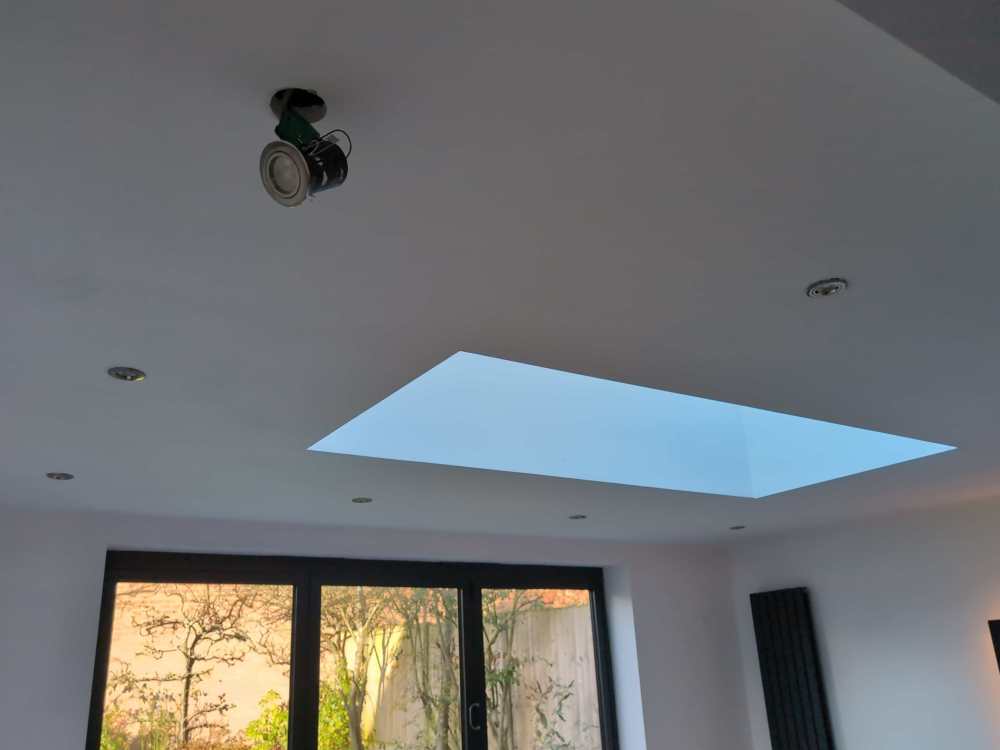
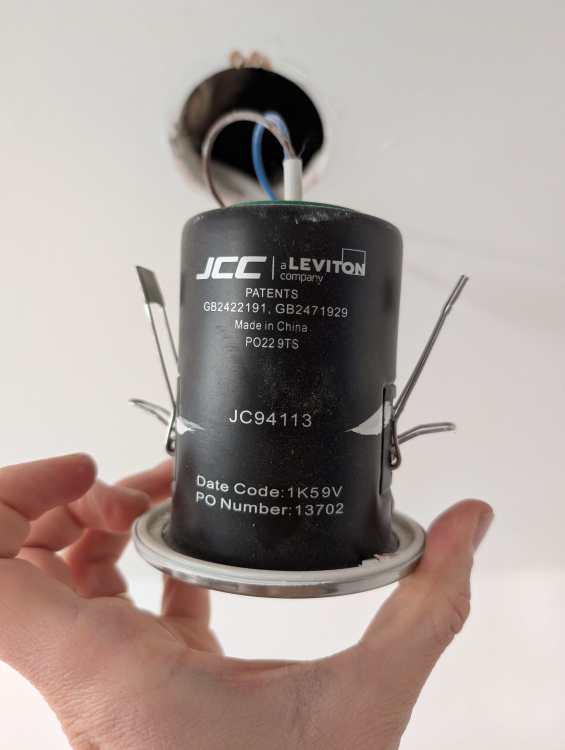
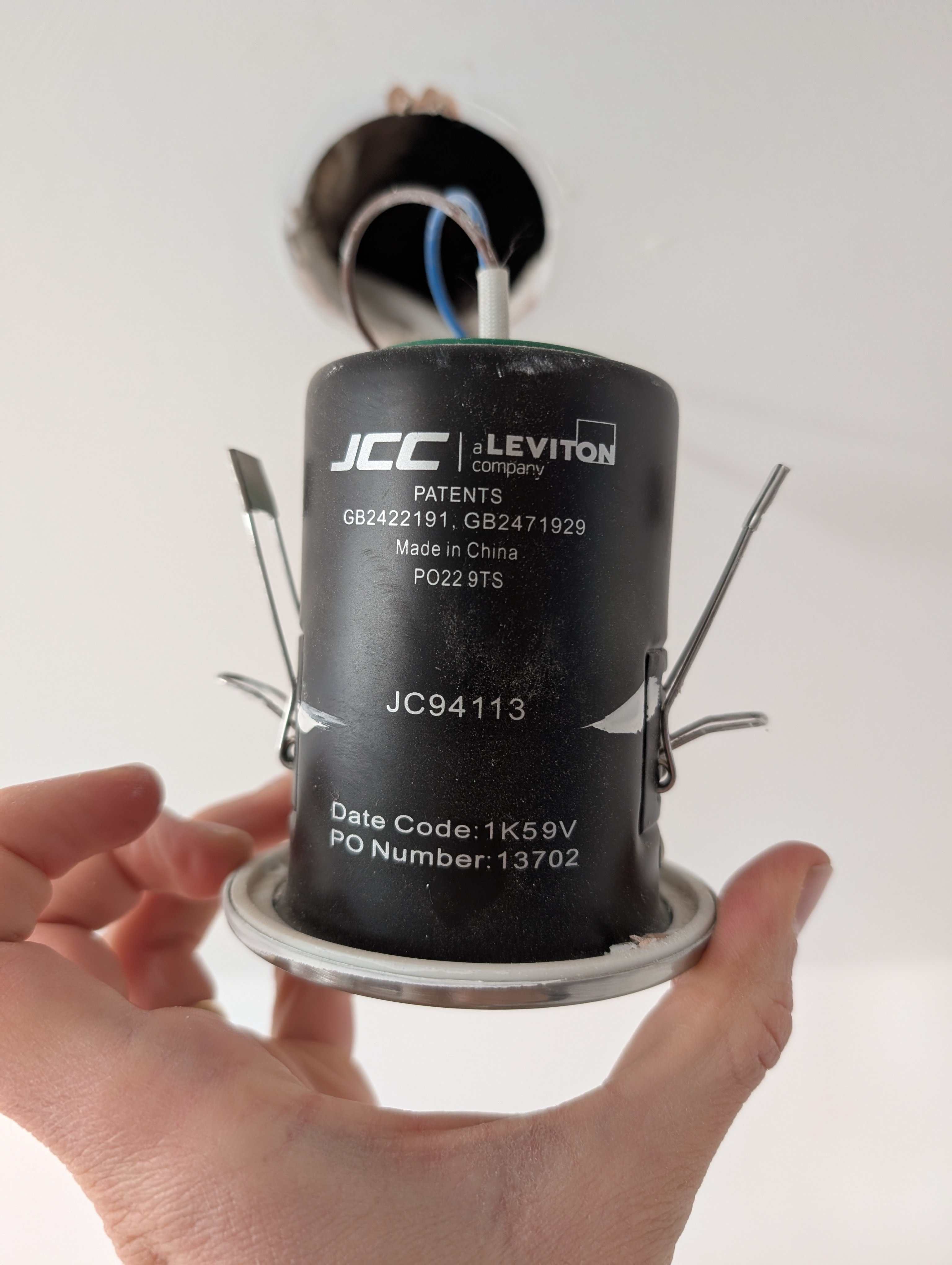
Thanks for the replies. I just pulled a few other downlights and seems the draft is especially bad on one row of lights between a pair of joists. Putting my phone up with camera on I can't seem to find any obvious leak points. Honestly no idea what to do! Ive ordered an IR thermometer today and am thinking of doing some tests to try and verify how bad the current situation actually is. Will take a few data points on an cold day (this weekend): Room temp Ceiling centre temp Ceiling near downlight Ceiling near lantern Void temp Outside temp Worthwhile do you think?
-
Thanks for that Mr Punter, I will take some measurements over the weekend. Plasterer just been round to quote. £450 labour for 2 days. I've priced 50mm PIR backed plasterboard + extra long drywall screws ~ £360. It's a fair bit but we spend a lot of time in here. Also proposing to move away from downlights and go for 2 surface mounted lights instead, which i guess will help keep a warmer envelope.
-
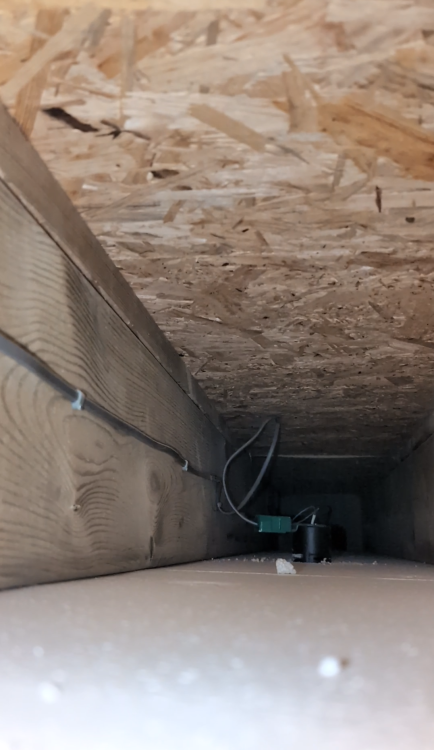
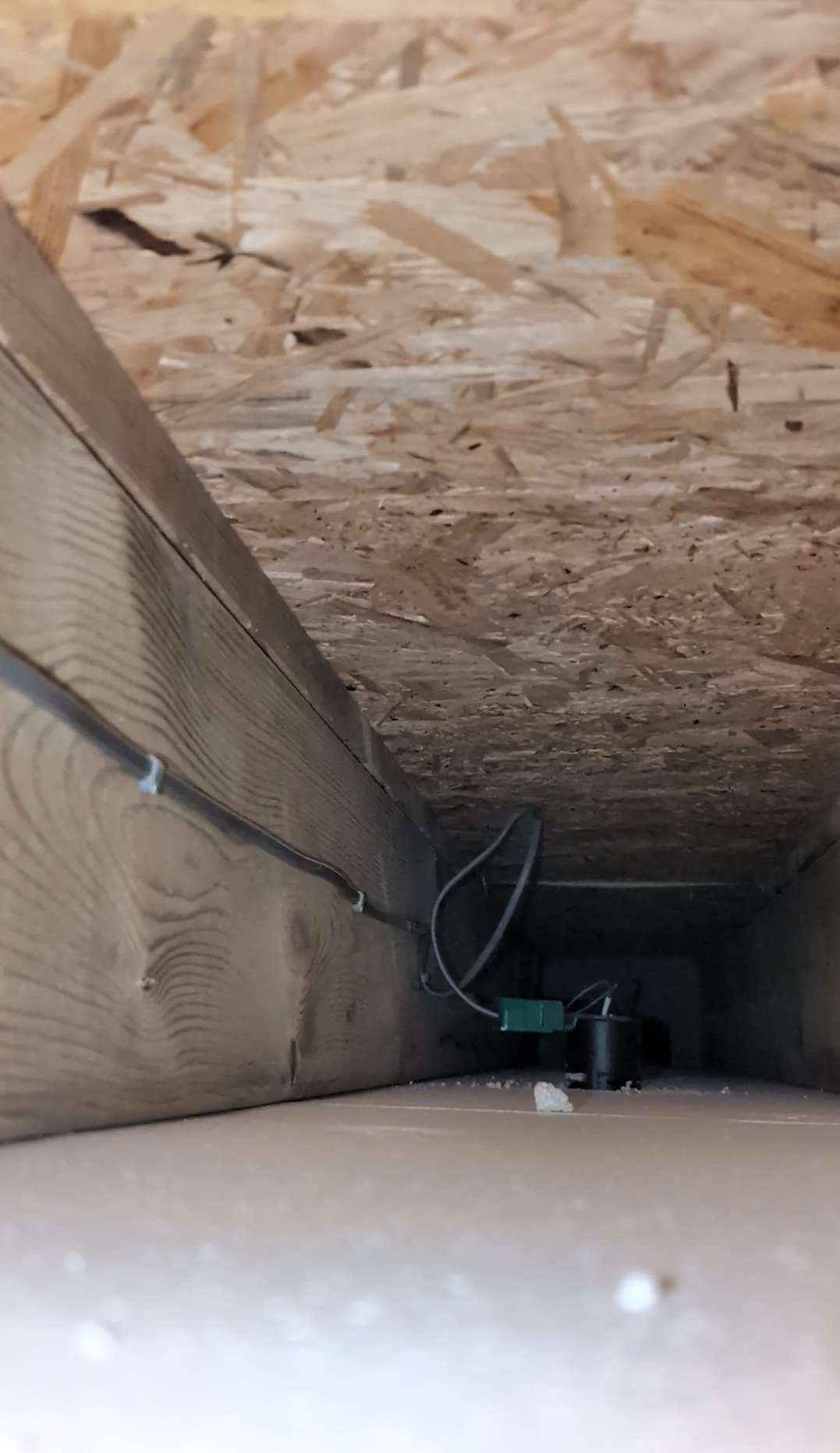
Hi, we moved into our house earlier this year which has a single storey flat roof extension on it. The hope was it would be lovely and warm, unfortunately we're finding it's not. I took a downlight out yesterday to have a look into the ceiling void. From what I can see this appears to be a warm roof. The ceiling is polystyrene backed plasterboard, there's then a void of around 200mm with a wooden deck. I am guessing (hoping) there is insulation laid above this underneath the roof itself. The tiny amount of polystyrene insulation on the back of the plasterboard would not meet modern insulation standards and building control would not have signed it off (I am guessing). This void appears to be pretty drafty and cool, so guessing there's some leaks somewhere. It's very difficult to find out exactly though as there's no access of course. One thing I am considering is overboarding the existing ceiling and lantern vertical sections with 50mm backed PIR insulation and then making it as airtight as possible to minimise moist air reaching the cavity. We have plenty of ceiling height to do this. Any thoughts on this approach?