


junglejim
-
Posts
281 -
Joined
-
Last visited
junglejim's Achievements

Regular Member (4/5)
7
Reputation
-
Lindab Plenum ceiling mounting?
junglejim replied to junglejim's topic in Mechanical Ventilation with Heat Recovery (MVHR)
Thanks Nick … the pictures didn’t load previously… looks good… really useful 👍 -
Lindab Plenum ceiling mounting?
junglejim replied to junglejim's topic in Mechanical Ventilation with Heat Recovery (MVHR)
Thanks. Posi’s are 22cm from very top to bottom so hoping I might get more than 100mm insulation in there. Good suggestion on the strong backs. I do have some narrower channels with no strong backs so predominantly going to use those but there will be a few places I need to scallop out. 👍 Do you have photos of your ceiling build up? Would be interested to see and get a visual in my head. cheers -
Lindab Plenum ceiling mounting?
junglejim replied to junglejim's topic in Mechanical Ventilation with Heat Recovery (MVHR)
Thanks that’s useful. Still trying work out the best build up for my ceiling. The posi joists upper cord is about 45mm and there are regular noggins with the same gap above so thinking maybe 50mm Rockwool rwa45 then MVHR ducts then another layer of acoustic insulation. I feel like the ceiling should have as much insulation as I can get in but realise I also don’t want to be insulating the wiring . I’m probably way off here so really interested in what others do… another steep learning curve!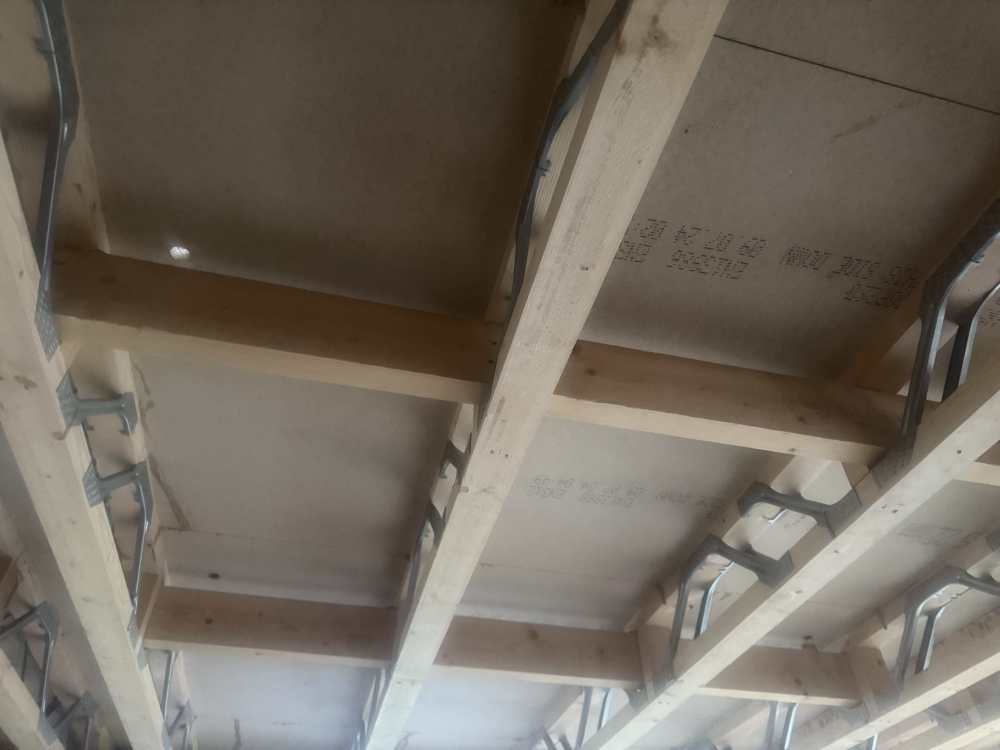
-
My MVHR parts have arrived 😀 I have plvcu ceiling/wall plenums and wondering the best way to mount within the ceiling. The mounting tabs are useful but not sure whether to go direct to the underside of the 22mm egger floor above or whether I need to fit a piece of timber for each one and screw into that. Any advice and photos would be really appreciated. Thanks
-
Acoustic insulation thickness and wiring in studs
junglejim replied to junglejim's topic in Timber Frame
Thanks Nick that picture’s really useful too 👍 -
Acoustic insulation thickness and wiring in studs
junglejim replied to junglejim's topic in Timber Frame
Thanks Nick. I assumed the 100mm would just compress slightly which i don’t think would affect acoustic performance too much? -
Acoustic insulation thickness and wiring in studs
junglejim replied to junglejim's topic in Timber Frame
Thanks John. That’s interesting. I was pushing the insulation right up to one face and running the electrics behind where electrics are only on one side. I’m wondering how easy the slab will stay in position if it’s in the Centre. -
Possibly a can of worms question but my internal studs are 89mm deep and we’re looking to use Rockwool rwa45 slabs. First question is thickness: local merchant stocks 50 and 100mm so was going to go 100 but now wondering how best to manage wiring ie to sockets and light switches within that? Many thanks
-
I’m wondering what folks use for manifold water system. I like the way it’s done in Scandinavia and they seem to use pex-a. Local merchant has suggested easy lay but I’m not sure of the differences, advantages etc or best system to couple either with for connections etc. Any experience/advice/photos appreciated. Thank you
-
Thanks John sorry I wasn’t clear enough…internal face of external wall.
-
I’m wanting a couple of sockets on external walls they are battened at 600 centres with 38x50 and have super quilt then osb and timbers frame. I’m wondering if anything has any tips on getting back boxes into here. 38mm depth sounds ample. With a 25mm shallow back box I’d be looking to recess 13mm so not much but struggling to get any kind of noggin etc behind. I’ve tried the telescopic metal brackets but still struggling as the depth is much shallower than they are designed for. Any ideas? … I’d rather not bring the whole wall out for a couple of sockets. Ta
-
Thanks for the detail. I think now that one I counter batten the ceiling there may be enough room beneath the strongbacks to accommodate the ducts 🤞 really useful info though so much appreciated.
-
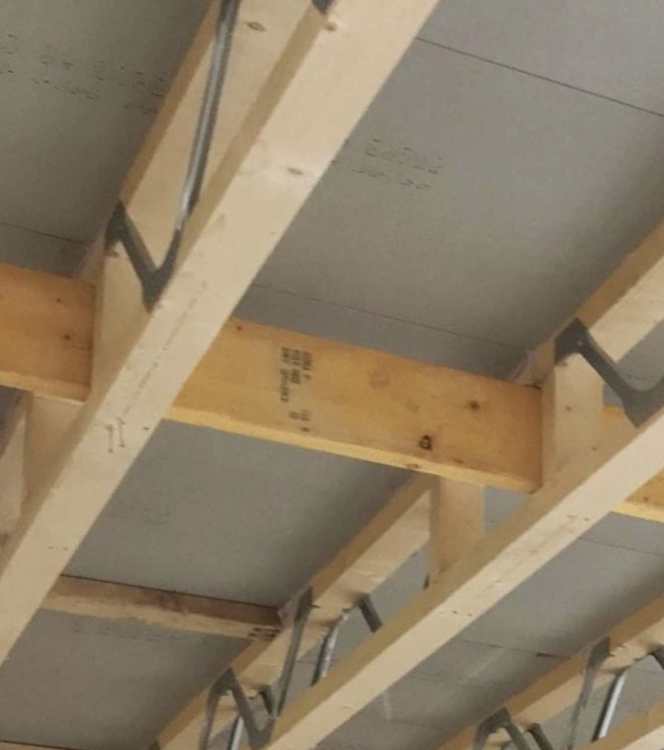
My posi joists are joined with cross members like the attached. I’m wondering if can drill through those or take out to run MVHR ducting along the length? The open web is great for running across the building but I also need to go parallel to joists. Any advice appreciated thank you
-
Hi, I’ve got my MVHR designs but wondering about coming up through the floors deck (above posi joists). I have one section where all of my upstairs ducts will come through as o 7 ducts each with 75mm diameter. I’m wondering whether I should cut a rectangular section and add noggins around the edges of deck or individual circular holes or something else? Thanks
-
I’m going to be adding battens to the underside of posi joists to ensure a flat surface and additional service cavity. I’m wondering the best size to use (was thinking 25x50) and also trying to work out hope to finish the edges where they overhang the joists to the wall. Any photos of similar appreciated. Thanks


