newbie282
-
Posts
15 -
Joined
-
Last visited
newbie282's Achievements

Member (3/5)
0
Reputation
-
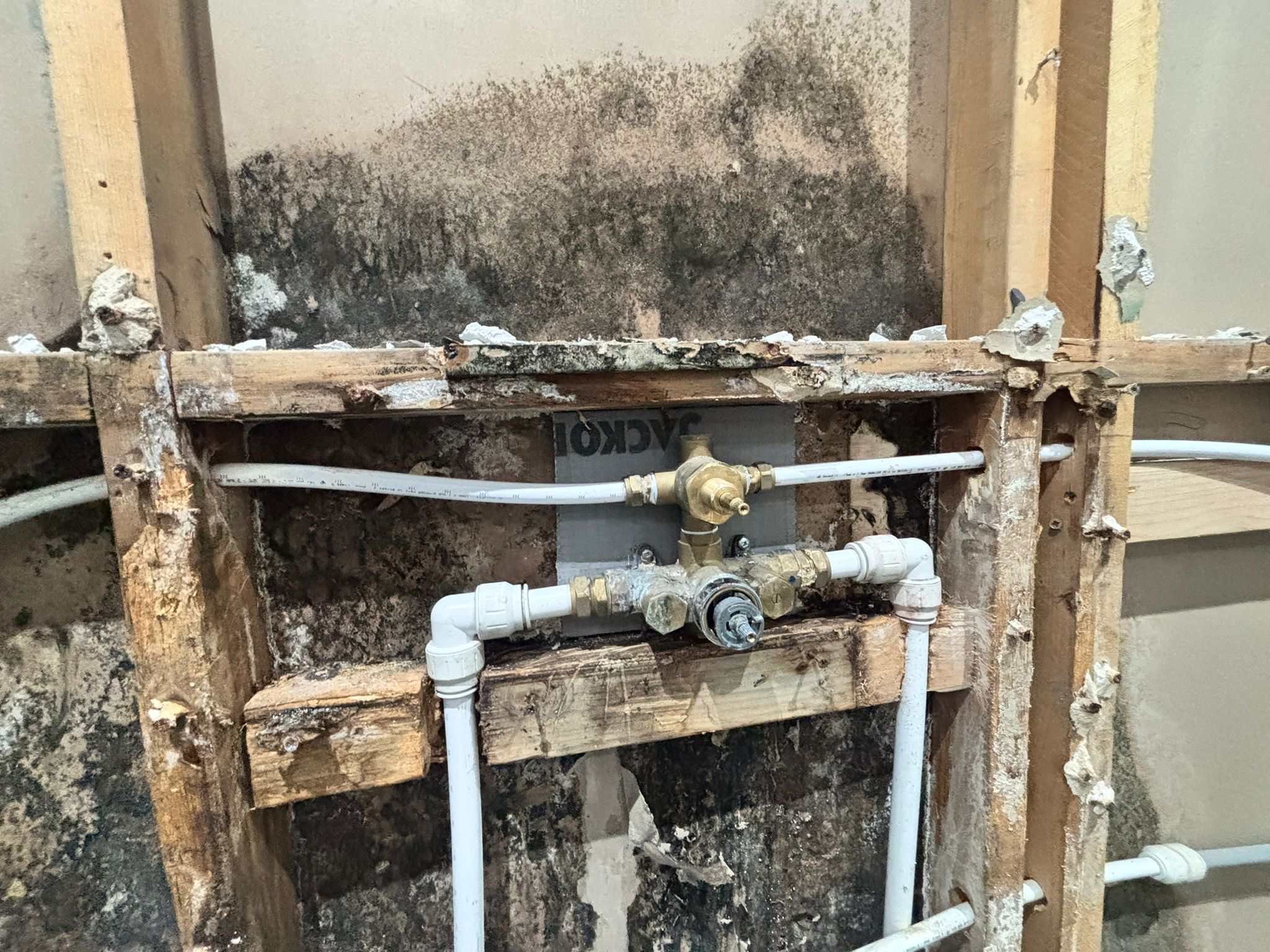
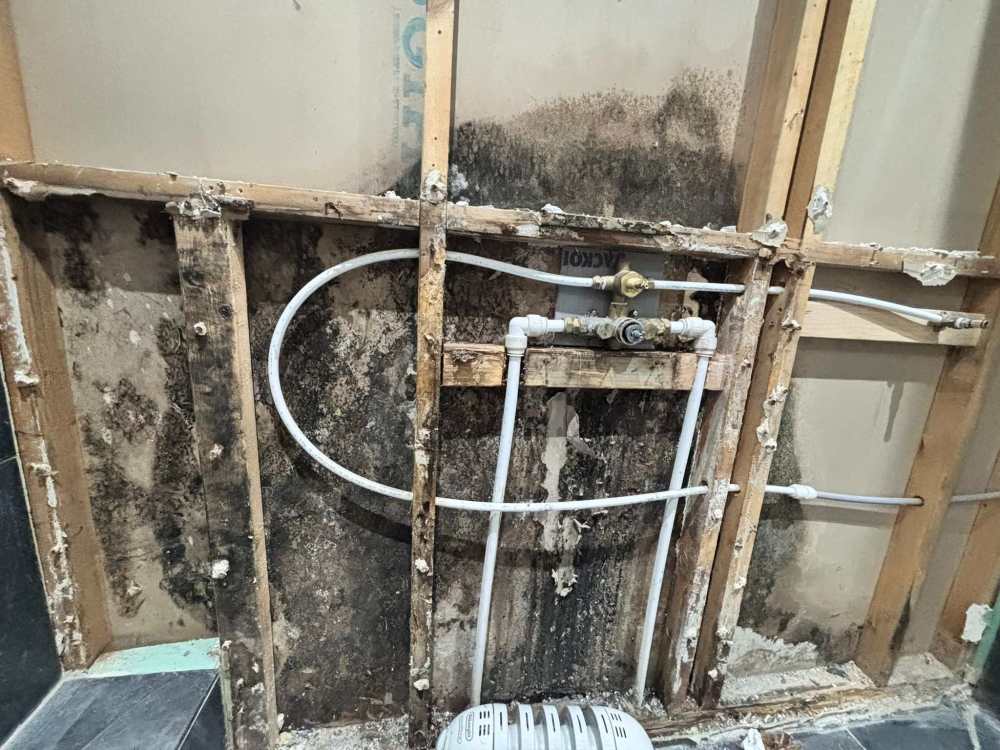
Do you mean attach copper pipe in the bit marked with arrow in picture?

-
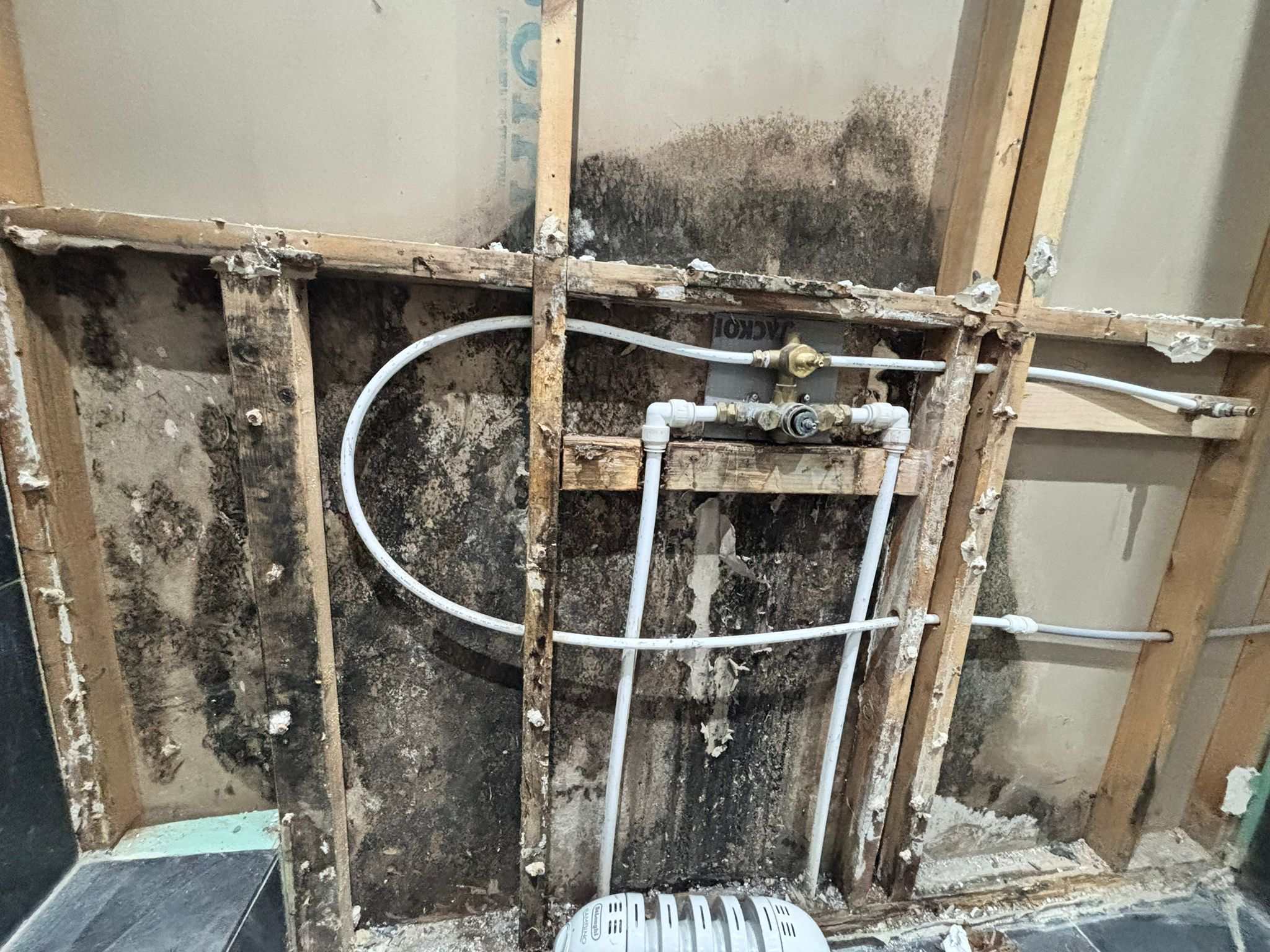
Thank you for explaining it. What fittings should be used then to avoid future leaks? Plastic compression fittings on plastic pipes??
-
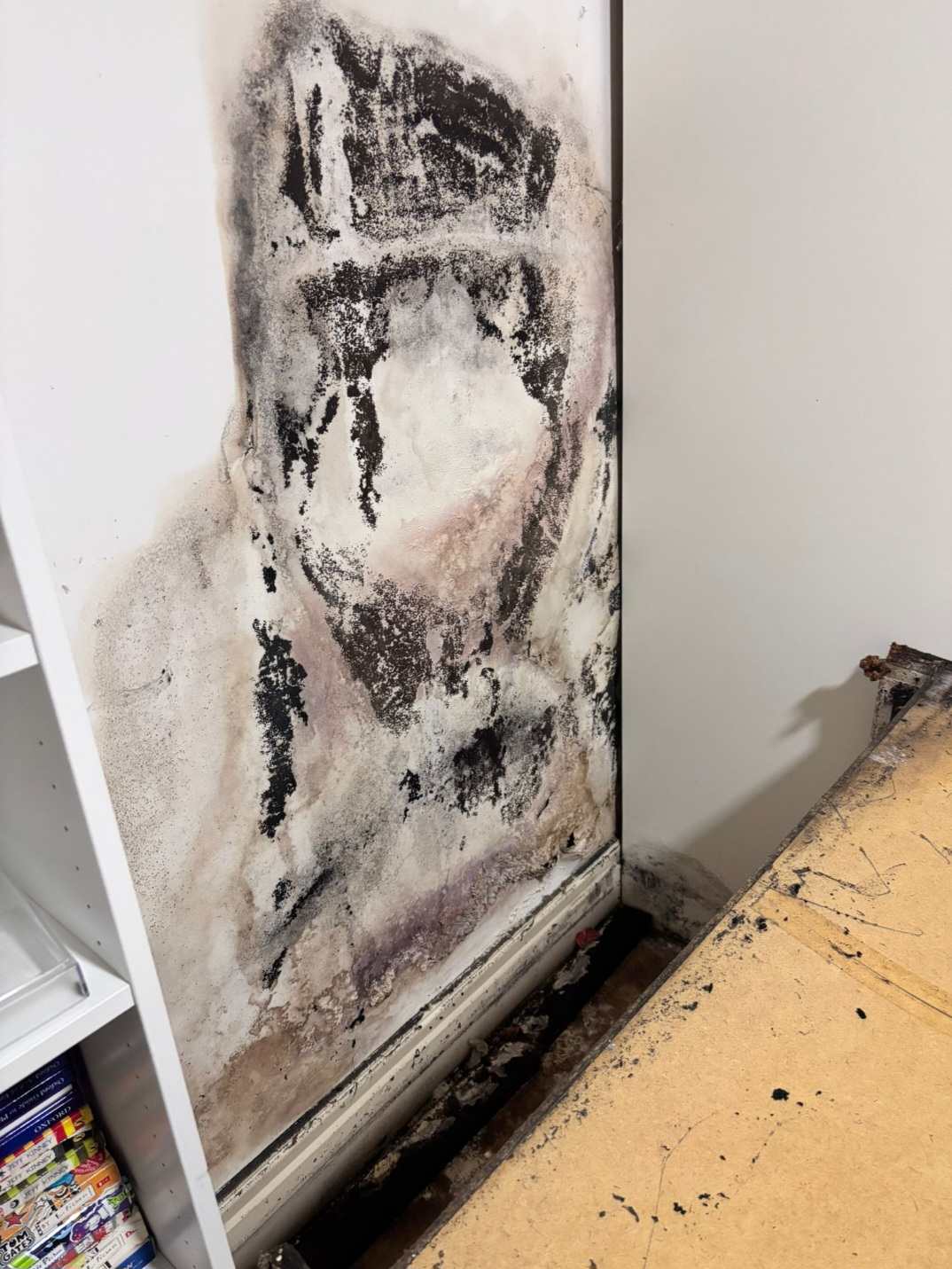
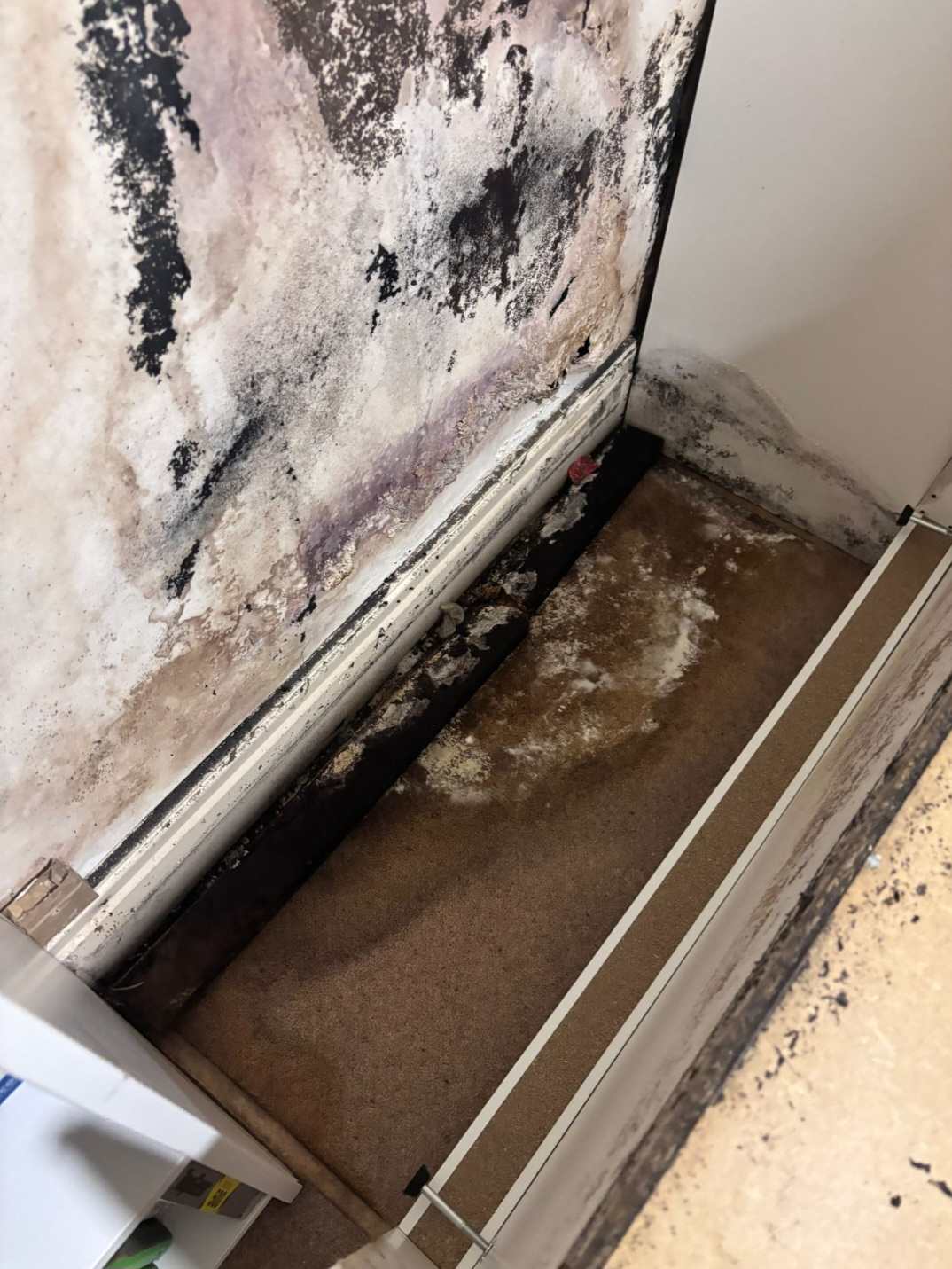
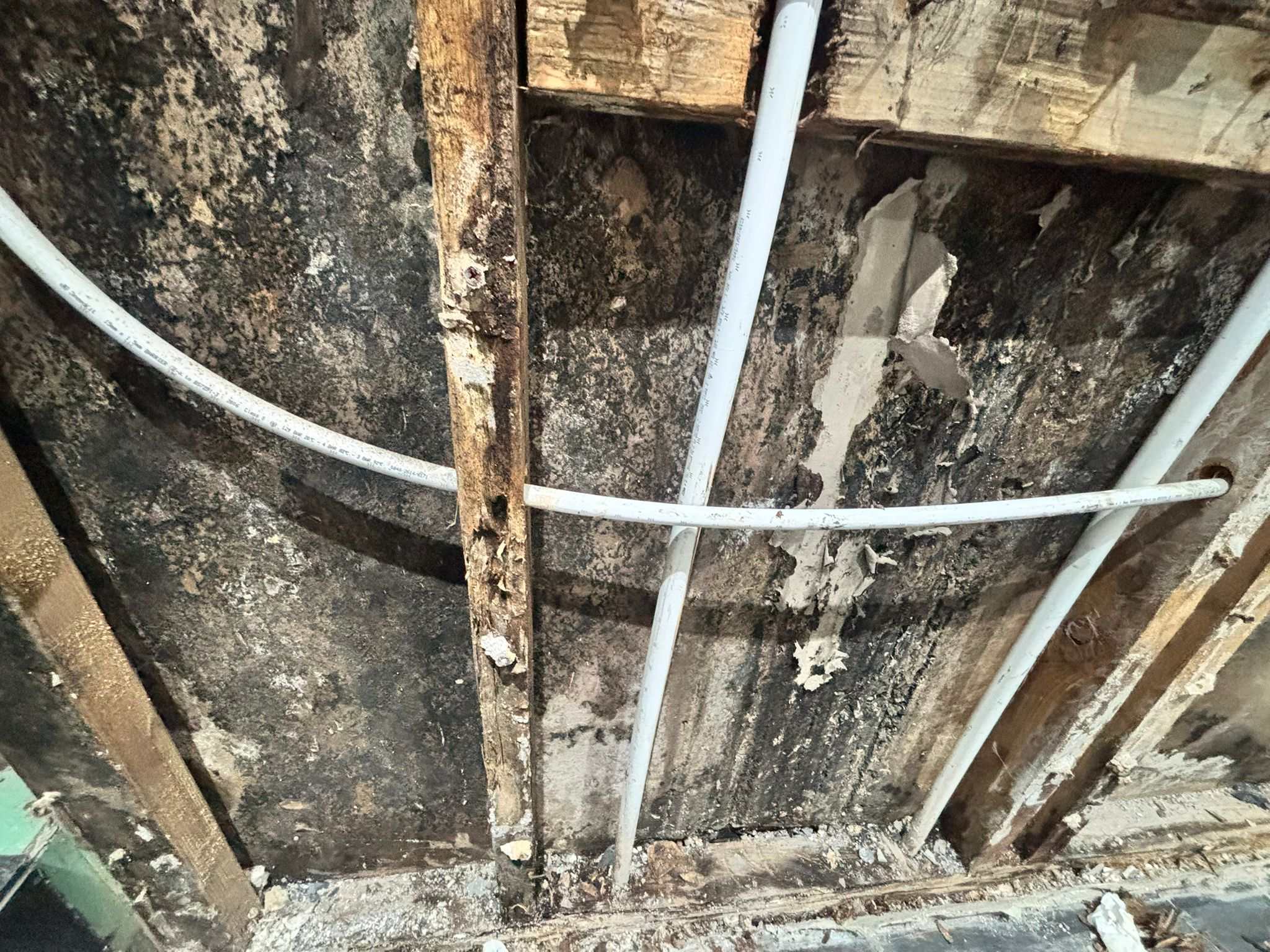
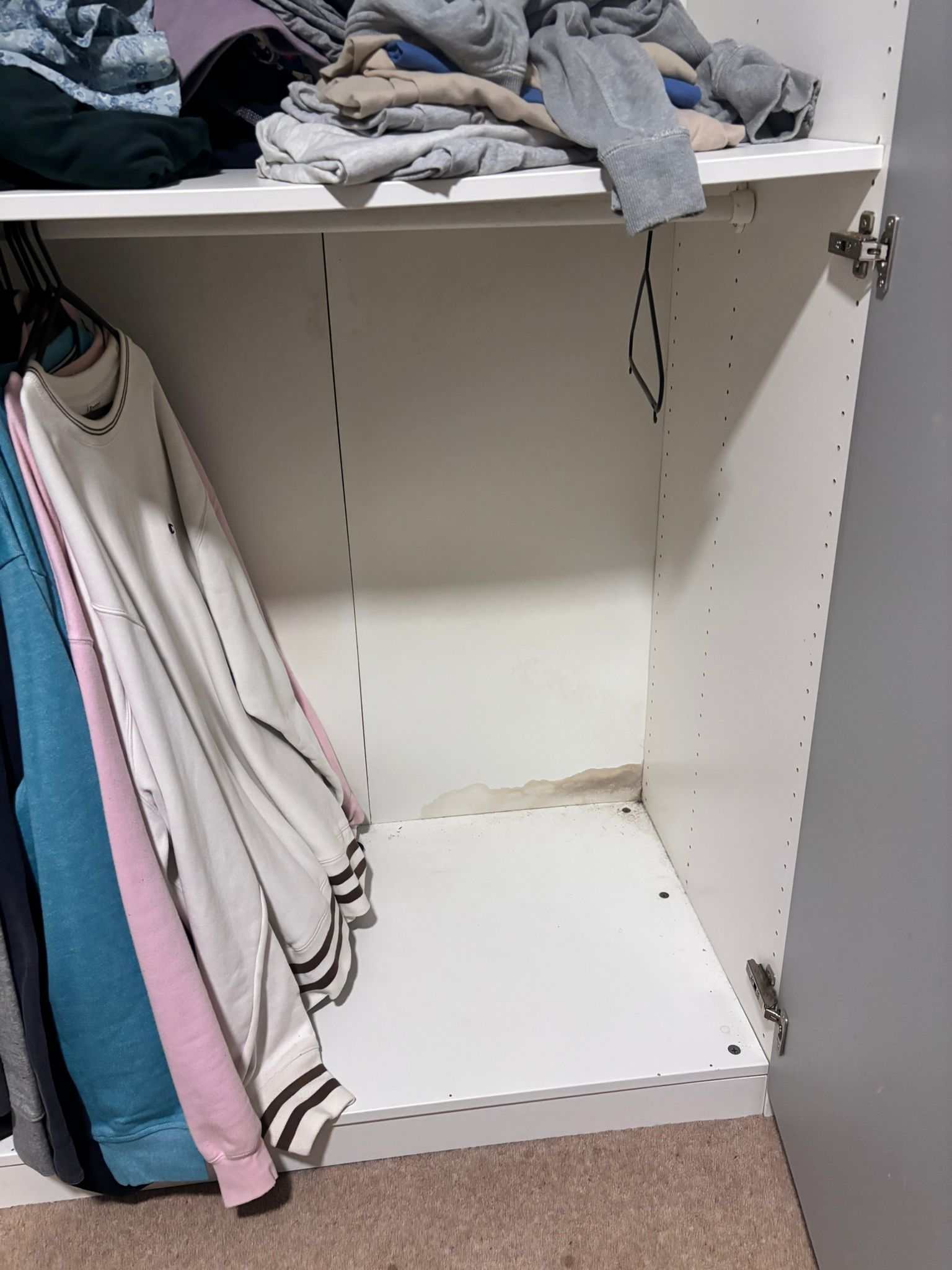
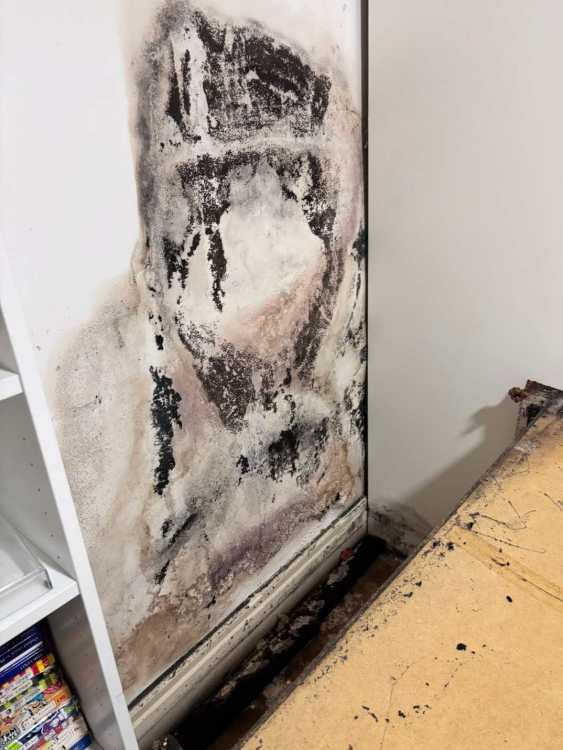
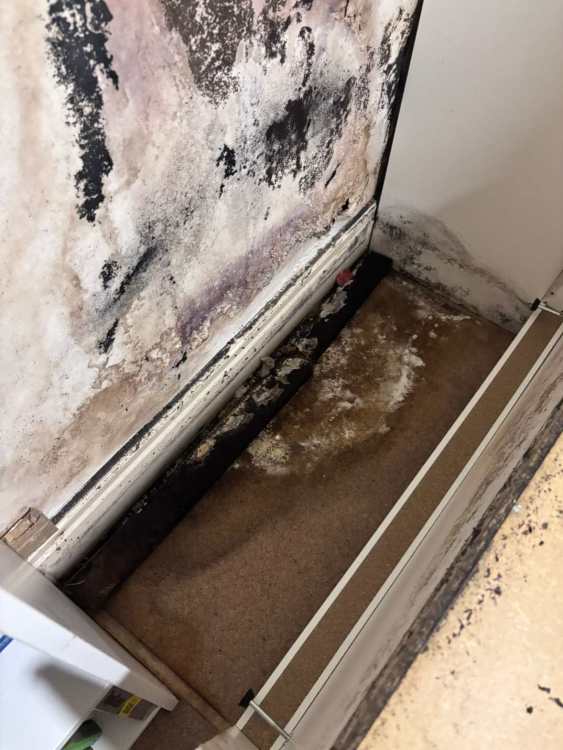
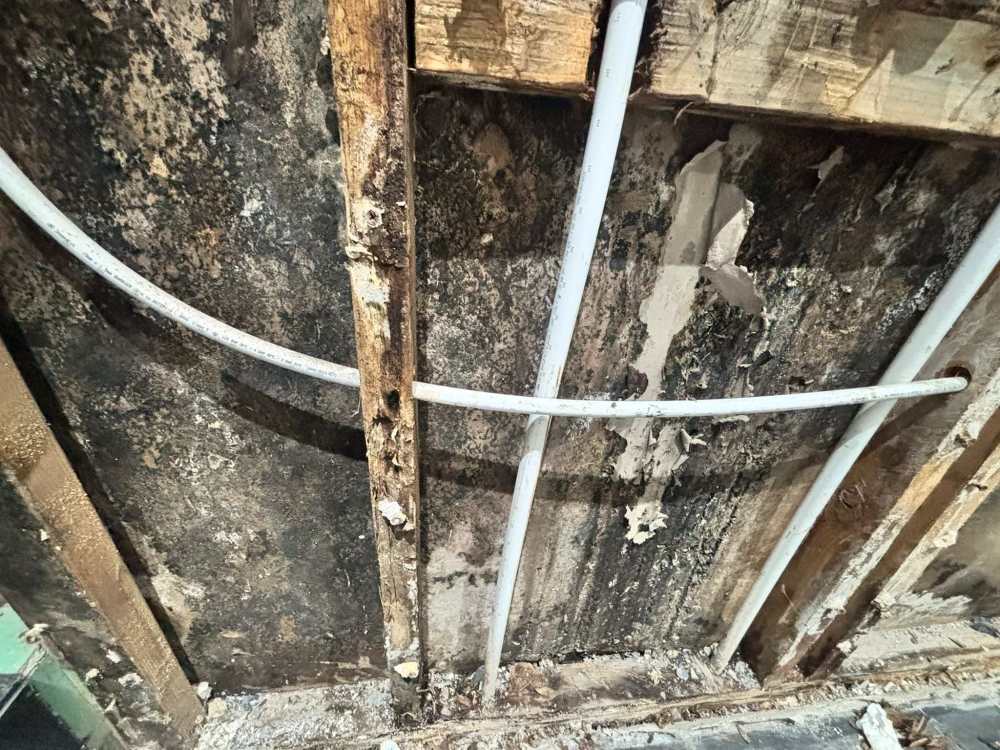
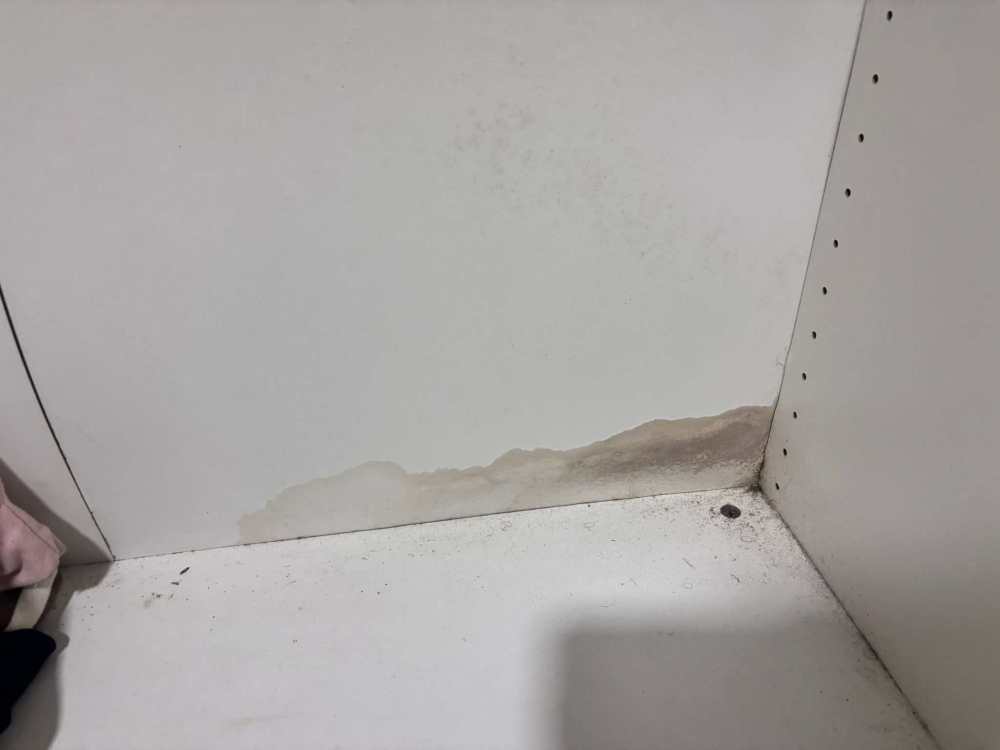
Thank you all so much. We took out the wardrobe as per your suggestions & glad we did ! The wall is covered in mould !
-
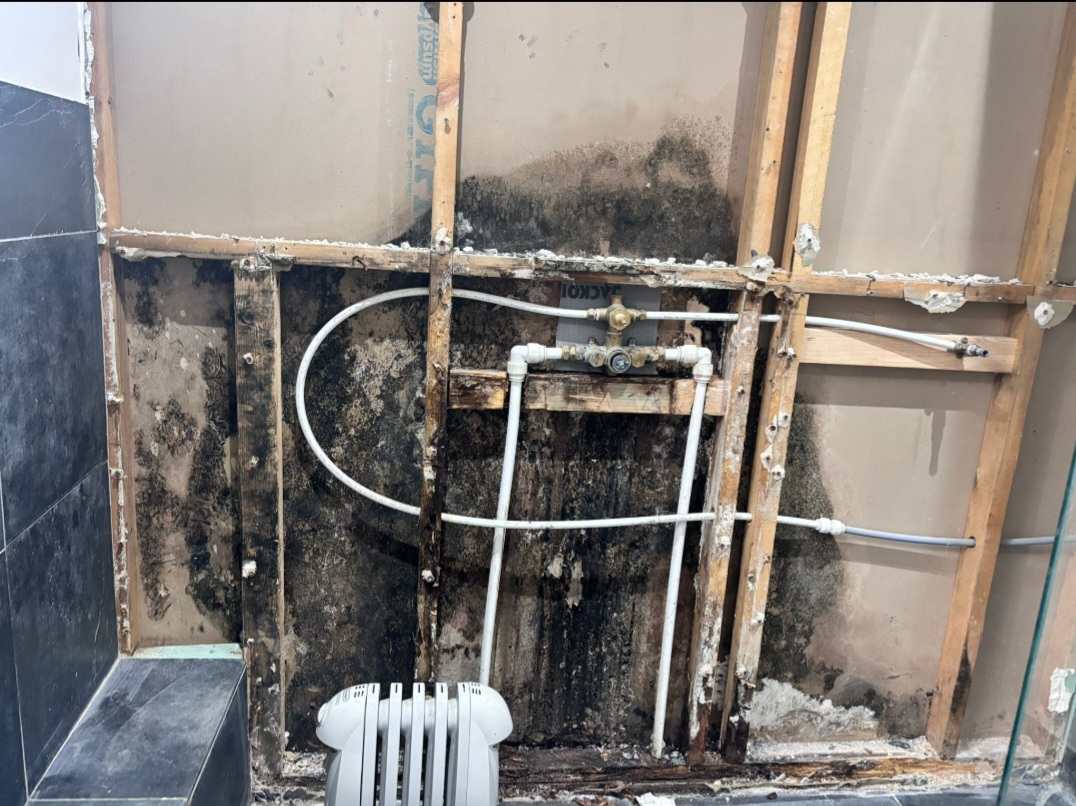
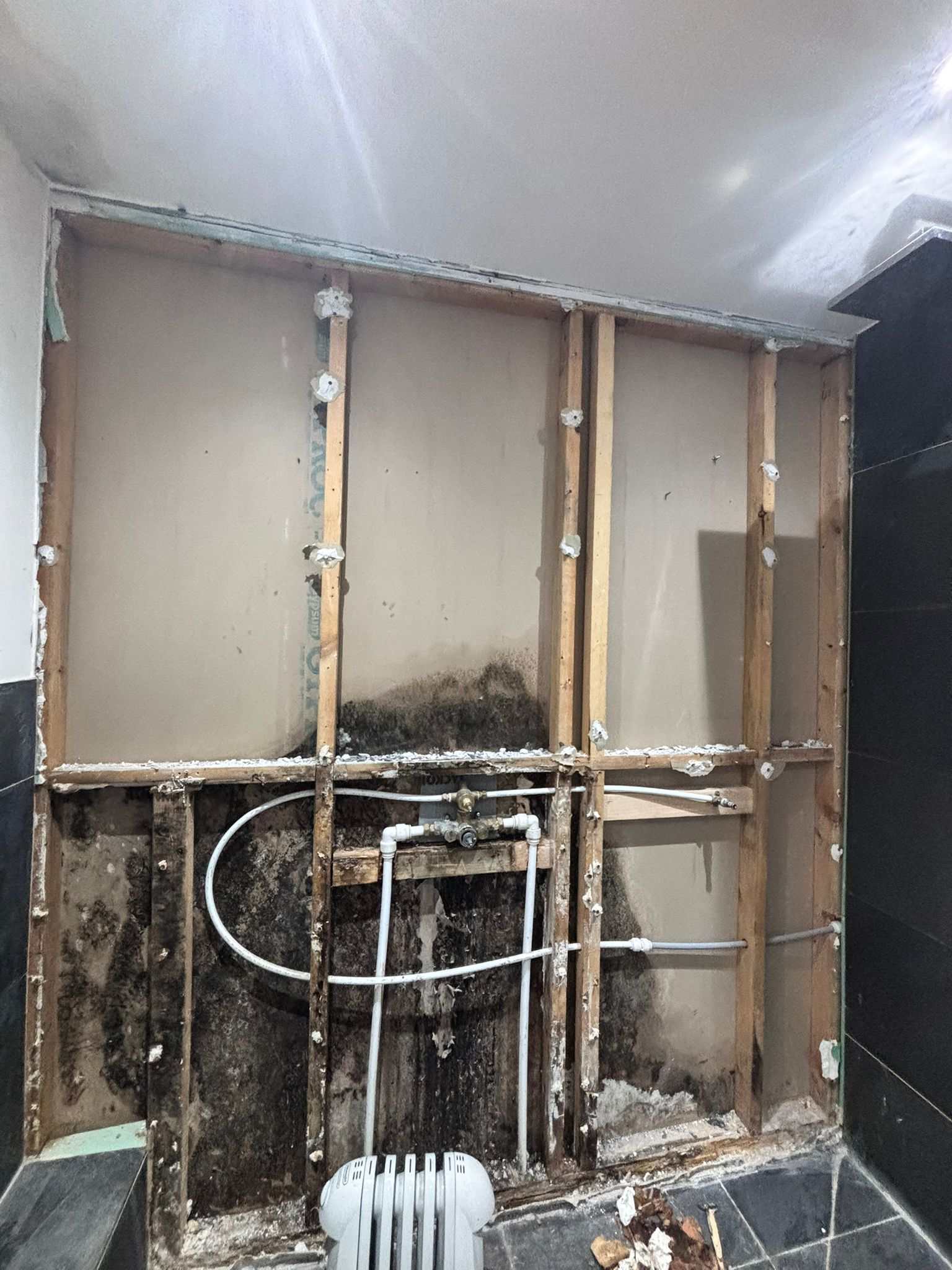
That's what I thought too. Not sure why our plumbers think its ok to be left as it is?? Just checking possible scenarios, If we leave it as it is after air drying for few days & cover it with a new plasterboard & tiles, what could be any possible future repercussions??
-
Not sure if there is space between the 2 boards??
-
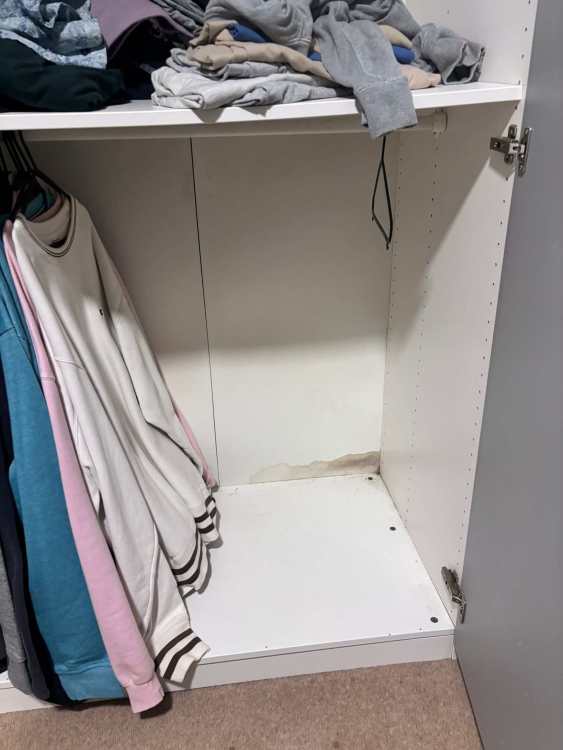
Yes, that's right. The layers are the board which has been removed then the plasterboard of bedroom then comes the back of the wardrobe.
-
Sorry, what does that mean? I have absolutely zero knowledge on this. Does something need to change on pipe??
-
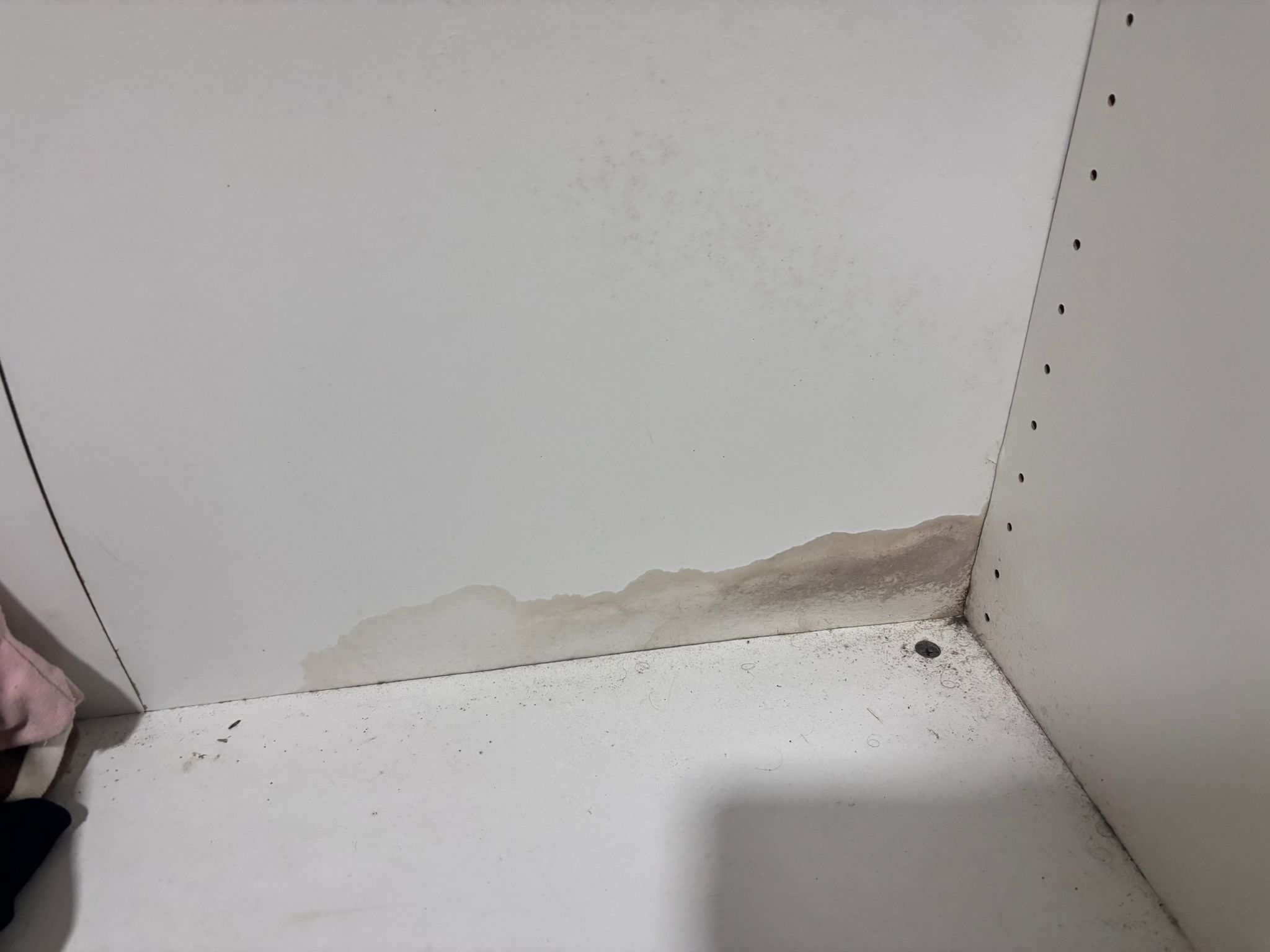
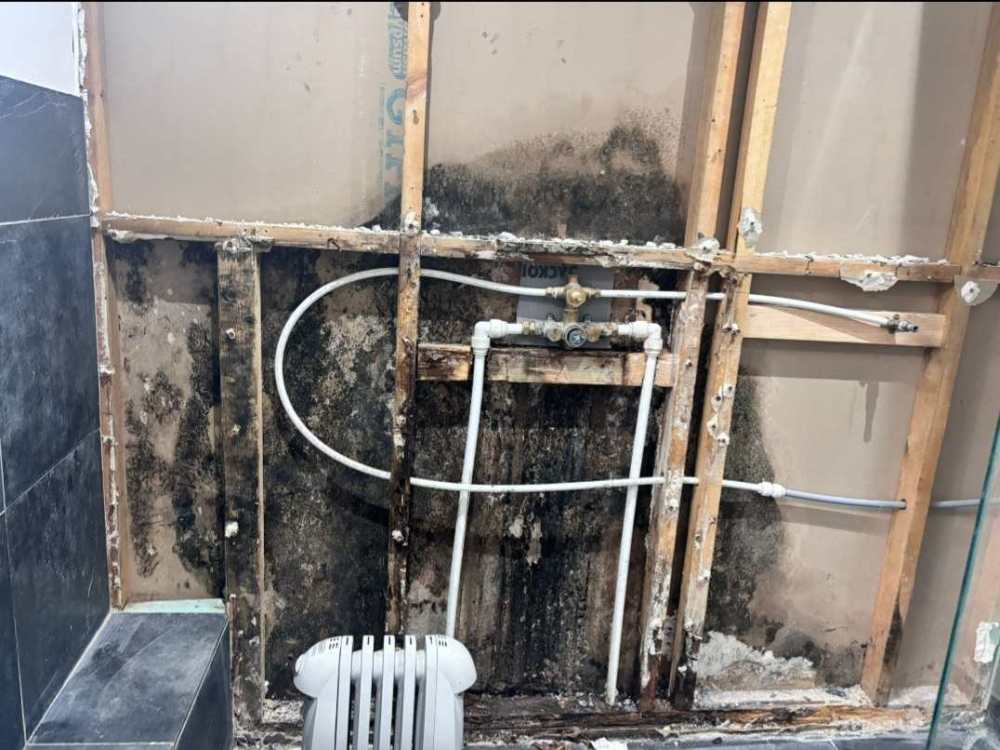
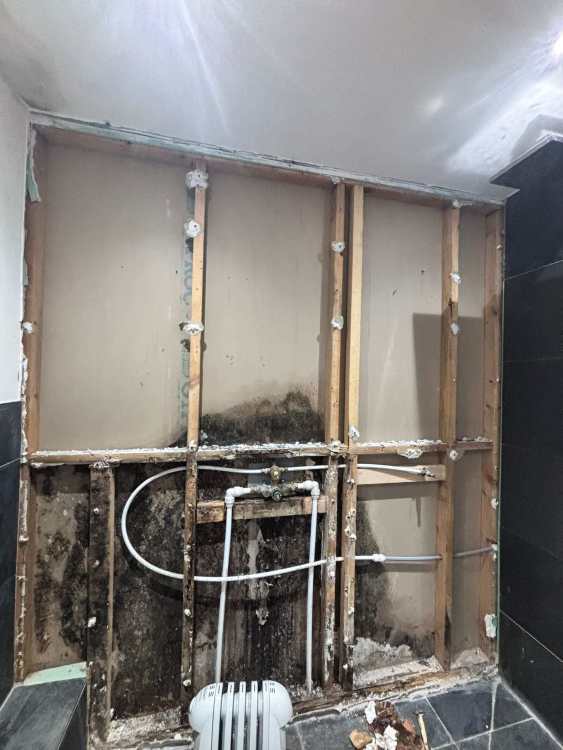
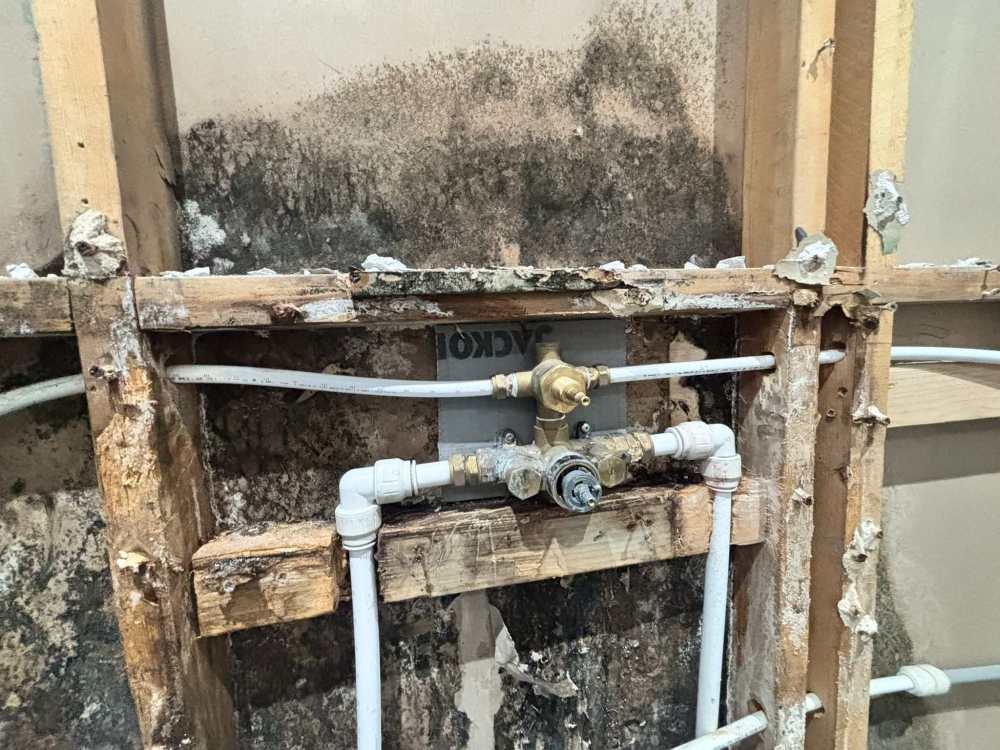
Hi all, We are in the midst of a bathroom refurbishment & just discovered a leak behind a wall. This wall backs onto a bedroom where there is a wardrobe. We can see the damp has reached the backpanel of the wardrobe? The leak has now been sorted. Our plumbers are saying there is no need to replace the timber which can be seen in the attached pictures? There is a smell emanating currently. They have suggested to air dry it for few days & they would then install plasterboard on top & then tiles. But as it looks so bad, I'm a bit anxious if it will cause any issues in future, if we dont replace this wet or damp timber?? Can any of you kindly advise & give your expert opinion on what needs to be done? Is it ok to do as the plumbers are suggesting? Or should we replace the timber? If its ok to continue with current damp timber, should we take any additional precuations while building the wall?? Thanks in advance !
-
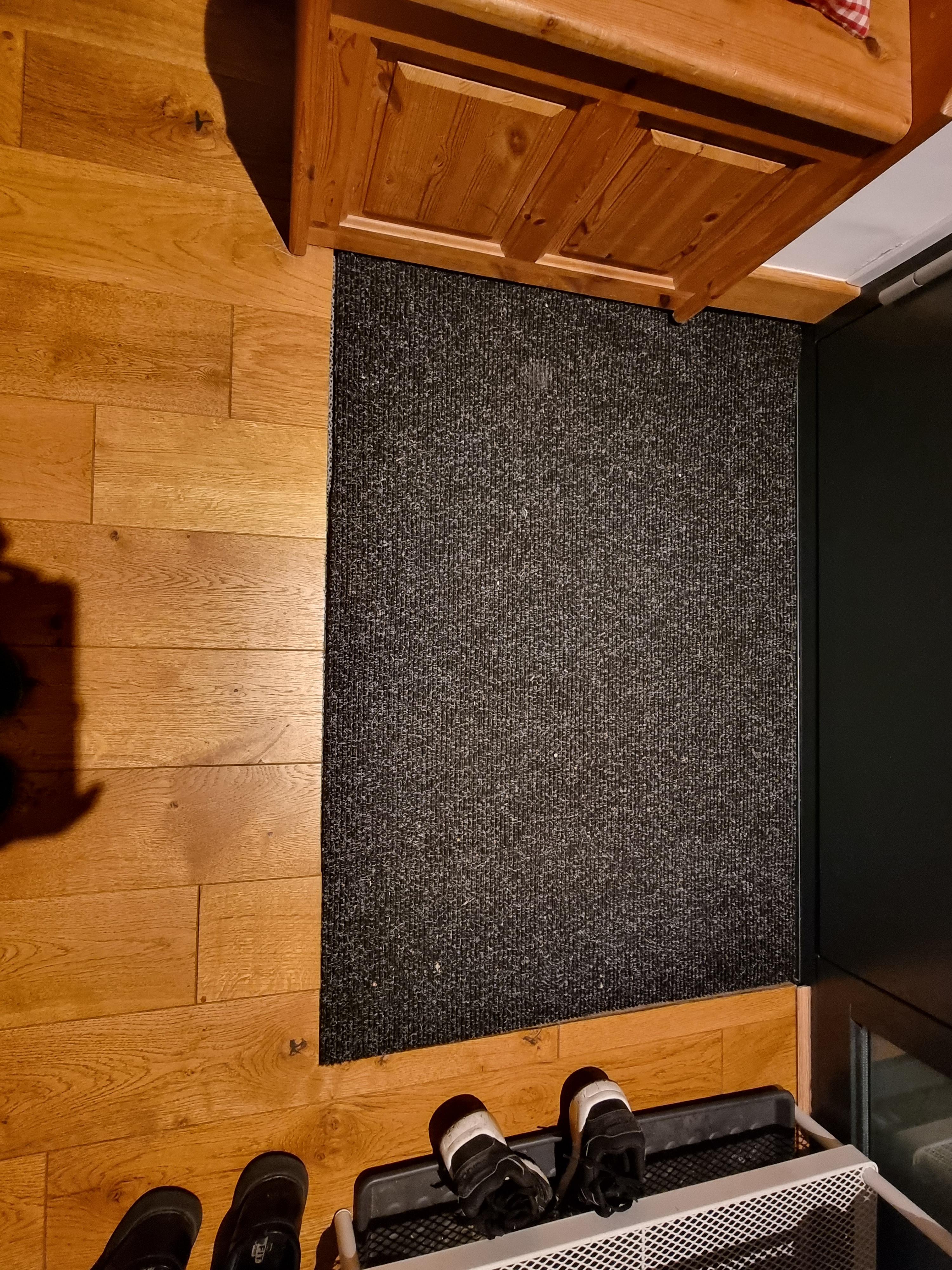
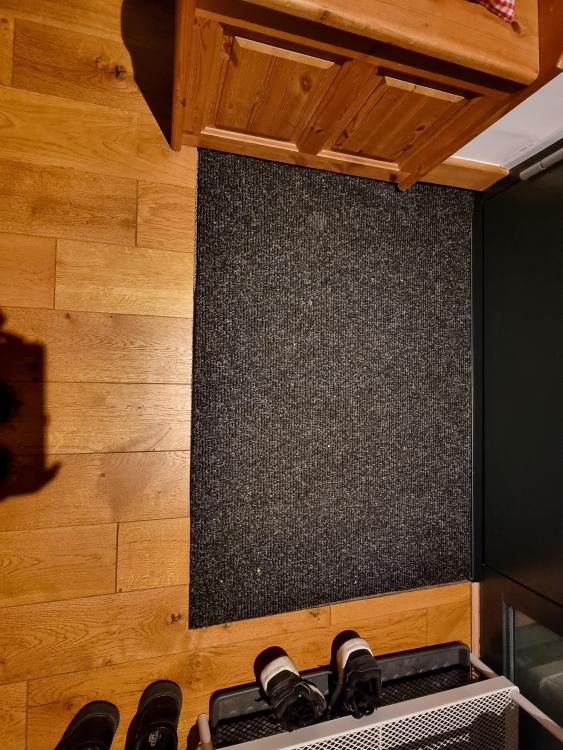
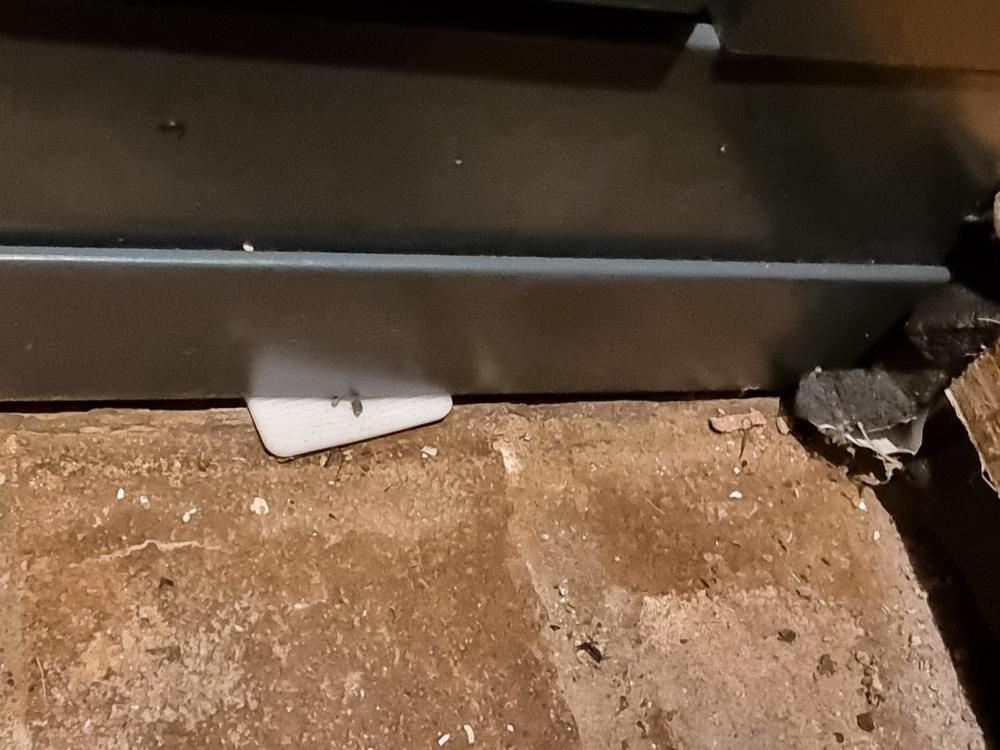
We have engineered floor in most of our living spaces. But right near the front entrance door, there is a fairly medium sized void in the floor which is missing underlay or a proper floor covering. The floor in this area seems to be concrete? To match the level of the existing floor, there are several plastic door mats placed on top of each other on top of this concrete & right at the top is a cloth based door mat. Aesthetically it works but not sure if this is the best way for Insulation? Our hallway seems to be colder than the rest of the house & we can feel draughts coming from around this area. I have used foam strips to stuff gaps in this area as a temp measure, esp around the edges. Can anyone suggest what should be done ?? Can hot air escape via this floor void?
-
Thanks for your responses. Wish I could get him to sort it ! But that's another story.... I have never used expanding foam before. Could I use expanding foam to fill the gap & paint over it? Or is the gap too small for it?
-
Thank you both for your quick responses, esp recommendations of products. Can Illsbruck & Soudal expanding foam be used on floors too? I have posted another thread where I have large gaps beneath the dishwasher, thats another source of draughts ! My house is full of gaps ! Sorry for this stupid Q, but are these expanding foam makes safe to use close to electric cables & gas pipes?
-
Draughts beneath plinth where dishwasher located
newbie282 replied to newbie282's topic in Heat Insulation
Thank you all for your quick responses. Our plumber said there will be damp? If those holes are closed? Guessing he's wrong from your answers. I didn't want to sort one issue & thereby start another issue. -
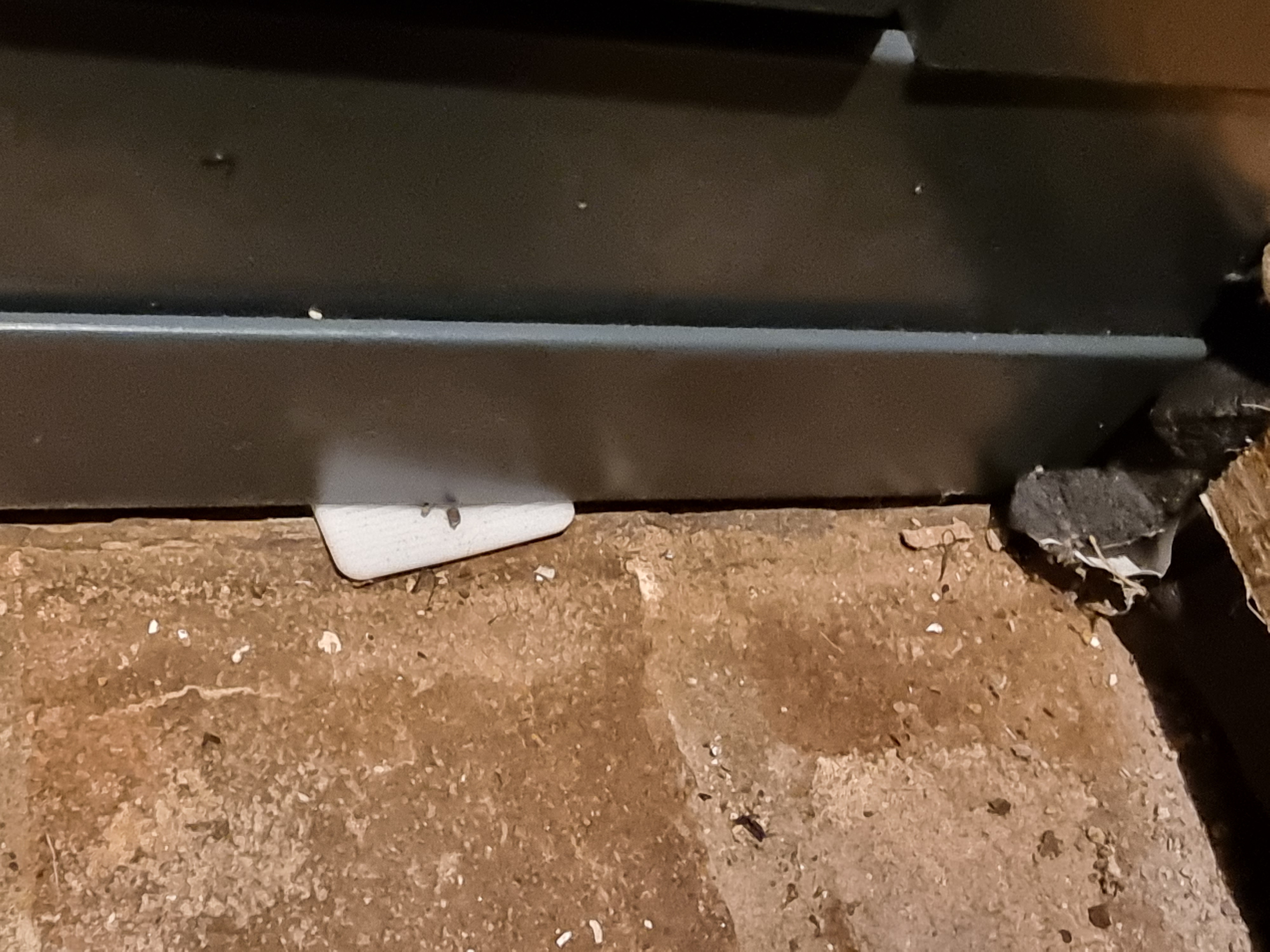
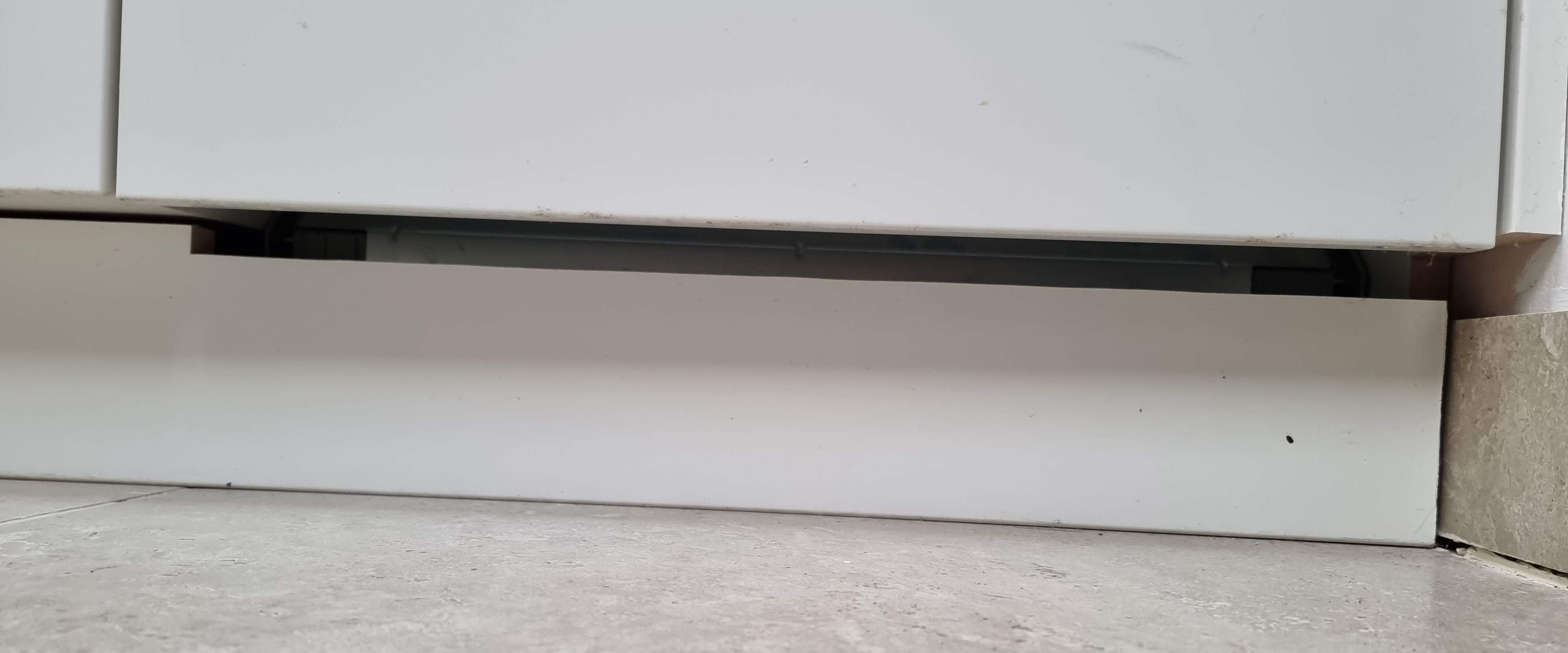
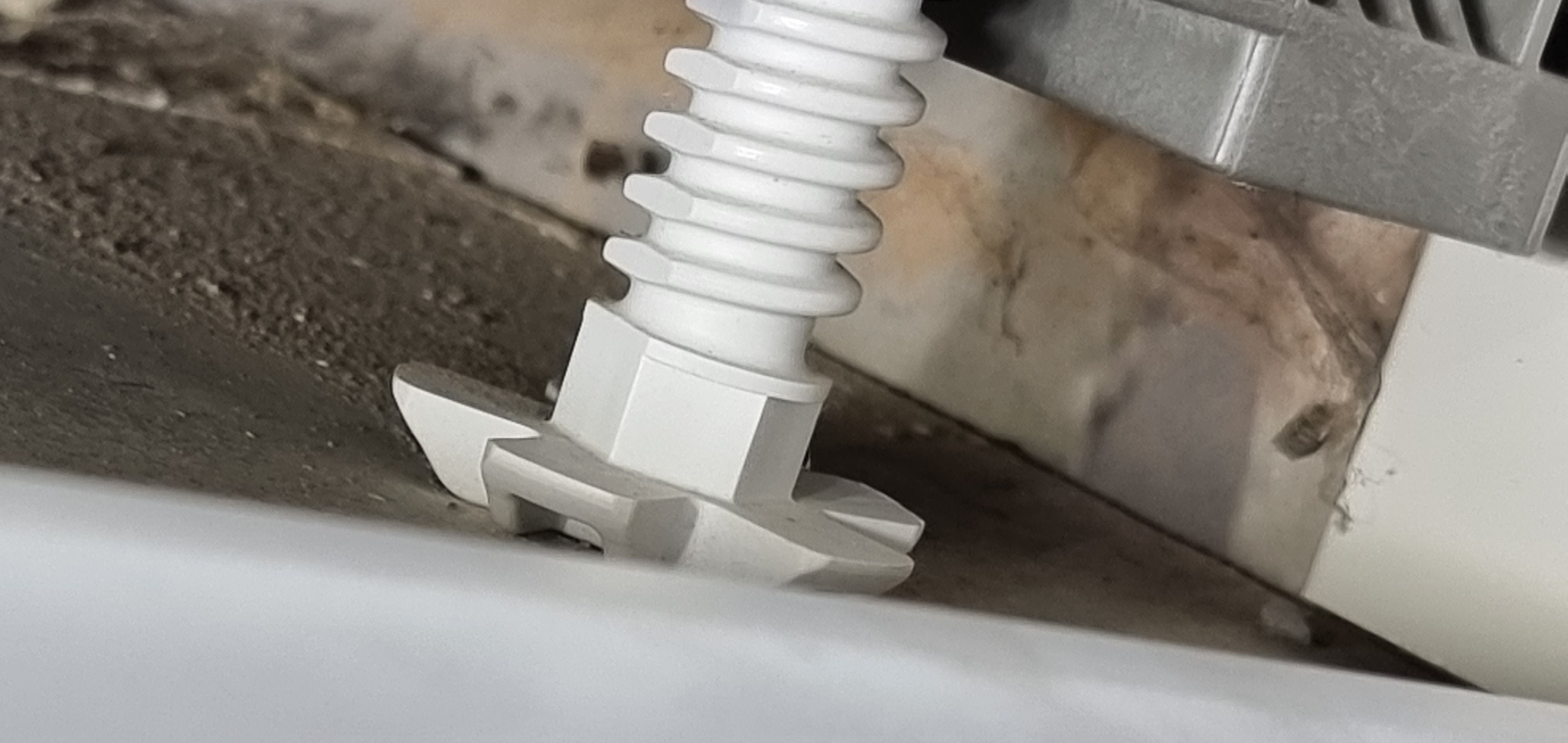
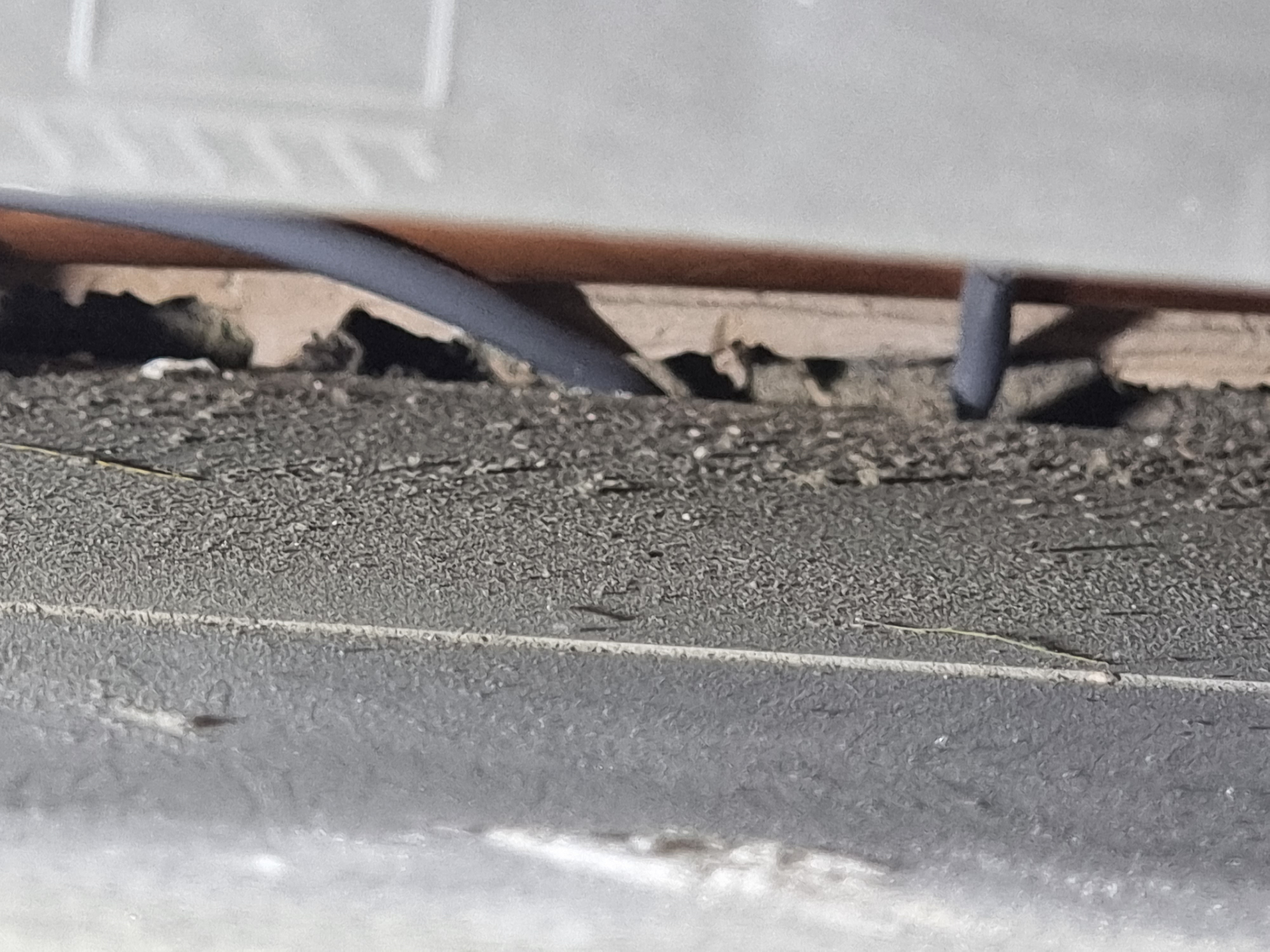
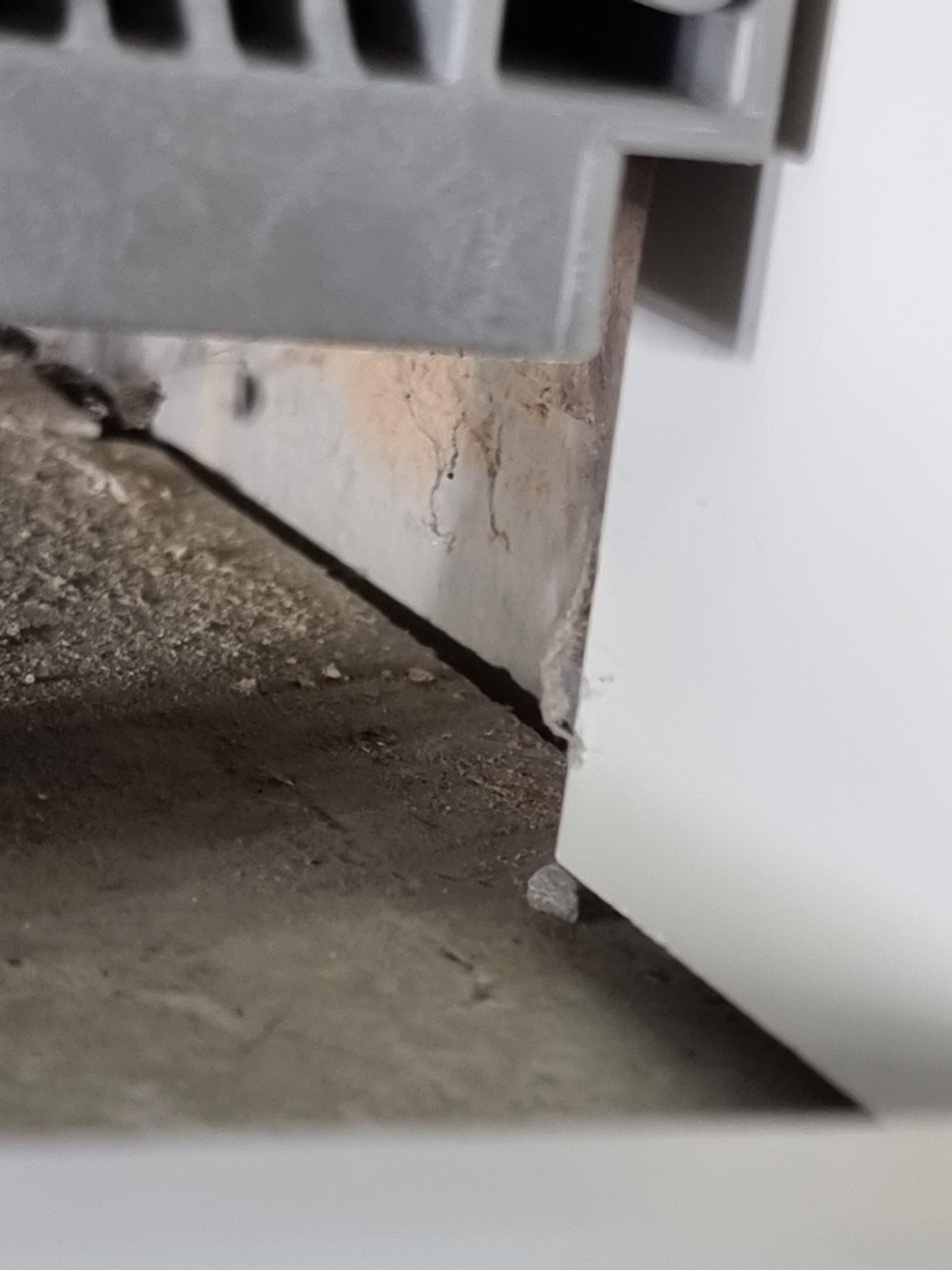
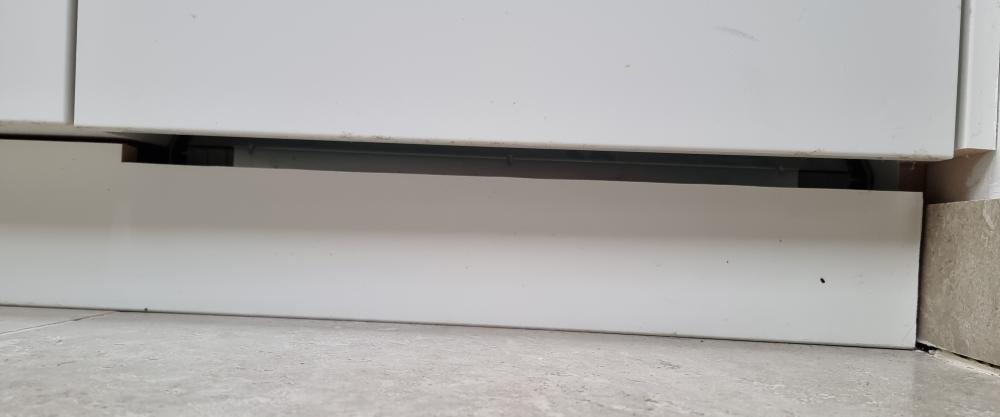
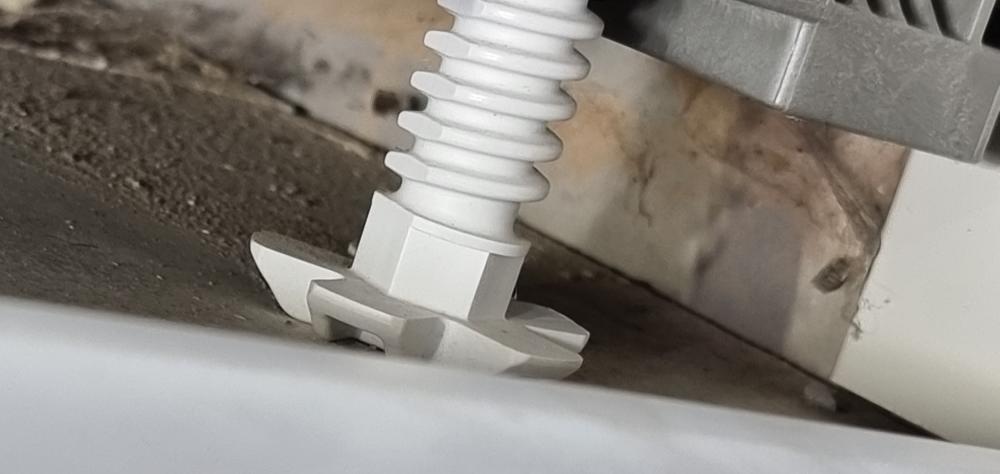
Hi, a newbie here ! Tackling lots of jobs around the house & wanted advice on heat loss / ventilation. There's a strong draught coming through from beneath the integrated dishwasher. Kitchen fitters have cut a hole in the plinth beneath dishwasher, so that it can open. But it's letting draught in. We had a plumber around to get him to seal the small holes pipes running around dishwasher but he said that's not advisable? There are also fairly wide gaps where the walls meet the f on floor on 2 sides. He said they are best kept for ventilation? We have suspended flooring. He suggested closing the hole in the plinth rather than the source of the draughts, so that it is ventilated. A). I'm confused. Should I close the sources or just the hole in the plinth ? Is it right what he said about ventilation? B). If the sources, how can I close them? Expanding foam? The holes are not easy to reach, which makes the job even more difficult. Plumber said he can't take dishwasher out as it's integrated. C). Do the products need to be stuff that's safe to use around gas pipe & electrics?? if so, which are they? D).If the plinth is to be closed, how can I do that? The hole needs to be retained in some way, so we could pull the plinth out in future for any reason. There's not much surface area to drill a brush draught excluder. Any other products I could use ? Please see attached pics. Any help much appreciated !
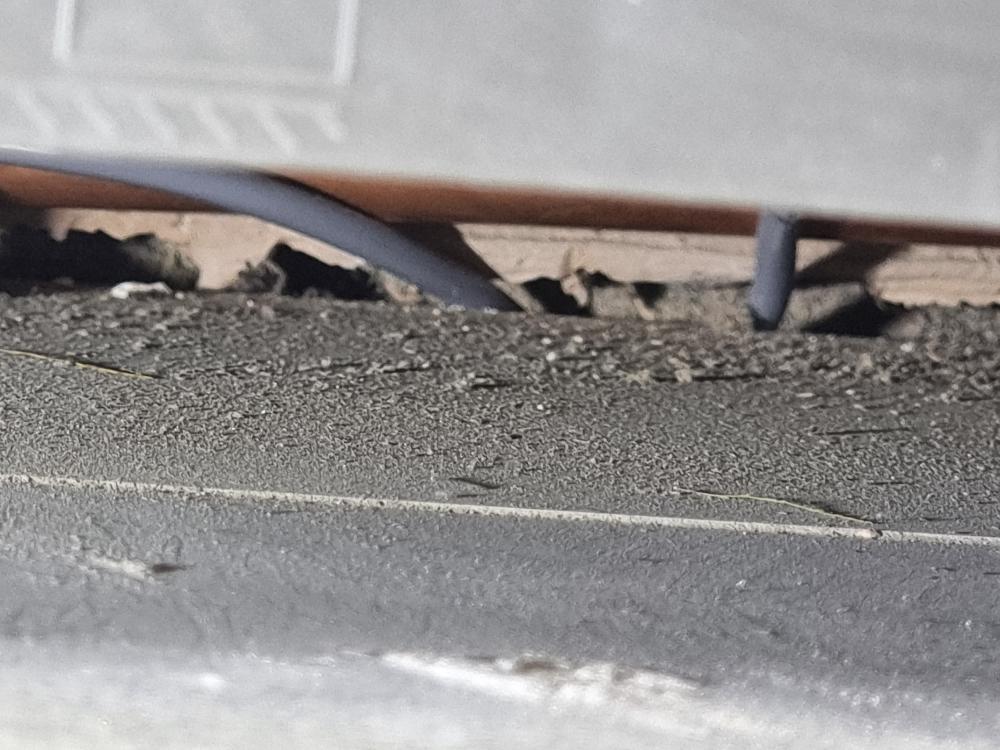
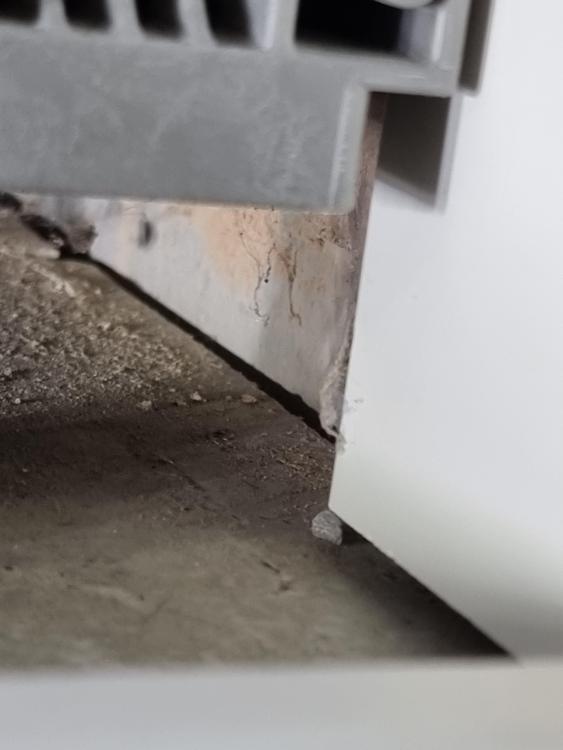
-
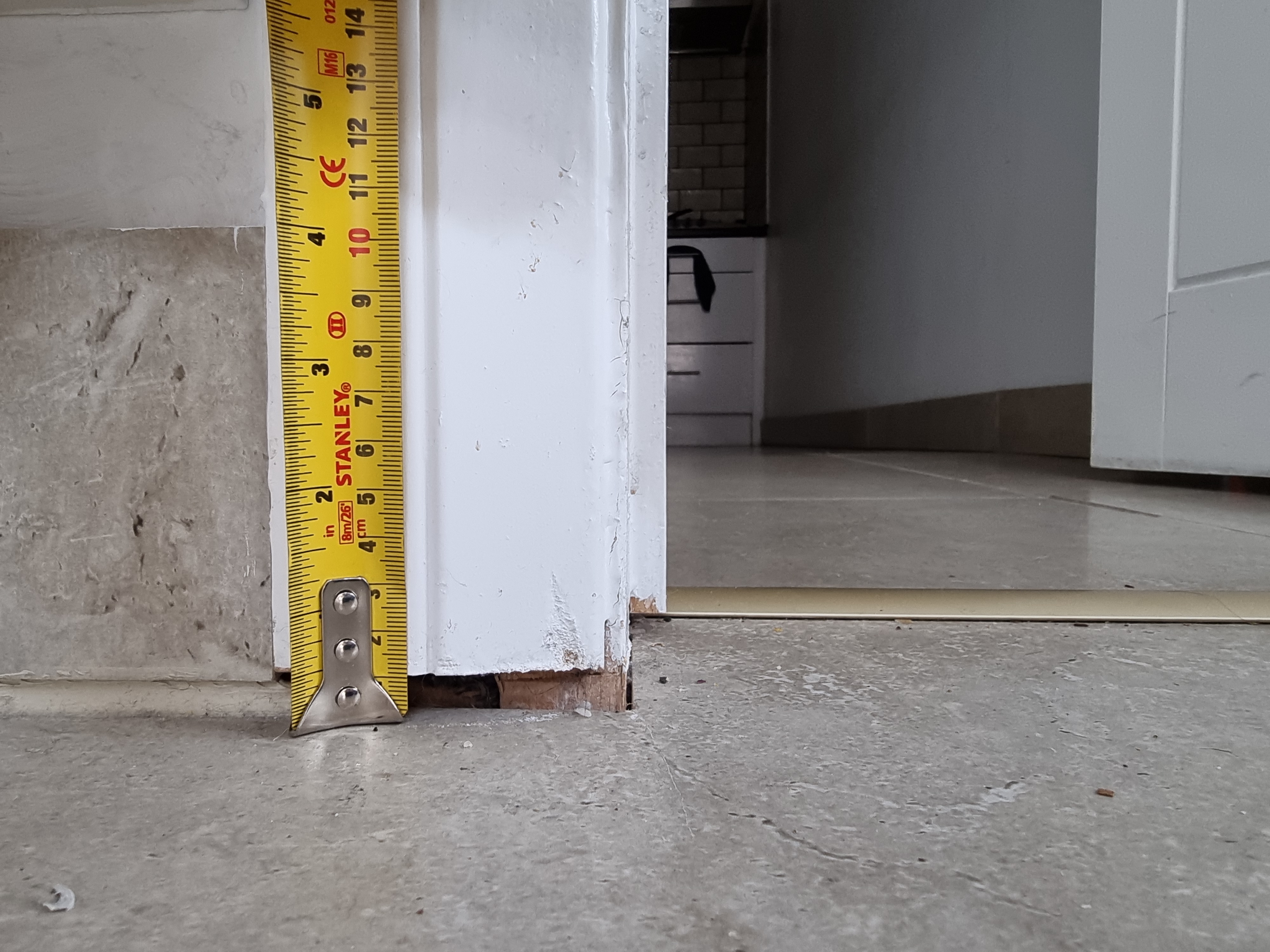
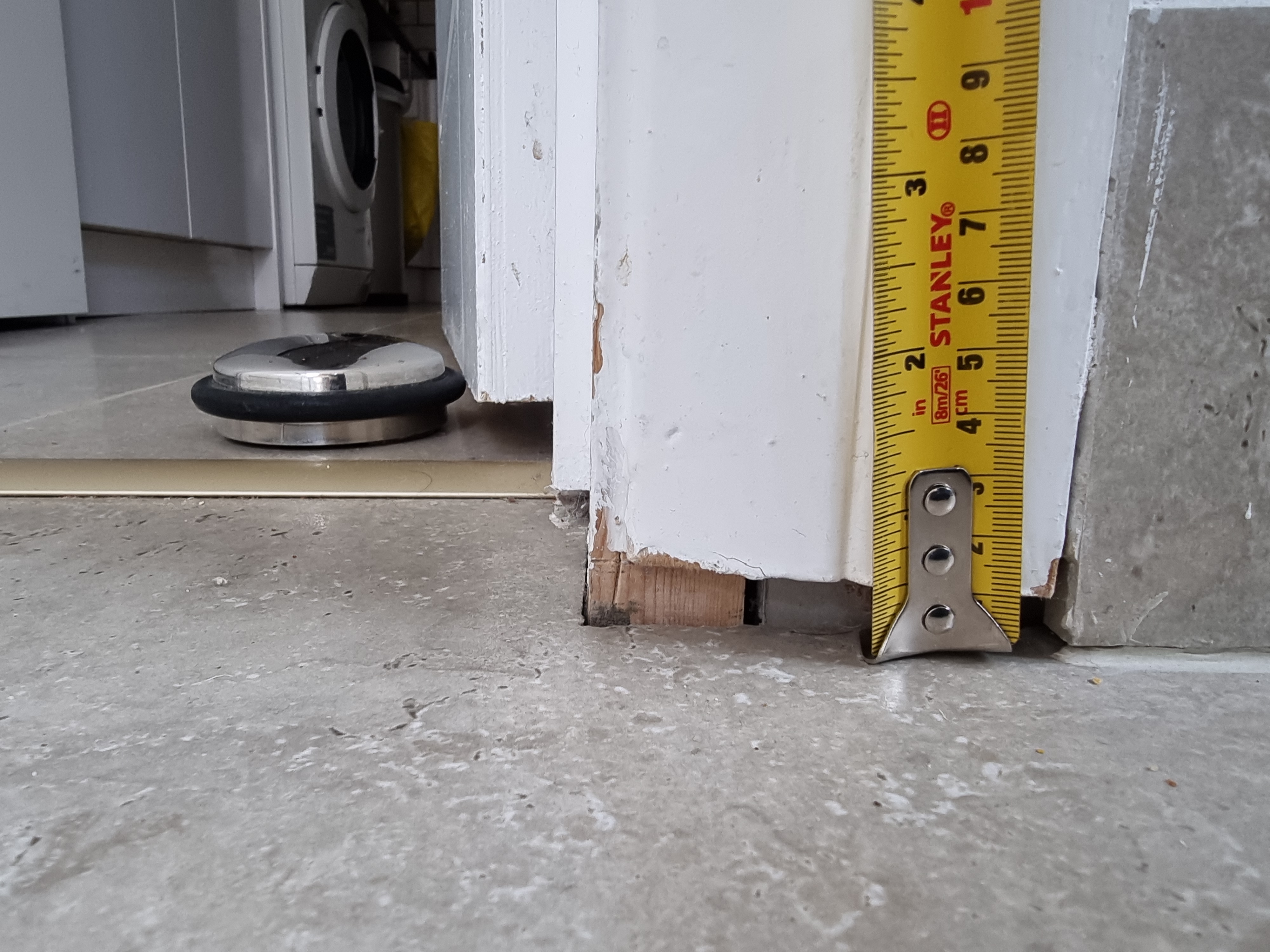
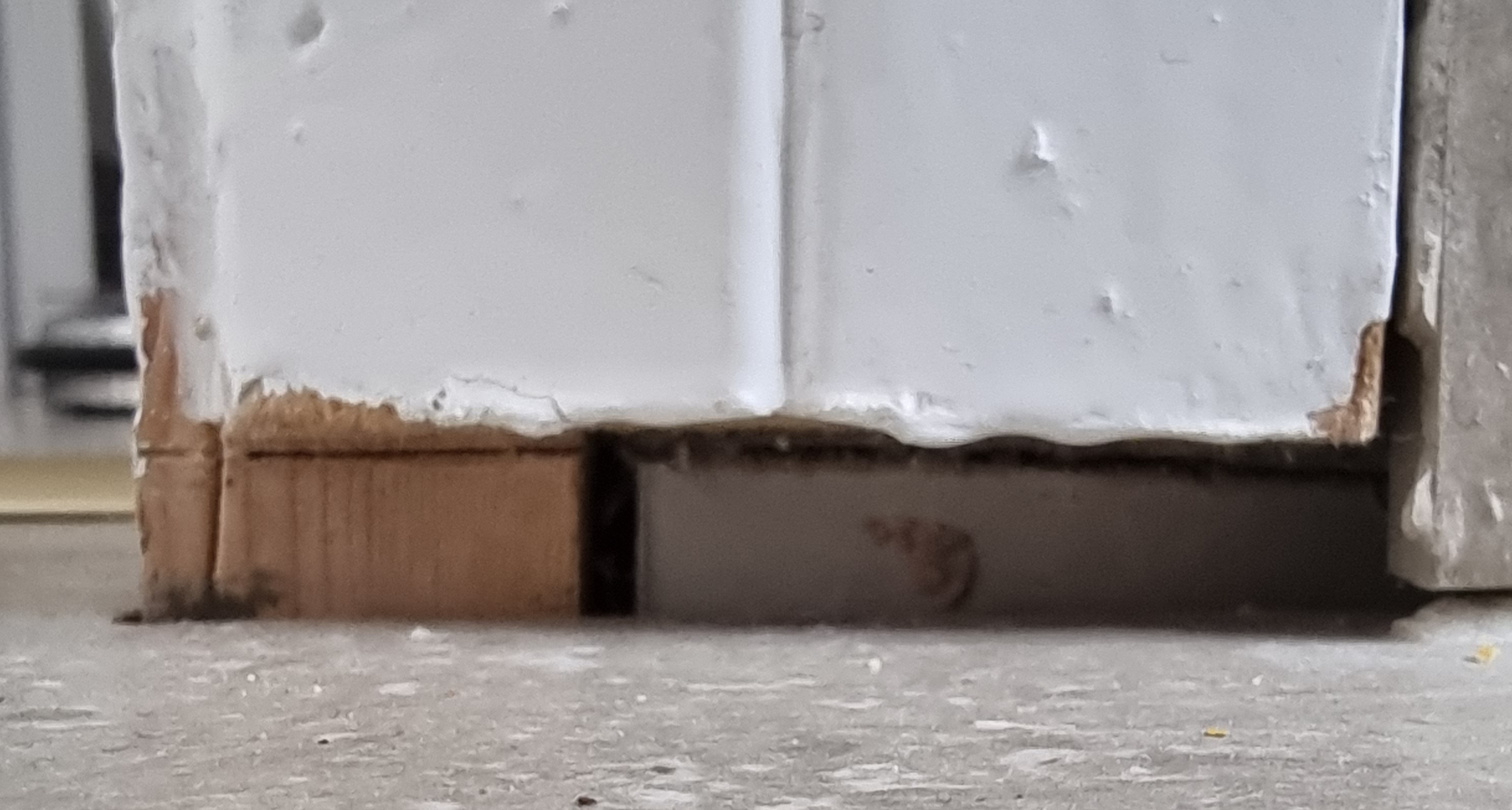
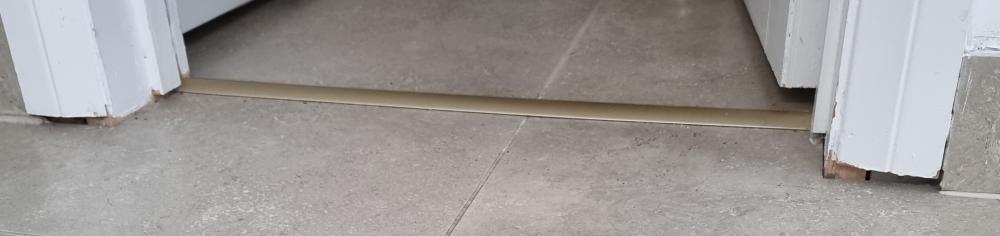
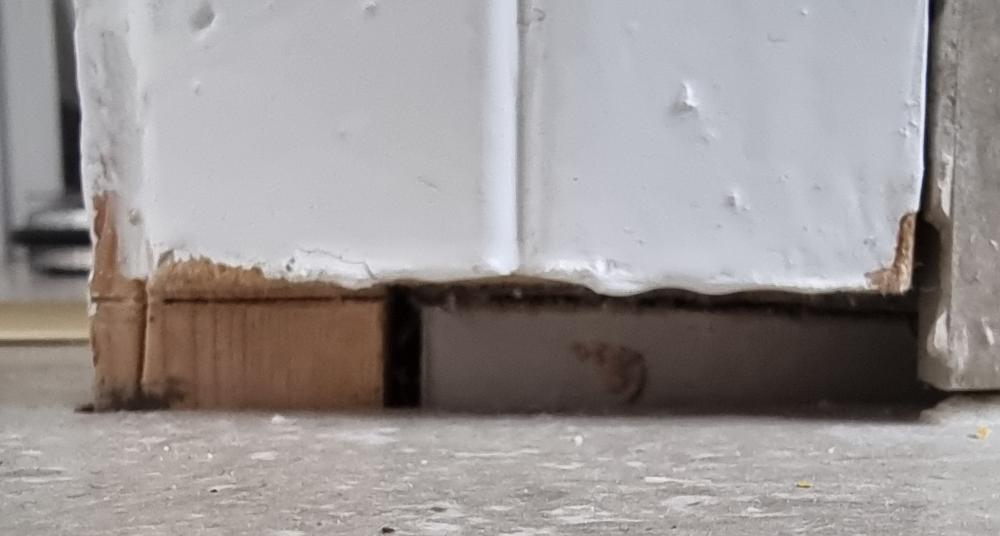
Hi, Want any help / advice on how to fix this eyesore! There is a bit of gap between door frame & tiled floor. The floor has underfloor heating BTW. How can I fix this? I'm a complete newbie to DIY world. Is it easily done ? Thanks !
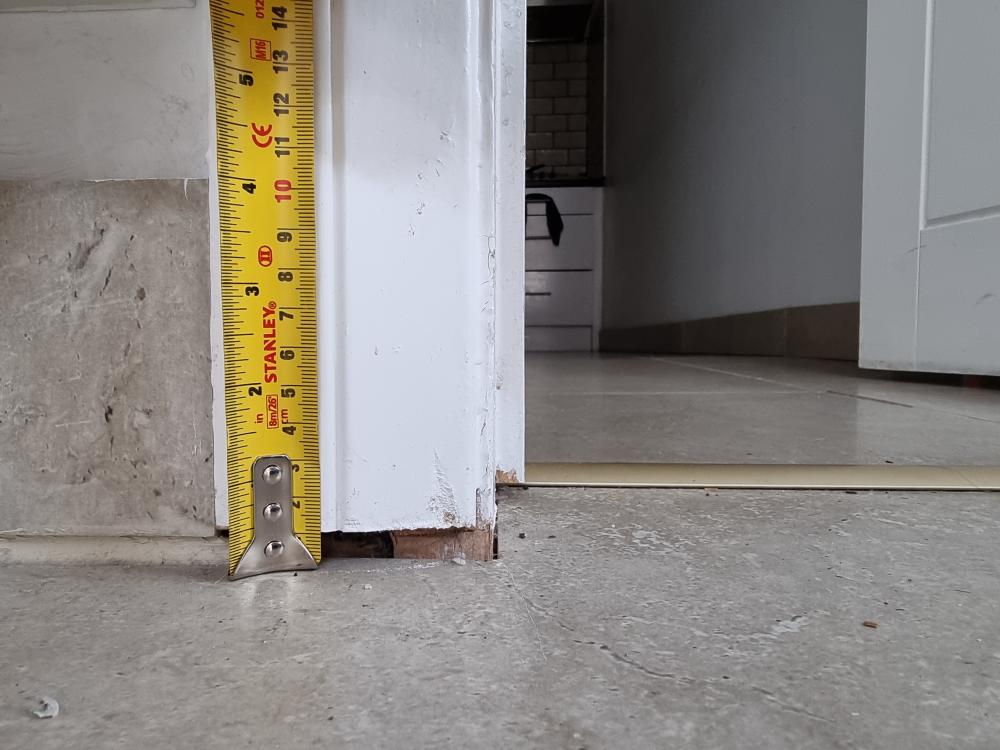
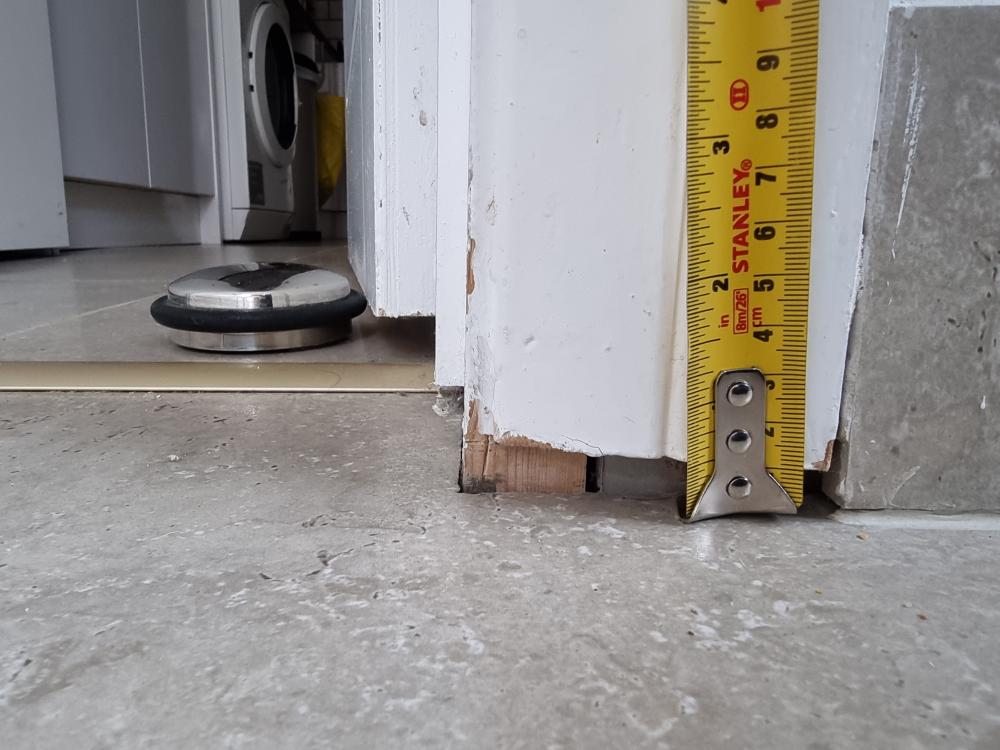
-
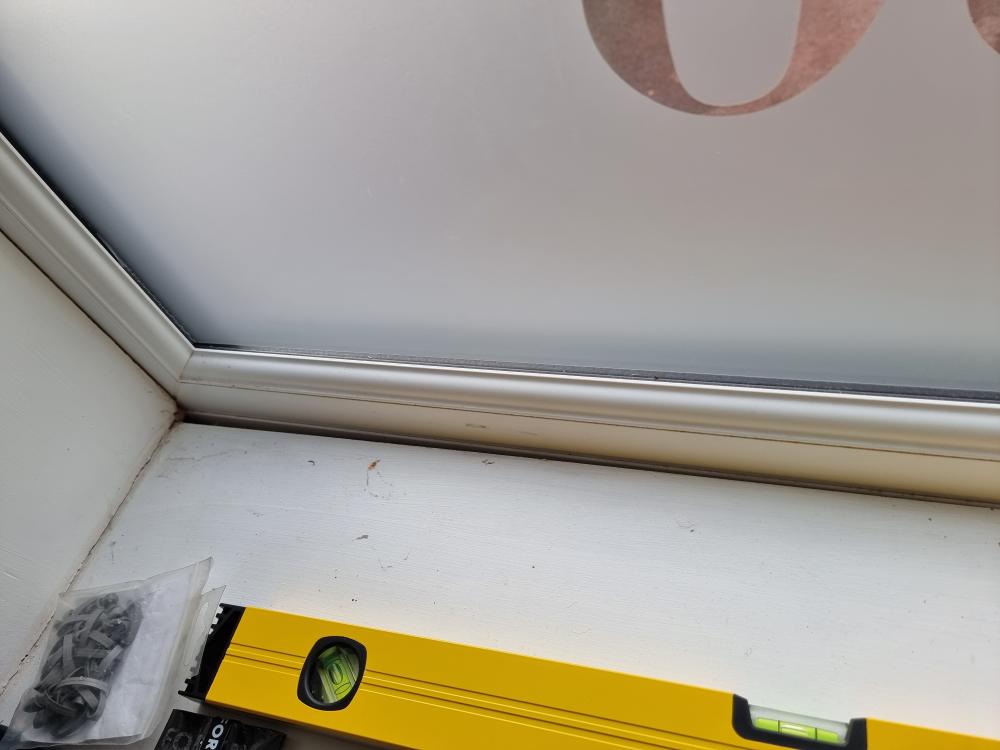
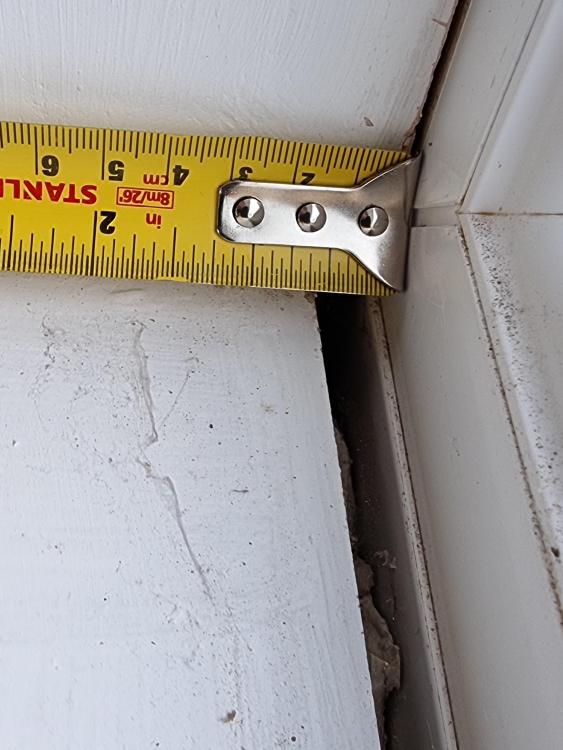
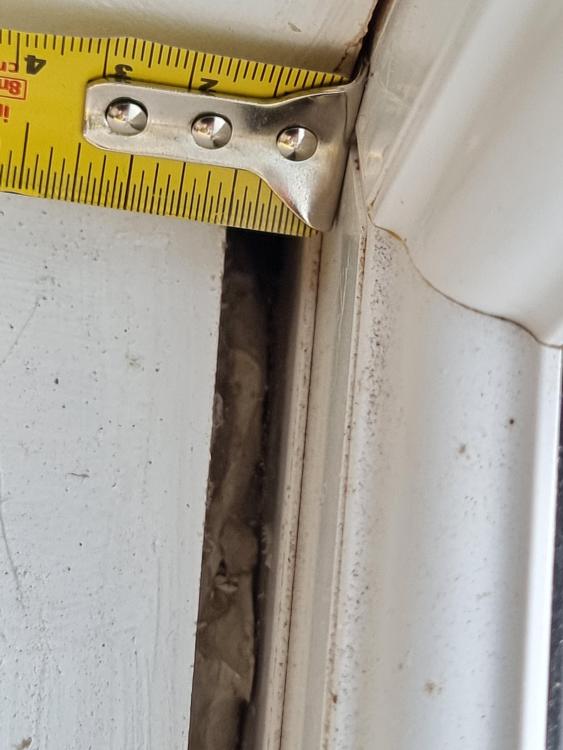
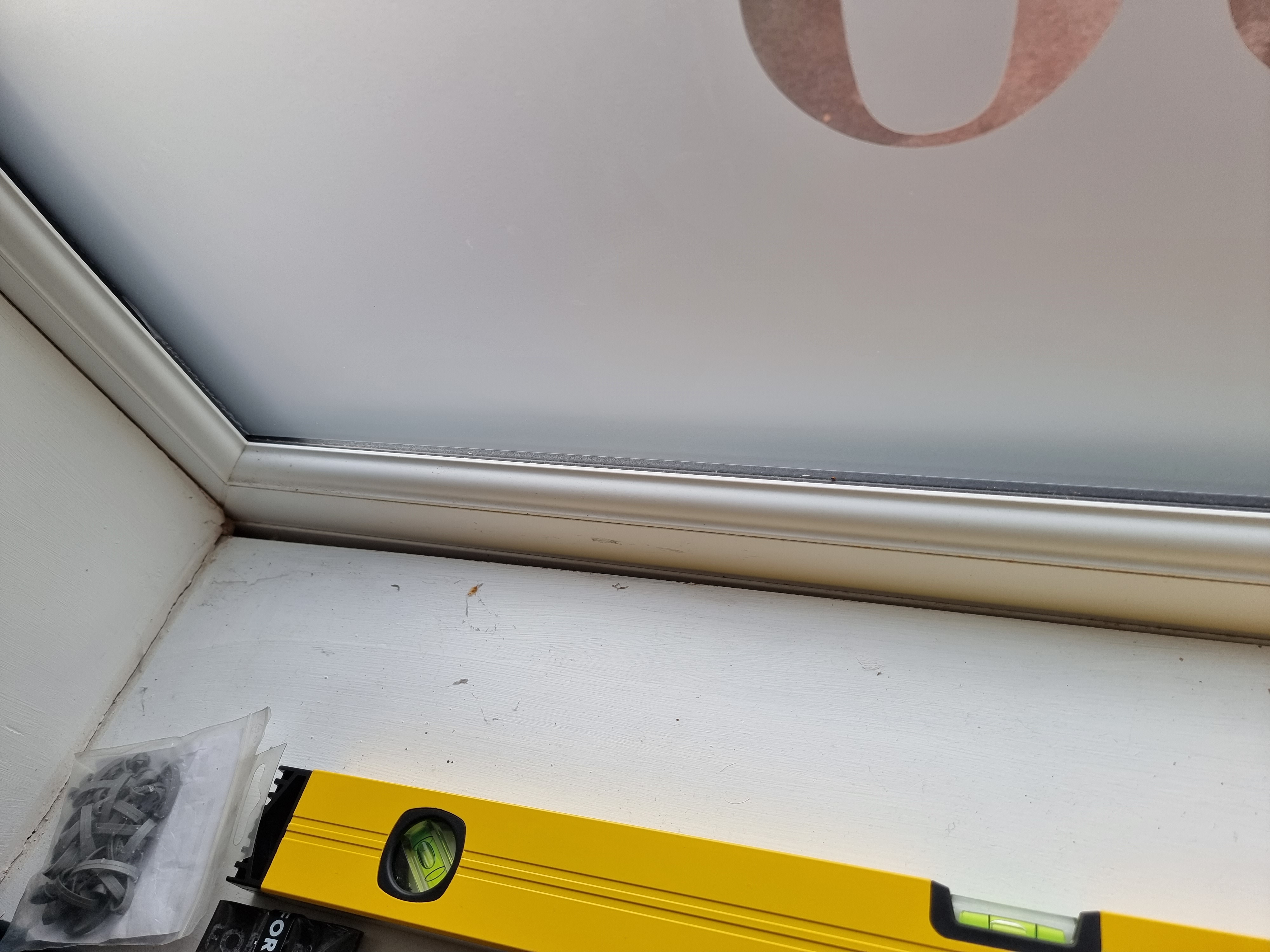
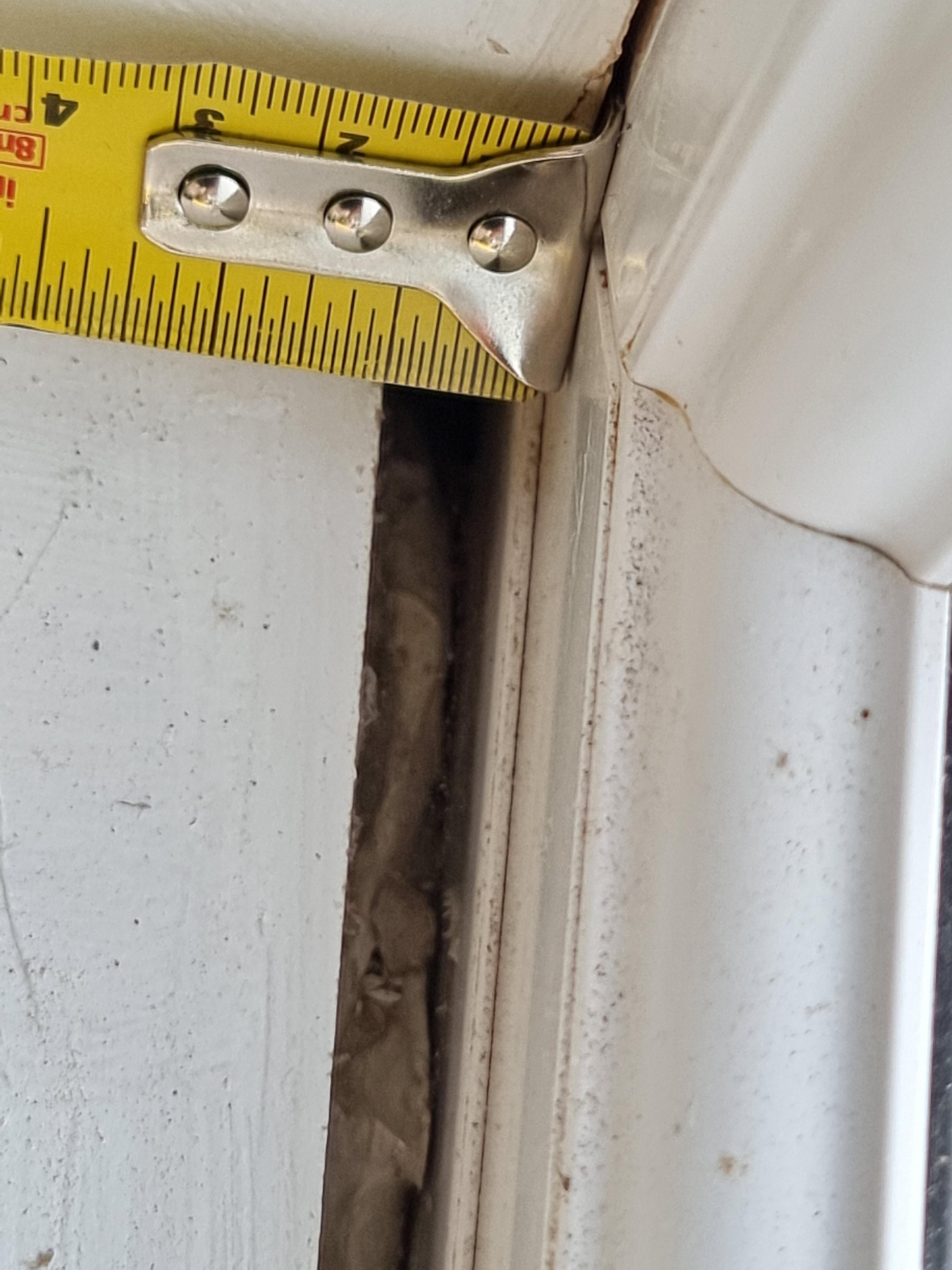
Hi, I'm a complete newbie & wanted your expert opinion on how to tackle this. Noticed a fairly wide gap on the window sill of a non opening UPVC window (almost 1.5 cm). It's only been installed in 2019 & was looking around house for draughts & cold spots when I came across this. How can I fix this ? Read online about expanding foam. Will it be too much for filling this gap? Or are there any other products I could use? Any suggestions & opinions more than appreciated! I have attached pictures of the window. Thanks !